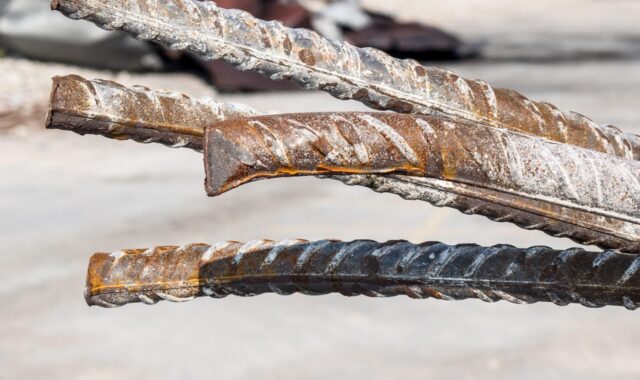
Metal building materials in modern construction and how to choose them
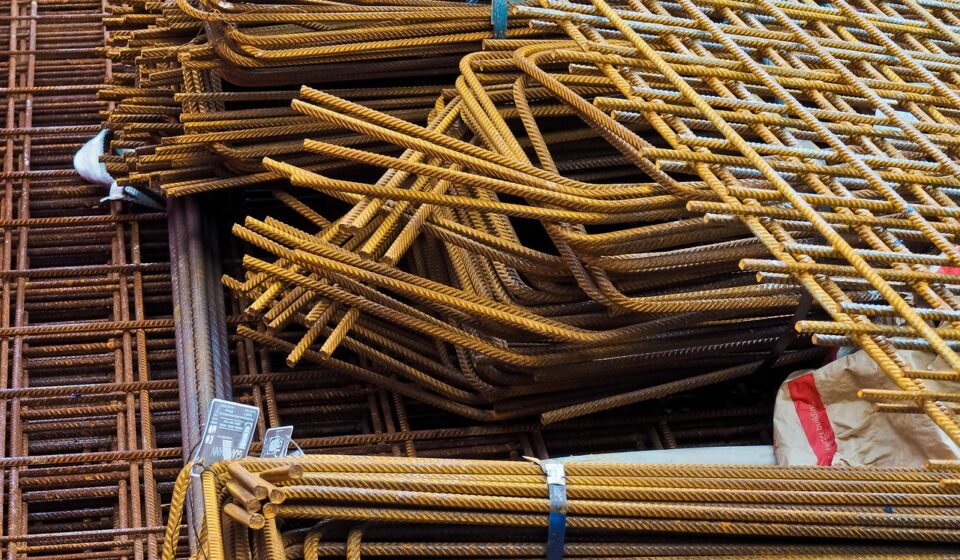
What metal building materials mean today
Metal building materials are structural, enclosure and finish components made from steel, aluminum, copper, zinc and related alloys. In current construction practice, the main options include structural steel for frames, cold-formed steel for light framing, coated steel panels for roofs and walls, aluminum for lightweight envelope systems, and copper for long-life roofing, flashing and architectural details. The right choice depends less on the label metal and more on the function required: carrying loads, keeping water out, controlling heat flow, resisting corrosion, meeting code, reducing maintenance or improving recyclability.
For buyers, contractors and specifiers, the practical question is not whether metal is better than wood, concrete or masonry in every situation. It is where metal building materials provide the clearest value, what risks need to be designed out, and which product data should be checked before purchase. For more material-selection guides, see the Building Materials section.
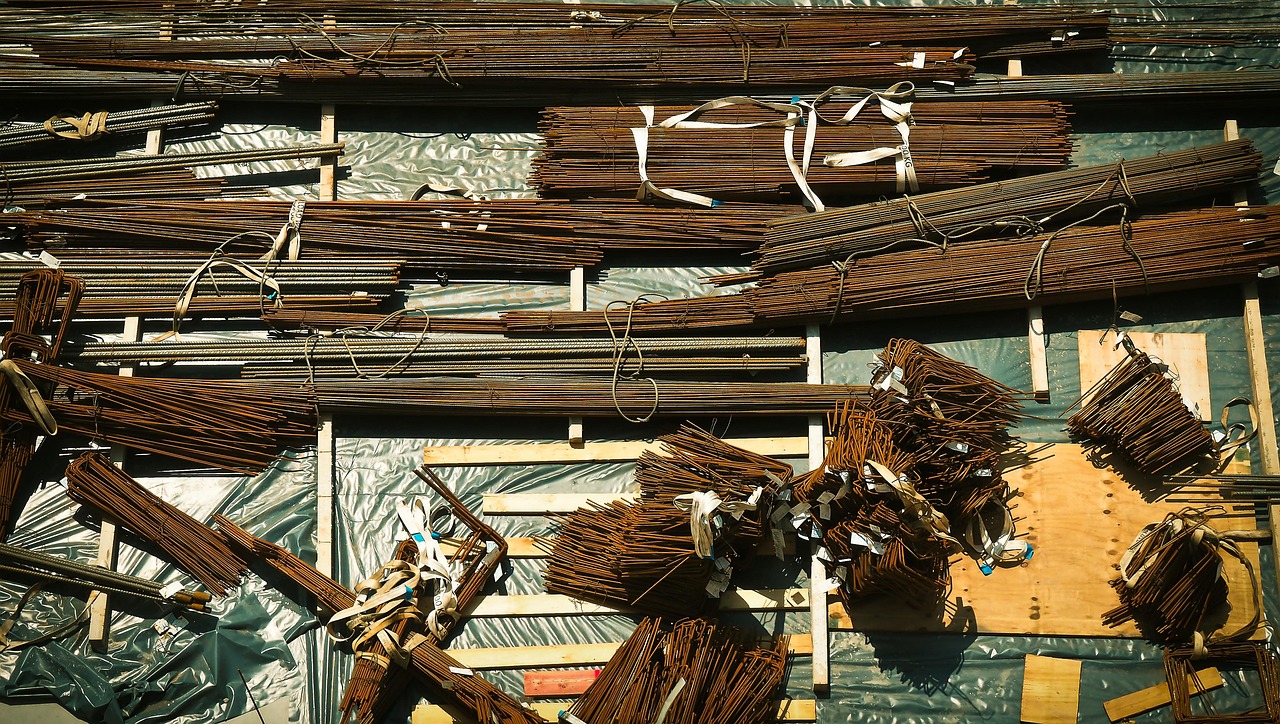
Main types of metal building materials
Structural steel and metal building systems
Structural steel includes beams, columns, joists, trusses, plates and connection hardware used to carry gravity and lateral loads. In commercial and industrial projects, it is often specified for long spans, repeatable framing, relatively fast erection and predictable engineering properties. Pre-engineered or manufacturer-designed metal building systems bring primary frames, secondary members such as purlins and girts, roof panels, wall panels and trim into one coordinated package.
These systems are not generic kits. They must be designed around project-specific loads, geometry, openings, foundations, fire requirements and local code conditions. The 2024 International Building Code includes a steel chapter and a specific section for metal building systems, and its inspection provisions address verification of erected metal building systems against approved construction documents. For that reason, documentation, shop drawings, certificates of compliance and qualified inspection are part of the material decision, not paperwork to handle after the order is placed. (codes.iccsafe.org)
Cold-formed steel framing
Cold-formed steel is made from sheet steel formed at room temperature into studs, tracks, joists, headers, purlins, girts and other thin-gauge members. It is common in interior partitions, exterior non-load-bearing walls, mid-rise framing, ceilings and light commercial structures. Its advantages include dimensional stability, resistance to rot and insect damage, and compatibility with noncombustible assemblies.
The trade-off is that thin steel sections do not behave like hot-rolled beams. Local buckling, screw connections, bracing, web openings and deflection limits all matter. Cold-formed steel also conducts heat readily, so exterior walls need careful insulation and thermal-break detailing. A metal-framed wall can perform well, but only when structure, energy code, air sealing and moisture control are treated as one assembly.
Metal roofing and wall panels
Metal panels are among the most visible metal building materials. Common products include corrugated panels, standing seam roofing, concealed-fastener wall panels, insulated metal panels and exposed-fastener agricultural or utility panels. Most building panels are made from coated steel or aluminum, with coatings selected for corrosion resistance, color retention and the project environment.
The panel profile affects water management, wind resistance, appearance and installation tolerance. Standing seam systems, for example, are often used where concealed fastening and thermal movement are important. Insulated metal panels combine metal skins with an insulating core, making them useful for warehouses, cold storage, manufacturing spaces and other projects that need enclosure speed and consistent thermal performance. Panel selection should cover substrate, coating, fastener compatibility, underlayment, slope, drainage and warranty conditions.
Aluminum, copper and specialty metals
Aluminum is valued where weight, corrosion resistance and formability matter. It is widely used in curtain walls, storefronts, window frames, louvers, soffits, rainscreens and some roofing or cladding systems. It is not a direct substitute for steel in every structural role, but it can reduce dead load in envelope applications and offers strong design flexibility.
Copper is a more specialized architectural metal. It appears in roofing, wall cladding, flashing, gutters, downspouts and decorative details, especially where long service life and a changing natural patina are desired. The Copper Development Association has published technical information on common copper wall cladding systems, including performance testing for air and water infiltration and wind resistance in tested configurations. That type of system-specific data is more useful than a broad claim that copper is durable. (live.copper.org)
Why metal materials remain important in construction supply chains
The scale of steel use helps explain why metal selection has a direct impact on construction cost and availability. The U.S. Geological Survey reported in its 2026 Mineral Commodity Summaries that the U.S. iron and steel industry produced 82 million tons of raw steel in 2025, with construction accounting for an estimated 31% of net shipments by market classification. Construction is not a side market for steel; it is one of the major demand centers. (pubs.usgs.gov)
That scale brings both advantages and exposure. Steel and aluminum products are supported by established manufacturing, distribution, fabrication and recycling networks. Standard shapes, coil-coated panels and engineered building systems can be sourced through mature supply chains. At the same time, metal products can be affected by commodity pricing, coating availability, mill lead times, tariffs, transportation costs and regional demand spikes.
For project planning, metal building materials should be evaluated early. A structural frame, roof system or curtain wall is not a finish item that can be swapped late without consequences. Changing gauges, coatings, panel profiles, frame spacing or connection details can affect engineering, energy performance, installation labor and inspection requirements. The earlier the material decision is coordinated, the lower the risk of redesign and procurement delays.
Sustainability is shifting the way metals are specified
Recyclability is one reason metals remain prominent in sustainability discussions. The World Steel Association reported in its 2024 steelFacts publication that the global steel industry recycled roughly 650 million to 700 million tonnes of steel scrap in 2022, avoiding substantial emissions compared with producing the same quantity from virgin routes. Worldsteel also released updated life-cycle assessment eco-profiles in 2024 for steel products used in construction and other sectors, reflecting the growing use of life-cycle data rather than simple marketing claims. (worldsteel.org)
Aluminum has a similar circularity argument, with a different energy profile. The Aluminum Association states that producing recycled aluminum uses about 5% of the energy needed to make new aluminum and that nearly 75% of all aluminum ever produced remains in use. For building products such as window frames, curtain walls and exterior panels, recycled content and end-of-life recovery are therefore important specification questions. (aluminum.org)
However, recyclability should not be treated as a complete sustainability score. A project team still needs to compare structural efficiency, service life, coatings, maintenance, transport distance, thermal bridging, insulation strategy and the availability of environmental product declarations. The U.S. Environmental Protection Agency estimated that 600 million tons of construction and demolition debris were generated in the United States in 2018, and it identifies metals such as steel, copper and brass as valuable commodities to recycle. That reinforces the importance of design for disassembly, salvage planning and separate metal recovery on renovation or demolition projects. (epa.gov)
Selection factors before specifying or buying
Choosing metal building materials is a performance decision. Product price matters, but it should be read alongside installed cost, design responsibility, maintenance exposure and the cost of failure. A cheaper panel coating may be reasonable for a dry inland storage building and unsuitable for a coastal or industrial site. A lightweight aluminum cladding system may reduce loads but still require careful detailing for movement, galvanic separation and water control. See also: BUYER GUIDES.
| Building area | Common metal options | Why it is chosen | What to verify |
|---|---|---|---|
| Primary frame | Structural steel, metal building system frames | Long spans, high strength, predictable engineering | Design loads, code basis, connection details, inspection requirements |
| Light framing | Cold-formed steel studs, tracks and joists | Dimensional stability, noncombustible assemblies, repeatable installation | Gauge, bracing, deflection, thermal bridging, corrosion protection |
| Roofing | Coated steel, aluminum, copper, zinc | Water shedding, long service potential, low weight | Slope, fasteners, coating, underlayment, expansion, warranty limits |
| Wall cladding | Steel panels, aluminum panels, copper panels, insulated metal panels | Fast enclosure, design flexibility, rainscreen potential | Air and water testing, fire requirements, subframing, drainage plane |
| Details and drainage | Flashing, gutters, downspouts, copings | Moisture control and edge protection | Metal compatibility, thickness, joints, sealants, runoff staining |
The most useful submittals are usually not glossy brochures. Look for material thickness, coating system, yield strength where relevant, corrosion rating, test reports, fire classification, environmental product declarations, installation instructions and warranty exclusions. If a manufacturer promises performance only when a full approved assembly is used, mixing components from different suppliers can weaken both the warranty position and the actual building performance.
Common limitations and risk points
Corrosion is the first risk many people associate with metal, but it is not the only one. Galvanized steel, aluminum, stainless steel, copper and coated steel all respond differently to salt, moisture, industrial pollutants and contact with dissimilar metals. Galvanic corrosion can occur when incompatible metals are connected in the presence of an electrolyte such as water. Designers can reduce that risk with isolation materials, compatible fasteners, drainage and appropriate coating choices.
Thermal bridging is another common issue. Metal conducts heat more readily than wood or many insulating materials, so exterior metal framing or cladding supports can bypass insulation if they are not detailed correctly. This affects energy performance, condensation risk and occupant comfort. Thermal breaks, continuous insulation, ventilated rainscreens and careful air-barrier placement are often as important as the visible metal finish.
Fire performance also needs precise review. Steel is noncombustible, but unprotected structural steel can lose strength at elevated temperatures. Depending on occupancy, building height and construction type, assemblies may require fireproofing, rated gypsum systems, sprinklers or other protections. Metal panels and insulated metal panels also need review for core material, flame spread, smoke development and wall assembly compliance.
Finally, metal buildings are not automatically low-maintenance. Fasteners can loosen, sealants age, coatings chalk, cut edges corrode and gutters clog. The maintenance burden is usually manageable, but only if access, inspection intervals and repair details are considered before the building is occupied.
How to make a practical comparison
A fair comparison between metal, wood, concrete and masonry should use the same project assumptions. Compare span requirements, structural depth, fire rating, enclosure speed, labor availability, crane access, foundation loads, energy detailing, acoustic needs, service life and end-of-life options. In some projects, a hybrid approach is stronger than a single-material approach: a steel frame with concrete floors, cold-formed steel partitions inside a mass timber building, or metal cladding over a masonry backup wall.
For procurement, group decisions into three levels. First, choose the structural or enclosure system, because that affects engineering and code compliance. Second, choose the material family and protective finish, such as galvanized steel, painted aluminum or copper. Third, choose the visible profile, color and accessories. Reversing that order can lead to attractive selections that do not meet the required performance.
The final decision should be documented in plain language: what the metal component does, what standard or code basis it follows, what exposure it faces, what maintenance it needs, and what evidence supports the claimed performance. That record helps owners, installers and inspectors work from the same expectations.
Frequently asked questions
Are metal building materials only for industrial buildings?
No. Industrial buildings are a major use case, but metal materials also appear in homes, multifamily buildings, offices, schools, retail projects and renovations. The application changes: a warehouse may use a full metal building system, while a residence may use steel connectors, metal roofing, aluminum windows and copper flashing.
Is steel or aluminum better for building materials?
Neither is better in every role. Steel is generally chosen where strength, stiffness and structural economy are central. Aluminum is often chosen where low weight, corrosion resistance and formability are more important. Cost, exposure, connection design and fire requirements can change the answer.
Do metal roofs last longer than asphalt shingles?
Many metal roof systems are designed for long service lives, but actual performance depends on panel type, coating, fasteners, slope, installation quality, climate and maintenance. A well-detailed metal roof can be a durable choice, while a poorly installed system can fail early through leaks, corrosion or movement problems.
What is the biggest mistake when buying metal building materials?
The biggest mistake is treating the material as a commodity without confirming the full assembly. Gauge, coating, fasteners, clips, insulation, underlayment, drainage, structural design and code documentation all affect performance. Buying only by panel appearance or unit price can create hidden costs later.
Can metal building materials support greener construction?
They can, especially when products have recycled content, verified environmental data, long service life and a realistic end-of-life recovery path. But greener construction depends on the whole assembly, not the metal alone. Thermal performance, durability, maintenance and waste reduction must be included in the decision.