How to choose the best furniture design for a modern home
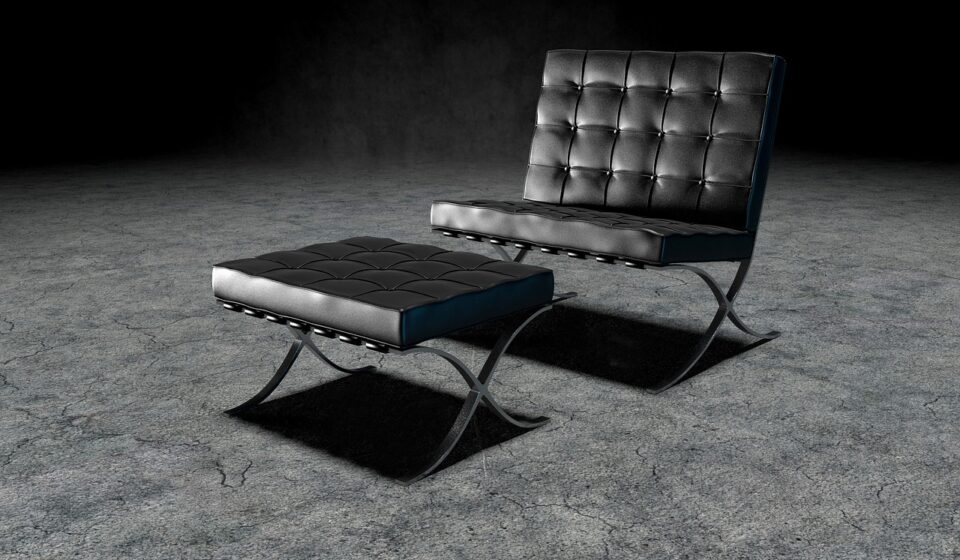
What best furniture design means now
The best furniture design is the one that makes a room easier to use, not just the piece that photographs well. In a modern home, that usually means correct scale, durable materials, comfortable ergonomics, safer construction, flexible use and a visual language that can outlast a single trend cycle. Recent signals from organizations and platforms such as ASID, NKBA, Houzz, BIFMA, EPA and CPSC suggest that homeowners and designers are paying closer attention to wellness, natural materials, storage, warmth, safety and long-term value. In practical terms, a sofa, table, cabinet or chair should solve a real need first, then support the mood of the space.
This guide does not rank brands or suggest that one style is universally superior. It explains how to evaluate furniture design across function, materials, comfort, safety, sustainability and current design direction. For more ideas across the category, visit our Furniture Design section.
Start with the way the room is used
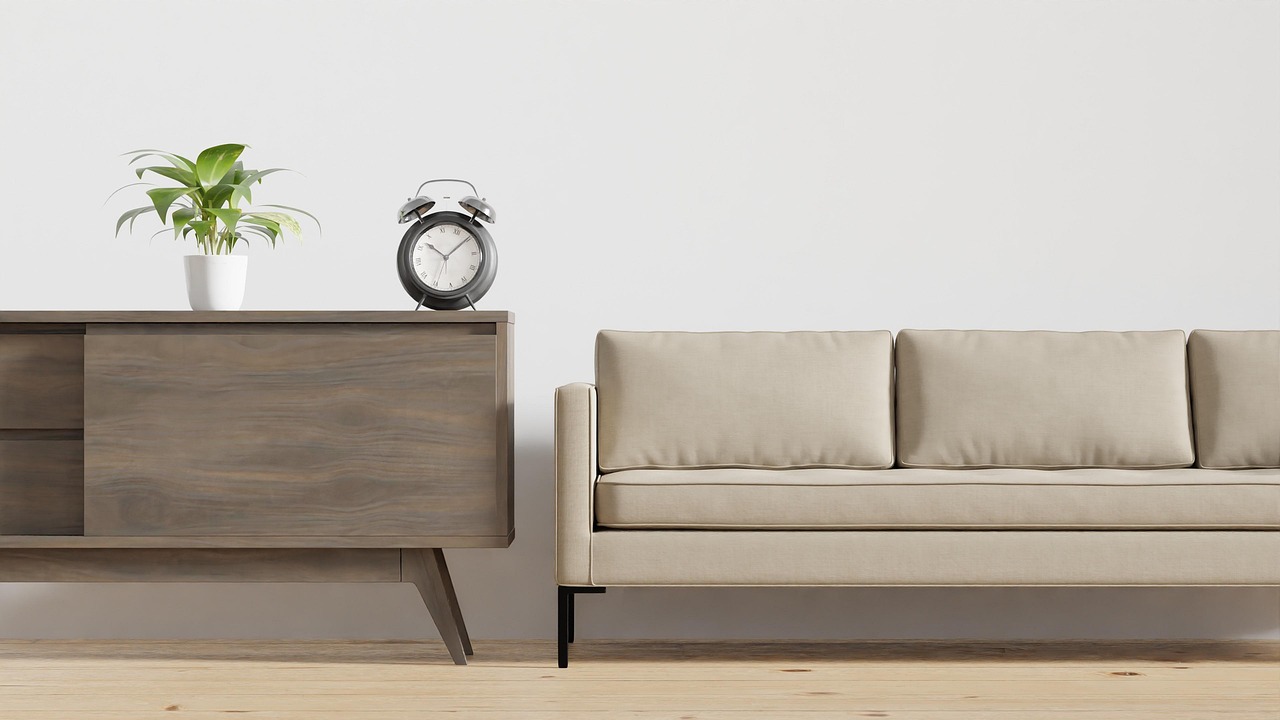
Furniture design should begin with behavior. A living room used for family movie nights needs different seating depth, fabric durability and table placement than a formal sitting room. A dining area that also works as a homework zone needs a stable table surface, appropriate lighting and chairs that remain comfortable beyond a short meal. A bedroom with limited closet space may need storage furniture that is safe, accessible and visually quiet.
Before choosing a style, map the room into zones. Note where people enter, where they sit, where they set down phones or drinks, where cables need to be hidden and which paths must stay clear. This step helps avoid a common mistake: buying a beautiful piece that blocks circulation or creates awkward daily routines.
Modern furniture design increasingly favors flexibility because rooms are doing more jobs. Modular sofas, nesting tables, extendable dining tables, mobile storage and benches with hidden compartments are not automatically better, but they are useful when the room must adapt. The key is to choose flexibility that still feels intentional. A sectional that can be reconfigured easily may suit an apartment or open-plan family room; in a narrow room, a smaller fixed sofa with two movable chairs may be more efficient.
Use scale, proportion and negative space as design tools
Scale is one of the clearest differences between furniture that looks designed and furniture that merely fills a room. Oversized seating can make a small space feel crowded, while delicate pieces can look weak in a large room with high ceilings. A good furniture plan leaves enough negative space around each item so the design can be read clearly.
As a rule of thumb, choose the largest pieces first: sofa, dining table, bed, wardrobe or media unit. These items set the visual weight of the room. Smaller tables, accent chairs and storage elements should support them rather than compete with them. If every item is treated as a statement piece, the room has no hierarchy.
Proportion also matters within each piece. A sofa with very low arms can look elegant, but it may not support relaxed lounging. A coffee table with a heavy stone top can anchor a room, but it may feel too dominant beside slim-legged seating. A cabinet on narrow legs may appear light, but it still needs enough structural stability for its intended storage load.
The best furniture design often looks simple because the proportions are doing quiet work. Leg thickness, seat height, back angle, drawer reveal, handle placement and edge radius all affect how refined a piece feels. Over time, these details matter more than a trend-led color alone.
Choose materials for durability, maintenance and feel
Material choice is where appearance, budget and longevity meet. Recent design reporting has highlighted warm woods, natural stone, tactile fabrics, mixed metals and organic finishes. These directions are useful, but the better question is whether a material suits the room’s use and maintenance level.
Solid wood can be repaired and refinished, but it may move with humidity and requires appropriate care. Veneered furniture can offer the look of wood with efficient material use, although quality varies widely depending on substrate, veneer thickness and edge finishing. Metal frames can add strength and a slimmer profile, but sharp edges, cold touch and visible scratches should be considered. Stone and stone-look surfaces can create a strong focal point, but weight, sealing and stain resistance matter. Upholstery should be selected for abrasion resistance, cleanability, colorfastness and texture, especially in homes with children, pets or frequent entertaining.
Composite wood products are common in furniture and cabinetry. In the United States, EPA rules under TSCA Title VI set formaldehyde emission requirements for regulated composite wood products and finished goods containing them. For buyers, the practical takeaway is straightforward: when choosing MDF, particleboard or hardwood plywood furniture, look for appropriate compliance labeling and avoid vague claims that cannot be verified.
Sustainability also needs to be specific. A piece is not responsible simply because it has a natural-looking finish. More meaningful indicators include certified wood sourcing, replaceable parts, repairable construction, low-emitting materials, long service life and packaging reduction. BIFMA’s sustainability work and the FSC system for responsible wood sourcing are examples of frameworks that help move the conversation beyond marketing language.
Make comfort, safety and indoor air quality part of the design decision
Furniture is touched, leaned on, moved, opened and slept on. Comfort and safety are therefore design issues, not afterthoughts. A chair with an elegant profile can still fail if the seat angle, back support or arm height makes it uncomfortable. A storage unit with a clean front can still be a poor choice if it is unstable, difficult to anchor or hard to open safely.
For seating, evaluate seat depth, cushion density, back angle, lumbar support and the user’s height. Deep sofas are popular for lounging, but shorter users may need pillows or a shallower seat to sit upright comfortably. Dining chairs should allow the sitter to slide close to the table without armrests colliding with the tabletop. Office and task chairs need a more rigorous ergonomic lens than occasional chairs.
For storage, safety is especially important. In the U.S., the CPSC’s STURDY rule applies to certain clothing storage units and was developed to reduce tip-over risks for young children. This is most relevant to dressers and similar bedroom storage, but the wider lesson applies across the home: tall or heavy storage furniture should be stable, properly installed and used as intended. See also: BUILDING MATERIALS.
Commercial and institutional furniture often references ANSI/BIFMA standards, which are designed to evaluate areas such as safety, durability and structural adequacy. Residential shoppers may not see these standards on every product, but they offer a useful mindset: good design should be tested by real use, not judged only by a showroom photograph.
Style directions that are current but not disposable
Trends can be useful when they reveal changing needs, but they become risky when they encourage short-lived purchases. Recent 2025 and 2026 design reports consistently point toward warmer, more tactile and more personal interiors. Rounded silhouettes, natural materials, visible grain, mixed eras, soft neutrals, greens, browns, expressive stone and sculptural furniture have all appeared across current design coverage.
The strongest version of these trends is not about copying a full showroom look. It is about adding warmth, tactility and individuality while keeping the main investment pieces adaptable. A curved sofa can soften a rectilinear room, but it should still fit the floor plan. A dark wood cabinet can add richness, but it should coordinate with flooring, wall color and lighting. A sculptural chair can act like functional art, but it still needs a clear purpose.
One practical approach is to separate long-life pieces from easy-to-change layers. Put most of the budget into pieces with durable frames, good proportions and finishes you can live with for years. Use cushions, throws, lamps, side tables, rugs or smaller accent chairs to test stronger colors and shapes. This method allows a room to feel current without turning every trend into a major replacement cost.
Mixing old and new furniture is also becoming more important. Vintage, antique or inherited pieces can add patina and reduce the feeling that a room was bought all at once. The challenge is editing. Combine pieces through repeated tones, compatible heights, shared materials or a clear contrast strategy. A vintage wood table can work with contemporary chairs if the scale and color temperature are intentional.
A practical checklist for evaluating furniture before buying
The following checklist turns design judgment into a more reliable decision process. It is useful for homeowners, decorators, builders and content editors comparing furniture ideas.
| Evaluation area | What to check | Why it matters |
|---|---|---|
| Function | Daily use, number of users, storage needs, cleaning routine | Prevents beautiful but impractical choices |
| Scale | Room dimensions, doorways, circulation space, ceiling height | Keeps furniture from overwhelming or underfilling the room |
| Comfort | Seat height, depth, cushion support, back angle, fabric feel | Determines whether the piece will actually be used |
| Materials | Frame, surface, upholstery, finish, hardware and edge details | Shows durability and maintenance requirements |
| Safety | Stability, anchoring needs, rounded edges, drawer operation | Reduces avoidable risks, especially around children |
| Indoor air quality | Composite wood labeling, low-emitting finishes, ventilation needs | Connects furniture choice with healthier interiors |
| Longevity | Repairability, replaceable parts, timeless proportions | Improves value and reduces waste over time |
When comparing two similar pieces, choose the one with clearer specifications. A product page or showroom tag should help you understand dimensions, materials, care, warranty, weight limits where relevant and compliance claims. Vague language such as premium quality or eco style is less useful than specific information about construction and testing.
Common mistakes to avoid
- Buying by image alone. A photograph can hide scale, firmness, joinery and surface quality. Always check dimensions and material details.
- Ignoring traffic flow. Furniture should support movement through the room, not force people around obstacles.
- Matching everything. Perfectly matched sets can feel flat. A controlled mix of finishes and periods usually feels more personal.
- Choosing trend pieces for every major item. Use trends selectively, especially for expensive or hard-to-move furniture.
- Overlooking maintenance. Pale upholstery, open-grain stone or delicate finishes may be beautiful but unsuitable for heavy-use rooms.
- Separating design from safety. Stability, anchoring and emissions information are part of responsible furniture selection.
Frequently asked questions
What is the best furniture design style for a modern home?
There is no single best style for every home. Modern, contemporary, transitional, organic, Scandinavian, mid-century and eclectic interiors can all work well. The stronger question is whether the furniture fits the room’s function, scale, comfort needs and maintenance level.
Is custom furniture better than ready-made furniture?
Custom furniture can solve difficult dimensions, storage requirements or material preferences, but it is not automatically better. Ready-made furniture may be the smarter choice when it has clear specifications, proven construction and proportions that fit the space. The best option depends on the problem being solved.
Which furniture pieces are worth spending more on?
Spend more on pieces that carry weight, receive daily use or define the room: sofas, dining tables, beds, storage units and work chairs. Accent tables, decorative stools and small accessories are easier places to control cost or experiment with stronger trends.
How can furniture design make a small room feel larger?
Use furniture with appropriate scale, visible legs, lighter visual weight, multifunctional storage and clear circulation paths. Avoid too many tiny pieces, because they can make a small room feel cluttered. One well-scaled sofa with compact side tables may work better than several disconnected seats.
How do I choose furniture that will not look dated quickly?
Look for balanced proportions, durable materials, repairable construction and colors that coordinate with the architecture of the room. Add trend-led shapes, patterns or colors through smaller layers that can be updated without replacing the main furniture investment.