Luxury living room furniture choices that balance comfort, craft and longevity
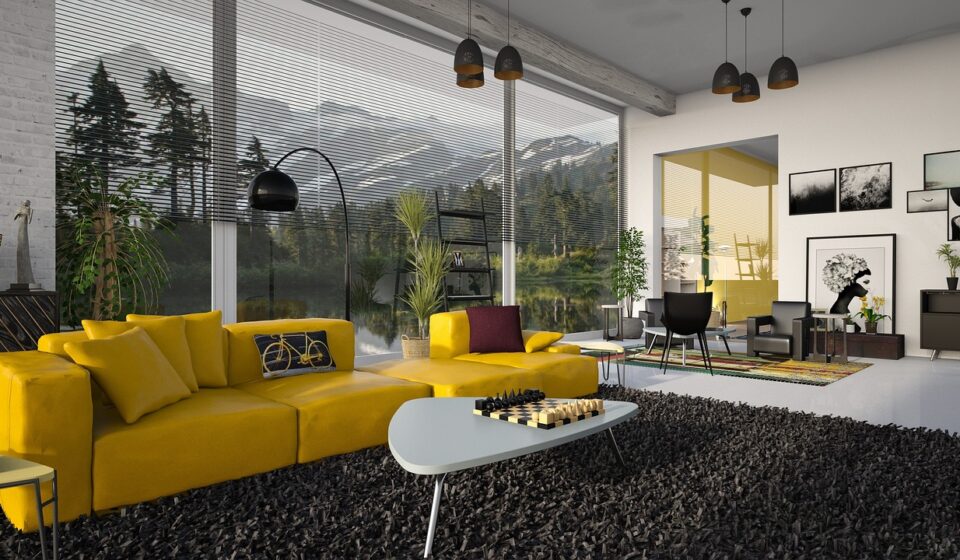
What makes living room furniture feel luxurious today?
Luxury living room furniture is not defined by price alone. The most convincing rooms combine proportion, comfort, visible craft, durable materials and a layout that supports real daily use. Current design reporting from Houzz, High Point Market coverage, 1stDibs designer surveys and major interiors publications points in a similar direction: homeowners are moving toward tactile fabrics, warmer neutrals, natural materials, sculptural silhouettes and spaces that feel personal rather than staged.
In practice, a luxury living room should look considered from across the room and feel better on closer inspection. That may come from a tailored sofa, a stone-topped table, a hand-finished wood cabinet or lighting that makes the room usable at different times of day.
For more furniture ideas and design analysis, browse the FURNITURE DESIGN archive.
Start with the room plan before choosing statement pieces
A common mistake in high-end living rooms is buying a dramatic sofa or coffee table before checking circulation, sight lines and seating purpose. Luxury furniture looks best when it has enough space around it. Before comparing materials, decide how the room will actually be used: conversation, entertaining, reading, television, music, display or a mix of these functions.
Begin with the largest seating piece. In a formal room, two sofas facing each other can create balance and encourage conversation. In a family room, a sectional or modular sofa may be more practical because it supports lounging, guests and flexible arrangements. Accent chairs should not feel like decorative afterthoughts. They can introduce a different silhouette, fabric or material while still matching the scale of the sofa.
Clear movement paths are part of the luxury experience. A beautiful room feels less refined if people have to squeeze around a cocktail table or step over ottomans. In open-plan homes, furniture also helps define zones. A console behind a sofa, a generous rug under the seating group or a pair of swivel chairs can separate the living area from dining or kitchen space without adding walls.
Invest in seating construction before decorative details
The sofa is usually the most important piece of luxury living room furniture because it carries the greatest visual weight and receives the most daily use. Upholstery color matters, but construction matters more. A well-made sofa should feel stable, balanced and supportive, with no twisting, creaking or weak corners when you sit down.
Look for frames made from kiln-dried hardwood or high-quality engineered wood, reinforced corners and suspension that suits the desired comfort level. Traditional luxury buyers may look for hand-tied springs, while many contemporary sofas use high-quality sinuous springs or webbing systems. None of these terms guarantees comfort by itself. What matters is how the frame, suspension, cushion fill and upholstery work together.
Cushion choice affects both appearance and maintenance. Down and feather blends can look relaxed and inviting, but they need regular fluffing. High-resilience foam can hold a cleaner shape and may suit modern tailored sofas. Hybrid cushions often combine structure with softness. For a living room that must serve guests, children or pets, performance fabrics, tightly woven textiles and removable cushion covers can be more practical than delicate materials chosen mainly for showroom appeal.
Scale is also part of seating quality. Deep, low sofas can look glamorous, but they may not suit every body type or every room. A refined seating plan often mixes lounge-depth pieces with chairs that offer a more upright posture. That contrast makes the room more comfortable for different people and occasions.
Choose materials that reward close inspection
Luxury is often most visible in the details: the grain of wood, the hand of a textile, the edge of stone, the weight of a metal leg or the stitching on leather. Materials should be chosen for touch, durability and maintenance, not only for how they appear in a photograph.
| Material choice | Why it works in a luxury living room | What to check before buying |
|---|---|---|
| Solid wood or quality veneer | Adds warmth, grain variation and a sense of permanence | Ask about finish type, repairability and resistance to water rings |
| Natural stone | Creates visual weight and a unique surface pattern | Check porosity, sealing needs, edge quality and weight |
| Leather | Develops character with age and suits both classic and modern rooms | Understand the difference between full-grain, top-grain, corrected and bonded products |
| Bouclé, wool, linen blends or textured weaves | Bring softness and depth to neutral palettes | Review abrasion rating, cleaning code and snag resistance |
| Brass, bronze or blackened metal | Adds contrast and crisp detailing | Confirm whether the finish is living, lacquered, plated or powder-coated |
Natural materials can create a richer room, but they also come with variation. Stone may have veining, leather may crease, and wood may darken or lighten over time. Those changes can be desirable in a high-end interior if the buyer expects them. Problems usually arise when a material is presented as effortless but actually requires careful maintenance.
Balance current silhouettes with furniture that can age well
Design trends can be useful when they reflect broader changes in how people live. In 2026, several industry sources reported continued interest in curved forms, warm palettes, layered textures, natural materials and furniture with visible character. Houzz’s 2026 U.S. emerging trends coverage described interest in tactile, sensory-rich spaces, while the 1stDibs 2026 designer survey reported that curvy and irregular-shaped furniture remained popular, though not as dominant as in the previous year. High Point Market trend coverage also emphasized refinement with personality, handcrafted details and expressive materials.
For buyers, the point is not to copy every trend. Curved sofas, sculptural tables and rounded lounge chairs can soften a room and make seating groups feel more social. However, very unusual shapes can be harder to place, reupholster or resell later. A more durable strategy is to use one or two expressive pieces and keep the rest of the room disciplined.
For example, a curved sofa can be balanced with simple side tables and a rectangular rug. A bold stone coffee table can work with quiet upholstery. A patterned chair can add character when the main sofa is plain. This approach gives the room personality without making every item compete for attention. See also: BUILDING MATERIALS.
Do not ignore labels, safety and indoor air considerations
Luxury furniture should be beautiful, but it should also meet relevant safety and compliance expectations. In the United States, upholstered furniture flammability requirements are addressed through federal rules that reference California Technical Bulletin 117-2013. Buyers may see labels indicating compliance with U.S. Consumer Product Safety Commission requirements for upholstered furniture flammability. This does not mean every product is chemically treated; it means buyers should read the label and ask the retailer or manufacturer clear questions when flame retardants, foam content or fabric treatment matter to them.
Composite wood is another area worth checking. The U.S. Environmental Protection Agency’s TSCA Title VI formaldehyde standards apply to certain composite wood products and finished goods that contain regulated panels. When buying media consoles, shelving, cabinets or tables with engineered wood components, ask whether the product is TSCA Title VI compliant. This is especially relevant for enclosed rooms, nurseries, apartments and homes where indoor air quality is a priority.
Tip-over safety is also relevant when living rooms include tall storage pieces, display cabinets or multifunctional units. The CPSC’s STURDY rule focuses on clothing storage units that meet defined criteria, so it does not cover every living room cabinet. Even so, anchoring tall or heavy furniture is a sensible precaution, particularly in homes with children.
Sustainability claims deserve the same scrutiny. The Federal Trade Commission’s Green Guides advise marketers to avoid broad environmental claims unless they can be properly qualified and supported. In practical terms, buyers should look for specifics: certified wood, recycled content percentages, repair programs, replaceable parts, low-emission finishes or transparent material documentation. A vague word such as “eco-friendly” is less useful than a clear statement about what is actually different.
A practical checklist for buying luxury living room furniture
A luxury purchase should feel considered, not rushed. Use the following checklist before committing to major pieces:
- Measure the room twice. Include doorways, elevators, stairs, ceiling height, radiator locations, window swing and the path from delivery truck to final placement.
- Decide the seating purpose. A conversation room, media room and cocktail lounge need different depths, heights and layouts.
- Request material details. Ask about frame construction, cushion fill, upholstery composition, finish, care instructions and replacement parts.
- Test comfort realistically. Sit as you would at home, not only upright for a few seconds in a showroom.
- Check maintenance before color. Pale fabrics, open-weave textiles and polished stone can be beautiful, but they require habits that match the household.
- Mix eras carefully. Combining vintage, contemporary and custom pieces can look more refined than buying a matching set, but repeat at least one material, color temperature or shape to create continuity.
- Keep one focal point dominant. If the sofa is sculptural, simplify the coffee table. If the table is dramatic, quiet the seating.
- Review warranties and service. A high-end item should come with clear information about structural coverage, upholstery limitations and repair options.
The strongest rooms often combine investment pieces with flexible supporting furniture. A premium sofa, carefully chosen lounge chairs and a well-proportioned coffee table can anchor the room for years. Smaller items such as stools, side tables, lamps and pillows can be updated more easily as tastes shift.
Frequently asked questions
What should I buy first in a luxury living room?
Start with the seating plan, then choose the main sofa or sectional. The sofa sets the room’s scale, comfort level and visual direction. After that, add chairs, tables, storage, lighting and accessories in relation to the seating group rather than as isolated purchases.
Are curved sofas a lasting choice or just a trend?
Curved seating has a long design history, and recent market coverage shows renewed interest in softer silhouettes. A curved sofa can age well if the proportions suit the room and the upholstery is not overly trend-specific. For long-term flexibility, avoid shapes that are too large for the space or difficult to pair with other furniture.
Which fabrics feel most luxurious for living room seating?
Wool blends, linen blends, mohair, velvet, bouclé and high-quality performance textiles can all feel luxurious when used appropriately. The best choice depends on wear, cleaning expectations, climate, pets and whether the room is formal or used daily. Always compare beauty with abrasion resistance, cleaning code and texture stability.
Does luxury furniture need to match?
No. Matching sets can make a room feel flat. A more refined approach is to coordinate scale, color temperature and material quality while allowing contrast. For example, a tailored sofa, a sculptural chair, a wood cabinet and a stone table can work together if their proportions and tones feel intentional.
How can I make a living room feel luxurious without replacing everything?
Improve the layout first, then upgrade the pieces people touch and notice most. Reupholstering a good chair, adding a better rug, replacing a weak coffee table, improving lighting or introducing one substantial material such as stone, leather or solid wood can make the room feel more elevated without a full redesign.