Bed room interior design ideas for a calmer and more practical sleep space

Design the bedroom around rest before decoration
A strong bed room interior design starts with a practical priority: the space should be easier to sleep in, wake up in and maintain every day. Bed position, light control, storage, air flow, sound, temperature and walking paths matter as much as paint color or a statement headboard. Bedroom design coverage in 2026 continues to favor warmer palettes, layered lighting, softer textures, lower-profile furniture and wellness-led details. Even so, the most successful rooms are not trend displays. They are calm, practical and personal. Whether the project is a primary bedroom, guest room or compact apartment bedroom, start with function, then add character through materials, furniture scale and a few carefully chosen focal points.
Bedrooms are often left until last because they are less visible to guests. That is usually a poor planning decision. The bedroom is one of the few spaces where visual noise, clutter and badly placed lighting can affect how the room feels at the beginning and end of the day. A good plan does not require replacing everything. It requires editing what the room already contains, improving comfort and choosing finishes that suit the scale of the space.
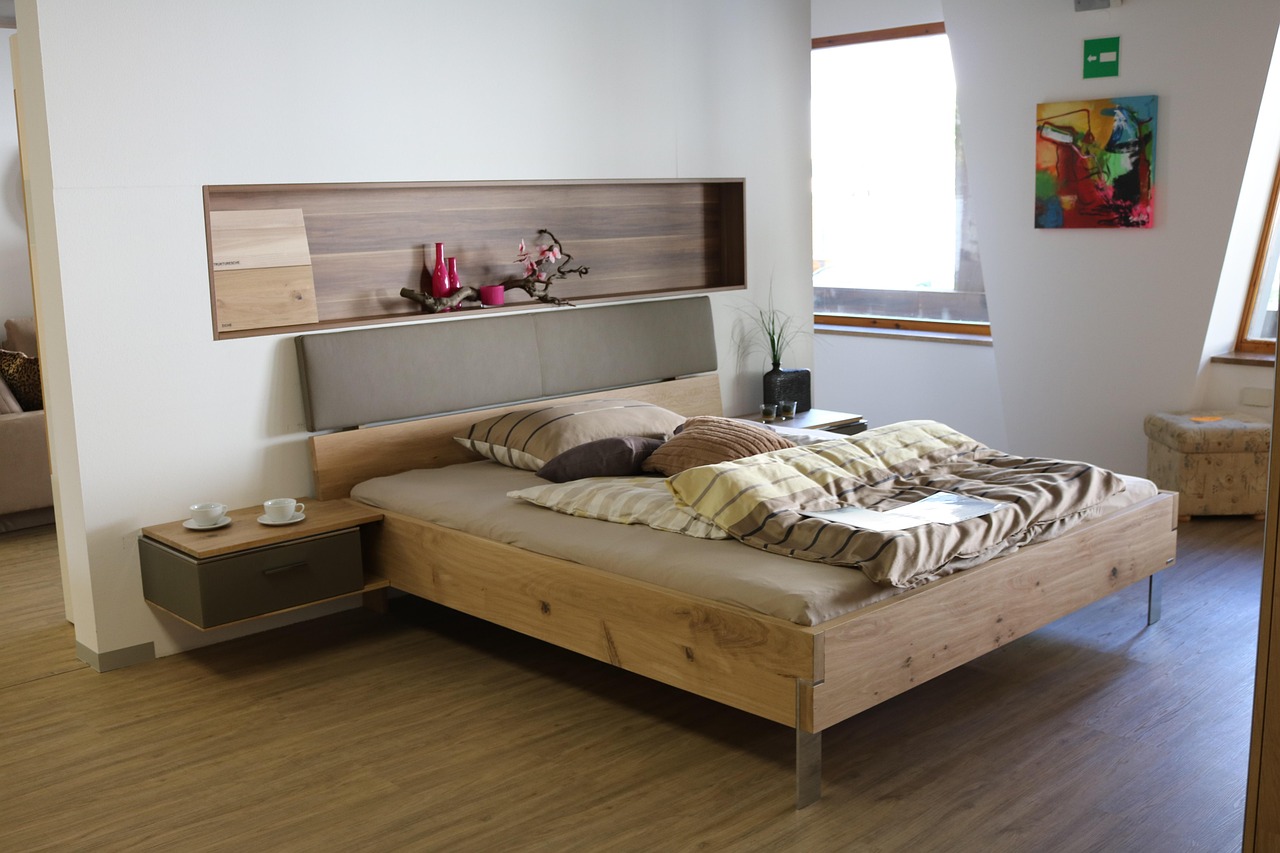
For more room-planning ideas across furniture and interiors, visit the furniture design section.
Set the sleep conditions first
Before choosing a style label such as modern, minimal, transitional or organic, define the environmental conditions the bedroom needs to support. Sleep-focused guidance from organizations such as the National Sleep Foundation commonly emphasizes a cool, dark and quiet bedroom. The exact comfort level varies by person, but the design implication is clear: window treatments, lighting, fabric choices and sound control are not accessories. They are part of the core design brief.
Control light in layers
Light control is one of the clearest differences between a room that simply looks good and a room that feels restful. Use window coverings that match the exposure. East-facing bedrooms may need blackout or room-darkening curtains to soften early morning sun, while darker rooms may work better with lighter sheers paired with heavier drapery panels. A layered treatment is usually more flexible than asking one product to do everything.
Artificial light also needs layers. A central ceiling fixture can be useful for cleaning and dressing, but it should not be the only source. Bedside lamps, wall sconces, cove lighting or low-glare floor lamps create softer zones. Warm color temperature bulbs are usually more comfortable in the evening than cool, bright white bulbs. Where possible, use dimmers or separate switches so the room can move from practical morning light to a quieter night setting.
Design for quiet and thermal comfort
Interior design cannot solve every noise or temperature problem, but it can reduce some discomfort. Rugs, upholstered headboards, lined curtains and fabric wall panels help absorb sound in rooms with hard flooring or bare walls. For temperature, breathable bedding, natural-fiber curtains and an uncluttered layout around vents or radiators can make the room easier to regulate. If the project involves remodeling, coordinate heating, cooling and window decisions instead of selecting them as separate items.
Choose a layout that protects circulation
The bed is usually the anchor of the room, but it should not consume the room. A common mistake is choosing the largest possible mattress without leaving enough clearance to move comfortably around it. The right layout balances bed size with circulation, storage access and door swing. In a smaller bedroom, the better solution may be a slightly smaller bed, a wall-mounted light and one well-sized nightstand rather than a crowded arrangement.
Start with the fixed conditions: window placement, closet doors, electrical outlets, radiator or vent locations and the entry door. Then place the bed where it feels grounded and practical. Many rooms work best with the headboard on the longest uninterrupted wall. If that is not possible, a bed between two windows can still work when the window treatments and headboard are visually balanced.
| Bedroom need | Design response | Why it helps |
|---|---|---|
| Small room | Use a lower bed frame, floating nightstands and wall lighting | Preserves floor space and reduces visual weight |
| Shared bedroom | Create equal bedside access and separate reading lights | Supports different routines without conflict |
| Poor storage | Add closed storage, under-bed drawers or a built-in wardrobe | Reduces visible clutter and makes cleaning easier |
| Bright windows | Combine sheers with blackout or lined curtains | Balances daytime softness with nighttime darkness |
| Awkward shape | Use one strong focal wall and keep secondary walls quieter | Gives the room order without overfilling it |
If the project includes structural changes, new windows or basement sleeping areas, local building rules may affect the layout. In many U.S. jurisdictions, sleeping rooms must meet emergency escape and rescue opening requirements under locally adopted residential codes. The practical advice is to verify code requirements before finalizing window replacement, basement bedroom conversions or built-in furniture that may block access.
Build a palette that calms rather than flattens the room
Recent bedroom trends have moved away from stark, all-white rooms toward warmer, more enveloping spaces. Deep reds, browns, clay tones, muted greens, warm neutrals and layered beige palettes have appeared frequently in 2026 design coverage. That does not mean every bedroom should be dark or dramatic. It means color is being used to create emotional comfort, not just visual brightness.
For a small bedroom, a mid-tone wall color can sometimes feel calmer than pure white because it softens shadows and reduces contrast. In a large bedroom, deeper wall color, fabric panels or a darker headboard can make the space feel less empty. If you prefer a light palette, add depth through texture: linen bedding, a wool rug, a wood nightstand, a plaster-look lamp or woven shades.
Use contrast carefully
High contrast can look crisp in photos, but it may feel harsh in a sleep space if every surface competes for attention. A better approach is controlled contrast. Let one element carry the strongest visual weight, such as a headboard, rug, artwork or wall color. Keep the remaining pieces quieter. This prevents the room from becoming flat while still protecting a calm atmosphere.
Repeat materials for cohesion
Repetition is one of the easiest ways to make a bedroom feel designed. If the bed frame is walnut, repeat a related wood tone in a tray, bench or picture frame. If the curtains are textured linen, echo that softness in pillows or a lampshade. Repetition does not mean matching sets everywhere. It means creating a visual rhythm so individual pieces feel connected.
Select furniture by scale, storage and touch
Furniture selection is where many bedroom plans succeed or fail. A beautiful bed can still be wrong if it blocks circulation, overwhelms the ceiling height or leaves no room for storage. Current bedroom furniture coverage has highlighted lower and wider silhouettes, storage beds, built-in wardrobes and more relaxed, grounded forms. These ideas are useful because they respond to how bedrooms are used, not only how they photograph.
Start with the bed frame. Low-profile beds can make a room feel wider and more relaxed, especially where ceilings are not high. Taller upholstered headboards can add comfort and presence, but they need enough wall height to breathe. Four-poster or canopy beds can be striking, yet they work best in rooms with adequate ceiling height and a simple surrounding palette.
Choose nightstands for proportion and behavior. If you read, charge devices, use eye drops or keep a glass of water nearby, a tiny sculptural table may not be enough. If the room is narrow, a wall shelf or floating drawer can do the job without crowding the bed. The best nightstand height is usually close to the top of the mattress, which makes it comfortable to reach from bed. See also: BUILDING MATERIALS.
- Use closed storage for visual calm. Open shelves can look attractive when carefully styled, but closed drawers and wardrobes are easier to maintain in a bedroom.
- Choose tactile materials near the bed. Upholstery, wood, linen, wool and matte ceramics usually feel warmer than glossy or highly reflective surfaces.
- Avoid oversized matching sets. A full suite of identical furniture can make the room feel heavy. Mix compatible pieces instead.
- Plan for real belongings. Count clothing, bedding, books, devices and personal items before deciding how much storage is enough.
Make lighting both practical and atmospheric
Bedroom lighting should support at least four tasks: entering the room safely, getting dressed, reading or winding down, and moving at night without glare. One overhead fixture cannot do all of that well. Lighting designers often describe ambient, task and accent light as separate layers, and that framework is especially useful in a bedroom.
Ambient light is the general light that helps the room function. It may come from a ceiling fixture, recessed lights or reflected light from wall sconces. Task light is more focused, such as a reading lamp, vanity light or closet light. Accent light adds depth by washing a wall, highlighting artwork or giving a shelf a soft glow. In a bedroom, the goal is not brightness everywhere. The goal is control.
Use bedside lighting to free the room
Wall-mounted sconces or pendant lights can free nightstand space and make a compact room feel more intentional. Adjustable sconces are especially practical for reading because they direct light where it is needed. If two people share the room, separate switches are worth planning. A small electrical decision can have a large daily impact.
Keep night movement low glare
Night lighting should be gentle and low. Motion-sensor toe-kick lights, dimmable lamps or low-output plug-in lights can help with safety without flooding the room. Avoid placing bright exposed bulbs directly in the line of sight from the bed. Glare is one of the fastest ways to make an otherwise comfortable room feel poorly designed.
Add character without creating clutter
A bedroom should not feel anonymous. Personal art, travel objects, books, family pieces or vintage furniture can give it depth. The key is editing. Character works best when the room still has breathing space. Instead of filling every wall, choose one or two focal areas: the wall behind the bed, a reading corner, a dresser vignette or a textile-rich window treatment.
Textiles are often the most flexible way to add personality. Bedding, throws, rugs and curtains can shift the mood without changing the architecture. A restrained room can become warmer with a patterned quilt. A traditional room can feel fresher with simpler linen bedding. A modern room can gain softness through a wool rug or rounded upholstered chair.
Biophilic details can also help, but they should be realistic. A bedroom with low light may not support many living plants. In that case, wood, stone, natural fibers, botanical artwork or views to outdoor greenery may be more practical than forcing plants into the room. Good design is not about copying a trend; it is about choosing the version that fits the space.
Plan the project in the right order
The most efficient bedroom updates follow a clear sequence. Start with function and comfort, then move to finishes and styling. This prevents costly reversals, such as buying nightstands before confirming bed width or choosing curtains before understanding light exposure.
- Measure the room. Include doors, windows, outlets, vents, ceiling height and closet openings.
- Define the sleep problems. Identify light, noise, temperature, clutter or circulation issues before selecting colors.
- Choose the bed size and position. Confirm walking space and storage access.
- Plan storage. Decide what must be hidden, what can be displayed and what should leave the room.
- Select lighting layers. Place switches, lamps and sconces around daily routines.
- Choose palette and materials. Use color, texture and repetition to support the mood.
- Edit accessories last. Add art, textiles and objects only after the main functions are solved.
This order works for large remodels and modest refreshes. Even a rental bedroom can be improved by changing lamp placement, adding lined curtains, upgrading bedding texture and reducing visible clutter.
Frequently asked questions
What is the most important part of bed room interior design?
The most important part is aligning the room with rest. Bed placement, light control, quiet, temperature comfort and storage should be planned before decorative details. Once those basics work, color and furniture style become much easier to choose.
Which colors work best for a calming bedroom?
Calming colors are usually muted rather than sharp. Warm neutrals, soft greens, clay, taupe, dusty blue, brown and gentle off-whites can all work. The right choice depends on natural light, room size and the materials already present.
How can a small bedroom feel larger?
Use furniture with lighter visual weight, keep circulation clear, mount lighting on the wall, choose closed storage and reduce contrast between large surfaces. A lower bed frame and properly scaled rug can also make the room feel wider.
Should all bedroom furniture match?
No. Matching sets can be useful, but they often make a bedroom feel less personal. A better approach is to repeat wood tones, shapes or finishes while mixing pieces with compatible proportions.
How many light sources does a bedroom need?
Most bedrooms benefit from at least three types of light: general ambient light, bedside or task light and a softer accent or night light. The exact number depends on room size and routines, but separate control is more important than quantity.