Modern interior stucco walls guide for texture, materials and upkeep
Why modern stucco belongs inside
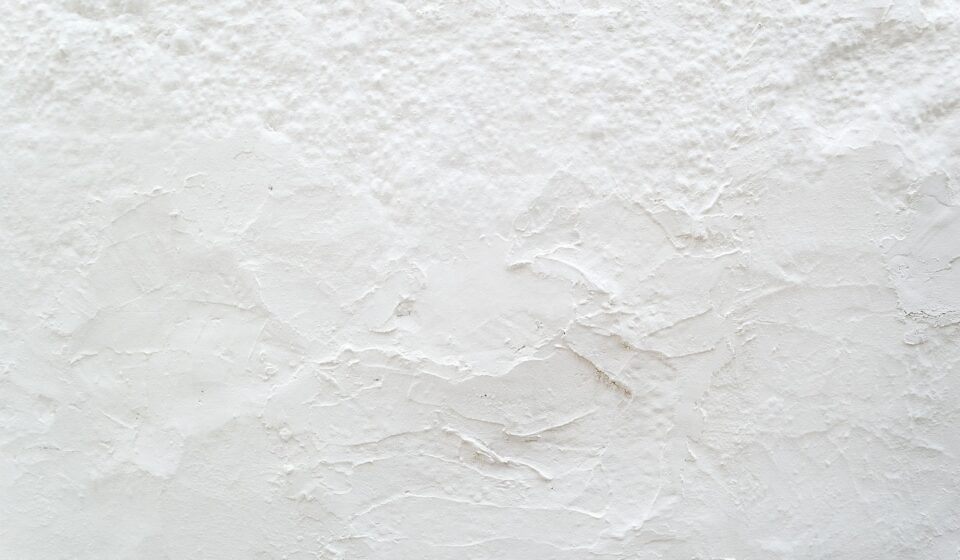
Modern interior stucco walls can add depth without making a room look like an exterior façade brought indoors. In contemporary interiors, stucco is usually specified for its hand-troweled surface, mineral character and ability to make a plain wall feel more architectural. The finish may be matte and quiet, slightly polished, sandy, cloud-like or deliberately irregular. The important point is to treat stucco as an interior finish system, not just as “texture.” Material type, substrate, edge details, color, sheen and maintenance all need to be considered before the first coat is applied.
For homeowners, designers and builders comparing options in the interior finishes category, stucco sits between paint and stone. It has more dimension than flat paint, is usually less visually busy than wallpaper and tends to read as more monolithic than tile or paneling. Its appeal also fits a wider shift toward layered, tactile rooms. Houzz’s 2025 U.S. Fall Design Trends Report identified layered textures, including plaster and handcrafted details, as a visible direction in residential interiors, while 2026 home design coverage continued to highlight textured plaster, limewash, stone and handmade surfaces as part of warmer, more natural spaces. (houzz.com)
What interior stucco is and what it is not
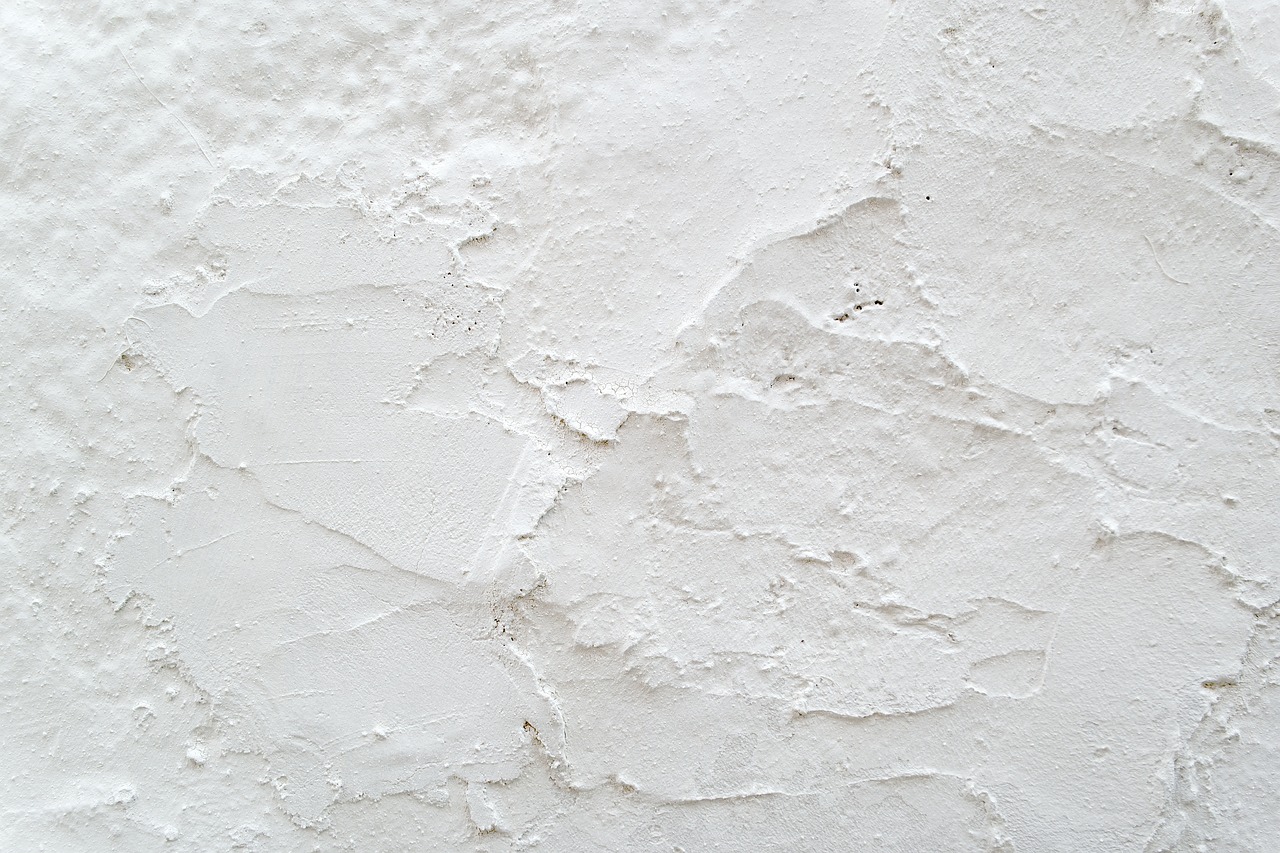
In everyday design language, “interior stucco” is used broadly. It may mean portland-cement-based plaster, lime plaster, gypsum plaster with a textured finish, Venetian plaster, clay plaster or a proprietary decorative coating that imitates a stucco look. Technically, traditional stucco is cement plaster. ASTM C926-24 covers full-thickness portland cement-based plaster for both exterior and interior work, including mix proportioning and plaster thickness. The 2024 International Residential Code also recognizes interior cement plaster and points to ASTM C926 and C1063 for application and lathing. (store.astm.org)
That distinction matters because a photo labeled “stucco wall” may not be cement stucco at all. A soft, chalky living room wall may be limewash. A luminous wall with subtle movement may be Venetian plaster. A wet-room surface may be tadelakt or microcement. A heavy sand texture may be cement plaster or a textured acrylic coating. Use visual references to set the direction, then confirm the actual finish type before budgeting or specifying the work.
| Finish type | Typical look | Best use | Main caution |
|---|---|---|---|
| Interior cement stucco | Sandy, mineral, matte to low sheen | Feature walls, fireplaces, stair halls, masonry or suitable lath assemblies | Needs compatible substrate, curing time and skilled trowel work |
| Lime plaster | Soft movement, breathable mineral surface | Historic rooms, organic modern interiors, bedrooms and living spaces | Requires proper curing and may not suit every high-splash area |
| Venetian plaster | Smooth, burnished, layered depth | Powder rooms, entries, dining rooms, luxury accent walls | More labor-intensive and can show poor patching |
| Limewash | Cloudy color variation with minimal build | Budget-friendly texture over prepared walls | Less physical texture than plaster or stucco |
| Microcement | Continuous, modern concrete-like plane | Bathrooms, kitchens, floors and walls when specified correctly | Needs system-specific waterproofing and sealer details |
Where modern interior stucco walls work best
Stucco works best where light can reveal the surface. A long living room wall, stairwell, fireplace surround, dining niche or bedroom headboard wall can all benefit from the low relief and changing shadows of a troweled finish. It is often stronger on one or two important planes than on every wall in a compact room. Too much texture can make a space feel heavy, especially where ceiling height is limited or the lighting is flat.
In open-plan homes, stucco can help define zones without adding trim or partitions. A stucco wall behind a sofa can visually separate the seating area from the kitchen, while a matching fireplace surround can make the room feel more composed. In minimalist interiors, the finish keeps white or beige walls from looking unfinished. In warmer contemporary rooms, it pairs well with oak, walnut, travertine, limestone, handmade ceramic tile, boucle upholstery, linen curtains and blackened metal.
Bathrooms need closer review. A decorative stucco or plaster wall can work in a powder room or outside direct splash zones, but showers and tub surrounds require a complete wet-area system. The surface coating alone should not be treated as waterproof unless the manufacturer’s tested assembly, sealer and maintenance instructions specifically support that use. When in doubt, separate the visual finish from the water-control layer beneath it.
Specification choices that change the final result
Substrate and build-up
The same finish can look refined or rough depending on what sits behind it. A cement plaster assembly may be applied over metal lath, masonry, concrete or other approved bases, depending on the project and local code. The 2024 IRC states that cement plaster over metal lath requires at least three coats, while plaster over other permitted bases may require at least two coats, with curing intervals between coats unless ASTM C926 provides another compliant path. (codes.iccsafe.org)
In remodeling work, the substrate is often the first constraint. Existing drywall, painted plaster, masonry, tile backer board and fireplace surfaces do not behave the same way. Some decorative systems are designed for primed gypsum board; others need a mineral base coat, lath, bonding agent or crack-isolation layer. A responsible installer should identify the wall type, check for movement, moisture and previous coatings, and then recommend a system rather than applying texture over unknown paint.
Texture, sheen and color
Texture is not a single decision. Grain size, trowel pressure, number of passes, burnishing and sealer all affect the finished surface. A fine finish in warm white can feel calm and gallery-like. A heavier sand texture in terracotta or clay brown can suggest a Mediterranean or desert-modern look. A gray cement appearance may suit industrial interiors, but it can also feel cold when paired with cool flooring and bright overhead lighting.
Color should be tested on the actual wall when possible. Mineral finishes respond strongly to daylight, grazing light and artificial lighting. A beige that looks soft on a sample board can turn yellow beside oak flooring or gray beside concrete tile. Larger mockups are especially useful because trowel movement and tonal variation become more visible at scale.
Edges, corners and transitions
Modern stucco walls look best when transitions are planned early. Outside corners, baseboards, door casings, cabinet sides, fireplace edges and ceiling lines all need a detail. A crisp reveal feels contemporary. A rounded corner feels more handmade. A stucco wall that dies into standard trim can still work, but the shift from thick mineral texture to painted millwork should be intentional.
Movement control is just as important. Cementitious and plaster finishes can crack if the substrate moves, if joints are ignored or if the assembly dries too quickly. Small hairline cracks may be acceptable in some hand-applied finishes, but random cracking across a newly finished wall is a defect, not a design feature. Ask how control joints, inside corners, framing movement and large uninterrupted surfaces will be handled.
Moisture, air quality and maintenance limits
Interior stucco is often selected because it feels natural, but “mineral” does not automatically mean maintenance-free or appropriate for every indoor environment. Sealers, primers, bonding agents, pigments and adjacent paints may produce odors or volatile organic compounds during installation. The U.S. Environmental Protection Agency advises increasing ventilation when using products that emit VOCs and focusing on source control as a central indoor-air strategy. For occupied homes, that means scheduling work with ventilation, curing time and sensitive occupants in mind. (epa.gov) See also: BUILDING MATERIALS.
Maintenance depends on the finish. Matte, unsealed mineral surfaces can stain if they are frequently touched with oily hands. Burnished or sealed surfaces may be more wipeable, but they can become glossier than expected. Lime-based finishes may accept breathable repair coats; acrylic or sealed systems may need product-specific touch-up. Before installation, ask for written guidance on cleaning, patching, future repainting and whether the exact finish can be repaired locally after plumbing or electrical work.
Moisture should be taken seriously even indoors. Around fireplaces, exterior walls, bathrooms and below-grade spaces, confirm that the wall is dry and that any previous water issue has been resolved. Building-science guidance for exterior stucco repeatedly emphasizes drainage planes, water control layers and drying paths because cement plaster can store and transmit moisture. Interior feature walls are different from exterior cladding, but the principle still applies: do not cover a moisture problem with a beautiful finish. (buildingscience.com)
How to design with stucco without making the room feel dated
The safest approach is to let stucco support the architecture rather than use it as a novelty effect. Choose a wall that already has a reason to be emphasized: the fireplace, bed wall, stair volume, dining alcove or long gallery wall. Keep the color connected to permanent materials in the room, such as stone, wood, flooring or cabinetry. A warm off-white, mushroom, clay, sand, greige or muted olive often ages better than a highly saturated trend color.
Balance matters. If the wall is rough, pair it with smoother upholstery, simple art and clean-lined lighting. If the stucco is polished and refined, add woven fabrics, wood grain or handmade ceramics so the room does not become too slick. In small rooms, a fine plaster or limewash effect may be more suitable than a heavy sand finish. In large rooms, a slightly stronger texture can keep the wall plane from disappearing.
Lighting can make or break the result. Grazing light from sconces, linear LEDs or nearby windows will reveal every trowel mark, which can be beautiful when the finish is well executed and distracting when it is not. Review the sample under daylight and evening light. If the wall will be lit from the side, the installer needs to know that before finalizing the texture.
Questions to ask before approving the work
- What exact finish system is being used: cement stucco, lime plaster, Venetian plaster, limewash, microcement or a proprietary coating?
- Is the existing substrate compatible, or does it need lath, base coat, primer, bonding agent or crack-isolation treatment?
- How many coats are included, and what curing or drying time is required between coats?
- Will the sample show the final color, sheen, aggregate size and sealer?
- How will outside corners, ceiling lines, trim transitions and control joints be detailed?
- Can the finish be cleaned, patched or recoated later, and who will provide maintenance instructions?
- For bathrooms or fireplaces, what temperature, moisture or waterproofing limits apply?
These questions help separate a durable interior finish from a quick decorative texture. They also make estimates easier to compare, because two bids may both describe “stucco walls” while proposing very different materials and preparation.
Frequently asked questions
Are modern interior stucco walls the same as exterior stucco?
Not always. Exterior stucco usually refers to cement plaster used as cladding, with lath, water-resistive barriers and drainage details. Interior stucco may be cement plaster, but many interior projects use lime plaster, Venetian plaster or decorative coatings to achieve a similar mineral look with different performance requirements.
Can stucco be applied over drywall?
Some decorative plaster and stucco-look systems are designed for prepared drywall, while traditional cement plaster may require a different base or lath assembly. The answer depends on the product, wall condition, thickness, weight and local code requirements. Always confirm the manufacturer’s instructions and installer’s method before approving the work.
Is interior stucco hard to clean?
It can be. Smooth, sealed finishes are usually easier to wipe than rough, matte mineral textures. High-touch areas such as hallways, dining spaces and around switches may need a more cleanable finish or a protective sealer. Ask for maintenance instructions before choosing the final texture.
Does stucco crack indoors?
Any plaster-like finish can crack if the substrate moves, joints are ignored, curing is rushed or moisture affects the wall. Skilled preparation and realistic expectations are essential. Minor hairline character may be acceptable in some handmade finishes, but structural or widespread cracking should be investigated.
What is the best color for a modern stucco wall?
There is no single best color. Warm whites, putty, sand, clay, soft taupe and muted earth tones tend to work well because they emphasize texture without overwhelming the room. The best choice is the color that coordinates with the flooring, cabinetry, stone and daylight in the actual space.