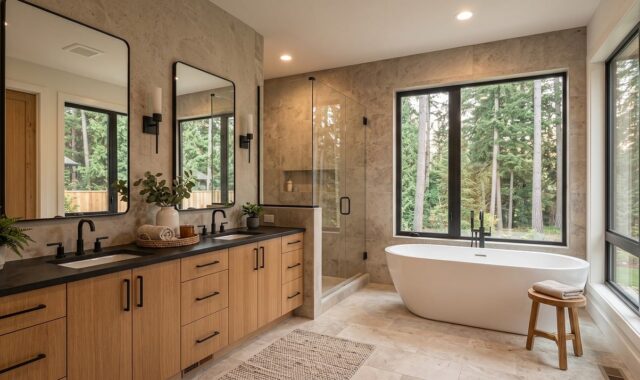
Internal wall finishes explained for practical and durable interiors
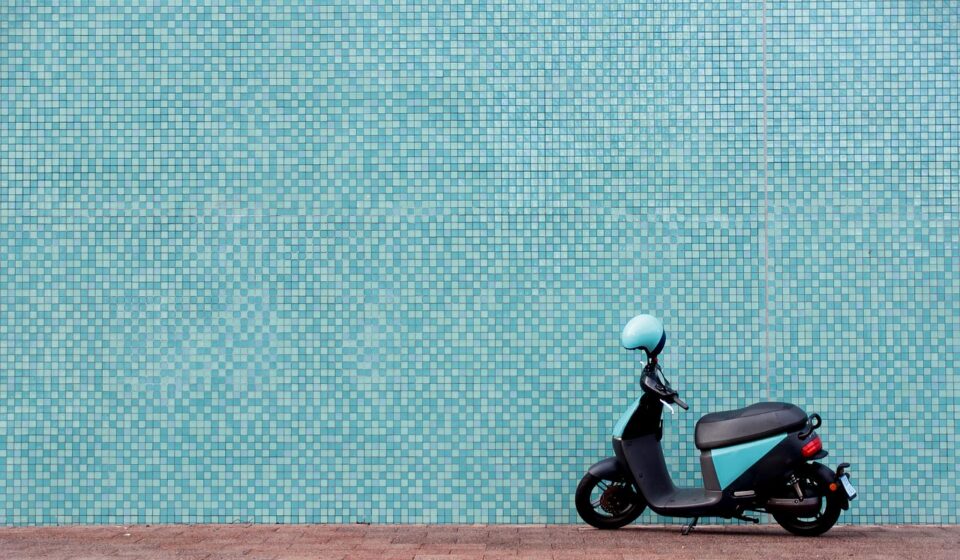
What internal wall finishes need to do
Internal wall finishes are the visible surface layers applied to interior walls, but they do more than complete the décor. A suitable finish has to match the room’s moisture level, expected wear, lighting conditions, cleaning routine, substrate and budget. Paint on gypsum board remains a common option because it is flexible and economical. Tile, panels, plaster, wallcoverings, timber and masonry finishes can add durability, texture or a stronger design statement. The starting point is the room itself: a hallway, bathroom, kitchen splash zone, bedroom and commercial lobby should not be specified in the same way.
This guide explains the main internal wall finishes used in residential and light commercial interiors, how they compare, and what to check before selecting a finish. For more related surface and material guides, see our interior finishes category.

Main types of internal wall finishes
No single finish suits every interior. A practical specification balances appearance, substrate preparation, installation skill, lifecycle maintenance and indoor air quality. The following options are among the most common categories used on interior walls.
Painted gypsum board
Paint over gypsum board is widely used because it is adaptable, comparatively affordable and easy to refresh. It can suit bedrooms, living rooms, corridors, offices and many ceilings. The final appearance, however, depends heavily on the drywall finish level below the paint. The Gypsum Association’s GA-214-2021 guidance describes different gypsum panel finish levels, with higher levels used where smooth surfaces, glossy paint, strong side lighting or critical visual quality are expected.
Flat and matte paints tend to hide minor surface variation better than higher-sheen paints. Satin, semi-gloss and gloss coatings can be easier to clean, but they also reveal uneven joints, fastener marks and surface waves. In practical terms, a project using dark colors, grazing light or glossy coatings should allow for more careful substrate preparation than a basic utility room.
Plaster and skim coat finishes
Plaster, veneer plaster and skim coat systems can create smoother, denser and more refined surfaces than standard painted drywall. They are often selected for high-end residential interiors, heritage renovations and spaces where a monolithic appearance is desired. Lime plaster and clay-based finishes may also be used for texture and mineral character, although their performance depends on the exact product, installer skill and maintenance expectations.
The main limitation is labor. Plaster work can require experienced trades, careful curing and tighter control of site conditions. It is a finish category where mockups are useful, especially when the desired result includes visible trowel movement, color variation or hand-applied texture.
Wallcoverings and wallpaper
Wallcoverings include paper, vinyl, fabric-backed vinyl, grasscloth, textile and specialty surfaces. They can add pattern, texture and visual warmth more quickly than many wet-applied finishes. Commercial-grade vinyl wallcovering is often used in hospitality and healthcare corridors because it can offer better scuff resistance than paint, depending on the product and backing.
Wallcoverings are sensitive to substrate quality, adhesive selection, seam alignment and moisture. Lightweight or glossy wallcoverings may telegraph imperfections in the wall behind them. In bathrooms, kitchens and humid locations, product suitability and ventilation matter because trapped moisture can affect adhesion and may contribute to staining or deterioration.
Tile and porcelain slabs
Ceramic, porcelain and natural stone tile are strong choices for wet or high-cleaning areas such as bathrooms, showers, backsplashes, laundry rooms and some commercial interiors. Tile is durable and washable, but it is not only a surface decision. The assembly behind the tile matters: substrate type, waterproofing, movement joints, mortar, grout and installation standards all affect performance.
The Tile Council of North America and ANSI A108 series are commonly referenced in North America for ceramic tile installation guidance. For homeowners and specifiers, the key point is simple: tile should be treated as a wall system, not just as a decorative face material. Large-format porcelain panels and slabs can reduce grout lines and create a cleaner look, but they require careful handling, flatter substrates and qualified installation.
Timber, veneer and decorative panels
Wood boards, veneer panels, slatted systems, MDF panels and engineered decorative boards can add warmth, acoustic softness and architectural rhythm. They are common in feature walls, lobbies, dining areas, offices and bedrooms. The surface may be clear coated, stained, painted, laminated or factory finished.
Panel systems need attention to fire classification, dimensional movement, fixing methods and edge detailing. Wood and wood-based materials can expand or contract as humidity changes. In commercial work, code requirements and product testing should be checked before decorative wall panels are specified in corridors, exits or assembly spaces.
Exposed brick, stone and concrete effects
Exposed brick, interior stone veneer, microcement, polished plaster and concrete-look coatings are selected for texture and visual weight. Real masonry can be long-lasting, but it may need sealing to reduce dusting or staining. Thin veneers and coating systems are lighter alternatives, yet they still rely on proper substrate preparation and compatible adhesives or base coats.
These finishes are often most effective when used selectively. A full room of heavy texture may feel darker or be harder to clean, while a single wall can create contrast without adding the same maintenance burden or cost.
How to compare finishes before specifying
A finish schedule should do more than name a material. It should explain where the finish is used, what substrate it goes over, the target appearance, the expected performance and any testing or certification requirements. The table below summarizes typical considerations for common internal wall finishes.
| Finish type | Where it often works | Main strengths | Key limitations |
|---|---|---|---|
| Paint on gypsum board | Bedrooms, living rooms, offices, corridors | Flexible, economical, easy to repaint | Shows substrate flaws under gloss or critical light |
| Plaster or skim coat | High-visibility interiors, feature rooms, renovations | Smooth, refined, monolithic appearance | Labor intensive and skill dependent |
| Wallcovering | Feature walls, hotels, corridors, dining areas | Pattern, texture, scuff resistance in some grades | Moisture and substrate imperfections can cause problems |
| Ceramic or porcelain tile | Bathrooms, showers, kitchens, laundries | Durable, washable, moisture resistant when properly installed | Requires correct substrate, waterproofing and installation |
| Wood or decorative panels | Feature walls, offices, lobbies, bedrooms | Warmth, texture, acoustic potential | Fire rating, movement and impact resistance must be checked |
| Brick, stone or concrete-look finishes | Feature walls, restaurants, loft interiors | Strong texture and long visual life | Can be costly, heavy or harder to clean |
Room-by-room selection considerations
The most reliable way to choose internal wall finishes is to start with the conditions in each room. A finish that performs well in a dry bedroom may not survive repeated splash, steam or abrasion in a bathroom or entry area.
Living rooms and bedrooms
In dry rooms, the choice is usually driven by appearance, budget and ease of future change. Paint, plaster, wallpaper and timber accents are all reasonable options. If the room has large windows or wall-washing lighting, surface preparation becomes more important because light can reveal slight defects. For rental properties or homes where colors may change often, paint remains the easiest finish to renew.
Kitchens and dining areas
Kitchens combine grease, cleaning chemicals, steam and impact risk. Painted walls can work away from wet zones, but backsplashes often need tile, glass, metal panels or other washable surfaces. Around cooking areas, finishes should be easy to clean and compatible with heat and moisture exposure. Decorative timber or wallcovering may be suitable in dining zones, but it should be kept away from splash-prone areas unless the manufacturer confirms suitability. See also: BUILDING MATERIALS.
Bathrooms, showers and laundry rooms
Wet rooms require the most caution. A decorative finish alone does not make a wall water resistant. Showers and tub surrounds typically require a complete water-management assembly behind the visible surface. Tile, porcelain panels and certain waterproof wall panels can work well, but performance depends on correct detailing at corners, penetrations, transitions and joints. In non-wet bathroom areas, moisture-resistant paint may be acceptable if ventilation is adequate.
Hallways, stairs and children’s areas
High-traffic walls face hand marks, luggage, furniture movement and everyday impact. Durable washable paint, higher-grade wallcovering, wainscoting, wood panels or impact-resistant boards may be appropriate. The right choice depends on whether the priority is low first cost, repairability or long-term resistance to scuffs.
Commercial and hospitality interiors
Commercial spaces often need finishes that meet additional requirements for fire performance, cleanability, durability and indoor air quality. A restaurant dining room may value atmosphere and texture, while a clinic corridor may prioritize hygiene and impact resistance. Product data sheets, code requirements and manufacturer installation instructions become more important as occupancy risk and traffic increase.
Indoor air quality and low-emitting materials
Interior finishes can affect indoor air quality because paints, coatings, adhesives, sealants, composite wood products and some coverings may release volatile organic compounds. The U.S. Environmental Protection Agency explains that VOC behavior is complex and that product labels do not always capture every compound relevant to indoor air quality. That does not mean all finishes are unsafe, but it does mean specifications should look beyond color and texture.
Low-emitting material programs such as LEED v4.1 consider multiple interior product categories, including paints, coatings, adhesives, sealants, flooring, ceilings, walls, insulation and furniture. USGBC guidance also distinguishes inherently nonemitting materials such as stone, ceramic, glass, concrete, clay brick and unfinished solid wood when they do not include organic coatings, binders or sealants. For wall finishes, this can influence decisions about coatings, adhesives, panels and backing materials.
In practice, specifiers should request current product documentation rather than rely only on marketing terms such as “green” or “eco.” Useful documents may include VOC content data, emissions testing certificates, environmental product declarations, safety data sheets and installation instructions. For homes, the most practical step is to combine lower-emitting products with ventilation during and after installation.
Substrate preparation is often the hidden cost
Many wall finish failures are not caused by the visible material itself. They begin with the substrate. Uneven gypsum board, damp plaster, dusty masonry, incompatible primers, moving joints or poorly detailed corners can affect the final result.
Paint may peel if applied over contamination or trapped moisture. Wallpaper may show seams or bubbles if the surface is uneven or the adhesive is mismatched. Tile may crack if movement joints are omitted or if the backing is not suitable. Decorative panels may warp or gap if the room’s humidity is not considered. For this reason, a good specification should describe preparation steps, not just the final appearance.
Mockups are valuable when the finish is expensive, unfamiliar or visually sensitive. A small sample board can show color and texture, but an installed mockup shows more: joint alignment, corner details, sheen, lighting effects, tolerance and workmanship. For high-end interiors, this step can prevent costly disagreement after full installation.
Practical specification checklist
Before committing to a finish, use a checklist that brings design, performance and installation together. This is especially useful when comparing several internal wall finishes for the same project.
- Room conditions: Confirm whether the wall is in a dry, damp, wet, high-traffic or high-impact area.
- Substrate: Identify gypsum board, plaster, masonry, cement board, concrete or panel backing before choosing the finish.
- Surface quality: Match drywall or plaster preparation to lighting, sheen and color intensity.
- Moisture exposure: Do not rely on the decorative finish alone in showers or splash zones.
- Cleaning needs: Check whether the finish tolerates scrubbing, disinfectants, grease or frequent touch.
- Indoor air quality: Review VOC content, emissions data and adhesive requirements where relevant.
- Fire and code requirements: Verify ratings for wood, fabric, foam-backed and decorative panel systems in regulated spaces.
- Repairability: Consider how easy it is to patch, repaint, replace a panel or match a batch later.
- Lifecycle cost: Compare maintenance and replacement intervals, not only initial material cost.
Frequently asked questions
What is the most common internal wall finish?
Paint over gypsum board is one of the most common internal wall finishes in modern residential interiors because it is cost-effective, widely available and easy to update. Its quality depends on the wall preparation, primer, paint type and lighting conditions.
Which wall finish is best for bathrooms?
In wet areas such as showers and tub surrounds, tile, porcelain panels or purpose-made waterproof wall systems are often more suitable than standard paint or wallpaper. The visible finish must be paired with correct waterproofing and substrate detailing. In dry bathroom zones, moisture-resistant paint can be acceptable when ventilation is good.
Are low-VOC paints enough for healthy interiors?
Low-VOC paint can help, but it is only one part of the wall assembly. Adhesives, sealants, wallcoverings, panels, composite wood products and ventilation can also affect indoor air quality. Product documentation and emissions testing are more useful than broad marketing claims.
Why do smooth painted walls show defects?
Smooth walls show defects when light hits the surface at a low angle, when the paint has higher sheen, or when the substrate has uneven joints and fastener marks. Dark colors and gloss finishes usually demand better surface preparation than flat light-colored paint.
How should a feature wall finish be chosen?
A feature wall should be selected for both appearance and practicality. Consider lighting, cleaning, impact risk, acoustics, installation thickness, edge details and whether the finish can be repaired or replaced without affecting the rest of the room.
Final perspective
Internal wall finishes should be chosen as part of a wall system, not as isolated decoration. Paint, plaster, wallcoverings, tile, panels, timber, brick and concrete-look surfaces all have valid uses, but each has limits. The best specification starts with the room conditions, confirms the substrate, checks moisture and durability needs, and then selects a finish that can be installed and maintained realistically. When appearance, performance and preparation are aligned, interior walls last longer and look more intentional.