How to choose outdoor furniture chairs for your space and climate
Choosing chairs by use, climate, and care level
Outdoor furniture chairs should be chosen for how they will be used, the weather they will face, and the level of care the owner is prepared to provide. A dining chair on a covered porch, a lounge chair beside a pool, and a compact balcony chair may share the same design language, but they have different performance requirements. Start with frame material, cushion construction, weight, drainage, storage needs, and comfort before narrowing the choice by color or trend. Public buying guidance from Consumer Reports, Forbes Vetted, major home-improvement retailers, and care manuals generally points to the same lesson: material choice has a larger impact on long-term performance than appearance alone. For more design context, browse our FURNITURE DESIGN coverage.
Start with the chair’s real job
Before comparing teak, aluminum, wicker, or resin, define the chair’s main job. Outdoor seating often disappoints when a decorative chair is expected to function like a dining chair, or when a deep lounge chair is forced into a narrow circulation path. The chair type should match the activity and layout, not only the visual style of the patio.
Dining chairs
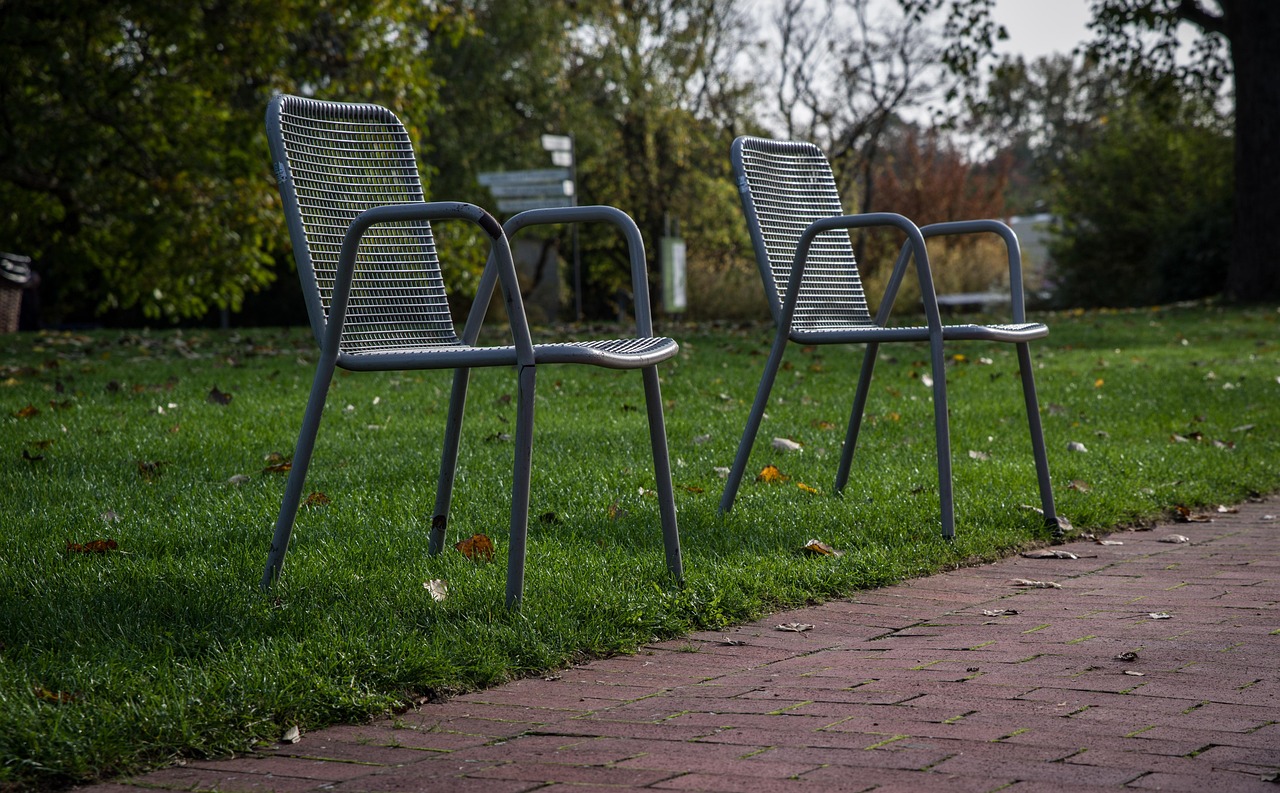
Outdoor dining chairs need upright support, stable legs, and a seat height that works with the table. Armchairs feel more substantial, but they take up more width and must slide under or around the table without hitting the apron. Armless chairs are easier to place in tight layouts and can help a small patio seat more people without looking crowded.
Lounge and club chairs
Lounge chairs are built for longer sitting, so seat depth, cushion resilience, and back angle matter more than compactness. A deep club chair can make a deck feel like an outdoor living room, but it may be awkward around a dining table or fire pit if the frame is too low, too wide, or difficult to move.
Accent, balcony, and stackable chairs
Small-space chairs have different priorities: low visual weight, easy movement, and simple storage. Folding or stackable chairs are practical where seating changes by season or guest count. For apartments and balconies, check the chair’s footprint, weight, and whether the legs could damage decking, tile, or membrane surfaces.
Compare materials by climate, not by looks alone
The same chair material can perform very differently in coastal air, dry heat, heavy rain, freeze-thaw conditions, or shaded humid gardens. Public buying guides often group outdoor furniture materials into metal, wood, synthetic wicker, polymer lumber, and molded resin. The goal is not to find one universal winner, but to match the material to the site.
| Material | Why it works | What to check before buying |
|---|---|---|
| Powder-coated aluminum | Lightweight, rust resistant, and widely used for patio chairs. | Look for smooth welds, a sound finish, and enough weight for windy spaces. |
| Steel or wrought iron | Heavy, stable, and suitable for traditional or formal designs. | Coating damage can expose the metal to rust, so scratches and joints need attention. |
| Teak and outdoor hardwoods | Warm appearance and strong outdoor design appeal; teak is valued for natural weather resistance. | Expect color change over time unless maintained; confirm sourcing and care requirements. |
| Resin wicker | Provides a woven look without relying on natural rattan outdoors. | Check whether the wicker is synthetic and whether the internal frame is aluminum rather than rust-prone metal. |
| HDPE or poly lumber | Substantial weight, low routine maintenance, and a casual outdoor look. | Confirm hardware quality, heat comfort, and whether parts are replaceable. |
| Molded resin | Affordable, light, and easy to rinse clean. | Low-grade plastic can fade, become brittle, or feel unstable; inspect thickness and UV claims. |
Aluminum is often a practical option for households that want low maintenance and easy rearrangement. It does not rust in the way untreated iron or steel can, although its coating can still scratch or chip. In exposed coastal or rainy locations, aluminum frames with durable finishes are often easier to live with than painted steel.
Steel and wrought iron can be useful where weight is an advantage, especially in windy gardens or formal patios. Their weakness is not style or strength, but corrosion risk when protective coatings fail. If a chair will sit on wet paving or be moved often, inspect the feet, welds, and underside, because these areas often show early wear.
Teak and other outdoor hardwoods appeal to buyers who want natural texture. Teak is commonly used outdoors because of its density and natural oils, but it is not maintenance-free in the aesthetic sense. Left untreated, it typically changes from a warmer brown tone to a silver-gray patina. That change is not necessarily a failure; it is a design and care decision.
For woven outdoor chairs, the word “wicker” can be confusing because it describes a weaving method rather than a single material. Natural rattan is not the same as all-weather synthetic wicker. For uncovered outdoor use, synthetic resin wicker over a stable frame is usually the more appropriate specification. The frame under the weave matters as much as the weave itself.
Comfort details that matter after the first week
A chair can look right in a showroom photo and still be uncomfortable in daily use. Comfort comes from the relationship between seat depth, back angle, arm height, cushion firmness, and the way the chair supports the body over time. For outdoor furniture chairs, comfort also depends on how well materials handle heat, moisture, and cleaning.
- Seat depth: Deeper seats feel relaxed but may not suit dining or shorter users without back cushions.
- Back angle: Upright backs work for meals and conversation; reclined backs suit lounging.
- Arm height: Arms should support the forearm without pushing the shoulders upward.
- Cushion fill: Outdoor cushions should drain and dry better than indoor cushions, especially near pools or rain exposure.
- Surface temperature: Metal, dark synthetic materials, and dense plastics can become hot in direct sun.
- Edge comfort: Check the front rail or woven edge behind the knees, particularly on sling and wicker designs.
Cushion fabric deserves careful review. Home-improvement buying guides commonly recommend weather-resistant and UV-resistant outdoor fabrics because indoor textiles are not designed for repeated sun and moisture exposure. However, “weather resistant” should not be read as “can stay wet indefinitely.” Cushions last longer when they can dry quickly and are stored during extended storms or off-season months.
Durability checks before purchase
Durability is easier to judge when the chair is turned over. The underside often reveals frame thickness, weld quality, screw placement, drainage points, and whether the material label describes the whole chair or only the visible surface. A resin wicker chair, for example, may be described by its weave, but the internal frame determines much of its structural life.
- Inspect joints and welds. Uneven welds, loose screws, or gaps at stress points are warning signs.
- Check the feet. Feet sit in water, scrape paving, and carry most of the load. Replaceable glides are useful.
- Look for drainage. Outdoor chairs should not trap water in tubes, seams, or cushion pockets.
- Test movement. A chair should not twist, wobble, or flex excessively under normal sitting pressure.
- Ask about replacement parts. Cushions, slings, glides, and hardware may wear before the frame does.
- Consider wind. Very light chairs are easy to move, but they may need storage or anchoring in exposed locations.
Weight is not automatically good or bad. Lightweight aluminum and resin chairs are convenient for flexible layouts, while heavier iron, steel, teak, or poly-lumber chairs feel more planted. The right weight depends on whether the furniture will be moved often, stored seasonally, or left in place through storms.
Care and storage through the seasons
Outdoor chairs need routine cleaning because dust, pollen, salt, sunscreen, food spills, and moisture collect on surfaces. For most materials, mild soap, water, and a soft brush or cloth are safer starting points than harsh cleaners. Always follow the manufacturer’s care instructions when available, because finishes, fabrics, and coatings vary. See also: BUILDING MATERIALS.
Metal chairs should be checked for chips or exposed areas where corrosion could begin. Wood chairs may need cleaning and, depending on the desired appearance, oiling or sealing. Synthetic wicker should be cleaned between the weave without cutting or abrading the strands. Cushions should be stood on edge to dry, and covers should allow enough airflow to avoid trapping moisture against the fabric.
Storage is part of design planning. Stackable chairs, folding chairs, and removable cushions make seasonal care easier. If there is no garage or shed, choose materials that can tolerate exposure and use breathable covers correctly. In areas with severe storms or winter freeze-thaw cycles, bringing chairs indoors or under shelter can extend service life.
After flooding, cleaning guidance associated with the U.S. Environmental Protection Agency treats porous items such as cushions differently from nonporous surfaces because contaminated water can be difficult to remove fully. In practical terms, a metal or plastic frame may be cleanable after certain events, while soaked cushions may require disposal depending on contamination and local guidance.
A simple decision framework for buyers and designers
For a design-led purchase, narrow the field in this order: use, climate, material, comfort, maintenance, and visual fit. Style still matters, but it should not hide weak specifications. A beautiful chair that needs constant care in the wrong climate will quickly become a poor fit, while a simple chair with the right frame and proportions can anchor an outdoor space for years.
| Situation | Practical chair direction |
|---|---|
| Small balcony | Compact armless, folding, or stackable chairs with modest visual weight. |
| Covered porch | Wood, wicker-style, or cushioned lounge chairs with more freedom in materials. |
| Poolside | Quick-drying sling, aluminum, resin, or poly materials with moisture-tolerant cushions. |
| Windy patio | Heavier frames, lower profiles, or chairs that can be secured or stored easily. |
| Low-maintenance household | Powder-coated aluminum, HDPE/poly lumber, or quality molded resin. |
| Natural design scheme | Teak or other outdoor hardwoods, with acceptance of maintenance and color change. |
The most useful comparison is what the chair is made of versus where it will sit. A covered porch protects cushions and wood from direct rain. A south-facing patio increases UV and heat exposure. A coastal balcony adds salt air. A shaded garden may stay damp longer after rain. Each condition changes the right answer.
Frequently asked questions
What material is a practical choice for low-maintenance outdoor chairs?
Powder-coated aluminum, HDPE or poly lumber, and quality molded resin are often practical low-maintenance choices. Aluminum is popular because it resists rust and is easy to move, while poly lumber offers more weight and a solid feel. The final choice should still account for wind, sun exposure, comfort, and budget.
Is wicker suitable for outdoor furniture chairs?
Wicker can be suitable outdoors when it is synthetic resin wicker designed for weather exposure. Natural rattan or plant-based wicker is better protected from rain and prolonged moisture. Also check the frame below the weave, because resin wicker over an aluminum frame is generally more appropriate outdoors than woven material over rust-prone metal.
Do outdoor chairs need cushions?
Not always. Sling, contoured poly, molded resin, and some wood chairs can work without cushions. Cushions improve comfort for deep seating and lounge chairs, but they add care requirements. If cushions are used, choose outdoor-rated fabrics and store or dry them properly.
Should outdoor chairs be covered?
Covers can help reduce dirt, UV exposure, and rain contact, but they should be breathable and correctly fitted. A cover that traps moisture against cushions or metal can create new problems. Clean and dry chairs before covering them for long periods.
How many chairs should a patio have?
Start with circulation, not maximum seating. Leave enough space to pull chairs out, walk behind them, and open nearby doors. A compact patio may work better with two comfortable chairs and a small table than with a crowded dining set that is difficult to use.
Outdoor furniture chairs are long-term design objects as much as seasonal accessories. The right chair fits the body, the layout, the climate, and the maintenance routine. Once those basics are clear, style choices become easier and the finished outdoor space feels more intentional.