Unique furniture design ideas that balance personality, function, and longevity

What unique furniture design means now
Unique furniture design is not simply furniture that looks strange, rare, or expensive. In a modern home, the strongest pieces pair a clear visual point of view with practical value: better storage, flexible use, repairable construction, comfortable proportions, safer materials, or a memorable material story. The aim is to make a room feel personal without forcing every chair, table, or cabinet to compete for attention.
The design conversation in 2026 supports this more balanced view. ASID’s 2026 Trends Outlook, released on January 27, 2026, frames interiors around lifestyle change, wellness, sustainability, adaptive living, technology, and economic pressure rather than surface style alone. That matters for furniture because a distinctive piece now has to justify the space, money, and materials it uses. (asid.org)
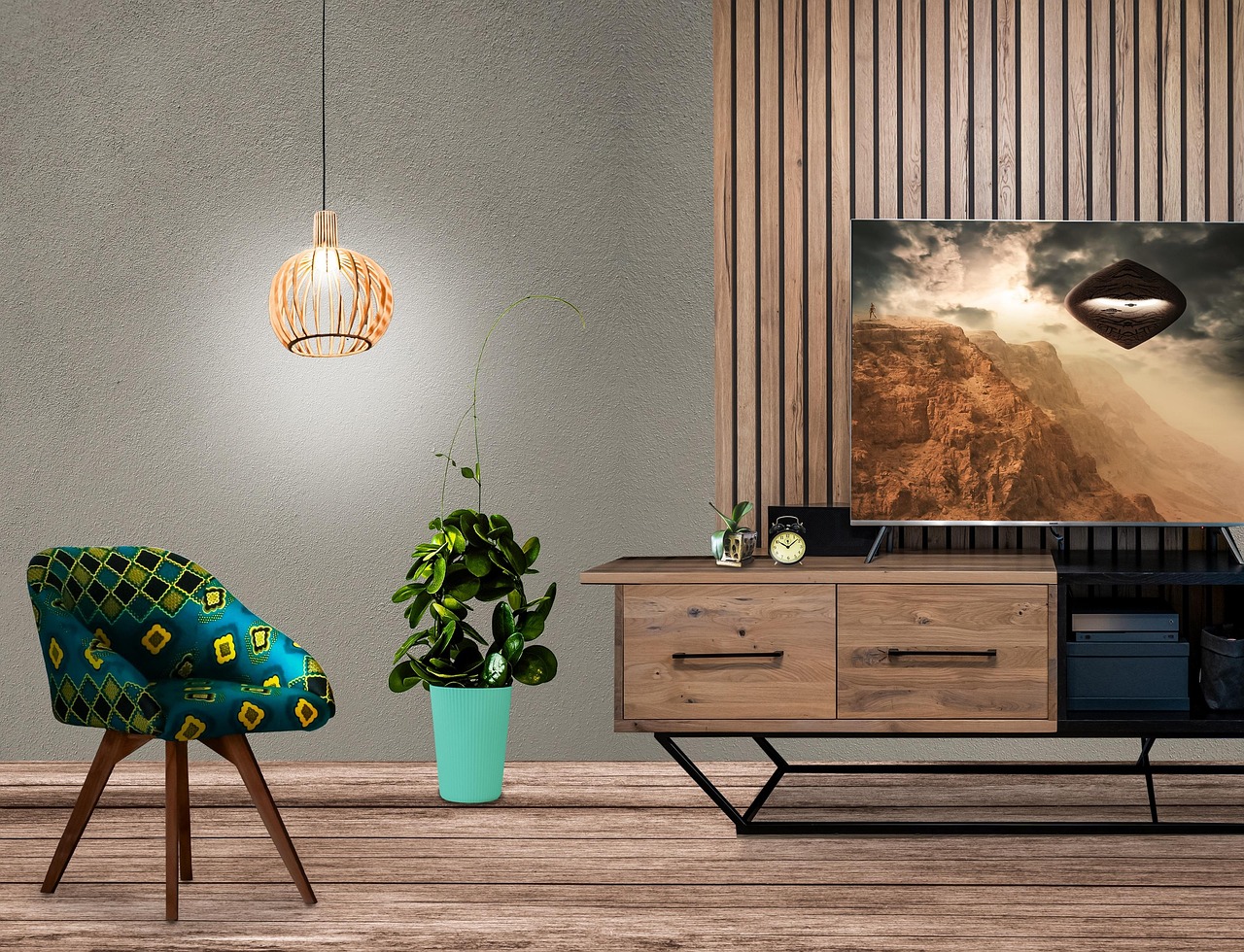
For readers following broader furniture design ideas, the useful question is not which item looks the most dramatic. It is whether a piece improves how a room works while giving the space a character that generic furniture cannot deliver.
Start with the room’s constraints before choosing a statement piece
Distinctive furniture often fails when the design process starts with the object instead of the room. A sculptural sofa, a curved dining table, or an asymmetrical shelving unit can look compelling in a showroom, but the same piece may block circulation, reduce storage, or make a compact room feel crowded. Before choosing a unique item, map the room’s fixed constraints: doors, windows, outlets, heating vents, walkways, natural light, and the main activities that happen there every day.
A practical first step is to decide which piece is allowed to be the focal point. In a living room, that may be a sofa with a low curved back, a coffee table made from mixed materials, or a media unit with textured doors. In a bedroom, it may be the headboard or dresser, not both. In a dining area, it is often better to make the table distinctive and keep the chairs visually quieter, or the reverse.
Function should be defined before style. A sideboard that looks like a gallery object but cannot hold serving pieces, cords, or table linens may lose value quickly. A lounge chair with a remarkable silhouette but poor back support becomes decorative clutter. The more unusual the form, the more important it is to check dimensions, comfort, stability, storage depth, cleaning needs, and replacement parts.
Design directions worth using, not copying
Current furniture trends point to a richer mix of personal expression, flexibility, natural texture, and circular thinking. These directions are useful because they show what buyers and designers are responding to, but they should be treated as starting points rather than rules. The best unique furniture design adapts a trend to the room, the user, and the expected lifespan of the piece.
Modular furniture with a visual identity
Modularity is one of the most practical paths to uniqueness because it changes how a piece behaves, not just how it looks. Sectional sofas, stackable stools, reconfigurable shelving, nesting tables, and expandable dining systems can support homes that shift between work, entertaining, family use, and quiet retreat. Reports from 2026 design fairs and market previews connect modularity with flexible layouts, multifunctional rooms, and distinctive form. (ahfa.us)
The key is to avoid modular pieces that look temporary or office-like unless that is the intended style. More refined options use rounded modules, hidden connectors, upholstered backs, wood trays, integrated tables, or mixed fabric sections. A modular sofa can be unique because of its configuration and material palette while still being easy to rearrange when the room changes.
Sculptural curves with usable proportions
Curves, softened edges, and organic silhouettes remain visible in residential furniture, especially in seating, coffee tables, headboards, and cabinets. Curved design can make a room feel more relaxed and less rigid, but it needs discipline. A curved sofa requires more planning than a rectangular one because it changes traffic flow and can waste corner space if the room is narrow.
Use sculptural curves where people naturally gather or pause. A rounded lounge chair can soften a reading corner. A kidney-shaped desk can make a home office feel less corporate. A curved console can ease the transition in an entryway. The piece should still provide usable seat depth, stable leg placement, and enough surface area for real objects.
Material contrast that tells a clear story
Unique furniture often comes from material pairing rather than extreme shape. Examples include a wood cabinet with woven cane panels, a stone-topped table on a powder-coated metal base, a leather-wrapped drawer front, or a simple bench with visible joinery. High Point Market’s 2026 trend material emphasized sustainability, craftsmanship, cultural significance, botanical forms, weathered surfaces, raw stone, clay, linen, and carved wood details as part of a broader design mood. (highpointmarket.org)
For homeowners and specifiers, the lesson is to choose contrast with purpose. Pair smooth with tactile, matte with reflective, heavy with light, or traditional detail with a clean silhouette. Too many contrasts in one piece can look busy. One strong material idea is usually more durable than five decorative gestures.
Integrated technology that stays quiet
Technology can support unique furniture design when it is integrated discreetly. Side tables with hidden charging, desks with cable channels, beds with built-in lighting, and media units with ventilated storage can reduce clutter. The mistake is letting gadgets define the design. Visible ports, novelty lighting, or proprietary components may date the furniture faster than the overall form.
A good technology-ready piece should still be useful if devices change. Look for removable panels, accessible cable paths, replaceable power modules, and enough ventilation for electronics. This keeps the design adaptable rather than locked to one generation of hardware.
Sustainability and safety make distinctive furniture more credible
Furniture is a material-intensive category, so longevity matters. EPA’s durable goods data show that furniture and furnishings accounted for 12.1 million tons of municipal solid waste generation in the United States in 2018, or 4.1 percent of total municipal solid waste. Although that is not a current-year figure, it remains the latest national dataset EPA identifies for this category and gives useful scale to the waste problem. (epa.gov)
That context changes how unique furniture should be judged. A distinctive piece is more responsible when it is built to stay in use: solid or well-engineered joinery, replaceable cushions, refinishable surfaces, available hardware, removable covers, and proportions that will not become unusable after one styling cycle. Furniture does not have to be plain to be sustainable, but it should be maintainable.
Material labels deserve attention, especially for composite wood. California’s Air Resources Board explains that labels such as TSCA Title VI compliant relate to formaldehyde emission standards for composite wood products, including hardwood plywood, particleboard, and MDF; CARB also notes that the U.S. EPA adopted a national regulation based on California’s program in 2017. (ww2.arb.ca.gov) See also: BUILDING MATERIALS.
Safety is equally important when a unique form affects balance or storage. In the United States, CPSC guidance states that the STURDY rule for clothing storage units applies to qualifying units manufactured after September 1, 2023, with criteria involving free-standing construction, height, mass, enclosed storage volume, and intended clothing storage. Distinctive dressers, wardrobes, and chests still need to meet stability expectations, not just aesthetic goals. (cpsc.gov)
Room-by-room ways to use unique furniture design
Not every room needs a dramatic focal point. The most successful homes often use one distinctive furniture decision per zone, then support it with quieter pieces. The table below shows practical applications that balance personality with daily performance.
| Room | Distinctive furniture idea | Why it works | What to check |
|---|---|---|---|
| Living room | Modular sofa with curved or mixed-depth sections | Creates a flexible social layout without relying on heavy decoration | Seat height, connection hardware, fabric durability, and whether each module can stand alone |
| Dining area | Oval or irregular wood table with simple chairs | Softens circulation and gives the room a crafted center | Leg placement, chair clearance, edge comfort, and finish repairability |
| Bedroom | Textured headboard or low platform bed with integrated ledges | Adds character while reducing the need for extra furniture | Mattress compatibility, cleaning, outlet access, and fabric wear |
| Entryway | Bench with concealed shoe storage and sculptural side profile | Combines first impression with practical clutter control | Weight capacity, door swing clearance, and easy-to-clean surfaces |
| Home office | Desk with rounded corners, cable channels, and display shelving | Makes work furniture feel residential rather than corporate | Work surface depth, monitor position, cable access, and lighting |
| Small apartment | Nesting tables, folding dining console, or wall-mounted storage | Allows the room to change function without major renovation | Stability when extended, mounting requirements, and storage volume |
For small spaces, unique design should earn its place through transformation. A coffee table that rises to dining height, a bench that stores blankets, or a bookcase that divides a room can provide more value than a purely decorative accent. For larger rooms, uniqueness can come from scale, craftsmanship, or material presence rather than extra features.
How to judge whether a distinctive piece will age well
The easiest way to test a unique furniture idea is to separate the permanent qualities from the fashionable ones. Permanent qualities include proportion, comfort, construction, material integrity, and how well the piece fits the room. Fashionable qualities include the color of the season, an exaggerated shape, novelty hardware, or a finish that depends on a narrow trend.
Ask five questions before buying or specifying a distinctive piece. First, would the object still be useful if the room were restyled? Second, can it be repaired, reupholstered, refinished, or reconfigured? Third, does it solve a real problem, such as storage, zoning, comfort, or clutter? Fourth, does the material make sense for the household’s wear level? Fifth, does the piece leave enough visual quiet around it?
Design fairs are increasingly presenting circular thinking as part of the design system. Salone del Mobile.Milano described its 2026 edition as using circular logic, reuse, accessibility, modular structures, and lower-impact event solutions. While an exhibition strategy is not the same as a consumer product standard, it shows how reuse and modularity have moved closer to the center of design discussion. (salonemilano.it)
That shift is useful for homeowners and specifiers. A piece does not need to be labeled sustainable to be a smart long-term choice, but it should avoid obvious dead ends: glued assemblies that cannot be repaired, delicate finishes in high-traffic rooms, hidden fasteners that cannot be accessed, and novelty shapes that compromise comfort.
A practical selection checklist
Use this checklist when comparing unique furniture design options:
- Choose one primary statement piece per room or zone.
- Measure circulation paths, door swings, and outlet access before evaluating style.
- Prioritize comfort and storage performance for pieces used every day.
- Look for materials that can be cleaned, repaired, or refinished.
- Check labels and certifications for composite wood emissions where relevant.
- For tall or heavy storage, review stability, anchoring, and applicable safety requirements.
- Avoid designs that depend on proprietary electronics unless components can be replaced.
- Use quieter surrounding pieces to make the distinctive item look intentional.
The strongest unique furniture design is memorable but not needy. It does not require the whole room to become a showroom. Instead, it gives the interior a point of view while supporting the routines that happen there every day.
Frequently asked questions
Is unique furniture design the same as custom furniture?
No. Custom furniture is made or modified for a specific client, room, or requirement. Unique furniture design can be custom, limited-production, vintage, modular, handmade, or simply distinctive in form, material, or function. The important factor is whether the design offers a clear difference from generic alternatives.
How many statement furniture pieces should one room have?
Most rooms work best with one dominant statement piece and one or two quieter supporting accents. Too many unusual pieces can make a room feel visually noisy. If several items are distinctive, connect them through a shared material, color temperature, or silhouette.
Are modular furniture pieces a good choice for long-term use?
They can be, especially when the frame, connectors, upholstery, and replacement parts are durable. Modular furniture is most valuable when a household expects layout changes, moving, entertaining, or multifunctional use. Avoid pieces that feel unstable when separated or rely on weak connection hardware.
What materials make furniture feel unique without looking trendy?
Wood with visible grain, stone, ceramic, woven fibers, leather, metal, cork, cane, and textured upholstery can all create character. The safest approach is to use one strong material feature and keep the overall proportion calm. That gives the piece personality without making it feel like a short-lived trend.
What is the biggest mistake when buying distinctive furniture?
The biggest mistake is buying for visual impact alone. A piece may photograph well but fail in daily use if it is uncomfortable, hard to clean, poorly scaled, unstable, or impossible to repair. A distinctive design should still meet the basic expectations of good furniture.