Rustic interior wall finishes for warm, durable rooms

What makes a wall finish feel rustic?
Rustic interior wall finishes are not simply rough surfaces or farmhouse cues. The most effective options combine visible texture, natural variation, practical durability, and a finish that suits the room. Limewash, clay plaster, reclaimed boards, brick veneer, stone, textured plaster, and mineral paint can all create a rustic effect, but they perform differently after installation.
A sound selection process starts with the existing substrate, moisture exposure, cleaning needs, fire and building code context, and the age of the building. In a modern home, rustic walls usually work best as a controlled contrast rather than a theme applied to every surface.
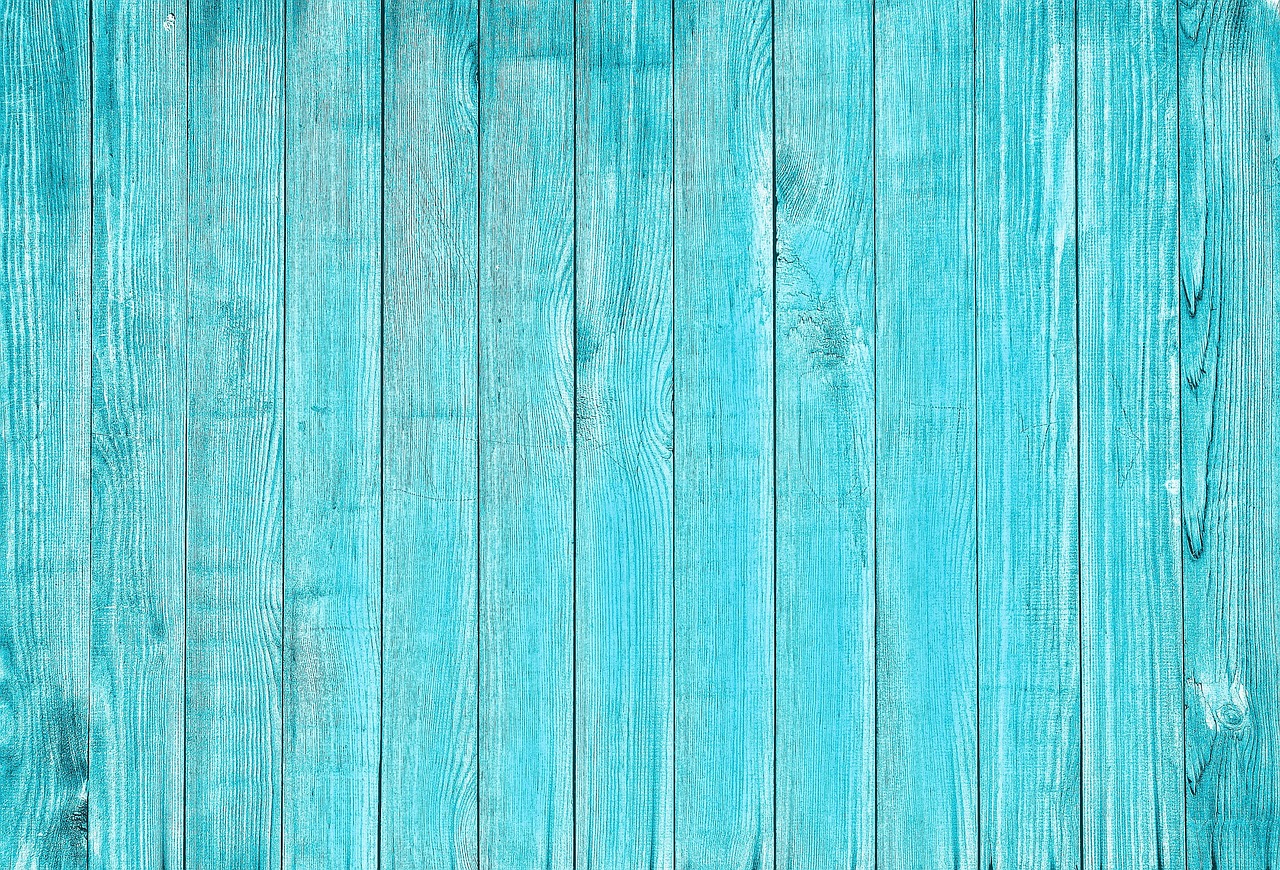
The aim is to make the wall feel aged, tactile, and grounded without making the room dark, dusty, or difficult to maintain. That balance matters because many rustic finishes are porous, textured, or made from natural materials, so they need more planning than a flat painted drywall surface.
Finish options and where they work
Limewash, clay plaster, and mineral-style coatings
Limewash is one of the most recognizable rustic wall looks. It creates cloudy movement, soft color variation, and a matte mineral surface. It suits bedrooms, living rooms, dining areas, and quiet feature walls where subtle texture matters more than impact resistance. Clay plaster and natural plasters can create a similar warm, hand-applied appearance, often with more depth and a softer visual edge than standard paint.
These finishes are useful when a room needs character but not a heavy pattern. They also pair well with timber, linen, stone, aged brass, and simple joinery. The limitation is maintenance. Porous or matte mineral finishes can mark more easily than washable paint, so installers and homeowners should confirm sealing, touch-up, and repair procedures before using them in high-traffic areas.
Reclaimed wood, shiplap, and rough boards
Wood is the most direct way to create a rustic wall, especially when grain, knots, saw marks, and weathering remain visible. Reclaimed boards can add authentic age, while new shiplap or tongue-and-groove paneling can provide a cleaner interpretation. Vertical boards can make a room feel taller, horizontal boards can make a wall feel wider, and mixed-width boards often look more relaxed than perfectly uniform panels.
The main design risk is overuse. A full room wrapped in dark wood can feel smaller and visually heavy. In many interiors, one wood wall, a wainscot-height treatment, or a framed niche provides enough texture while allowing the rest of the room to breathe. For installation, the key questions are acclimation, fastening, movement gaps, and whether the wood finish is sealed against stains and dust.
Brick, stone, and thin masonry veneer
Exposed brick and stone suggest age, mass, and permanence. In homes without existing masonry, thin veneer can create a similar impression with less depth and weight than full masonry. Brick reads warmer and more urban, while stone can feel rural, lodge-like, or Mediterranean depending on the cut, color, and joint style.
Masonry finishes need careful planning because they add texture, shadow, and installation dust. Cutting, grinding, or drilling stone, brick, concrete, and mortar can produce respirable crystalline silica dust; OSHA requires employers in construction to limit silica exposure and use protective controls under its construction standard. (osha.gov) This does not mean homeowners should avoid masonry looks, but cutting and demolition should be treated as controlled work rather than casual decoration.
Textured paint and decorative plaster
For projects with limited budget or tight build-up requirements, thin decorative plaster, textured paint, or a paint-and-glaze system can suggest aged plaster or weathered walls without adding significant thickness. These finishes are useful in rental-friendly designs, light remodels, or rooms where masonry and wood would feel too heavy. Their weakness is authenticity: if the color is too uniform or the texture repeats mechanically, the result can look artificial.
A restrained palette helps. Warm white, oatmeal, mushroom, clay, muted sage, charcoal brown, and soft terracotta usually age more gracefully than aggressive orange, gray, or distressed effects. Rustic walls should look assembled over time, not forced in a single weekend.
How to compare rustic wall finishes before choosing
The most useful comparison is not only about appearance. It is about how the finish meets the room’s actual conditions. A beautiful wall finish can fail if it is installed in the wrong moisture zone, exposed to constant abrasion, or placed where it cannot be cleaned. The table below summarizes the main practical differences.
| Finish type | Rustic effect | Good locations | Main limitation |
|---|---|---|---|
| Limewash or mineral paint | Soft movement, matte depth, aged plaster look | Bedrooms, living rooms, dining walls | May need careful touch-ups and suitable substrate preparation |
| Clay or decorative plaster | Hand-applied texture and natural variation | Feature walls, calm interiors, niches | Can be less washable unless sealed appropriately |
| Reclaimed wood boards | Visible grain, patina, warmth | Headboard walls, lounges, mudrooms, cabins | Needs acclimation, sealing, and fire/code review where required |
| Brick veneer | Urban rustic texture and shadow | Fireplace surrounds, dining spaces, loft-style rooms | Dust, grout lines, weight, and cleaning complexity |
| Stone veneer | Heavy, grounded, natural character | Entry walls, fireplaces, lodge-style spaces | Can dominate small rooms and requires careful detailing |
| Textured paint | Subtle relief at lower cost | Budget refreshes and low-impact rooms | May look flat if color and texture lack variation |
For more material ideas in related surface categories, browse the site’s interior finishes section.
Safety, code, and indoor air considerations
Lead paint in older homes
In the United States, wall finish work in homes built before 1978 requires particular caution because disturbing old painted surfaces can create lead dust. The EPA’s Renovation, Repair and Painting program applies to many renovation activities that disturb painted surfaces in pre-1978 housing and child-occupied facilities, and it identifies certification and lead-safe work practice requirements for covered contractors. (epa.gov) If a rustic finish requires sanding, scraping, demolition, panel removal, or opening old walls, testing and lead-safe procedures should be addressed before design decisions are finalized.
VOCs, odors, and ventilation
Paints, coatings, adhesives, sealers, and some finishing products can release volatile organic compounds into indoor air. The EPA notes that many paints give off VOCs and recommends steps such as selecting products intended for indoor use, ventilating during painting, and buying only the amount needed for the job. (epa.gov) The EPA also cautions that VOC labels and certification programs may not account for every compound relevant to indoor air quality, so a low-VOC label should not replace good ventilation and product-specific review. (epa.gov)
Fire performance and shared buildings
Rustic materials can change how a wall performs in a fire, especially when wood paneling, combustible decorative materials, or heavy surface treatments are used in multifamily, hospitality, retail, or corridor settings. NFPA material describes interior wall and ceiling finish classifications in terms of flame spread and smoke developed indexes, including Class A values of 0 to 25 for flame spread and 0 to 450 for smoke developed. (nfpa.org) Local code requirements depend on occupancy, location, and assembly details, so commercial and shared-building projects should verify ratings before installation.
Room-by-room selection strategy
In living rooms, rustic finishes can be more expressive because furniture, rugs, and lighting help soften the texture. Limewash behind shelving, reclaimed wood behind a sofa, or brick around a fireplace can add depth without overwhelming the entire space. If the ceiling is low, lighter mineral finishes often work better than dark horizontal wood. See also: BUILDING MATERIALS.
In bedrooms, the wall behind the bed is usually the safest place for a tactile finish. A matte limewash, clay plaster, or pale wood panel can create warmth without interfering with sleep. Strong stone or brick should be used carefully because heavy texture near pillows can collect dust and feel visually active.
In kitchens and dining areas, rustic walls need cleanability. A textured plaster or brick wall may be attractive away from cooking splashes, but smooth washable surfaces are still better near sinks, ranges, and food preparation. In bathrooms and laundry rooms, moisture tolerance matters more than appearance. Not every rustic finish belongs in a damp room, and sealers should be chosen for the specific substrate and exposure.
Entries and mudrooms can handle more rugged materials because scuffs are expected. Wood wainscoting, brick veneer, or a durable plaster with a protective coating can make practical wear look intentional. The detail to avoid is fake distressing in high-traffic zones; real patina usually looks better than painted-on aging.
Details that keep rustic walls from looking artificial
The most convincing rustic interiors use restraint. One textured wall can feel intentional; four competing wall treatments can feel themed. If wood, brick, plaster, and stone all appear in the same small room, the eye has no quiet surface to rest on. A balanced room usually combines one dominant rustic material with calmer painted or plastered walls.
Scale also matters. Large rooms can accept deeper joints, wider boards, bigger stones, and stronger color contrast. Small rooms often benefit from finer texture, narrower boards, thinner grout joints, and lighter colors. Lighting should be tested before final approval because grazing light from a window or wall washer can exaggerate trowel marks, seams, and uneven surfaces.
Transitions are another sign of quality. Rustic walls should meet baseboards, door casings, ceiling lines, outlets, and cabinetry cleanly. Rough texture does not excuse messy edges. In fact, irregular materials often need more precise trim planning because every corner and cut edge is more visible.
Maintenance and lifecycle expectations
Rustic finishes age in different ways. Wood can darken, dent, expand, contract, and collect dust in grooves. Brick and stone can shed grit or hold stains in porous joints. Limewash and matte plaster can burnish where people touch the wall frequently. These changes may be acceptable in a rustic interior, but they should be expected rather than treated as defects after installation.
Before selecting a finish, ask how it is cleaned, whether it can be spot repaired, what sealers are compatible, and whether the color can be matched later. Smooth paint is often the easiest finish to repaint, while layered mineral finishes and reclaimed materials can be more difficult to match exactly. That does not make them poor choices; it simply means they should be used where variation is welcome.
From a long-term design standpoint, the safest rustic wall finishes are those that work with the building instead of disguising it. A weathered board wall in a mountain cabin, limewash in a sunlit dining room, or brick in a loft-like space feels natural because the material supports the architecture. The least successful applications usually start with a trend image and ignore the room’s size, light, maintenance needs, and construction limits.
Frequently asked questions
Are rustic interior wall finishes only for farmhouse interiors?
No. Rustic walls can work in modern, transitional, industrial, Mediterranean, lodge, and cottage interiors. The finish determines the mood. Pale limewash can feel minimal and quiet, while reclaimed barn boards create a more obvious farmhouse reference.
What is the easiest rustic wall finish to add to an existing room?
Textured paint, mineral-style paint, or a thin decorative plaster is usually easier than masonry or wood cladding because it adds little thickness and can often be applied over prepared drywall. The existing wall still needs proper cleaning, priming, and repair.
Can rustic wall finishes be used in bathrooms?
Some can, but moisture exposure must guide the choice. A powder room may allow more options than a shower-adjacent wall. In wet zones, confirm substrate preparation, ventilation, sealing, and product suitability before installation.
Do rustic walls make a room look smaller?
They can if the finish is dark, heavily textured, or used on every wall. Light limewash, fine plaster, vertical boards, or a single feature wall can add character without visually shrinking the room.
How do I avoid a rustic finish looking fake?
Use natural variation, muted colors, and honest materials where possible. Avoid repetitive distress patterns, overly glossy sealers, and finishes that imitate age too aggressively. Clean edges and restrained placement usually make rustic walls feel more authentic.