How Can the Right Building Materials Cut Cost, Waste, and Risk?
Why Do Building Materials Decide So Much of a Project?
Choosing building materials is not only a purchasing job. It affects the budget, delivery plan, jobsite waste, indoor comfort, and how the building holds up after handover. A cheap board that swells after six months is not really cheap. A wall system may be strong, but if it keeps the crew waiting for three weeks, the whole project pays for it. Good material selection sits between cost, use, local weather, code needs, and supply.
Public data also shows why this choice matters. The United Nations Environment Programme reported in September 2023 that buildings and construction account for 37% of global emissions, with cement, steel, and aluminum listed as major material sources. This does not mean every project should stop using these materials. It means buyers and builders should use the right quantity, in the right place, with a clear reason. (unep.org)
Cost Starts Before the Purchase Order
The unit price is only the first number on the table. Freight, storage, cutting loss, breakage, installation speed, maintenance, and future replacement all change the real cost. For example, a dense exterior cladding may cost more per square foot than a lighter panel, but it may need fewer repairs in a windy coastal area. In another case, a premium finish in a back-of-house corridor may be more than the project needs. It is better to price the material by its full use on site, not only by one line on a quote sheet.
Performance Shows Up in Daily Use
Materials decide how a room feels on a hot afternoon, how a floor handles people walking all day, and how a wall deals with moisture. Concrete gives mass and strength, while timber can bring warmth and easier cutting or machining. Gypsum board keeps interior work fast and flexible. Mineral wool, fiberglass, foam boards, and cellulose all control heat in their own ways. None of these is the best choice everywhere. The practical question is this: what does this part of the building need to do for the next 10, 20, or 50 years?
Risk Comes From Bad Matching
Many material failures do not look serious at the start. They often come from small mismatches that cost money later, such as indoor flooring near exterior doors, untreated wood in wet zones, heavy tiles fixed to weak substrates, or metal fasteners that react with treated lumber. One small detail can turn into a callback, and callbacks are never cheap. You reduce risk by matching materials with climate, load, fire rating, moisture exposure, and cleaning habits. A warehouse, a hotel lobby, and a family kitchen should not be specified from the same shopping list.
Which Building Materials Should You Compare First?
Start with the costly and risky categories. A project can usually handle a paint color change. It cannot easily recover from the wrong structural system, weak waterproofing, or insulation that misses the code target. Before talking about style, compare the materials that carry load, keep water out, control heat, and take daily wear.
Structure Comes First
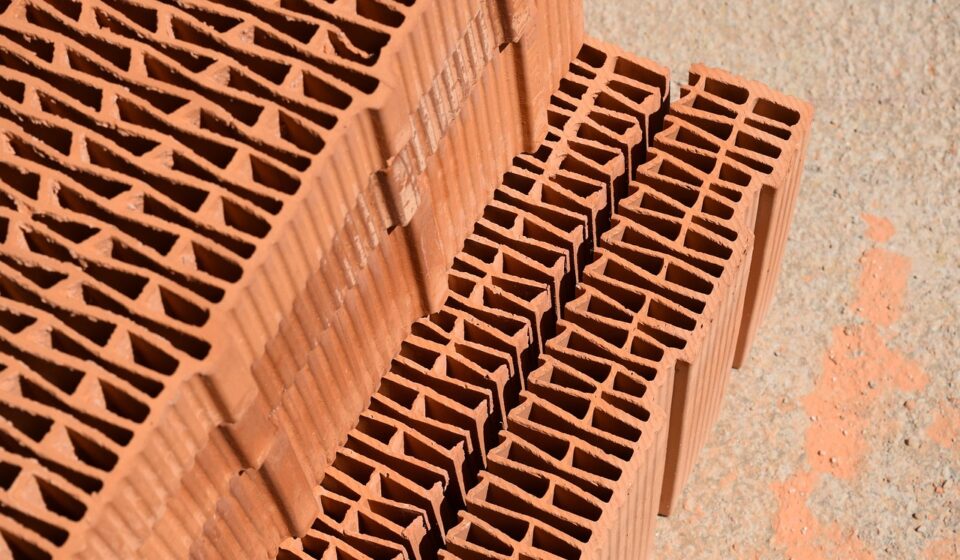
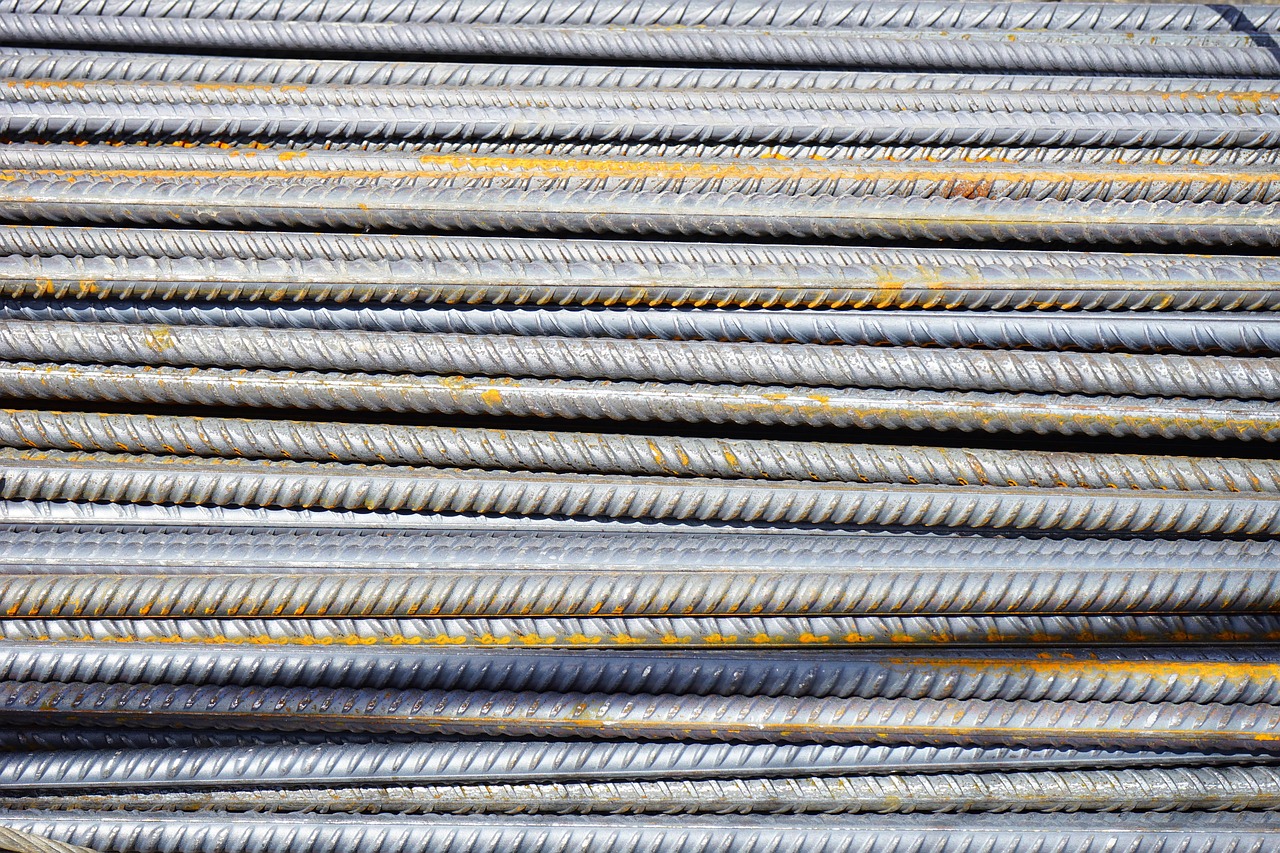
Structural materials include concrete, steel, engineered wood, masonry, and in some regions, light-gauge metal framing. Concrete is widely used for foundations, slabs, columns, and fire-resistant assemblies. Steel is useful for long spans and quick erection, but corrosion protection still needs attention. Engineered wood, such as LVL, glulam, and CLT, can be a good option where codes, supply, and fire design allow it. Masonry gives compression strength and long service life, but labor skill and schedule must be checked early.
Envelope Materials Protect the Asset
The envelope is the building’s outer jacket: roofing, cladding, sheathing, flashing, windows, doors, sealants, air barriers, and vapor control layers. Many real jobsite leaks start in this part of the building. A good-looking tile or panel means little if the flashing behind it is wrong. In rainy regions, drainage space and tested sealants matter. In hot sunny areas, roof reflectance and UV resistance become more important. In cold climates, condensation control is a key point, even if nobody mentions it at the showroom counter.
Interior Finishes Carry Heavy Wear
Interior materials include drywall, flooring, ceiling systems, doors, trim, cabinets, panels, adhesives, coatings, and hardware. Their value depends on how the space is used every day. A school corridor needs impact resistance, while a rental apartment needs finishes that are easy to repair. A high-end showroom needs clean edges, steady color, and a surface that looks good in photos. Do not choose finishes only from a small sample. Large areas look different under jobsite lighting, and glossy surfaces show small waves in the wall. A plain sample board can save you from a very visible mistake.
How Can You Balance Price and Long-Term Value?
Price pressure is normal, especially in trade projects where customers compare quotes fast. Still, the lowest bid may hide cost that appears later. A better way is to separate must-have performance from nice-to-have appearance, then compare total installed cost. That means labor, accessories, waste, cleaning, warranty terms, and replacement cycles all need to be counted.
Total Installed Cost Beats Unit Price
A material with a lower unit price may need more fasteners, more cutting, more skilled labor, or extra surface preparation. A flooring product may look affordable until the substrate needs leveling compound. A roof panel may look expensive at first, but it can reduce installation days. Ask suppliers for system pricing, not only product pricing. Include trims, tapes, membranes, primers, screws, clips, underlayments, and shipping. If a quote leaves out the small parts, the project will find them later, usually when the site is already under pressure.
Maintenance Cost Changes the Real Number
Some materials need regular sealing, coating, sanding, repainting, or careful cleaning. Others can take more rough use with less attention. Natural stone can look good, but porous stone in a busy food area may need more care than a dense porcelain tile. Wood siding can age well, yet it still needs coating cycles. Metal roofing can last a long time, but scratches and cut edges should be treated. Match maintenance needs with the owner’s real habits. A building that will not be maintained should not depend on delicate materials.
Price Tracking Helps Purchasing Timing
Material prices move, so buyers should not rely only on memory or guesswork. Official tracking can help show the wider market direction. The U.S. Census Bureau publishes construction price indexes for single-family houses under construction and houses sold, based on its Survey of Construction. For large purchasing programs, this type of public index is useful background. It still does not replace current supplier quotes in your city or export lane. (census.gov)
- Request quotes with the same thickness, grade, finish, and packaging terms.
- Separate material cost from freight, duty, storage, and local handling.
- Check whether substitutions change labor time or warranty coverage.
- Hold a small contingency for breakage, site changes, and late design edits.
What Role Do Codes, Climate, and Certification Play?
A material is only a sound choice if it can be used legally and safely where the building is located. Export projects need more care because one country’s common product may fail another country’s fire, structural, formaldehyde, VOC, wind-load, or seismic requirement. Climate also changes the answer. A wall build-up that works in a dry inland city may trap moisture near a humid coast.
Local Codes Set the Floor
Building codes are the minimum requirement, not the highest target. They cover items such as fire resistance, structural loads, energy performance, accessibility, and safe egress. For materials, you may need test reports, product approvals, fire ratings, safety data sheets, or labeling. Ask for these documents early. Finding a missing report on inspection day is not a small issue. In export work, keep documents in a clear folder with product name, model, batch, test standard, and issuing body.
Climate Decides the Weak Point
Moisture is often the problem that appears slowly. In humid regions, mold-resistant boards, rainscreen gaps, proper sealants, and breathable assemblies may matter more than a high-priced surface. In freeze-thaw climates, exterior masonry and concrete need the right absorption and air-entrainment properties. In high-UV areas, plastics, coatings, and sealants need proven weathering. Near salt air, fasteners, railings, and metal panels need stronger corrosion resistance. The same building material can be a good choice in one city and a bad choice in another.
Certificates Need Context
Certifications can help, but labels do not solve everything. A green label, fire test, or low-VOC claim should match the exact product, thickness, adhesive, and installation method. If a supplier changes the core material or coating, the old report may no longer apply. For wood, check species, grade, treatment, moisture content, and chain-of-custody if required. For panels, confirm emission class and edge sealing. For insulation, confirm R-value, flame spread rules, and whether the product can be left exposed.
How Can Better Material Choices Cut Waste?
Waste is not only an environmental issue. It is paid material that gets hauled away. It also uses time, space, labor, and sometimes disposal fees. The U.S. Environmental Protection Agency estimated that the United States generated 600 million tons of construction and demolition debris in 2018, more than twice the amount of municipal solid waste generated that year. That number gives a simple lesson: waste planning should start before the dumpsters are full. (epa.gov)
Design Sizes Reduce Offcuts
Standard module planning can cut waste quickly. If wall panels, plywood, gypsum boards, ceiling grids, tiles, and insulation batts match room dimensions, the crew makes fewer cuts. Fewer cuts usually mean less waste and faster work. A 4-foot module may sound old-fashioned, but it still helps on many jobs. Custom shapes have their place, especially in retail or hospitality. Just do not let every corner become a custom corner unless the project really pays for it.
Durability Keeps Materials Out of Landfills
A durable product that stays in use often beats a fragile product that needs early replacement. This is where abrasion rating, impact resistance, water resistance, UV stability, and repair method matter. The EPA also tracks next-use pathways for C&D debris, such as aggregate, manufactured products, fuel, mulch, and landfill. That shows recycling routes exist for some materials. Even so, the cleaner win is still buying less waste and keeping good materials in service longer. (epa.gov)
Takeoff Accuracy Stops Overbuying
Good takeoff work may feel boring, but that is exactly why it is useful. Measure twice, check openings, count accessories, and confirm packaging quantities. For tile, flooring, panels, and stone, waste factors often change with pattern and room shape. A straight lay may need less extra material than a diagonal layout. Large-format panels may need special racks and more careful handling. A few extra boxes are safer than a shortage, but heavy overbuying locks up cash and storage space.
What Should You Ask Suppliers Before You Buy?
A supplier conversation should go beyond price and delivery date. Good suppliers help you avoid mistakes before materials leave the factory. Ask about test data, tolerances, packaging, lead time, substitutions, installation details, and after-sales support. If the answer is vague, slow down. A material that cannot be explained clearly may not be ready for a serious project.
Ask for Proof, Not Just Claims
Request technical data sheets, safety data sheets, test reports, installation guides, warranty documents, and project references when needed. For structural products, ask about grade and applicable standards. For waterproofing, ask for system details, not just one membrane name. For coatings, ask about coverage rate, drying time, surface preparation, and VOC information. Short documents can still be useful if they are specific and current. Old or unclear paperwork should be checked before an order is placed.
Check Lead Time and Batch Control
Delivery risk can damage a schedule quickly. Confirm production time, transit time, port handling, customs documents, and backup stock. For visible materials, batch control is important. Tiles, stone, wood veneer, bricks, and metal panels can vary in shade. Order enough from the same batch when color consistency matters. If a project will be phased, keep attic stock or written batch rules. Nobody wants to match a discontinued beige six months later.
Clarify Installation Responsibility
Many disputes start because installation rules were not clear. The manufacturer may require a certain adhesive, fastener spacing, primer, joint width, expansion gap, or curing time. If the installer ignores these rules, warranty support may disappear. Get the instructions before purchase and share them with the crew. Also ask whether training videos, mock-up reviews, or on-site guidance are available. A simple mock-up can show color, joint, and fixing problems before the full order is installed.
FAQ
Q1: What Are the Most Common Building Materials? A: The most common building materials include concrete, steel, wood, masonry, glass, gypsum board, insulation, roofing products, panels, flooring, adhesives, sealants, and coatings. The right mix depends on structure, climate, code, budget, and expected use.
Q2: How Do You Choose Building Materials for an Export Project? A: Start with the destination market’s codes and climate. Then confirm test reports, labeling, packaging, moisture protection, freight method, customs documents, and replacement availability. Do not approve a product only from photos or a small sample.
Q3: Are Sustainable Building Materials Always More Expensive? A: Not always. Some cost more upfront, while others save money through lower waste, better durability, local sourcing, or easier maintenance. UNEP’s 2023 report points to three broad paths: avoid unnecessary material use, shift where suitable, and improve conventional materials. (unep.org)
Q4: Which Building Materials Usually Create the Most Waste? A: Waste depends on project type, demolition work, and local recovery systems. EPA data shows concrete, asphalt concrete, wood products, drywall, asphalt shingles, brick, clay tile, and steel appear in U.S. C&D debris tracking. You can reduce waste through better takeoffs, standard sizes, and reuse planning.
Q5: How Often Should Material Specifications Be Reviewed? A: Review them at concept design, before bidding, before purchase, and before installation. Also review them when codes change, suppliers change factories, or the site condition differs from the drawing. A quick review can prevent a costly correction.