Building materials in 2026 and how cost, codes and carbon affect selection
Why building materials selection feels different in 2026
Choosing building materials in 2026 is no longer a simple comparison of unit price, appearance and availability. On most projects, the better question is whether a material can meet local code requirements, stay within a realistic budget, arrive when the schedule needs it and provide documentation for performance or environmental claims. Recent U.S. market data points to uneven price movement rather than broad stability. In July 2026, the U.S. Bureau of Labor Statistics reported that final demand construction prices rose 2.2% for the month, while the National Association of Home Builders reported that residential building materials excluding energy were up 5% from a year earlier.
For homeowners, contractors, designers and purchasing teams, the lowest bid is not always the lowest-risk choice. A product with a slightly higher purchase price may reduce installation labor, improve energy performance, simplify inspections or avoid early replacement. A cheaper substitute can be reasonable when it is code-compliant and available, but it can quickly lose that advantage if it delays the schedule or forces redesign. A practical material review should cover four areas: price movement, code performance, supply reliability and documented impact.
Price signals to watch before choosing materials
Published price indexes do not predict the exact quote a supplier will issue for a specific project. They do show where pressure is building. The U.S. Bureau of Labor Statistics Producer Price Index for July 2026 showed lumber up 5.0% for the month, steel mill products up 3.9% and diesel fuel down 6.7%. That combination matters because lower fuel readings may soften transportation costs for a period, even while core material categories continue to rise.
Trade groups read the same market conditions from slightly different angles. Associated Builders and Contractors reported on August 13, 2026 that overall construction input prices were 7.4% higher than one year earlier, while nonresidential input prices were 7.2% higher. NAHB reported on August 18, 2026 that softwood lumber rose 7.4% in July and 17.3% year over year, while ready-mix concrete fell 0.4% for the month and was only 2.2% higher than a year earlier. The main point for buyers is that material risk is category-specific, not uniform across the whole job.
| Material or indicator | Recent signal reported in 2026 | Practical meaning |
|---|---|---|
| Softwood lumber | NAHB reported a 17.3% year-over-year increase in July 2026 | Frame packages may need earlier pricing and allowance review |
| Steel mill products | BLS reported a 3.9% monthly increase in July 2026 | Metal framing, structural steel and related products may carry escalation risk |
| Ready-mix concrete | NAHB reported a 2.2% year-over-year increase in July 2026 | Regional plant capacity and delivery distance may matter more than national averages |
| Energy and fuel | BLS reported diesel fuel down for July 2026, while other energy categories remained uneven | Short-term freight relief may not remove broader material inflation |
A useful budgeting habit is to separate volatile commodities from more predictable products. Lumber, steel, copper-containing products, fuel-sensitive deliveries and imported components usually deserve shorter quote-validity periods. Items with long production windows, such as custom windows, specialty doors, façade systems and certain engineered assemblies, should be tied to confirmed lead times rather than general schedule assumptions.
Codes and performance now shape material choices
Building codes are one of the strongest filters for material selection. In the United States, the International Energy Conservation Code and ASHRAE 90.1 are widely used model energy codes, although adoption varies by state and local jurisdiction. The 2024 International Codes are available, but that does not mean every city or county is enforcing the latest edition. Before ordering insulation, windows, exterior doors, sheathing, fire-rated assemblies or moisture-control products, project teams should confirm the code edition and local amendments that apply to the permit.
Energy codes affect more than insulation thickness. They influence window U-factors, solar heat gain requirements, air sealing details, roof and wall assemblies, slab insulation and mechanical coordination. A wall product that looks economical on a material schedule may create problems if extra layers are needed to meet the required R-value or if the product complicates air barrier continuity. High-performance windows may cost more upfront, but they can help the overall envelope meet code and reduce heating or cooling loads.
Fire resistance, acoustic separation, moisture durability and structural performance also remain essential. Gypsum board, cement board, mineral wool, treated wood, fire-rated glass and sealants should be selected as parts of tested assemblies, not as isolated products. Substituting one component in a rated wall or floor system can affect compliance even when the replacement appears similar. The safer approach is to check listed assemblies, manufacturer documentation and local inspector expectations before procurement.
Embodied carbon is moving from concept to procurement
Embodied carbon refers to greenhouse gas emissions associated with producing, transporting, installing, maintaining and eventually disposing of building products. The U.S. Department of Energy has described embodied carbon as a growing issue for buildings because operational energy has become more efficient while material-related emissions remain significant. The U.S. Environmental Protection Agency has also expanded resources for lower-carbon construction materials, including Environmental Product Declarations, product category rules and life-cycle assessment tools.
For everyday buyers, the most practical term to understand is EPD, or Environmental Product Declaration. An EPD does not automatically mean a product is low-carbon. It is a standardized disclosure that helps compare the global warming potential and other environmental indicators of products within an appropriate category. Comparisons should be made carefully: concrete should be compared with similar concrete mixes, insulation with similar insulation types and flooring with products serving the same function.
Low-carbon procurement is especially relevant for concrete, cement, asphalt, glass, steel, insulation and structural wood products. Still, carbon should not be treated as a single-factor decision. A low-carbon product still has to meet durability, fire, moisture, structural and warranty requirements. Long service life can be an environmental advantage if it prevents premature replacement. Local availability can also matter because transportation distance and schedule reliability affect both emissions and cost.
Material categories and the practical trade-offs
Lumber and engineered wood
Wood framing remains common in residential and light commercial construction because it is familiar, workable and supported by mature supply chains. In 2026, however, lumber price movement has again become a budgeting concern. Buyers should clarify grade, treatment, moisture content, engineered wood substitutions and delivery timing. Engineered wood products can improve dimensional stability and design efficiency, but they still require correct spans, fastening details and moisture protection during storage and construction.
Concrete, cement and masonry
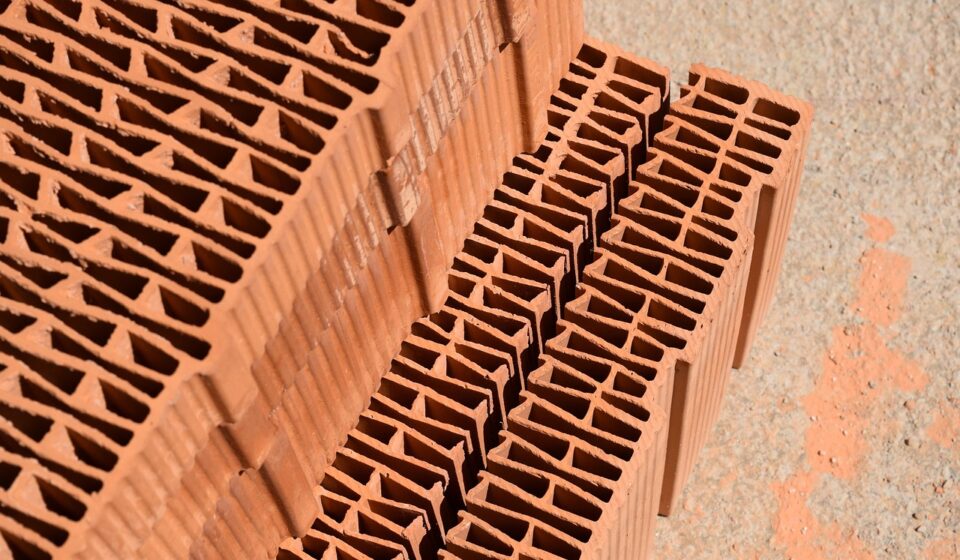
Concrete and masonry are valued for compressive strength, fire resistance, thermal mass and durability. Ready-mix concrete price increases have been more moderate than lumber in recent NAHB reporting, but local conditions can still dominate because concrete is heavy and time-sensitive. For lower-carbon concrete, teams may evaluate mixes using supplementary cementitious materials, verified EPDs and performance-based specifications. The key is to avoid approving a mix solely on environmental claims without checking strength gain, curing needs, finish requirements and schedule impacts. See also: BUYER GUIDES.
Steel and other metals
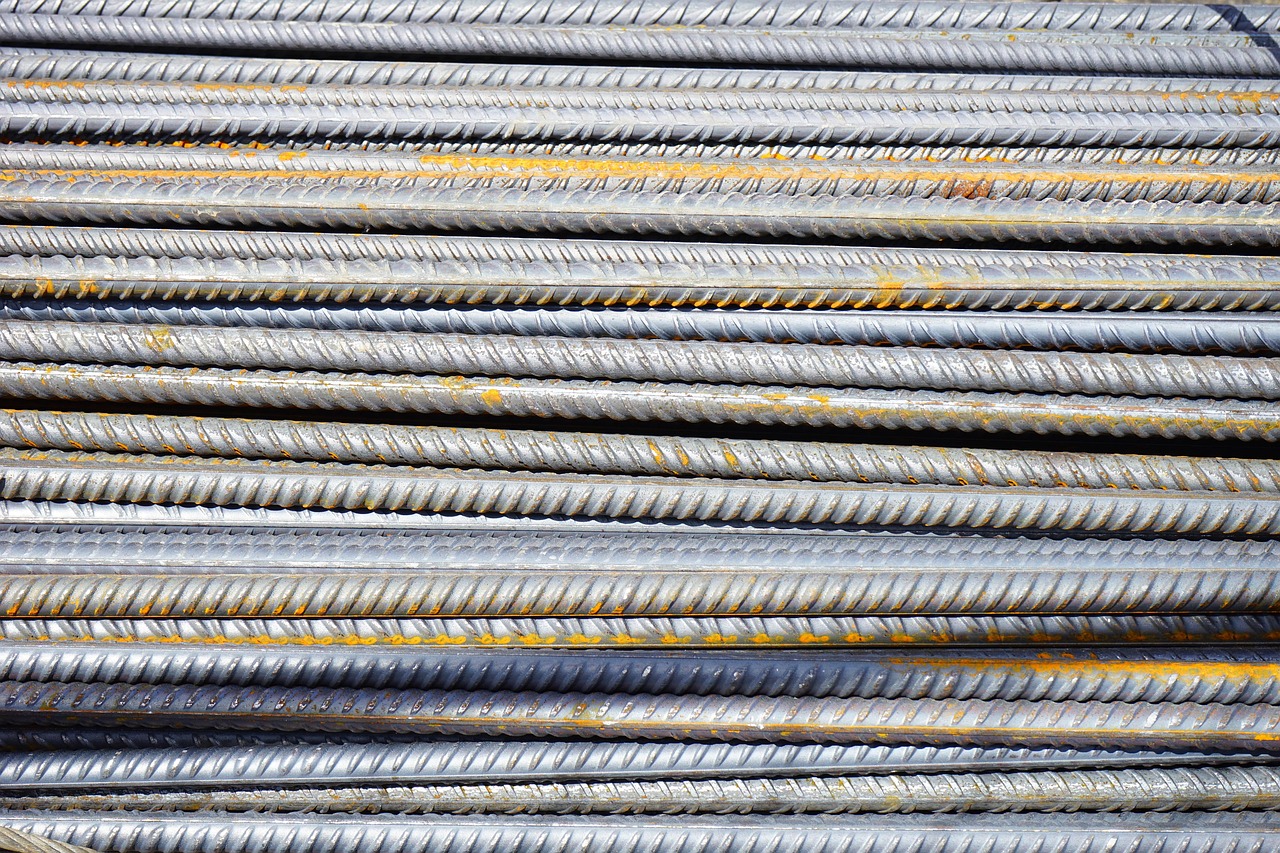
Steel is used in structural frames, studs, fasteners, roofing, decking, doors, reinforcing bar and connectors. Recent BLS and contractor-association data show upward pressure in steel-related categories, so escalation clauses and early purchasing may be appropriate for metal-heavy projects. Recycled content and EPDs can support sustainability goals, but coating, corrosion resistance, fireproofing and compatibility with adjacent materials remain equally important.
Insulation, air barriers and fenestration
Insulation, air barriers, windows and doors determine much of the building envelope performance. The right choice depends on climate zone, assembly design, vapor control, fire classification and installation quality. A high R-value product can underperform if gaps, compression or moisture problems occur. Window and door selection should consider U-factor, solar heat gain, air leakage, water resistance, hardware durability and local code requirements.
Interior boards, panels and finishes
Drywall, backer board, flooring, ceiling systems and interior panels affect fire ratings, acoustics, indoor air quality and maintenance. In wet areas, moisture-resistant products and correct detailing matter more than appearance alone. For schools, multifamily buildings, hospitality spaces and healthcare environments, acoustic and fire-rated assemblies should be verified before substitutions are approved.
A procurement checklist for builders, remodelers and buyers
The most resilient material decisions combine estimating discipline with technical review. Use this checklist before locking a specification or purchase order:
- Confirm the local code edition, amendments and inspection requirements before selecting envelope, fire-rated or structural materials.
- Request current quotes with expiration dates for lumber, steel, copper-containing products, windows and imported items.
- Separate material cost, freight, tax, waste factor, accessories and installation labor in the estimate.
- Check lead times for custom, imported, color-specific or specialty performance products.
- Verify that substitutions match tested assemblies, manufacturer instructions and warranty conditions.
- Ask for EPDs when embodied carbon is part of the project goal, but compare products only within the correct category.
- Plan storage and moisture protection for wood, gypsum, insulation, panels and finish materials.
- Keep a written approval trail for substitutions, especially on permitted or inspected work.
The best building materials are not always the newest or most expensive products. They are the materials that fit the project conditions with the least hidden risk. In 2026, that means balancing price, compliance, documentation, installation quality and long-term performance.
Frequently asked questions
What are the most important building materials to monitor for price changes in 2026?
Lumber, steel, copper-containing products, fuel-sensitive deliveries, windows and specialty assemblies deserve close monitoring. July 2026 market data showed stronger movement in lumber and steel than in ready-mix concrete, so buyers should avoid assuming that all material categories are rising at the same pace.
Are low-carbon building materials always better?
Not automatically. A lower-carbon product is valuable only if it also meets structural, fire, moisture, durability, code and installation requirements. EPDs can support comparison, but they should be used alongside technical performance data and project-specific conditions.
How do energy codes affect material selection?
Energy codes influence insulation levels, window performance, air sealing, roof and wall assemblies, and sometimes equipment coordination. Because code adoption varies locally, buyers should confirm the enforced edition before ordering materials that affect the building envelope.
Should homeowners buy materials early to avoid price increases?
Early purchasing can help for volatile or long-lead items, but it is not always the right answer. Storage space, damage risk, theft risk, warranty timing and design changes should be considered. Early buying works best when specifications are final and the supplier can confirm delivery, storage and return terms.