Care & maintenance guide for furniture and building materials

Why care & maintenance should start with the material
Effective care & maintenance is less about aggressive cleaning and more about matching the method to the surface. Wood reacts to moisture. Stone can be damaged by acids. Upholstery holds soil below the surface. Metal hardware needs different protection than painted panels or laminate. A good routine limits the dirt, water, heat, sunlight, and chemical residue that shorten the service life of furniture and building materials.
For homeowners, renters, designers, property managers, and facility teams, the most reliable approach is straightforward: clean before disinfecting, use the mildest product that works, dry surfaces after wet cleaning, and inspect vulnerable areas before small issues turn into repairs. This guide focuses on practical, material-aware maintenance rather than one-size-fits-all advice. For more upkeep topics, visit the care and maintenance section.
The difference between cleaning, sanitizing, and disinfecting
Many surface problems start with using the wrong level of treatment. Guidance from the CDC and EPA distinguishes cleaning, sanitizing, and disinfecting because each process serves a different purpose. Cleaning removes soil, dust, grease, and many germs from a surface. Sanitizing reduces certain bacteria to levels identified by product testing. Disinfecting uses registered chemicals to kill viruses and bacteria on hard, nonporous surfaces when label directions are followed.
For everyday furniture and finishes, cleaning is usually the first and most important step. Disinfectants should not be used as general-purpose cleaners on every material, especially on wood finishes, natural stone, soft fabrics, leather, or coated surfaces that can cloud, dry out, or peel. If disinfection is necessary, the surface should normally be cleaned first and then treated with a product labeled for that surface type.
- Clean first: Dust, crumbs, oils, and visible soil can interfere with disinfectant performance and may scratch surfaces during wiping.
- Read the label: Contact time, dilution, ventilation, and surface compatibility all matter.
- Avoid mixing products: Combining bleach, ammonia, acids, or strong solvents can create health and material risks.
- Dry after wet cleaning: Standing moisture is a common cause of swelling, staining, corrosion, and finish failure.
A practical maintenance schedule for homes and light commercial spaces
A useful schedule does not need to be complicated. The goal is to separate frequent light care from periodic inspection and deeper maintenance. High-touch pieces such as dining tables, cabinet pulls, desks, stair rails, and entry surfaces need more attention than decorative shelving or low-use guest furniture.
| Frequency | Maintenance tasks | Why it matters |
|---|---|---|
| Daily or after use | Wipe spills, remove food residue, dry wet counters, clean high-touch handles as needed | Prevents staining, sticky buildup, microbial growth, and water damage |
| Weekly | Dust wood, vacuum upholstery, mop hard flooring with the right cleaner, clean glass and metal touch points | Reduces abrasive particles and helps finishes avoid a dull, worn appearance |
| Monthly | Inspect caulk lines, furniture feet, hinges, drawer slides, grout, stone seal performance, and outdoor hardware | Finds early signs of leaks, movement, corrosion, and wear |
| Seasonally | Adjust indoor humidity, rotate cushions and rugs, clean vents near furniture, wash outdoor pieces, check drainage around exterior materials | Helps control moisture, UV exposure, dust flow, and weathering |
| Annually | Review finish condition, reseal materials if needed, tighten fasteners, deep clean textiles according to care labels | Supports longer service life without unnecessary aggressive cleaning |
Adjust the schedule for climate, pets, children, cooking habits, indoor air quality, and how often the space is used. A coastal home, a rental property, and a quiet reading room do not need the same maintenance rhythm.
Material-by-material care guidance
Wood furniture, cabinets, and millwork
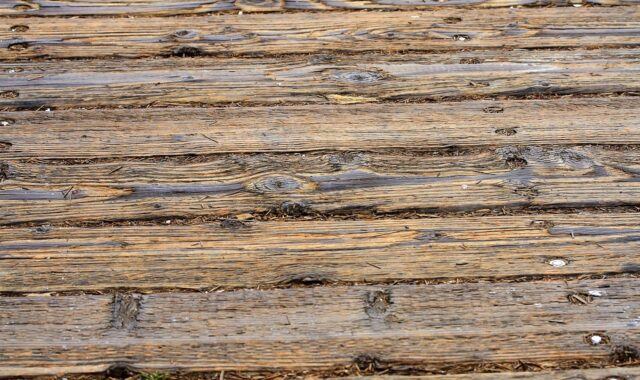
Wood is sensitive to moisture changes because it exchanges moisture with the surrounding air. The USDA Forest Products Laboratory describes wood movement as closely linked to relative humidity, temperature, and moisture content. In practical terms, wood furniture and cabinetry can expand, contract, cup, crack, or develop finish problems when indoor conditions swing sharply.
Use a soft cloth or microfiber duster for routine care. For lightly soiled finished wood, use a damp cloth followed by a dry cloth rather than soaking the surface. Do not leave cups, planters, humidifiers, or wet cleaning pads directly on wood. Place mats under hot dishes and use felt pads under lamps, accessories, and electronics.
Use polishes and oils carefully. Some products leave a silicone or waxy film that can make future refinishing more difficult. If the piece has a manufacturer care label, follow it. If not, test any product in a hidden area and avoid strong alkaline cleaners, abrasive pads, and excessive water.
Upholstery, rugs, and soft furnishings
Soft materials trap dust, skin oils, pet hair, food particles, and moisture more deeply than hard surfaces. Vacuuming with the correct attachment is usually the safest routine step. Rotating cushions and changing sitting positions helps reduce uneven compression and fading.
For stains, blot rather than rub. Rubbing can drive soil deeper, distort fibers, or create a larger visible mark. Cleaning codes on upholstery labels are important because some fabrics tolerate water-based cleaning, while others require solvent-based methods or professional cleaning. Steam cleaning may be useful for some textiles, but it can damage fabrics, adhesives, padding, or dyes if compatibility is not checked first.
Leather and coated leather
Leather needs dust removal, gentle cleaning, and protection from drying conditions. Keep leather furniture away from intense sunlight, heating vents, and damp walls. Use a barely damp cloth for routine wiping and a leather-compatible cleaner when needed. Household detergents, alcohol, bleach, and harsh degreasers can strip finishes or cause discoloration.
Conditioners are not automatically necessary for every leather surface, especially coated or protected leather. Over-conditioning can leave a sticky residue. When in doubt, use the care guidance supplied with the furniture or test in a concealed location before treating visible panels.
Natural stone, engineered stone, and tile
Stone and tile are often treated as if they are indestructible, but they can fail in specific ways. Marble, limestone, and travertine can etch when exposed to acidic substances such as vinegar, citrus juice, or some bathroom cleaners. Granite is generally more acid-resistant, but sealers, grout, and adjacent materials still need care. Engineered stone can also be sensitive to heat, harsh chemicals, and abrasive scrubbing depending on its resin content and finish.
Use a pH-neutral cleaner for routine stone care and wipe spills quickly. Avoid abrasive powders, metal scouring pads, and acidic cleaners unless the product is specifically labeled for that material. Clean grout lines gently and inspect them for cracks, missing sections, or dark staining that may indicate trapped moisture.
Laminate, painted surfaces, and composite panels
Laminate, painted cabinetry, and composite panels are common because they are practical and cost-efficient, but their edges and seams are vulnerable. Water that enters unsealed edges can cause swelling, bubbling, or delamination. Clean these surfaces with mild detergent and water, then dry them. Avoid abrasive pads that dull gloss finishes or leave permanent scratch patterns.
Pay close attention around sinks, dishwashers, laundry areas, and bathroom vanities. If an edge band, caulk line, or coating begins to lift, repair it promptly instead of repeatedly wet-cleaning the damaged area.
Metal, glass, and hardware
Metal legs, pulls, hinges, tracks, and fasteners often fail because of residue and moisture rather than age alone. Fingerprints and salts can mark finishes, while water trapped around hardware can encourage corrosion. Wipe metal parts dry after cleaning nearby surfaces. For stainless steel, clean with the grain where visible and avoid chlorine bleach unless a product is specifically approved for that application.
Clean glass with non-abrasive cloths. Overspray from glass cleaner can damage wood, stone, or metal finishes around mirrors, cabinet doors, and table frames, so spray the cloth instead of the surface when materials meet at an edge.
Outdoor furniture and exterior materials
Outdoor pieces face UV exposure, rain, pollution, freeze-thaw cycles, and biological growth. The right routine depends on the material. Powder-coated metal should be washed with mild soap and checked for chips. Teak and other exterior woods may weather to gray unless maintained with compatible oils or finishes. Wicker, rope, and synthetic mesh should be cleaned gently so dirt does not abrade the fibers.
Drainage is as important as cleaning. Keep furniture feet out of standing water, remove wet cushions, clear debris from deck gaps, and avoid covering damp furniture tightly for long periods. Covers help only when they allow ventilation and do not trap moisture against the surface. See also: BUILDING MATERIALS.
Moisture, heat, sunlight, and abrasion are the main damage drivers
Most maintenance problems can be traced to four forces: moisture, heat, sunlight, and abrasion. Moisture swells wood, stains textiles, weakens adhesives, feeds mold growth, and corrodes metal. Heat can soften coatings, dry leather, open joints, and damage engineered surfaces. Sunlight fades fabrics, yellows some finishes, and ages plastics. Abrasion from dust, grit, shoes, pets, and rough cleaning pads slowly dulls surfaces.
Controlling these forces is more effective than relying on occasional deep cleaning. Use entry mats to reduce grit. Put coasters and trivets where people actually need them. Add curtains, shades, or UV-reducing films where fading is severe. Keep planters on waterproof trays. Maintain ventilation in bathrooms, kitchens, laundry rooms, and basements. Move furniture slightly away from damp exterior walls when condensation is a concern.
Humidity control deserves special attention. Extremely dry interiors can shrink wood and leather, while high humidity can encourage swelling and mildew. Rather than chasing a single perfect number, aim for stable indoor conditions appropriate for the building, season, and occupants.
How to choose safer cleaning products
The safest cleaner is not always the strongest one. EPA consumer guidance notes that vague claims such as “green” or “eco-friendly” should be interpreted carefully, while recognized labeling programs and clear ingredient information can help buyers compare options. For furniture and building materials, surface compatibility is just as important as the environmental claim.
Before buying or using a cleaner, check five points:
- Surface fit: Confirm that the cleaner is intended for wood, stone, fabric, glass, metal, laminate, or the specific finish involved.
- Soil type: Dust, grease, mineral scale, soap scum, and biological residue may need different solutions.
- Dilution: More concentrated is not automatically better and can leave residue or damage coatings.
- Contact time: Disinfectants work as intended only when the treated surface stays wet for the labeled time.
- Rinse and dry requirements: Some cleaners must be rinsed, while many materials should be dried promptly.
Keep cleaning products in their original containers and do not transfer chemicals into unmarked spray bottles. Store them away from children, pets, heat, and direct sunlight. In mixed-material areas, such as a stone vanity with metal fixtures and painted cabinetry, choose the method that protects the most sensitive surface.
Common maintenance mistakes to avoid
Many repairs are caused by well-intentioned cleaning habits. The following mistakes are especially common in homes, offices, rentals, and showrooms:
- Using vinegar on everything: Vinegar can damage marble, limestone, grout, some metals, and certain finishes.
- Over-wetting floors and panels: Excess water can enter seams, edges, and joints.
- Scrubbing with abrasive pads: Scratches can permanently dull clear coats, metal finishes, glass, and laminate.
- Ignoring small leaks: A slow drip under a sink can damage cabinets, flooring, wallboard, and hardware.
- Leaving outdoor cushions damp: Trapped moisture can lead to odor, staining, and mildew.
- Applying polish to dirty surfaces: Dust and grit can become trapped under residue and create a dull film.
- Disinfecting delicate materials unnecessarily: Strong chemicals can shorten the life of finishes when ordinary cleaning would be enough.
Fire safety also belongs in a maintenance routine. NFPA dryer safety materials identify lint removal as a key prevention step. Cleaning the lint filter before or after use and keeping the area around laundry equipment clear are simple habits that protect both appliances and nearby cabinetry or finishes.
When cleaning is not enough
Maintenance should also help identify when a surface needs repair, refinishing, replacement, or professional assessment. Cleaning cannot solve every problem. Swollen cabinet panels, loose stair parts, cracked stone, persistent mold odor, deep upholstery staining, rusted fasteners, and failing exterior coatings may require more than routine care.
Use caution with hidden moisture. If flooring feels soft, paint bubbles, grout repeatedly darkens, or furniture smells musty after drying, there may be a leak or ventilation issue behind the visible surface. In that situation, repeated surface cleaning only delays the real repair.
For valuable furniture, antiques, specialty stone, large upholstered pieces, or structural building materials, professional evaluation may be the lower-risk choice. The wrong cleaner or sanding method can reduce value, void warranties, or create a repair that is more expensive than the original problem.
Frequently asked questions
How often should furniture be cleaned?
Dust hard furniture weekly in normal use and wipe spills immediately. Upholstery should be vacuumed regularly, with deeper cleaning based on the fabric label, household use, pets, and visible soil. High-touch surfaces may need more frequent cleaning than decorative pieces.
Can the same cleaner be used on wood, stone, and laminate?
Usually no. These materials respond differently to moisture, pH, solvents, and abrasion. A mild cleaner may be safe for laminate but unsuitable for natural stone or finished wood. Always check the label and test in a hidden area when compatibility is uncertain.
Is disinfecting necessary for everyday maintenance?
Not always. Routine cleaning with an appropriate cleaner is often enough for normal household surfaces. Disinfection is more relevant after illness, contamination, or in high-risk settings, and it should be done with a product labeled for the surface.
What is the most important maintenance habit?
Fast spill response is one of the most valuable habits. Water, oil, alcohol, acidic liquids, and dyes become harder to remove the longer they sit. Blot, clean gently, and dry the surface instead of waiting for a scheduled deep clean.
How can building materials last longer with less effort?
Prevent damage rather than relying on aggressive cleaning. Control moisture, reduce grit at entrances, protect surfaces from heat and UV exposure, tighten loose hardware early, and use cleaners that match the material. Small, regular actions usually outperform occasional heavy scrubbing.
Key takeaway
Care & maintenance works best when it is specific, routine, and restrained. Clean first, disinfect only when needed, use products that match the surface, and prevent moisture, heat, sunlight, and abrasion from doing avoidable damage. With a clear schedule and material-aware habits, furniture and building materials can stay safer, cleaner, and better looking with fewer repairs.