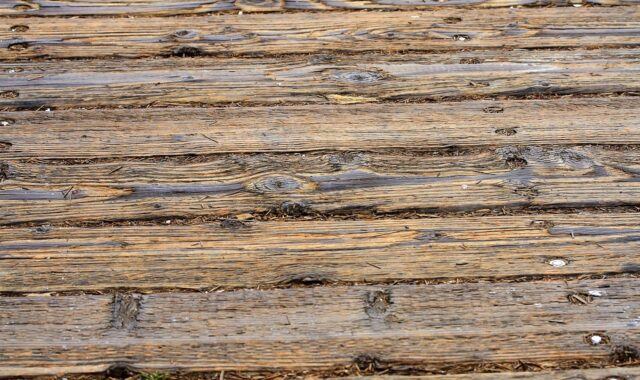
Flooring maintenance guide for wood, vinyl, tile and carpet

Why flooring maintenance is mostly about prevention
Effective flooring maintenance starts with matching the cleaning method to the material. Most avoidable floor damage comes from three sources: abrasive grit, excess moisture and cleaning products that are too harsh for the surface. Standing water or steam can harm wood floors, carpet can trap soil deep in traffic lanes, and grout may stain long before the tile surface shows visible wear.
The practical approach is simple: stop dirt at the entrance, clean spills quickly, use manufacturer-approved cleaners and adjust the routine for pets, children, weather and foot traffic. This guide compares care steps for hardwood, engineered wood, laminate, vinyl, tile and carpet so homeowners and property managers can maintain floors with fewer product and moisture-related mistakes.
For more home care topics, visit the Care & Maintenance section.
The floor care rules that apply to almost every material
Each flooring category has its own limits, but several maintenance habits apply across most homes and light commercial interiors.
- Use walk-off mats at exterior doors. Grit acts like sandpaper under shoes and furniture. A mat outside the door and a washable mat inside the door reduce tracked-in soil before it reaches the finished floor.
- Remove dry soil before wet cleaning. Sweeping, dust mopping or vacuuming first keeps damp soil from turning into a film or paste.
- Clean spills immediately. Water, pet accidents, cooking oil, wine and plant runoff can stain or seep into seams if left in place.
- Use the least aggressive cleaner that works. Strong solvents, abrasive powders, ammonia, bleach and acidic cleaners may dull finishes, discolor grout or damage protective wear layers.
- Control indoor moisture. The U.S. Environmental Protection Agency advises keeping indoor relative humidity below 60 percent, ideally between 30 and 50 percent, to reduce mold risk. Moisture control also helps limit movement in wood-based flooring.
- Protect against furniture damage. Felt pads, wide glides and chair mats help prevent dents, scratches and finish wear under tables, sofas and rolling chairs.
A light, consistent routine usually prevents the need for aggressive cleaning later.
Maintenance by flooring type
Hardwood and engineered wood
Wood floors respond best to gentle, mostly dry maintenance. The National Wood Flooring Association recommends routine sweeping, dust mopping or vacuuming with a bare-floor setting to remove dust and dirt. Spills should be cleaned promptly with a dry or slightly damp cloth. Wet mops and steam mops are not recommended for wood because water and steam can damage the finish and the wood over time.
Use a cleaner designed for the specific floor finish, not a generic all-purpose product. Oil soaps, waxes, silicone-based polishes and harsh detergents can create residue or interfere with future recoating. If the finish type is unknown, test a small hidden area or ask a flooring professional before applying a new product across the room.
Humidity is also part of wood floor care. Industry homeowner guidance commonly recommends a stable indoor range around 30 to 50 percent relative humidity for wood floors. Seasonal gaps during dry months or cupping during humid periods can indicate that the room environment needs attention.
Laminate flooring
Laminate is designed to resist everyday wear, but its core is usually sensitive to moisture. Dry dust mopping and vacuuming are the safest routine steps. For damp cleaning, use a well-wrung microfiber mop and avoid flooding the surface. Standing water near edges, transitions or damaged seams can cause swelling.
Steam cleaners are risky unless the flooring manufacturer specifically permits them for that product. Avoid abrasive pads, waxes and shine-restoring products that can leave streaks or make the surface slippery. If a board edge is lifting or swollen, maintenance alone will not fix the problem; the moisture source should be identified first.
Luxury vinyl plank, sheet vinyl and other resilient floors
Vinyl and resilient floors are popular partly because they tolerate routine cleaning better than many wood-based surfaces. They are not, however, maintenance-free. Remove grit with a soft broom, dust mop or vacuum without an aggressive beater bar. Damp mop with a neutral cleaner recommended by the manufacturer, then rinse only if the cleaner instructions call for it.
Do not assume waterproof means damage-proof. Water may not harm the vinyl face, but it can enter perimeter gaps, affect the subfloor or cause problems at poorly sealed transitions. Rubber-backed rugs, harsh solvents and abrasive scrubbers can also discolor or dull some resilient surfaces. Use breathable mats approved for vinyl and place protective pads under furniture legs.
Ceramic, porcelain and natural stone tile
Porcelain and ceramic tile are among the most durable floor finishes, but grout lines often need more attention than the tile itself. Sweep or vacuum before mopping so grit does not collect in grout joints. For routine cleaning, a neutral cleaner is usually safer than acidic or highly alkaline products.
Cement-based grout may need sealing depending on the grout type and manufacturer recommendation. Epoxy and some premixed grouts may have different care requirements. Natural stone requires extra caution because acidic cleaners can etch marble, limestone and travertine. If the floor is stone rather than ceramic or porcelain, choose a cleaner labeled safe for that stone type.
Carpet and area rugs
Carpet maintenance is built around soil removal. The Carpet and Rug Institute emphasizes frequent vacuuming in heavy traffic environments because dry soil works down into the pile and accelerates visible wear. In homes, high-traffic paths, stairs, entries and pet areas should be vacuumed more often than guest rooms or low-use spaces.
Blot spills instead of scrubbing them aggressively. Scrubbing can distort fibers and spread the stain. Use spot cleaners that match the fiber and backing, and avoid over-wetting because slow drying can create odor or mold concerns. Periodic professional cleaning may be needed to remove embedded soil, especially where warranties require documented care.
A practical maintenance schedule
The right schedule depends on traffic, climate and material. A quiet bedroom with laminate does not need the same care as a kitchen with vinyl, a mudroom with tile or a living room carpet used by pets. The table below gives a practical starting point. See also: BUILDING MATERIALS.
| Frequency | Recommended tasks | Why it matters |
|---|---|---|
| Daily or as needed | Wipe spills, pick up grit near doors, clean pet accidents promptly | Prevents staining, moisture entry and abrasive wear |
| Weekly | Vacuum or dust mop main rooms; damp mop hard floors only when needed | Removes dry soil before it scratches or becomes residue |
| Monthly | Inspect mats, furniture pads, chair areas, grout lines and high-traffic carpet paths | Catches wear patterns before they become permanent |
| Seasonally | Check indoor humidity, exterior door mats, sunlight exposure and floor gaps | Helps manage moisture movement, fading and tracked-in debris |
| Annually or as recommended | Review manufacturer care instructions, schedule carpet cleaning if needed, assess wood recoating needs | Extends service life and supports warranty compliance |
For busy households, cleaning high-risk zones frequently and lightly is usually better than cleaning the whole house aggressively once in a while.
Common flooring maintenance mistakes to avoid
Many floor problems come from well-intentioned cleaning. The wrong method may make a floor look clean for a day while shortening its useful life.
- Using too much water. Excess water can enter seams, grout cracks, wood grain or subfloor edges. Damp is usually safer than wet.
- Relying on steam for every surface. Steam may loosen soil, but it can also force heat and moisture into wood, laminate seams and some adhesive systems.
- Mixing cleaners. Combining products can damage finishes and may create unsafe fumes. Use one product according to its label.
- Using vinegar as a universal cleaner. Vinegar is acidic. It may dull some finishes and can etch calcium-based natural stone.
- Ignoring the vacuum setting. A rotating brush that is helpful on carpet may scratch some hard floors. Use the bare-floor setting when appropriate.
- Waiting too long to replace pads and mats. Worn felt pads can collect grit, and old rubber-backed mats can discolor some flooring surfaces.
If a cleaning product promises shine, restoration or deep stripping, read the label carefully. Many floors have factory-applied finishes or wear layers that should not be coated with random polish.
How to adjust care for moisture, pets and heavy traffic
Moisture-prone rooms
Kitchens, bathrooms, laundry rooms, basements and entries need faster spill response and better ventilation. Watch for recurring condensation, soft spots, musty odor or darkened seams. These signs may indicate a moisture source that cleaning cannot solve. Where moisture is persistent, the EPA cautions that mold prevention depends on controlling water and humidity, not simply cleaning visible surfaces.
Homes with pets
Pet nails, accidents and tracked-in soil change the maintenance plan. Keep nails trimmed, place washable mats near doors and feeding areas, and clean accidents promptly with a product compatible with the flooring material. On carpet, enzyme cleaners may help with odor, but they should be tested first and used according to the label to avoid residue.
High-traffic and rolling-load areas
Traffic lanes near entrances, kitchen sinks, desks and sofas wear faster because soil and repeated movement concentrate in the same path. Use area rugs or runners where the flooring manufacturer allows them. Under office chairs, use a chair mat designed for the floor type. Rolling loads can damage click-lock seams, dent resilient flooring or crush carpet pile if the load is too concentrated.
When maintenance is not enough
Regular cleaning can preserve a floor, but it cannot correct every failure. Buckling wood, swollen laminate edges, loose vinyl, cracked tile, hollow-sounding areas, persistent carpet odor or recurring mold-like staining should be investigated rather than repeatedly cleaned.
In these cases, the cause may be subfloor movement, plumbing leakage, poor ventilation, installation issues, adhesive failure or incompatible cleaning chemistry. Document the problem with dates and photos, stop any cleaning method that seems to make it worse, and check the product warranty or care guide. If the floor is newer, warranty coverage may depend on following the manufacturer’s written maintenance instructions.
Frequently asked questions
How often should floors be cleaned?
Most homes benefit from weekly dust removal and immediate spill cleanup. High-traffic areas, kitchens, entries, pet zones and carpeted stairs may need attention several times per week. Damp mopping should be done only as needed and only with a method suitable for the floor type.
Can I use a steam mop on all hard floors?
No. Steam is not suitable for every hard floor. Wood and many laminate floors are especially vulnerable to heat and moisture. Some tile or resilient products may allow steam cleaning, but only the manufacturer’s instructions for that exact product should be treated as authoritative.
Is vinegar safe for flooring maintenance?
Vinegar should not be treated as a universal floor cleaner. Because it is acidic, it can dull some finishes and damage natural stone such as marble or limestone. A neutral cleaner recommended for the material is usually a safer routine choice.
What is the biggest cause of premature floor wear?
Abrasive soil is one of the biggest everyday causes. Dirt and grit under shoes, chairs and rugs can scratch finishes, wear carpet fibers and dull resilient flooring. Good mats, frequent dry cleaning and furniture protection are simple ways to reduce that wear.
Do waterproof floors still need careful maintenance?
Yes. Waterproof flooring may resist surface water, but seams, edges, transitions, adhesives and subfloors can still be affected by moisture. Clean spills promptly and avoid leaving standing water on any floor longer than necessary.