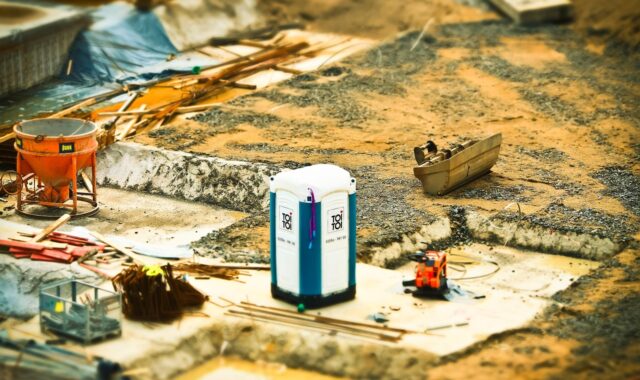
Surplus building materials guide for lower-waste construction
What surplus building materials are and why they matter
Surplus building materials are usable construction products left over from manufacturing, distribution, cancelled orders, design changes, overbuying, renovation, or deconstruction. They can include unopened boxes of tile, extra lumber, doors, windows, cabinets, fixtures, pavers, insulation, roofing accessories, and architectural salvage. The value is practical: these materials can keep usable products out of the waste stream while helping projects manage cost pressure. The limit is just as important. Surplus does not automatically mean suitable. Before use, buyers need to verify condition, quantity, documentation, code acceptance, and safety. For more building material topics, visit the Building Materials section.
The opportunity is significant because construction and demolition material is one of the largest waste streams in the United States. The U.S. Environmental Protection Agency’s 2018 materials data estimated about 600 million tons of construction and demolition debris in the U.S., more than twice the amount of municipal solid waste generated that year. Those figures do not mean every material can be reused, but they show why source reduction, reuse, and tighter purchasing discipline matter.
Surplus, reclaimed and recycled materials are not the same
These terms are often grouped together, but they describe different material histories. Knowing the difference helps contractors, remodelers, and homeowners set realistic expectations before buying.
| Material type | Typical source | Common examples | Main concern |
|---|---|---|---|
| Surplus materials | Unused or excess inventory | Tile, flooring, fasteners, fixtures, cabinets, insulation | Quantity, storage history, and matching future replacements |
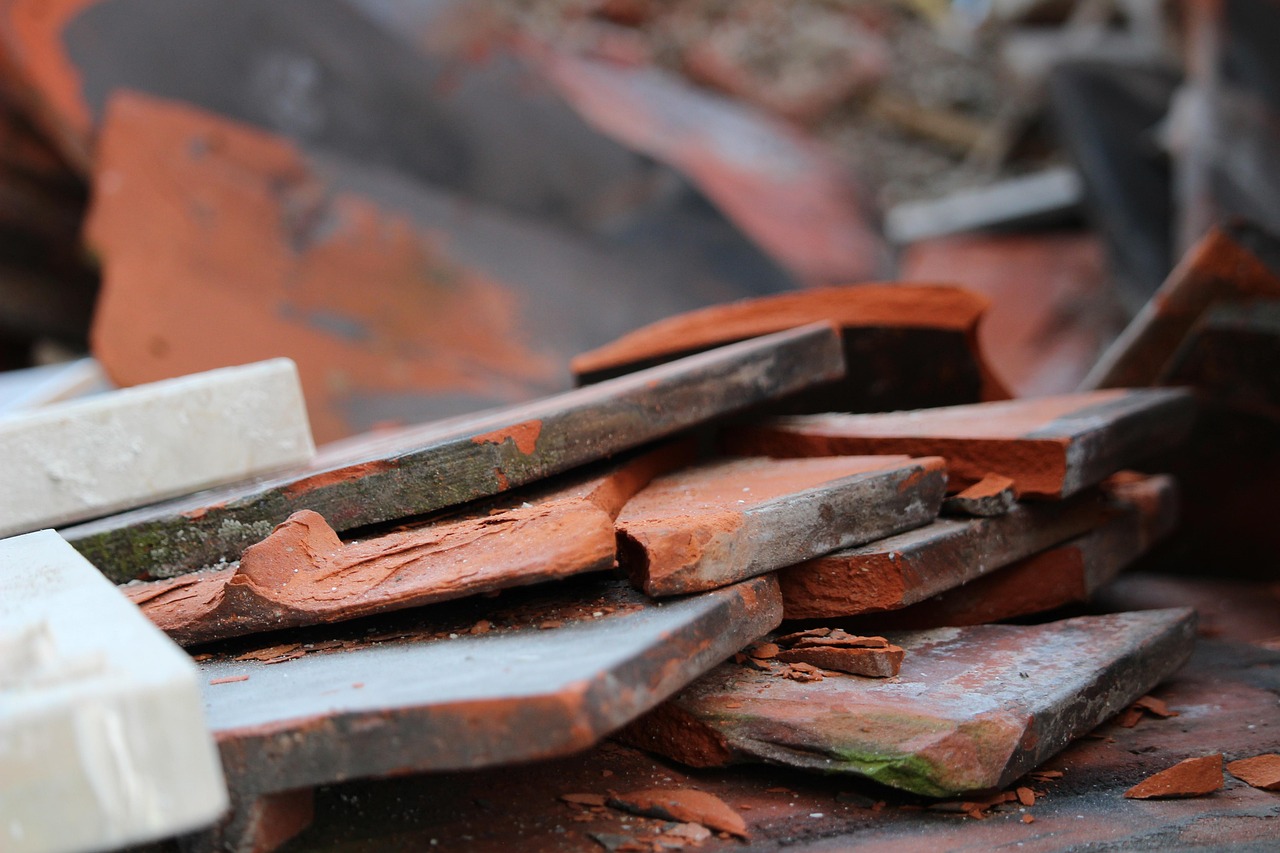
| Reclaimed materials | Removed from an existing building | Brick, timber, doors, hardware, stone, millwork | Condition, contaminants, and structural suitability |
| Recycled-content materials | Manufactured with recovered feedstock | Recycled steel, glass aggregate, composite decking, gypsum products | Product certification, performance claims, and standards compliance |
Surplus materials are often easier to use than reclaimed materials because they may be unused, packaged, and identifiable. Even so, they can lose value if they were stored in wet conditions, separated from installation instructions, missing labels, or bought in a quantity too small for the intended scope. Reclaimed materials may have strong design appeal and environmental value, but they require closer inspection because they have already been installed and exposed to real building conditions.
Where surplus materials work best
The safest applications are usually non-structural, easy to inspect, and not dependent on hidden performance characteristics. Decorative and finish materials are often better candidates than products that carry life-safety, structural, electrical, fire-resistance, or moisture-control requirements.
- Good candidates: tile, stone, pavers, decorative brick, interior doors, cabinet pulls, vanities, shelving, trim, baseboards, mirrors, and some new-in-box plumbing fixtures.
- Conditional candidates: lumber, windows, doors, insulation, roofing accessories, and cabinets, where dimensions, grading, exposure, labels, and compatibility must be checked.
- High-risk candidates: used electrical equipment, life-safety devices, fire-rated assemblies, structural connectors, pressure vessels, gas appliances, and products without required listings or labels.
Project type also matters. A small powder room can tolerate a limited lot of discontinued tile more easily than a large hotel corridor. A garden wall may be a better fit for reclaimed brick than a load-bearing masonry assembly. A custom accent wall can use mixed material sizes, while a code-inspected exterior wall system usually needs documented performance and consistent components.
The benefits are real, but they need context
Surplus building materials can offer three practical benefits: waste reduction, cost control, and faster access to certain products. The strongest environmental benefit comes from avoiding the purchase of newly manufactured material when a suitable unused product already exists. This aligns with the EPA’s sustainable materials management hierarchy, which places source reduction and reuse above recycling because they can prevent waste before it requires processing.
Cost savings can also be meaningful, especially for finishes, small lots, and projects with design flexibility. The purchase price, however, is only part of the calculation. Storage, sorting, pickup, delivery, breakage, missing pieces, installation delays, and extra labor can erase an apparent bargain. A pallet of discounted tile is not cheap if the dye lot is inconsistent or the quantity falls short after cuts and waste.
Availability is another advantage. Surplus suppliers may have materials that are no longer stocked through normal distribution. That can help with repairs, historic properties, rental turnover, or design features. The same factor creates a limitation: if more material is needed later, matching it may be difficult. Buyers should purchase enough overage at the beginning and document manufacturer names, dimensions, colors, model numbers, and lot information whenever available.
Code, safety and documentation checks come before price
Building codes generally do not reject a material simply because it is used or surplus, but they do require it to be suitable for the intended use. The International Building Code model language has long allowed used materials when they meet the requirements for new materials, while used equipment and devices typically require approval by the building official. Local adoption and amendments vary, so the practical rule is straightforward: check with the authority having jurisdiction before relying on surplus materials in inspected work.
Documentation is especially important for products that depend on listing, labeling, or manufacturer instructions. Electrical equipment, fire-rated doors, smoke dampers, structural hardware, engineered wood, insulation, and glazing may need visible labels or approval records. If the label is missing, damaged, or separated from the product, the material may be difficult or impossible to approve for its original intended use.
Older reclaimed products require additional caution. The EPA’s lead-safe renovation requirements apply to many renovation, repair, and painting activities that disturb painted surfaces in pre-1978 housing and child-occupied facilities. Asbestos rules can also affect demolition and renovation work, particularly in older buildings and regulated facilities. These rules are not reasons to avoid all reuse; they are reasons to inspect, test where appropriate, and avoid salvaging materials that could expose workers or occupants to hazards.
How to evaluate a surplus lot before buying
A disciplined inspection process prevents many common mistakes. The goal is not to make every surplus material perfect. It is to match the material to a use where its condition and documentation are adequate.
- Confirm the intended use. Decide whether the material will be decorative, functional, structural, weather-exposed, fire-rated, or part of a regulated system.
- Count the usable quantity. Include waste factors, breakage, cuts, attic stock, and future repairs. Do not rely on the seller’s headline quantity without checking.
- Inspect storage history. Look for water staining, mold, swelling, rust, UV damage, warped boards, broken packaging, or missing parts.
- Check identity and labels. Record manufacturer, model, grade stamp, listing mark, production date, color, dye lot, and installation instructions if available.
- Compare dimensions. Measure thickness, width, length, profile, rough opening, connection points, and tolerances. Older or imported products may not match current stock.
- Screen for restricted uses. Be careful with materials that may involve lead paint, asbestos, old wiring, obsolete plumbing components, or missing fire ratings.
- Ask about returns. Many surplus purchases are final sale. The risk should be priced into the decision.
Photos, receipts, and a simple inventory sheet are worth the time. They help installers plan the work, help owners remember what was installed, and support later discussions with inspectors, insurers, appraisers, or donation recipients.
A practical workflow for lower-waste projects
The most reliable way to use surplus building materials is to plan for them early rather than treating them as last-minute substitutions. Early planning gives the designer or contractor room to adjust dimensions, choose flexible finishes, and separate materials that require code approval from materials that are mainly aesthetic. See also: BUYER GUIDES.
For homeowners
Start with finishes and fixtures rather than hidden systems. A bathroom mirror, vanity, tile accent, shelving unit, or set of cabinet handles can deliver savings with limited code complexity. Avoid buying used electrical devices, old painted trim, or unknown insulation unless a qualified professional has reviewed the material and the intended use.
For contractors
Create a material acceptance checklist and use it consistently. Identify which categories are acceptable without approval, which require documentation, and which are excluded. For inspected work, discuss surplus or reclaimed materials with the building official before installation, not after the wall is closed or the finish is complete.
For suppliers and reuse centers
The most useful listings provide dimensions, quantities, condition notes, photos, manufacturer information, and limitations. Separating new surplus from reclaimed materials helps buyers evaluate risk. Clear labeling also reduces disputes because buyers can see whether a product is unopened, open-box, removed from a building, or incomplete.
Donation can be another outlet for usable excess materials, but tax treatment should be handled carefully. IRS guidance for donated property focuses on fair market value, records, and appraisal rules for certain higher-value donations. Owners should keep documentation and consult a tax professional when the deduction is material to the project economics.
What this means for building material decisions
Surplus building materials are not only a bargain option. They are part of a broader shift toward circular construction, where usable products are kept in service longer and demolition waste is reduced. The approach works best when buyers combine flexibility with discipline: use surplus where it fits, verify safety where it matters, and avoid forcing undocumented materials into applications that require tested performance.
The most useful mindset is selective reuse. A project does not need to be built entirely from surplus inventory to reduce waste. Even a few well-chosen material substitutions can lower disposal, reduce demand for new products, and add character to a space. The strongest results come when the material, the design, and the approval path are considered together.
Frequently asked questions
Are surplus building materials always used?
No. Many surplus materials are unused products left over from over-ordering, cancelled projects, distributor closeouts, or packaging changes. Others may be open-box or reclaimed. The source and condition should be verified before purchase.
Can surplus materials be used in permitted construction?
Often yes, but suitability depends on the material, local code requirements, and the intended application. Products that affect structure, fire safety, electrical safety, energy performance, or weather resistance usually need stronger documentation and may require approval by the local building official.
What surplus materials are safest for DIY projects?
Decorative and finish items are usually the safest starting point: tile, shelving, trim, cabinet hardware, mirrors, vanities, and pavers. Avoid unknown electrical equipment, old painted components, and materials from older buildings unless hazards have been evaluated.
How much extra material should be bought?
It depends on the product and layout, but surplus purchases usually need more caution because matching stock may not be available later. Buyers should include installation waste, breakage, and attic stock for future repairs before assuming the lot is large enough.
Is recycling the same as reuse?
No. Reuse keeps a product or component in service with minimal processing, while recycling turns recovered material into feedstock for another product. Both can reduce waste, but reuse often preserves more of the original material value when it is safe and practical.