Modern home interior finishes that balance warmth, durability and indoor air quality
What modern interior finishes need to do now
Modern home interior finishes are no longer just the final decorative layer in a renovation. They affect comfort, maintenance, durability and, in some cases, indoor air quality. Design reporting from Houzz and ASID, together with building-material standards, points in a consistent direction: warmer palettes, tactile surfaces, wood tones, durable tile and stone-look materials, quieter hardware, better lighting and closer review of emissions information.
The strongest finish plans are not built around a single trend. They balance visual calm with cleanability, moisture performance, slip resistance, product documentation and the way each surface transitions into the next room.
The shift from cold minimalism to warm restraint
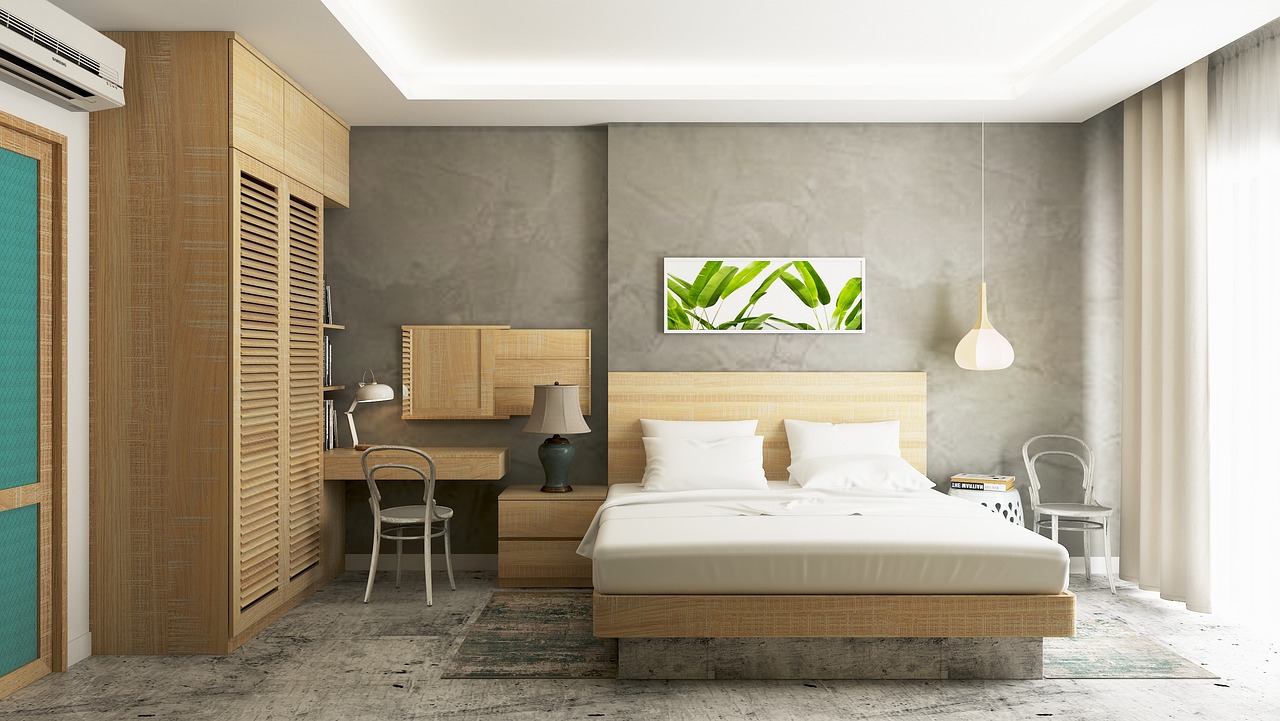
For years, many modern interiors relied on cool gray flooring, glossy white surfaces and sharp black accents. That look has not disappeared, but it is being softened. The 2026 ASID Trends Outlook frames interior design around wellness, adaptive living, sustainability and changing expectations for the built environment. Houzz’s 2026 design reporting also shows rising interest in tactile and nature-influenced finishes, including limewash-style paint effects, Venetian plaster, textured wallcoverings, terracotta flooring, warm browns, mushroom tones, sage, taupe and cream.
The practical point is not that every home needs arched doorways, plaster walls or terracotta floors. Modern design is becoming less flat. Homeowners are looking for finishes that make rooms feel grounded without turning them rustic. A successful modern palette might combine a matte warm-white wall, white oak millwork, large-format porcelain tile, brushed nickel or aged brass hardware and a veined quartz or quartzite surface. The room can still read as clean and contemporary, but it feels less clinical.
This is warm restraint: simple lines, an edited color story and materials with more texture, grain and depth.
Finish categories worth planning together
Interior finishes are often selected one product at a time, but modern homes perform better when the finish schedule is planned as a system. Flooring affects baseboards, cabinetry stain, door color, wall undertone and even the perceived color of lighting. A backsplash can make a countertop look cooler or warmer. A textured wall finish may reduce the need for heavy decor, but it can also be harder to repair than standard paint.
| Finish area | Modern direction | What to check before choosing |
|---|---|---|
| Walls and ceilings | Matte paint, limewash effects, plaster-style texture, subtle wall panels | Repairability, washability, sheen, VOC information and compatibility with lighting |
| Flooring | Warm wood, porcelain or ceramic tile, resilient flooring, large-format stone looks | Moisture exposure, slip classification, acoustic comfort, transitions and subfloor needs |
| Cabinetry and millwork | Natural wood, stained finishes, slim Shaker or flat-panel doors | Material core, formaldehyde compliance, finish durability and hardware placement |
| Countertops and backsplashes | Veined quartz, quartzite, porcelain slab, full-height or cabinet-height backsplashes | Stain resistance, heat guidance, edge profile, seams and cleaning products |
| Metal finishes | Brushed nickel, black, brushed gold, aged brass and mixed-metal schemes | Fingerprinting, coating quality, replacement availability and room-to-room consistency |
| Lighting surfaces | Metal-and-glass fixtures, undercabinet lighting and layered dimming | Color temperature, glare, dimmer compatibility and how light reveals texture |
Surfaces that define the modern home
Walls and ceilings
Paint remains the most flexible interior finish because it is relatively affordable, easy to change and available in a wide range of sheens. For a modern look, matte or low-sheen finishes usually feel softer than glossy surfaces, especially in living rooms and bedrooms. The trade-off is cleanability. High-touch zones, children’s rooms, kitchens and baths may need more washable formulations.
Textured wall finishes are gaining attention because they add depth without heavy pattern. Limewash-inspired finishes, mineral paints, Venetian plaster, microcement and textured wallpaper can all create movement under natural light. They are strongest on feature walls, powder rooms, dining rooms, fireplace walls or primary bedrooms. Use them carefully in narrow halls or high-abuse areas unless repair methods are understood. A finish that looks refined on day one can become difficult to live with if small dents, water marks or touch-ups are highly visible.
Floors
Flooring is the most physically demanding interior finish. It has to deal with furniture, pets, footwear, spills, cleaning routines and changes in humidity. In kitchens, Houzz’s 2026 U.S. Kitchen Trends Study reported that ceramic or porcelain tile and stained or unstained hardwood were tied among renovating homeowners at 22% each, with resilient flooring close behind at 21%. That kitchen-specific data does not define the whole home, but it explains why these three categories remain central to modern finish discussions.
Hardwood and engineered wood bring warmth and continuity across open plans. Porcelain and ceramic tile are strong choices for kitchens, entries, baths and laundry areas because they handle moisture and abrasion well when correctly specified and installed. Resilient products can provide water resistance and comfort underfoot, but buyers should compare wear layers, locking systems, acoustics, product certifications and manufacturer guidance rather than relying only on visual realism.
For bathrooms, mudrooms and wet entries, appearance is only one part of the decision. The Tile Council of North America describes ANSI A326.3 as the standard test method for dynamic coefficient of friction of hard surface flooring materials, including product use classifications. In practical terms, homeowners and specifiers should confirm whether a tile is appropriate for wet interior use, not just whether it looks like stone, concrete or wood.
Cabinetry and millwork
Wood is a major reason modern interiors feel warmer now. In Houzz’s 2026 kitchen research, wood became the most popular cabinet color among renovating homeowners, selected by 29%, just ahead of white at 28%. The same study found solid wood remained the leading material for new or upgraded cabinet fronts at 71%, while paint still led cabinet finishes at 52% but declined year over year. These figures are kitchen-specific, yet they reflect a broader design move toward visible grain and natural tone.
For a modern home, wood does not have to mean heavy traditional cabinetry. Flat-panel doors, narrow-frame Shaker profiles, slab drawer fronts and integrated appliance panels can keep the lines simple. White oak, maple, walnut tones and medium stains are especially useful because they can bridge warm whites, stone surfaces, brushed metals and neutral upholstery. If MDF, plywood or particleboard components are used, formaldehyde compliance and finish quality should be checked as carefully as the door style.
Countertops and backsplashes
Countertops and backsplashes are where modern interiors often combine performance and visual character. Houzz’s 2026 kitchen data showed engineered quartz remained the most selected countertop material among renovating homeowners at 32%, though its share declined by 7 percentage points year over year. Granite, quartzite, porcelain, laminate, wood and marble all remain part of the conversation, but each comes with different maintenance and cost implications.
Backsplashes are becoming more architectural. In the same Houzz kitchen study, 67% of renovating homeowners selected backsplash coverage up to the cabinets or range hood, while 28% chose a slab-style backsplash. Full-height or cabinet-height surfaces reduce visual breaks and grout lines, but they can raise fabrication costs and make seams more important. Tile remains versatile, especially when scale, grout color and pattern are chosen to support the room rather than compete with the countertop. See also: BUILDING MATERIALS.
Health, durability and maintenance are part of the finish
A finish schedule should include more than colors and samples. Indoor air quality, material emissions, water exposure and maintenance are all part of the real specification. The U.S. EPA notes that no federally enforceable standards have been set for VOCs in non-industrial indoor settings, and it also cautions that some products marketed as low-VOC or no-VOC may not address every chemical of indoor-air concern. That does not make labels useless. It means buyers should look for clear product documentation and credible third-party emissions testing where available.
Composite wood also deserves attention because it appears in cabinets, shelving, wall panels, furniture and some doors. EPA rules under TSCA Title VI require regulated composite wood products and finished goods containing them to be properly certified and labeled for formaldehyde emissions when manufactured in or imported into the United States after the applicable compliance dates. For homeowners, the practical question is simple: can the supplier provide documentation for the panel, cabinet or finished good?
Durability should be matched to the room. A polished stone that works beautifully on a fireplace surround may be too slippery for a wet floor. A dark matte cabinet finish may show fingerprints in a busy kitchen. A textured plaster wall may be excellent in a dining room but difficult behind a bathroom vanity. Modern design succeeds when the finish is suitable for the exact conditions where it will be used.
How to create a cohesive palette without making every room match
The goal is continuity, not sameness. Start with fixed elements that are expensive to change: flooring, main cabinetry, stone or slab surfaces, stair components and large-format tile. Then choose the wall color, metal finishes and accent materials around those anchors. If the floor has a strong yellow or red undertone, a cool gray wall may look disconnected. If the countertop has dramatic veining, a quiet backsplash may age better than a competing pattern.
A useful method is to assign each finish a role:
- Foundation finishes: floors, main walls and large cabinet areas should be calm enough to support daily life.
- Character finishes: a plaster wall, fluted wood panel, patterned tile or veined slab can create the memorable moment.
- Utility finishes: wet-area tile, laundry flooring, mudroom surfaces and work zones should prioritize performance.
- Accent finishes: hardware, lighting, mirrors and small metal details can shift the mood without controlling the whole design.
For more material ideas and surface comparisons, explore the interior finishes section.
Common mistakes to avoid
- Choosing from a single sample in one light. View flooring, paint, tile and countertop samples together in morning, afternoon and artificial light.
- Ignoring transitions. A beautiful floor can look unfinished if thresholds, stair nosings, baseboards and adjacent rooms are not planned.
- Using too many statement materials. Modern warmth comes from layering, but every surface cannot be the focal point.
- Assuming all low-maintenance claims are equal. Compare manufacturer cleaning instructions, warranties and surface limitations.
- Forgetting wet-area performance. Bathrooms, entries and laundry rooms need slip, water and cleaning considerations before style decisions are finalized.
- Overpersonalizing permanent surfaces. Strong color can work beautifully, but it is usually safer on paint, wallpaper or small tile zones than on every expensive fixed surface.
Frequently asked questions
What are modern home interior finishes?
They are the visible and touchable surfaces that complete a home, including wall treatments, flooring, cabinetry finishes, countertops, backsplashes, tile, trim, hardware, lighting materials and built-in details. In a modern home, these finishes usually emphasize clean lines, functional durability and a controlled material palette.
Which finishes are easiest to keep timeless?
Warm neutral paint, natural or lightly stained wood, simple tile shapes, restrained stone or stone-look surfaces, brushed metal hardware and quality flooring are generally easier to adapt over time. The key is to keep expensive fixed finishes calmer and use stronger trends in replaceable layers.
Are textured wall finishes practical?
They can be practical in the right place. Limewash effects, plaster-style coatings and textured wallcoverings add depth, but they may require more careful repair than standard paint. Use them where they will not be constantly bumped, scrubbed or exposed to uncontrolled moisture.
How should kitchens and bathrooms influence finish choices?
Kitchens and bathrooms need the highest performance standards because they involve water, heat, oils, cleaning chemicals and frequent use. Prioritize slip-appropriate flooring, washable surfaces, moisture-compatible wall finishes, durable cabinetry and clear maintenance instructions before choosing color or pattern.
Do interior finishes affect indoor air quality?
Yes. Some finishes, adhesives, paints, coatings, composite wood products and furnishings can contribute chemical emissions indoors. Look for transparent product data, formaldehyde compliance where composite wood is used and credible third-party emissions information when available.