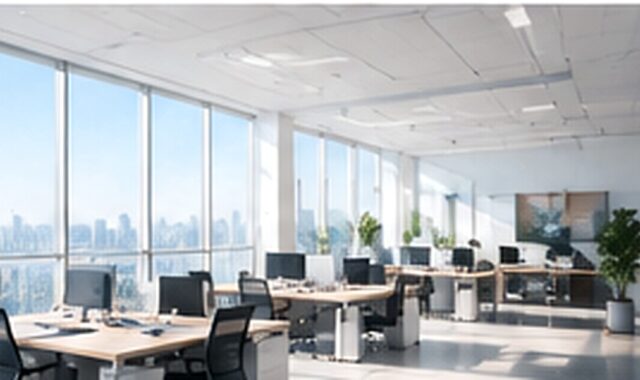
How to choose interior finishes in 2026 for design, durability and indoor air
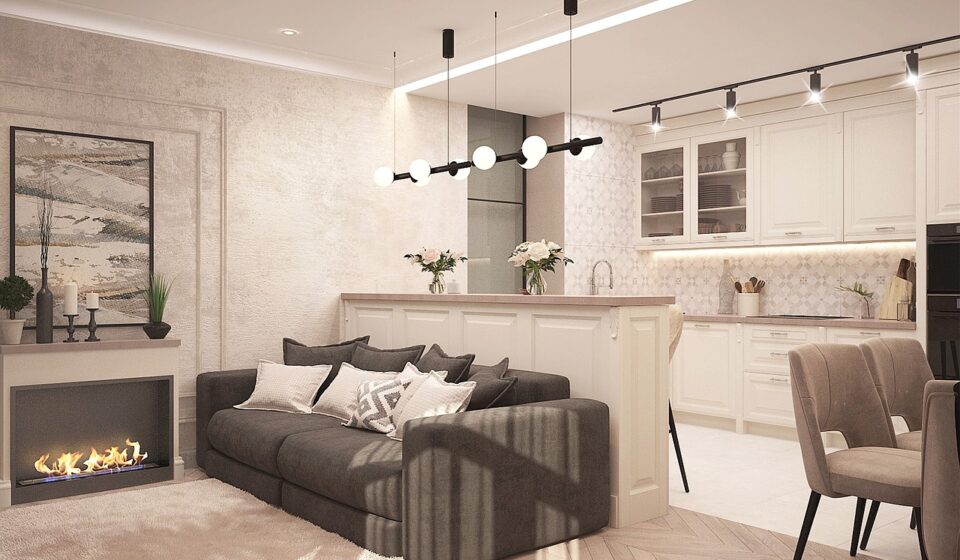
What interior finishes mean in 2026
Interior finishes are the visible surface layers that complete a room: flooring, wall finishes, ceiling treatments, trim, cabinetry surfaces, countertops, tile, coatings, panels and the related adhesives or sealants. In 2026, selecting interior finishes is less about choosing one fashionable material and more about balancing appearance, maintenance, indoor air quality, moisture risk, code requirements and installation conditions. A strong specification starts with the room’s use, then narrows the options by durability, cleanability, emissions documentation, fire performance where required and long-term repair options. For more material-focused updates, see the INTERIOR FINISHES category.
This broader view matters because finishes are the parts of a building occupants touch, clean and live with every day. A wallcovering can look right on a sample board and still fail if moisture is trapped behind it. A durable floor can disappoint if it creates glare, transfers sound or requires a maintenance routine the owner will not follow. A low-cost coating can become expensive if it needs frequent repainting or extended ventilation after installation.
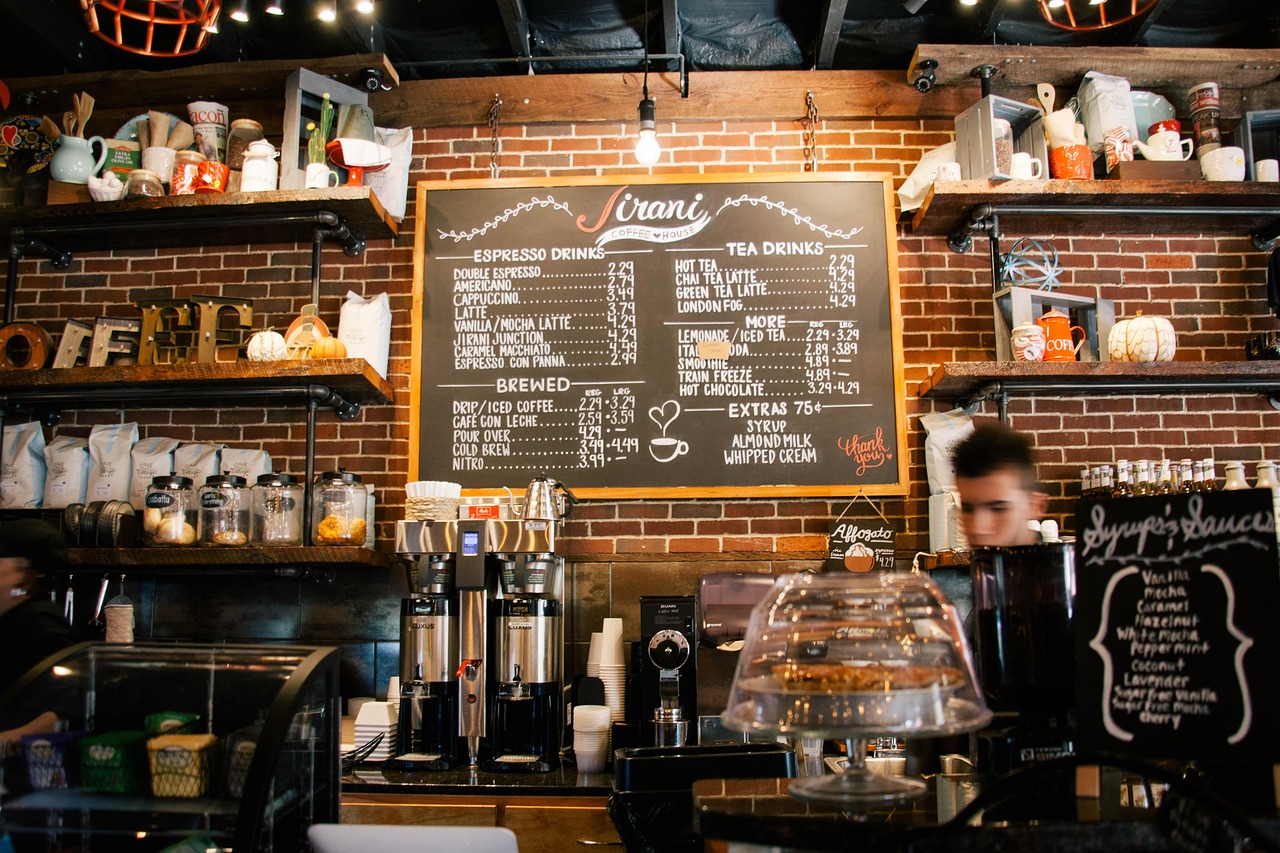
Design trends are moving toward calm surfaces with practical performance
Several 2026 design signals point to interiors that feel cohesive, grounded and easier to use. The American Society of Interior Designers describes its 2026 Trends Outlook as a review of cultural, technological, business and built-environment patterns shaping interior design, with emphasis on how design responds to uncertainty and the desire for grounding. That does not mean every project should look the same. It does suggest that finish palettes are being judged by how well they support comfort, identity and daily function, not only by visual novelty. (asid.org)
Kitchen and bath trends are a useful indicator because these rooms bring together many finish decisions: surfaces, lighting, moisture exposure, storage and cleaning. The National Kitchen & Bath Association reported on September 18, 2025, that its 2026 Kitchen Trends Report expects kitchens to influence whole-home design more strongly, with 76% of respondents expecting kitchen footprints to increase over the next three years. The same release notes continued interest in cohesive layouts, wellness-focused spaces, storage, smart technology and personalized function. (nkba.org)
Color and texture findings in the same NKBA report also support a practical reading of “timeless” finishes. Neutrals were identified by 96% of respondents as popular kitchen colors, followed by greens and blues. Statement color was expected to appear more often in backsplashes, wallpaper, islands and accessories. Wood grain, quartz, quartzite, slab backsplashes, flat cabinet doors and panel-faced appliances were also described as gaining attention. For many projects, the useful strategy is to keep expensive, hard-to-change surfaces calm and durable, then use smaller areas for stronger personality. (nkba.org)
Start with room conditions before selecting materials
A finish schedule should begin with exposure, not aesthetics. A mudroom, rental-unit corridor, family kitchen, powder room and boutique office may share a similar color palette, but they need different abrasion resistance, slip resistance, cleanability and moisture tolerance. In high-traffic spaces, flooring and lower wall zones usually show wear first. In wet or humid areas, substrate preparation and waterproofing are often more important than the face material. In quiet rooms, ceiling and wall texture can affect acoustics as much as appearance.
The U.S. remodeling context also supports a more disciplined approach to finish choices. The Harvard Joint Center for Housing Studies reported on March 20, 2025, that U.S. home improvement and repair spending rose from $404 billion in 2019 to $611 billion in 2022 and was expected to remain above $600 billion through 2025. It also noted that the housing stock had a median age of 44 years in 2023 and that high material costs and skilled labor shortages continued to pressure remodelers. In older buildings, a finish upgrade can expose substrate repairs, moisture problems, uneven floors or outdated assemblies, so the apparent surface replacement may not represent the full scope of work. (jchs.harvard.edu)
For practical planning, divide every finish choice into three layers: the visible surface, the assembly behind it and the maintenance plan after installation. A tile shower is not only tile; it is also a waterproofing method, mortar or adhesive, grout, movement joints and cleaning routine. A wood floor is not only species and stain; it is also subfloor moisture, indoor humidity, finish type and future recoating options.
Compare interior finish families by risk and use
No finish material is universally right. The better question is whether the material’s strengths match the room’s conditions and the owner’s maintenance expectations. The following comparison can help narrow choices before detailed product review.
| Finish family | Common uses | Main advantages | Key checks before selection |
|---|---|---|---|
| Paints and coatings | Walls, ceilings, trim, cabinetry | Flexible color changes, broad cost range, repairable | VOC content and emissions, scrub resistance, primer compatibility, ventilation during curing |
| Wood and wood-look finishes | Floors, panels, millwork, cabinets | Warm appearance, refinishing potential for some products, strong biophilic appeal | Moisture movement, finish durability, fire rating in applicable occupancies, species and veneer thickness |
| Ceramic and porcelain tile | Bathrooms, kitchens, entries, feature walls | Water resistance at the surface, high wear resistance, many formats | Waterproofing assembly, slip resistance, grout maintenance, movement accommodation and substrate flatness |
| Resilient flooring | Residential and commercial floors, healthcare, education, multifamily | Durability, cleanability, acoustic underlayment options, broad price points | Verified low-emission certification, adhesive compatibility, subfloor moisture and repairability |
| Wallcoverings and panels | Accent walls, corridors, hospitality, offices | Texture, impact resistance, branding or decorative depth | Moisture trapping risk, flame-spread classification where required, seam repair, cleaning limits |
| Stone, quartz and solid surfaces | Countertops, backsplashes, vanities, reception areas | Durable working surfaces, visual permanence, hygienic detailing when properly installed | Stain resistance, edge details, support, heat limits, silica controls during fabrication by qualified trades |
The table is not a substitute for manufacturer data, but it helps avoid a common mistake: comparing products only by installed price or sample-board appearance. A material that performs well in a dry bedroom may be risky in a below-grade room. A finish that looks excellent in a showroom may reveal seams, glare or cleaning marks under the lighting conditions of the actual space.
Indoor air quality should be checked, not assumed
Many finish decisions affect indoor air during and after installation. The U.S. Environmental Protection Agency states that volatile organic compounds are emitted as gases from certain solids or liquids and lists paints, lacquers, paint strippers, building materials, furnishings, glues and adhesives among common sources. The EPA also notes that concentrations of many VOCs can be consistently higher indoors than outdoors, and its older TEAM studies found levels of about a dozen common organic pollutants two to five times higher inside homes than outside. (epa.gov)
This does not mean every finish is unsafe. It means “low odor” or “low VOC” on a label should not be the only evidence used for selection. For floors, panels, adhesives, coatings and composite materials, buyers can ask for emissions certifications, safety data sheets, environmental product information and installation ventilation guidance. Third-party programs are most useful when the certificate can be verified by product name, manufacturer and date.
FloorScore is one example relevant to hard-surface flooring. The Resilient Floor Covering Institute describes FloorScore as an indoor air quality certification in which flooring products are independently certified by SCS Global Services to comply with VOC emissions criteria of the California Section 01350 Program. RFCI also states that certification involves review of VOC emissions testing, manufacturing audits, annual surveillance and retesting requirements. (rfci.com)
For practical projects, treat indoor air as both a product issue and an installation-sequencing issue. Store wet-applied materials correctly, ventilate during painting and adhesive use, allow curing time before full occupancy when possible and avoid combining multiple high-emission products in a tightly sealed room without a ventilation plan. Sensitive occupants may require additional scheduling precautions. See also: BUILDING MATERIALS.
Moisture, fire performance and installation details can decide success
Moisture is one of the most common reasons interior finishes fail. The EPA’s moisture-control guidance for building design, construction and maintenance is aimed at professionals who maintain, inspect and repair building interiors, equipment and finishes. EPA mold guidance also emphasizes that moisture control is the key to mold prevention and that damp materials should be dried promptly. For finishes, this means waterproof-looking surfaces should not be used to cover unresolved leaks, condensation or drainage problems. (epa.gov)
Wet areas deserve special attention. The Tile Council of North America lists ANSI standards covering installation of ceramic tile, including waterproof membranes for thin-set ceramic tile and dimension stone and interior installation of gauged porcelain tile panels and slabs. For showers, baths, commercial kitchens and similar spaces, the waterproofing and substrate system should be selected before the visible tile pattern is finalized. (tcnatile.com)
Fire performance is another finish issue that is easy to overlook, especially in commercial, multifamily, hospitality and public buildings. International Building Code and International Fire Code provisions classify many interior wall and ceiling finish materials by flame-spread and smoke-developed performance, commonly using ASTM E84 or UL 723 testing. The U.S. General Services Administration summarizes typical classes as Class A with flame spread 0–25 and smoke-developed index 0–450, Class B with flame spread 26–75 and smoke-developed index 0–450, and Class C with flame spread 76–200 and smoke-developed index 0–450. Actual requirements depend on occupancy, location and the adopted local code. (codes.iccsafe.org)
Wood flooring illustrates how installation details affect finish performance. The National Wood Flooring Association advises that some flooring problems can be minimized when homes are maintained around 60–80 degrees Fahrenheit and 30–50% humidity year-round. That guidance is not just a comfort recommendation; it reflects the fact that wood expands and contracts with moisture. If a project cannot maintain stable conditions, an engineered product, different floor type or more tolerant installation method may be more appropriate. (woodfloors.org)
A practical specification checklist for interior finishes
A reliable finish selection process should move from broad intent to verified details. The following checklist works for residential remodels, small commercial interiors and material comparison articles.
- Define the room exposure. Note foot traffic, water exposure, sunlight, pets, furniture movement, cleaning chemicals and expected life span.
- Confirm substrate conditions. Check flatness, moisture, cracks, previous coatings, structural movement and compatibility with adhesives or membranes.
- Request product documentation. Ask for installation instructions, maintenance guides, emissions information, fire-test classification where relevant and warranty limitations.
- Review the full assembly. Include primers, membranes, underlayments, adhesives, grout, sealants, trims and transitions, not only the visible finish.
- Mock up critical surfaces. View samples under project lighting and next to adjacent finishes. Gloss level, texture and undertone can change significantly in real rooms.
- Plan ventilation and curing. Schedule wet-applied finishes so occupants are not exposed unnecessarily and so trades do not damage uncured surfaces.
- Match maintenance to reality. If the owner will not reseal stone, polish specialty plaster or use a specific cleaner, select a more forgiving finish.
- Keep replacement in mind. Favor finishes that can be patched, recoated or reordered when the space is likely to change.
The most resilient interiors usually combine restraint with clear technical choices. Use durable background finishes for large surfaces, reserve complex materials for areas where their value is visible and make sure every finish has a reason beyond trend appeal. In 2026, a successful interior finish package should look coherent on day one and remain serviceable after years of cleaning, sunlight, moisture cycles and changing occupant needs.
Frequently asked questions
What are the main categories of interior finishes?
The main categories include flooring, wall finishes, ceiling finishes, trim, coatings, millwork surfaces, countertops, tile, panels, wallcoverings and the adhesives, sealants or membranes that support them. A complete finish decision should consider the visible surface and the assembly behind it.
Are low-VOC finishes always better?
Low-VOC finishes can reduce one important indoor air concern, but the label alone is not enough. Check whether the product has verified emissions documentation, whether adhesives or sealants are also low-emitting and whether the installation plan includes ventilation and curing time.
Which interior finishes are easiest to maintain?
Ease of maintenance depends on the room. Quality washable paint, porcelain tile, many resilient floors and well-sealed solid surfaces can be relatively easy to clean, but each has limits. Grout, gloss level, texture, seam placement and cleaning chemistry often determine real maintenance effort.
How should finishes be selected for bathrooms and wet areas?
Start with waterproofing, drainage, ventilation and substrate compatibility before choosing the visible finish. Tile, panels and stone can perform well in wet areas, but only when the assembly behind the surface is designed to manage water.
Do interior finish trends change every year?
Surface colors and styling details change more quickly than performance needs. Large, costly surfaces are usually safer in durable and adaptable palettes, while smaller areas such as backsplashes, wallpaper, cabinet hardware and accessories can carry stronger trend expression.