How furniture by design shapes flexible and sustainable interiors
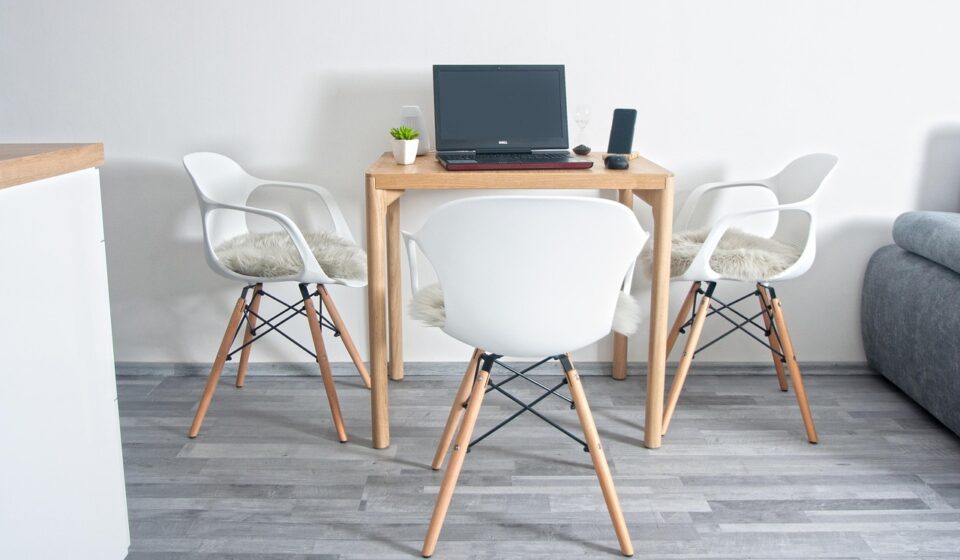
What furniture by design means now
Furniture by design is not just a style label. It is a practical way to select furniture against a clear brief: how the room needs to work, how long the piece should remain useful, what materials it brings into the home, and whether it can adapt as needs change. For homeowners, designers and builders, the stronger approach is to treat every sofa, table, cabinet or chair as part of a wider interior system. The question is not only whether an item looks right today, but whether it fits the room, supports daily use, can be repaired or reused, and avoids unnecessary waste. For more coverage of materials, layouts and style decisions, visit our furniture design section.
This matters because residential interiors are being asked to perform more roles. Living rooms often double as work zones. Dining areas become homework stations. Bedrooms need storage, calm and safety. Outdoor areas are increasingly planned as extensions of the home. In that context, design-led furniture selection is less about decoration after the fact and more about making the room work from the start.
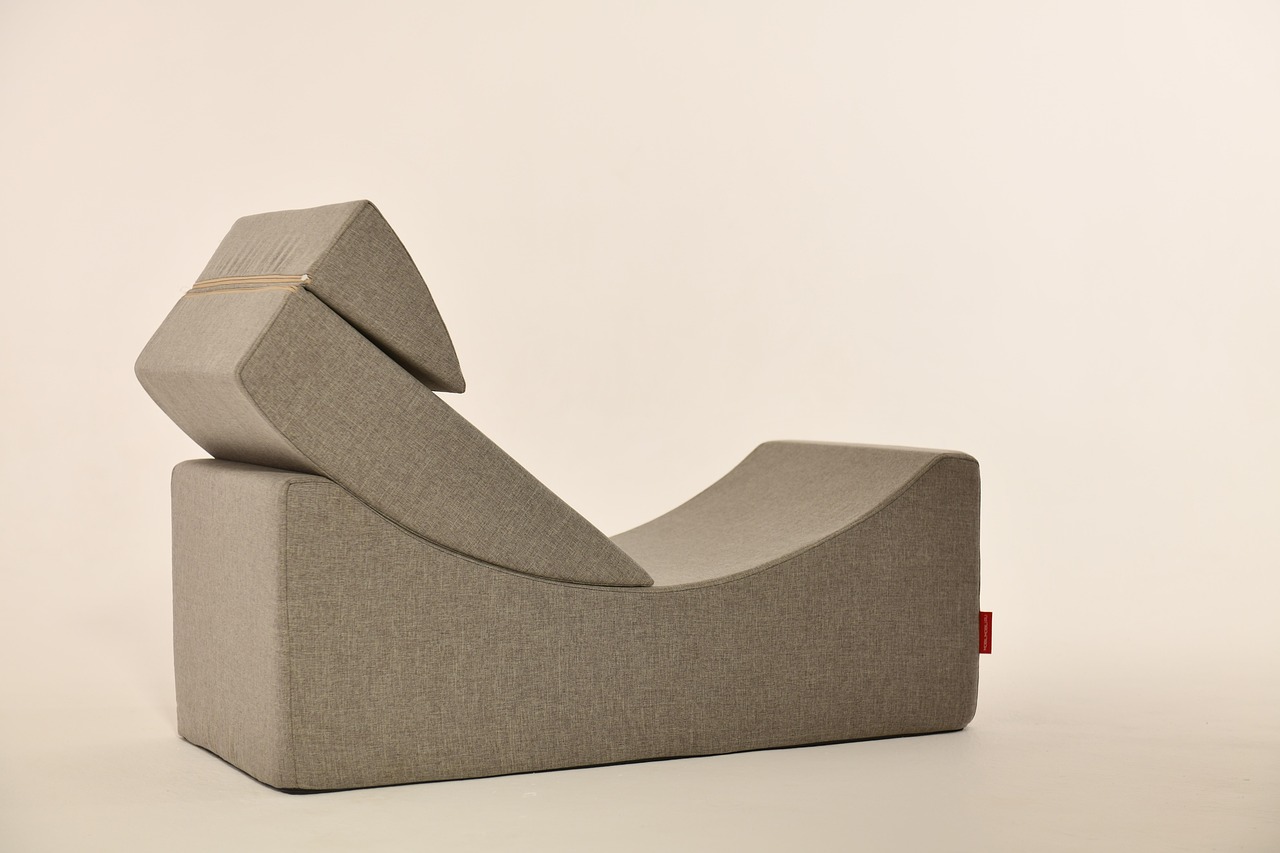
Why design-led furniture is replacing one-look decorating
Recent industry research points in the same broad direction: people want interiors that feel personal, resilient and useful, rather than rooms built around a single short-lived look. The American Society of Interior Designers released its 2026 Trends Outlook on January 27, 2026, framing the year around social, technological and economic change, with sustainability and adaptive living among the forces shaping design decisions. Zillow’s 2026 Home Trends Report also pointed to wellness, color-rich interiors and eco-conscious features as visible signals in residential listings.
These reports do not mean every home needs the same furniture trend. Their value is in showing a deeper change in expectations. Buyers and occupants are looking for comfort, identity, lower-impact choices and practical flexibility. A curved sofa, a vintage cabinet or a modular sectional can all support that goal, but only when the piece solves a real design problem. The more useful question is: what role should this furniture play in the room over the next five to ten years?
That is why furniture by design works better than trend chasing. It starts with use, then moves to proportion, construction, material health, maintenance and end-of-life options. Style still matters, but it becomes the expression of a well-made decision rather than the whole decision.
A practical framework for choosing furniture by design
A strong furniture decision usually balances six factors. None should be judged in isolation. A beautiful chair that is uncomfortable will not perform well in daily use. A low-cost storage unit that does not meet stability expectations may create safety concerns. A sustainability claim without documentation is not the same as verified material performance.
| Design question | What to check | Why it matters |
|---|---|---|
| Function | Primary use, secondary use, storage needs and user habits | Furniture should solve a real room problem before it adds visual interest. |
| Scale | Room dimensions, circulation paths, door swings and visual weight | A correctly scaled piece makes a room feel intentional rather than crowded. |
| Durability | Frame, joints, fabric rating, finish quality and replaceable parts | Longer service life reduces replacement cost and waste. |
| Material responsibility | Wood sourcing, recycled content, repairability and certification claims | Material choices affect forests, waste streams and long-term value. |
| Indoor health | Low-emitting materials, finishes, adhesives and ventilation after delivery | Furniture can influence indoor air quality, especially in tightly sealed homes. |
| Safety | Stability, anchoring, rounded edges, fire performance and intended use | Good design includes risk reduction, not only appearance. |
This framework applies to both residential and light commercial interiors. It also helps prevent a common mistake: buying an item because it matches a photograph, then discovering that it blocks movement, lacks storage or wears out quickly. Design-led selection reverses the process. The room brief comes first; the product comes second.
Materials and construction decide whether style lasts
Material choice is where design moves from image to performance. Solid wood, high-quality plywood, metal, glass, stone, natural fibers, engineered boards and recycled composites can all be appropriate, but they do not behave the same way. The right option depends on load, moisture exposure, maintenance expectations, budget and the desired visual language.
For case goods such as cabinets, dressers and sideboards, look beyond the finish. Drawer slides, joinery, backing panels and edge details show whether a piece is built for repeated use. For upholstered seating, the frame, suspension, cushion fill and fabric specification matter more than the silhouette alone. A sofa with a trend-forward profile but weak cushions may lose its appeal faster than a simpler model with a better frame and replaceable covers.
Waste data makes the issue more concrete. The U.S. Environmental Protection Agency’s 2018 durable goods tables, still the latest comprehensive federal data set for this category, estimated that furniture and furnishings accounted for 12.08 million U.S. tons of municipal solid waste generation. The same EPA data showed that about 80.1 percent of that furniture and furnishings stream was landfilled in 2018. That does not mean every furniture purchase can be waste-free, but it does show why durability, repair and reuse belong in the design conversation.
A design-led buyer should ask simple but important questions. Can the surface be refinished? Are replacement legs, glides, covers or hardware available? Can the piece be moved without destroying it? Will the material tolerate the room’s humidity, sunlight and cleaning routine? These questions are less glamorous than color selection, but they often determine whether furniture remains useful or becomes disposable.
Flexible furniture works best when it respects proportion
Flexible living has made modular sectionals, nesting tables, extendable dining tables, sleeper sofas, storage benches and mobile work surfaces more attractive. The best versions support changing routines without making the room feel temporary. The weakest versions try to do too much and end up compromising comfort, stability or scale.
In small homes and apartments, multifunctional furniture can be especially valuable. A dining table with leaves can shift from everyday meals to hosting. A storage ottoman can reduce visual clutter. A wall-mounted desk can create a work zone without permanently consuming floor area. Each choice still needs a spatial test. Measure the open and closed dimensions. Check where chairs move when people sit down. Confirm that drawers and doors can open fully. Make sure the furniture does not force awkward walking paths.
In larger homes, flexibility has a different role. It can help rooms avoid becoming single-purpose spaces that sit unused. A lounge chair and side table can turn a landing into a reading area. A console with closed storage can help an open-plan room shift from family use to entertaining. A modular outdoor seating group can adapt to weather, guests and seasonal storage needs.
The key is restraint. Flexible furniture should make life easier, not create a room full of mechanisms. If a piece will be adjusted often, the mechanism must feel intuitive and strong. If it will be adjusted only twice a year, simplicity and durability may matter more than maximum transformability.
Sustainability and wellness claims need evidence
Furniture marketing often uses terms such as sustainable, natural, non-toxic, eco-friendly and responsibly sourced. Some claims are meaningful; others are too broad to evaluate on their own. A design-led approach treats these words as prompts for verification, not as proof. See also: BUILDING MATERIALS.
For business and institutional furniture, BIFMA’s LEVEL program is tied to the ANSI/BIFMA e3 Furniture Sustainability Standard. BIFMA announced revisions to the ANSI/BIFMA e3-2024 standard, with LEVEL certification evaluating product, facility and company criteria through independent third-party certification. For wood furniture, Forest Stewardship Council chain-of-custody certification is one recognized way to support responsible forest sourcing. For indoor environmental quality, WELL and LEED frameworks both place attention on low-emitting materials and furnishings, although their exact requirements depend on the project version and product category.
Safety should be checked with the same seriousness. In the United States, the Consumer Product Safety Commission adopted ASTM F2057-23 as a mandatory standard for certain clothing storage units under the STURDY Act. The rule took effect on September 1, 2023, and focuses on reducing tip-over risks for children up to 72 months old. This is especially relevant for dressers, chests and similar storage furniture. Even when a product is outside the rule’s scope, anchoring tall furniture and following manufacturer instructions remain important design practices.
The limitation is that certifications do not replace judgment. A certified product can still be the wrong scale, wrong function or wrong maintenance choice for a specific room. Conversely, a vintage or locally made piece may perform well through reuse and repair even if it does not carry every modern label. The most balanced approach is to combine documentation with design fit.
How to apply furniture by design room by room
In the living room, start with seating behavior rather than sofa shape. Does the room need to support conversation, television, reading, children’s play or all of these uses? A sectional may work well for family lounging, while separate sofas and chairs may support conversation better. Coffee tables should match actual use, whether that means storage, serving, display or open floor space.
In the dining area, the table is both furniture and circulation control. Round tables can soften tight spaces and improve conversation, while rectangular tables often suit long rooms. Chair comfort matters because dining rooms increasingly support work, study and extended gatherings. Finishes should be chosen for cleaning habits, not only showroom appearance.
In bedrooms, furniture by design should prioritize calm, storage and safety. Bed height, nightstand placement, drawer access and lighting relationships all affect daily comfort. For children’s rooms and family homes, stable storage and anchoring deserve early attention rather than last-minute correction.
In work areas, ergonomics and cable management are part of the design. A desk that looks refined but cannot support screens, task lighting or posture will not succeed. Adjustable seating, adequate work surface depth and storage for visual clutter can make a compact home office feel more permanent.
In outdoor or transitional spaces, material suitability becomes central. Sun, moisture, temperature swings and storage conditions can quickly expose weak material choices. Outdoor furniture should be evaluated for frame material, cushion drainage, fabric performance and ease of cleaning. The best outdoor pieces extend the interior design language while accepting that exterior conditions are different.
Frequently asked questions
Is furniture by design the same as custom furniture?
No. Custom furniture can be design-led, but furniture by design is a broader method. It includes custom, ready-made, vintage, modular and built-in pieces as long as they are chosen to meet a defined function, scale, material and performance goal.
How do I avoid buying furniture that will look dated quickly?
Separate the long-life parts from the easy-to-change layers. Large pieces such as sofas, beds, tables and cabinets usually benefit from durable construction and balanced proportions. More expressive trends can appear in pillows, lamps, small tables, art and removable textiles.
Are sustainable furniture labels always reliable?
Not always. Look for specific, verifiable information rather than broad claims. Useful signals include recognized third-party certifications, clear material disclosure, repair options, responsible wood sourcing and low-emission documentation where relevant.
What is the most common mistake in design-led furniture planning?
The most common mistake is choosing appearance before measuring function. A piece may match the desired style but fail because it is too deep, too tall, hard to maintain, uncomfortable or unsuitable for the room’s traffic pattern.
Can affordable furniture still be design-led?
Yes. A design-led approach is not defined by price. Affordable furniture can work well when it is correctly scaled, structurally appropriate, easy to maintain and chosen for a clear purpose. The goal is to buy fewer wrong pieces, not automatically to buy the most expensive one.