Home furniture design ideas for flexible, healthier rooms in 2026
What home furniture design means in 2026
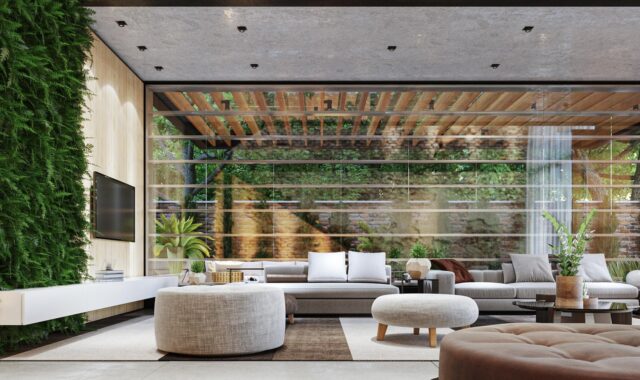
Home furniture design in 2026 is moving away from isolated statement pieces and toward rooms that work harder, feel calmer and hold up over time. The clearest direction across current design research is practical flexibility: modular seating, concealed storage, softer forms, layered lighting, repairable materials and furniture that supports daily routines without making rooms feel crowded. Industry reports from ASID, NKBA | KBIS and Houzz point to a similar shift. Homeowners want spaces that support wellness, connection, personal expression and easier maintenance. For related planning ideas, visit our FURNITURE DESIGN section.
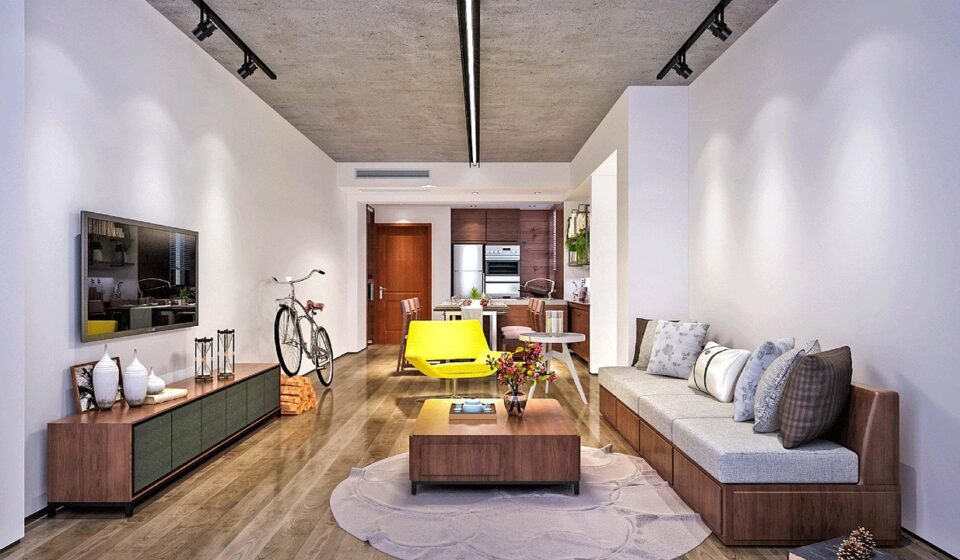
That changes how furniture decisions are made. A sofa is not only a place to sit if it also defines a zone in an open-plan room. A dining bench is not only seating if it adds storage, softens circulation and helps the kitchen connect to the living area. Good furniture planning now starts with daily behavior, not with catalog pages.
The shift from single-purpose pieces to flexible room systems
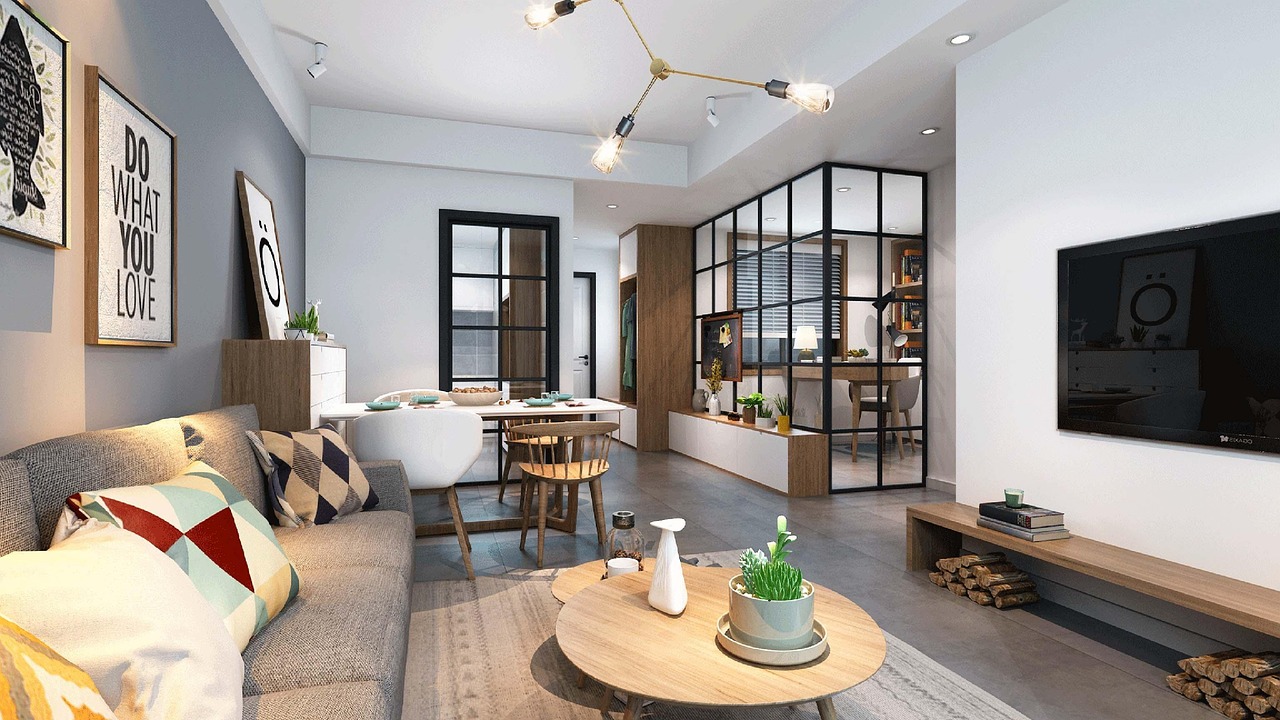
The most important change is the move from single-purpose pieces toward room systems. This does not mean every product has to transform, fold away or hide a bed. It means each item needs a clear role in the wider plan. In a compact home, that may mean nesting tables, storage ottomans and wall-mounted desks. In a larger home, it may mean sectional seating that creates conversation areas, built-in cabinetry that absorbs visual clutter, or dining furniture that can support homework, work calls and entertaining.
NKBA | KBIS released its 2026 Kitchen Trends Report on September 18, 2025, based on a survey of 634 industry respondents. Although the report focuses on kitchens, its implications extend into connected living spaces. It reported that 76% of respondents expected the kitchen footprint to increase over the next three years, while open layouts, hybrid products, wellness-focused spaces and personalized storage were identified as influential directions. For furniture design, the takeaway is straightforward: pieces near kitchens and living areas have to handle overlap. Stools, banquettes, sideboards and lounge chairs should support movement between cooking, dining, work and social time.
- Use zoning furniture. Low bookcases, consoles and sectional backs can define areas without closing the room.
- Choose storage that disappears. Closed fronts, push-latch doors and integrated handles help busy rooms look calmer.
- Plan for scale changes. Extendable tables, movable poufs and stackable side chairs help a room adjust when guests arrive.
- Leave circulation space. Flexible furniture fails if drawers, chairs or sleeper mechanisms cannot open comfortably.
Softer shapes are becoming more than decoration
Curves, rounded corners and wave-like profiles are visible across current home design, but they should be treated as more than a styling trend. Houzz published its 2026 U.S. Emerging Summer Trends Report on May 20, 2026, using U.S. search data from January to March 2026 compared with the same period in 2025. The report identified rising interest in rounded and tactile design details, including curved islands, arched features and textured materials. In furniture, that appears as radius-edge tables, rounded sofa arms, oval coffee tables and softly upholstered dining chairs.
The practical value matters. Rounded furniture can reduce the harshness of rectilinear rooms, improve flow around tight corners and make open spaces feel more relaxed. The shape still has to serve the plan. A curved sofa that blocks a walkway is not better than a rectangular one. A sculptural chair that cannot be cleaned or reupholstered may age faster than a simpler design. The best use of soft geometry is selective: one or two curved anchors, balanced with straight-lined storage, tables or shelving.
Materials now carry health, durability and sourcing questions
Furniture materials are under closer scrutiny because they affect indoor air, maintenance, repairability and perceived quality. ASID released its 2025 Trends Outlook on January 28, 2025, framing wellness, sustainability, toxin-aware material choices, neuro-inclusive design and timeless craftsmanship as major forces in interiors. That direction does not mean every room has to look natural or minimal. It means material claims should be specific enough to check.
Composite wood is a useful example. The U.S. Environmental Protection Agency explains that hardwood plywood, medium-density fiberboard and particleboard are regulated composite wood products commonly used in furniture, cabinets and other goods. For regulated composite wood products and finished goods manufactured in or imported into the United States after March 22, 2019, TSCA Title VI compliance labeling is required. When choosing furniture, labels, supplier documentation and ventilation are more useful than broad claims such as eco-friendly or non-toxic.
| Design question | What to verify | Why it matters |
|---|---|---|
| Composite wood panels | TSCA Title VI compliance information for MDF, particleboard or hardwood plywood components | Supports lower formaldehyde emissions from regulated products and gives buyers a concrete compliance checkpoint |
| Wood sourcing | FSC chain-of-custody certification or equivalent sourcing documentation when sustainable wood is claimed | Helps distinguish traceable sourcing from general green language |
| Commercial-grade sustainability | BIFMA e3 or LEVEL certification when relevant to office or contract-style furniture | Provides a third-party framework covering environmental, health and wellness, and social impacts |
| Upholstery durability | Cleanability, replaceable covers, abrasion performance and availability of replacement parts | Extends usable life and reduces premature replacement |
For home settings, the useful approach is to balance appearance with evidence. Solid wood, veneer, metal, stone, recycled content and performance textiles can all be appropriate, but none is automatically superior in every room. A family dining chair may need wipeable upholstery more than delicate texture. A bedroom dresser may need certified composite panels and stable construction more than an exotic finish.
Storage design now includes safety and accessibility
Storage is one of the most visible parts of modern home furniture design, and it is also where safety matters. The U.S. Consumer Product Safety Commission states that the STURDY-related requirements for clothing storage units apply to products manufactured after September 1, 2023. The rule covers defined clothing storage units such as dressers, drawer chests, armoires and similar bedroom storage that meet criteria including being free-standing, at least 27 inches tall, at least 30 pounds in mass and having at least 3.2 cubic feet of enclosed storage volume.
For homeowners and specifiers, the design implication is not limited to children’s rooms. Tall bedroom storage should be selected, installed and used with stability in mind. Anti-tip hardware should not be left in the package. Drawers should open smoothly without requiring excessive force. Heavy items should be stored lower, and furniture placement should avoid tempting climbing points near beds, windows or toys.
- Prefer wider, lower storage where possible. It can reduce visual weight and may be easier to access.
- Check hardware and drawer action. Smooth glides, stops and interlocks can improve daily usability.
- Design for reach. Frequently used items should sit between shoulder and knee height for most household members.
- Anchor when required. Stability hardware is part of the product’s safe use, not an optional accessory.
A room-by-room framework for better furniture choices
Living room
Start with conversation and traffic. A sofa or sectional should support the main social activity without forcing people to walk through the seating group. In current planning, built-in or freestanding storage walls are especially useful because they can combine media, display, books, games and closed storage in one organized surface. If the room is small, raised legs, lighter profiles and nested tables can preserve visual space. See also: BUILDING MATERIALS.
Kitchen and dining areas
Dining furniture is becoming more hybrid as kitchens expand into social space. Banquettes, counter stools and expandable tables should be evaluated for comfort over time, not only for appearance in photos. Seat depth, back support, cleanability and clearance around island corners matter. Warm wood, quiet neutrals and restrained profiles fit the long-life direction reported in kitchen and interiors research, while color can still work well through chairs, cushions, lighting or a painted sideboard.
Bedroom
The bedroom should prioritize calm, disciplined storage and safe movement. A bed with integrated drawers can be helpful, but only if there is enough clearance to open them. Nightstands should match actual habits: charging, reading, medication, water, glasses or concealed clutter. For wardrobes and dressers, check stability, wall anchoring, drawer stops and material labeling. A quieter bedroom often comes from fewer, better-scaled pieces rather than a larger matched set.
Home office and multipurpose rooms
Home office furniture has to bridge ergonomics and residential warmth. A desk should fit the equipment used every day, while cable routing and closed storage help keep the room from feeling temporary. If the room also hosts guests, prioritize furniture that resets quickly: a sleeper chair, a wall bed, a fold-down desk or a cabinet that hides office tools after work. The goal is not to make every room do everything, but to let secondary functions appear and disappear cleanly.
What to avoid when following furniture trends
Trend awareness is useful, but the wrong interpretation can shorten the life of a room. Avoid buying a large item only because it reflects a current shape, color or social-media look. Big pieces should be the most adaptable; smaller pieces can carry stronger trends. Also avoid confusing minimalism with a lack of storage. A clean room usually needs more deliberate storage, not less.
- Do not ignore measurements. Door swings, drawer extension, recliner depth and walkway widths matter before delivery.
- Do not rely on vague sustainability terms. Ask what is certified, tested, recycled, repairable or traceable.
- Do not overfill open-plan rooms. Furniture should define zones while preserving air and movement.
- Do not treat lighting as separate from furniture. Reading chairs, dining tables and desks all need planned task lighting.
- Do not sacrifice maintenance. A beautiful fabric or finish that cannot survive daily use may not be a sustainable choice.
Frequently asked questions
What is the main home furniture design trend in 2026?
The strongest trend is flexible, wellness-aware design. Furniture is expected to support multiple daily activities, reduce clutter, feel comfortable, use more accountable materials and fit open or hybrid spaces without looking temporary.
How can I make furniture choices feel current without replacing everything?
Keep durable anchor pieces and update the layers around them. Rounded side tables, warmer woods, textured textiles, better lighting, slipcovers, new hardware and improved storage inserts can shift the room without a full replacement cycle.
Are sustainable furniture claims reliable?
Some are reliable and some are too vague. Look for specific evidence such as FSC chain-of-custody information for wood, TSCA Title VI labeling for regulated composite wood products, credible third-party certifications, repair options and clear material disclosures.
What furniture should be planned first in a room?
Plan the pieces that control circulation and behavior first: the sofa in a living room, the bed in a bedroom, the table in a dining space and the desk in a home office. Storage should be planned at the same time because it determines whether the room stays functional after daily use.
Is custom furniture always better than ready-made furniture?
No. Custom furniture can solve unusual dimensions and storage needs, but it is not automatically better. Ready-made pieces may offer clearer testing, easier replacement parts, shorter lead times and better flexibility if the room layout changes.