Casa design furniture for modern homes and durable interiors
What casa design furniture means in practice
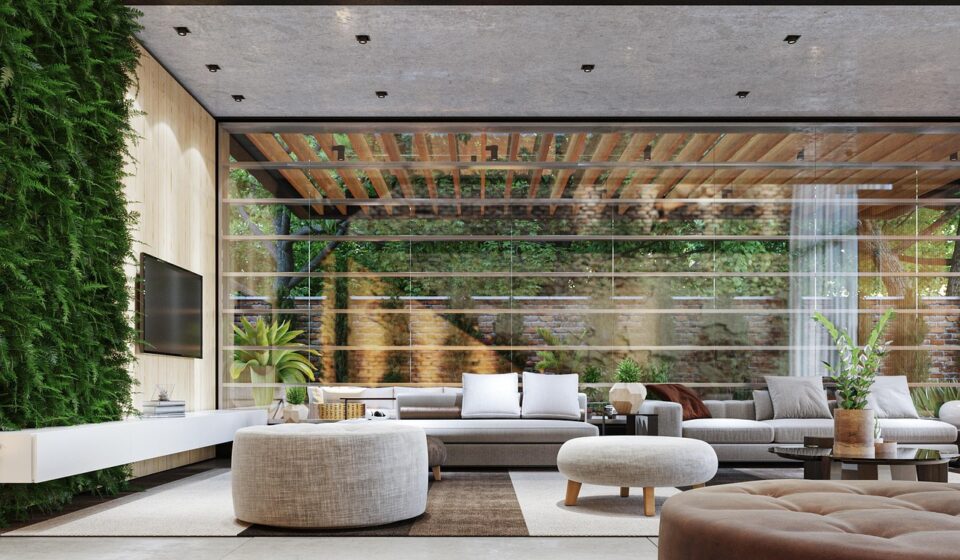
Casa design furniture is best understood as a home-centered approach to furnishing, not a single legally defined style. In search and retail contexts, the phrase often refers to contemporary pieces with European or Italian influence: restrained silhouettes, tactile materials, careful proportions, and enough warmth for everyday living. The useful question is not whether a room looks expensive, but whether every sofa, table, cabinet, and light supports how the home is actually used. Recent industry signals, including Salone del Mobile.Milano 2026’s focus on measurable sustainability and material-led design, point in the same direction: fewer disposable pieces, better materials, clearer function, and interiors that feel personal without becoming cluttered.
The word “casa” naturally suggests the home rather than a showroom. That distinction matters. A casa design furniture plan should not begin with a single statement chair or a glossy catalogue image. It should begin with scale, circulation, comfort, maintenance, and material honesty. A room can include marble, walnut, leather, linen, glass, steel, ceramic, or lacquer, but those finishes need to work together instead of competing for attention.
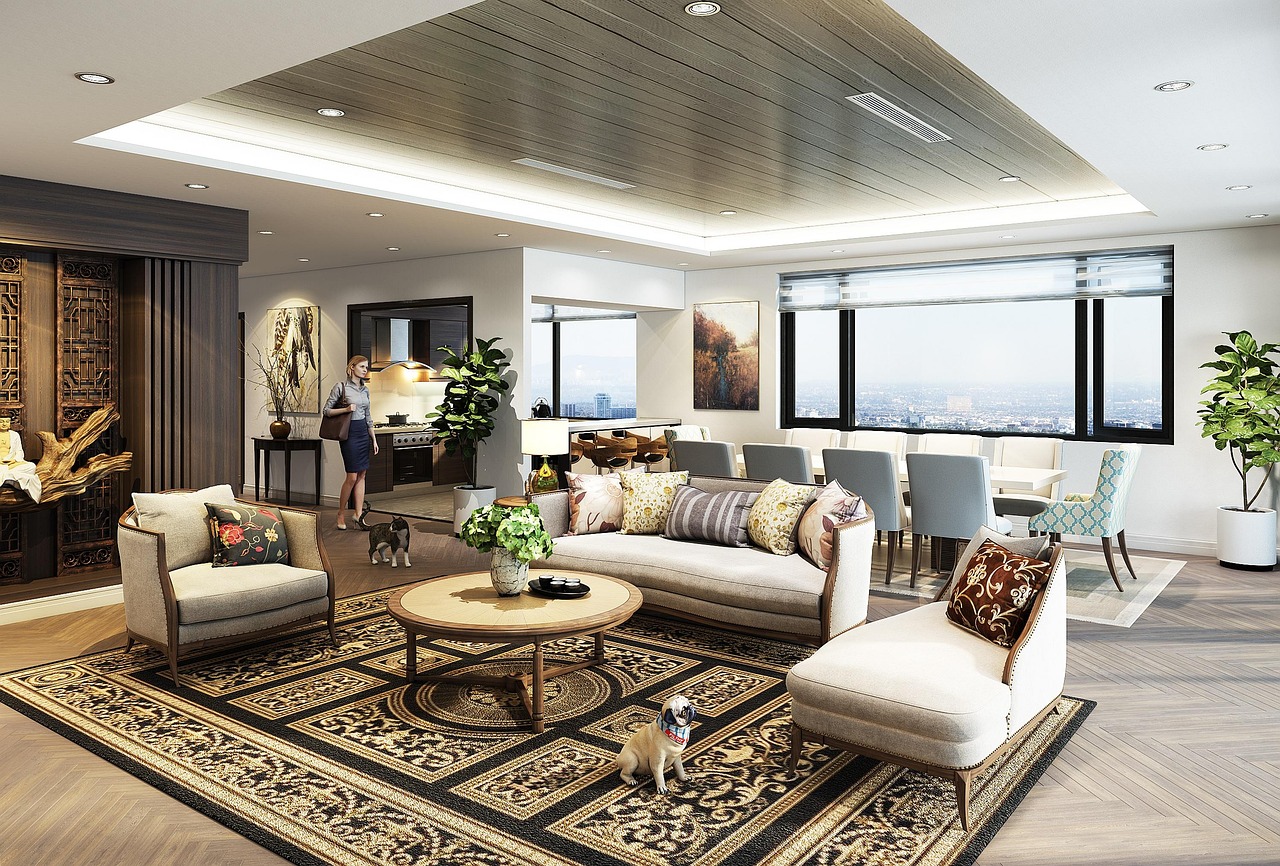
Because several studios, retailers, and collections use similar wording, this guide treats casa design furniture as a broad design search phrase rather than a review of one specific company. The aim is to help homeowners, designers, and furniture buyers evaluate the look with practical criteria.
Why the style fits current furniture priorities
The renewed interest in casa design furniture reflects a wider shift in interiors. After years of fast trend cycles, many homeowners are looking for rooms that feel calm, flexible, and durable. The American Society of Interior Designers’ 2025 trend materials emphasized wellness, sustainability, inclusivity, technology, and personal storytelling as important design concerns. In furniture terms, a room is now expected to do more than look coordinated. It must support health, identity, daily routines, and long-term use.
Salone del Mobile.Milano 2026 also placed sustainability and circular design at the center of the furniture conversation. That does not mean every home needs experimental objects or museum-level pieces. It does mean buyers are increasingly asked to consider where materials come from, how long products last, whether components can be repaired, and whether a piece can adapt as a household changes.
For a furniture and building materials audience, the key point is that style and specification now overlap. A dining table is no longer judged only by its silhouette. Surface durability, edge detail, base stability, finish repairability, packaging, and compatibility with the room’s flooring and lighting all influence whether it is a sound decision.
The material palette behind casa design furniture
Materials carry much of the visual identity in casa design furniture. The look usually works best when a room combines a limited number of high-quality surfaces rather than many decorative effects. Natural and engineered materials can both work, provided each is chosen for a clear reason.
Wood and veneer
Warm woods such as walnut, oak, ash, and stained beech are common because they soften contemporary geometry. Solid wood can be repaired and refinished, but it may move with humidity. High-quality veneer over stable substrates can be suitable for large panels, cabinets, and tables, especially when grain matching and edge construction are well handled. The key is transparency: buyers should know whether they are purchasing solid wood, veneer, plywood, MDF, or particleboard.
Stone, ceramic, and sintered surfaces
Marble, travertine, quartzite, ceramic slabs, and sintered stone help create the architectural quality associated with modern European interiors. Natural stone offers unique veining but needs sealing and careful cleaning. Ceramic and sintered surfaces can provide strong stain and heat resistance, but edge profiles and support structures still matter. A stone-look table that chips easily at the edge will not feel refined in daily use.
Metal, glass, and reflective details
Brushed steel, bronze-toned metal, blackened frames, and glass can introduce lightness. These materials are useful when a room contains heavy upholstery or large storage pieces. Reflective surfaces still need control. Too much shine can make a home feel cold, while a few precise details can sharpen the composition.
Upholstery and tactile comfort
Casa design furniture should look composed, but it should not feel stiff. Bouclé, wool blends, linen textures, leather, recycled textiles, and performance fabrics all have a place when selected honestly. A pale sculptural sofa may be visually appealing, but households with children, pets, or frequent entertaining should look closely at abrasion ratings, cleanability, cushion construction, and replacement options.
How to apply the look room by room
A consistent casa design furniture plan does not require matching sets. Rooms often look stronger when furniture shares proportion and material logic rather than identical finishes.
Living room
Start with seating depth, traffic flow, and conversation. A low-profile sofa, one generous lounge chair, a stone or wood coffee table, and layered side tables can create a relaxed but structured room. Curved seating can soften architecture, while rectilinear storage can keep the room grounded. Avoid placing every piece against the wall unless the room is too narrow to support floating furniture.
Dining area
The dining table is often the anchor. For a casa-inspired space, consider a table with a quiet but substantial base, paired with chairs that balance comfort and visual lightness. Upholstered chairs add warmth, but they should be easy to move and proportionate to the tabletop. Leave enough clearance for movement, especially in open-plan kitchens where dining chairs share space with island stools and appliance doors.
Bedroom
Bedrooms benefit from restraint. A platform bed or softly upholstered bed frame, simple nightstands, dimmable lighting, and a limited material palette can create a calm environment. Storage should be integrated where possible. Oversized dressers, too many accent pieces, or dramatic finishes on every surface can make the room feel less restful.
Home office and multifunction rooms
Casa design furniture is especially relevant in multifunctional spaces. A desk should be attractive enough to sit in an open room, but cable management, task lighting, drawer access, and chair ergonomics still matter. Modular shelving, closed storage, and movable side tables help a space shift between work, reading, hobbies, and guest use.
For more ideas across product types and interior styles, browse our furniture design coverage.
A practical buying framework
The easiest way to avoid impulse purchases is to evaluate each furniture piece through design, performance, and maintenance at the same time. The table below offers a practical framework. See also: BUILDING MATERIALS.
| Decision area | What to check | Why it matters |
|---|---|---|
| Scale | Room dimensions, doorways, stair access, and clearance around the piece | A well-designed item fails if it blocks movement or cannot be delivered safely |
| Material | Solid wood, veneer, MDF, metal gauge, stone type, ceramic surface, or upholstery composition | Material affects weight, durability, repairability, and price |
| Construction | Joinery, frame support, cushion fill, edge treatment, drawer slides, and hardware | Hidden construction often determines how long furniture remains usable |
| Indoor air quality | Composite wood compliance, finish type, adhesive information, and ventilation needs after delivery | Pressed wood, coatings, adhesives, and some furnishings can contribute to indoor emissions |
| Maintenance | Cleaning instructions, stain resistance, sealing needs, and replacement parts | A surface that cannot be maintained may age poorly in a busy home |
| Adaptability | Modular elements, removable covers, repair options, and neutral proportions | Adaptable furniture can survive layout changes and life-stage changes |
Indoor air quality deserves special attention. The U.S. Environmental Protection Agency identifies pressed wood products such as particleboard, hardwood plywood, and medium density fiberboard as common materials in furniture and cabinetry, and it has formaldehyde standards for certain composite wood products. This does not mean composite materials should always be avoided. It means buyers should ask informed questions about compliance, finishes, and ventilation, especially when furnishing bedrooms, children’s rooms, or small apartments.
Common mistakes to avoid
The first mistake is confusing minimalism with emptiness. Casa design furniture often uses clean lines, but a livable room still needs texture, lighting, storage, and personal objects. If everything is beige, smooth, and low, the result may feel flat rather than refined.
The second mistake is buying for the photo instead of the plan. A sculptural lounge chair may be memorable, but if it has no relationship to the sofa height, side table position, or reading light, it becomes an obstacle. The same is true for oversized coffee tables, fragile dining surfaces, and storage units that do not match real household needs.
The third mistake is overusing stone and heavy forms. Stone tables, plinth bases, and thick slabs can look impressive, but they need visual breathing room. Pairing them with lighter chairs, floating shelves, or soft upholstery usually creates a more balanced space.
The fourth mistake is ignoring maintenance. A white bouclé sofa, unlacquered metal, open-grain stone, or dark high-gloss cabinet can all be beautiful under the right conditions. None is automatically practical. Good design means choosing the level of upkeep you are willing to accept.
The fifth mistake is treating sustainability as a vague label. More meaningful questions include whether the piece is durable, repairable, responsibly sourced, low-emitting, recyclable, or likely to stay useful for years. A trend-driven object made from a fashionable material is not automatically a sustainable choice.
What to look for before purchasing
Before buying casa design furniture, create a short specification sheet for the room. Include the room dimensions, existing floor and wall materials, lighting conditions, household habits, delivery constraints, and the pieces that must remain. Then decide which item should be the visual anchor. In a living room, that may be the sofa. In a dining area, it is usually the table. In a bedroom, it may be the bed or built-in storage.
After the anchor is clear, choose supporting pieces that solve real problems. A sideboard can hide tableware and reduce kitchen clutter. A bench can provide flexible seating without adding visual weight. A pair of nesting tables can replace a large coffee table in a smaller room. This is where casa design furniture becomes practical rather than decorative.
Samples are also important. Wood, stone, fabric, and metal finishes change under warm evening light, daylight, and shadow. If possible, view samples in the actual room before committing. For upholstered pieces, sit on the furniture long enough to judge depth, back angle, cushion firmness, and arm height. Comfort is not visible in a product photograph.
Finally, compare lead time and service information. Custom finishes, imported products, and made-to-order upholstery can require longer schedules. Ask whether replacement parts, additional fabric, or repair guidance will be available later. Longevity depends on both construction and support.
Frequently asked questions
Is casa design furniture the same as Italian furniture?
Not exactly. The phrase often overlaps with Italian or European contemporary design because of its emphasis on proportion, materials, and refined simplicity. However, casa design furniture can also describe a broader home-centered approach that includes pieces from different regions, as long as they share a coherent design language.
Can casa design furniture work in a small apartment?
Yes, but scale is critical. Choose fewer pieces with clear functions, lighter bases, integrated storage, and surfaces that reflect or preserve visual space. A compact apartment may benefit from modular seating, slim dining chairs, wall-mounted storage, and tables with rounded corners.
Is this style always expensive?
No. Premium materials and imported brands can be costly, but the look is not only about price. Strong proportions, durable fabrics, honest material descriptions, and a disciplined palette can create a similar effect at different budgets. It is often better to spend more on the anchor piece and keep secondary items simple.
Which colors fit casa design furniture?
Common palettes include warm white, sand, taupe, clay, walnut, charcoal, olive, deep brown, and muted metallic tones. The goal is not to avoid color completely. A controlled accent, such as rust, oxblood, blue-gray, or forest green, can work well when connected to artwork, rugs, or natural materials.
What is the most important rule when choosing pieces?
Prioritize proportion before decoration. A piece with the right scale, height, comfort, and material relationship will usually age better than a more dramatic item that fights the room. Casa design furniture works best when the home feels composed, usable, and personal at the same time.