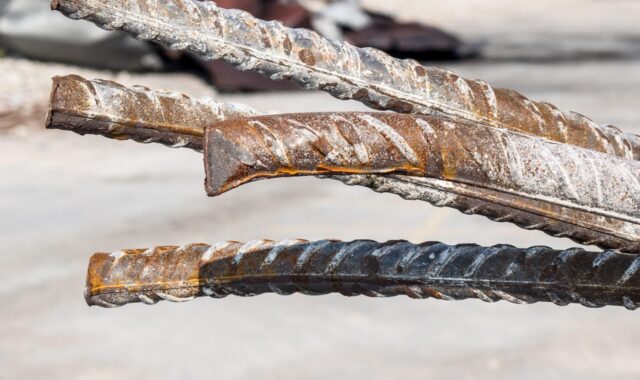
How to choose exterior building materials for durable building envelopes
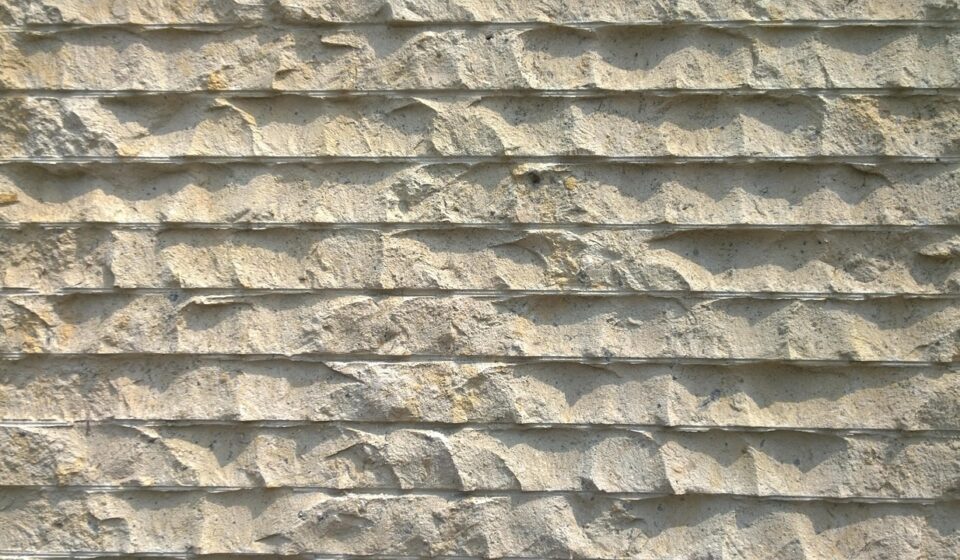
What exterior building materials need to do
Exterior building materials are not selected for appearance alone. A durable exterior package has to shed rain, manage trapped moisture, resist wind and impact, limit fire exposure, support energy performance, and stay serviceable over time. No single material is the right answer for every project. The more reliable approach is to match the cladding, roofing, trim, flashing, underlayment, fasteners, insulation, and drainage details to the building’s climate, code requirements, budget, and maintenance plan.
On many residential and light commercial projects, the common mistake is treating the visible finish as the whole system. Guidance from the U.S. Department of Energy’s Building America program emphasizes drainage planes, flashing, and drying gaps behind cladding. Wildfire guidance from the International Code Council and FEMA shows that exterior walls, roofs, vents, decks, and eaves need to work together. In practice, the best exterior decision is an assembly decision, not a product-only decision. For related material guidance, visit the building materials category.
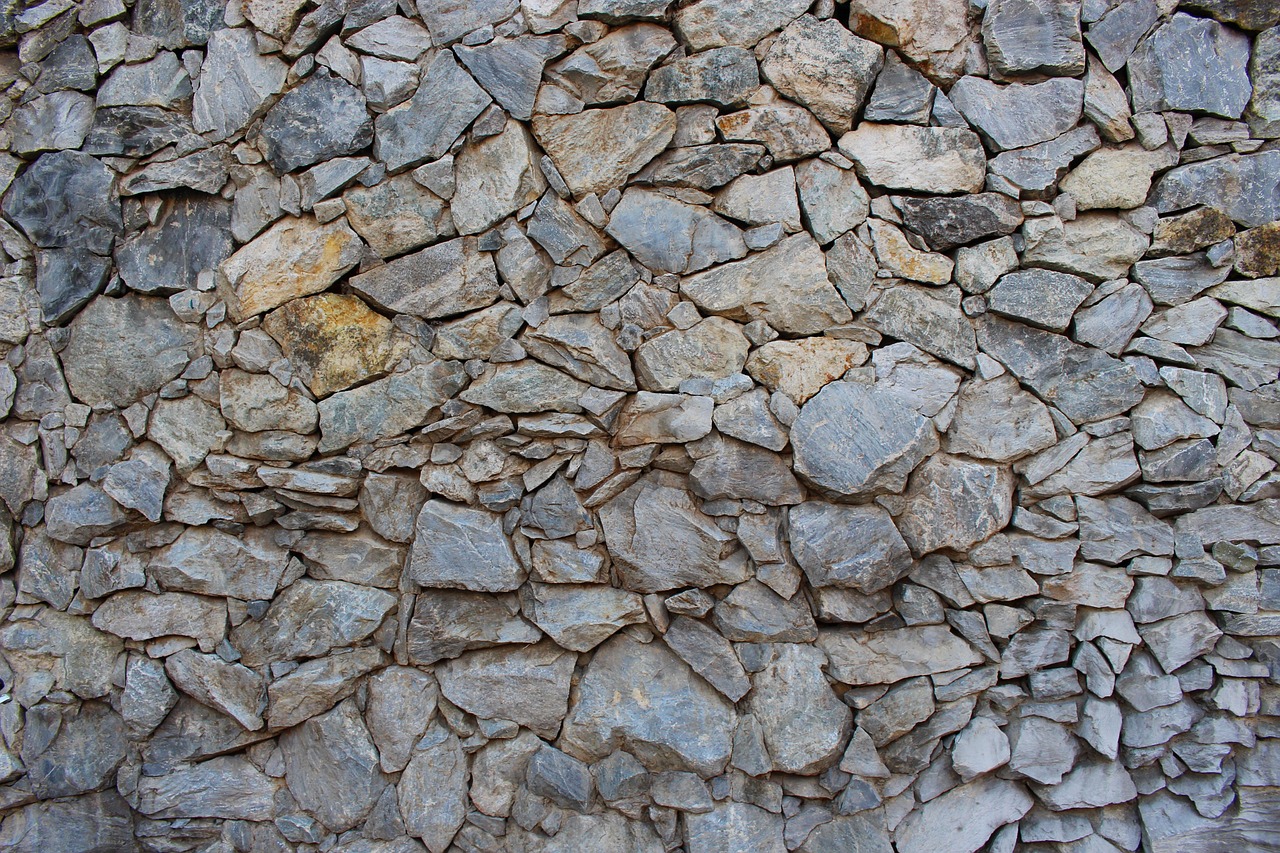
The envelope layers matter more than the finish alone
Every exterior wall and roof includes several control layers. The cladding is the outer rain-shedding layer, but it is not the only line of defense. Behind it, the water-resistive barrier, flashing, air barrier, insulation, sheathing, structural frame, and vapor strategy determine whether the assembly can dry safely or whether it stores moisture in places where rot, corrosion, mold, or finish failure can develop.
Water control comes first
Rain rarely damages a building simply because water touches the siding. Problems occur when water is trapped, directed inward, or held against vulnerable materials. A reliable exterior design should show where water exits at roof edges, windows, doors, deck ledgers, wall bases, and transitions between materials. Rainscreen gaps, drainage mats, weep holes, head flashings, sill pans, kickout flashing, and correctly lapped membranes are not decorative details. They are the drainage path that allows water to leave the assembly.
Reservoir materials such as brick, stone, stucco, and some wood products can absorb and hold moisture. That does not make them poor choices, but it does mean they need space to drain and dry. In wet or humid climates, a small air gap behind absorptive cladding can provide more long-term value than a higher-priced surface finish installed without drainage.
Air and thermal control affect comfort and energy use
Exterior building materials also influence energy performance, although not always in the way owners expect. Siding itself is rarely the main insulation layer. Energy performance depends more on air sealing, continuous insulation, thermal bridge reduction, window performance, roof reflectance where appropriate, and careful transitions between walls, roofs, and foundations. Exterior insulation can keep sheathing warmer in cold climates and reduce heat flow through framing, but it has to be compatible with cladding attachment, fire rules, and vapor behavior.
Fire, wind, and impact are assembly-level questions
Hazard resistance is not determined by one label on one product. A noncombustible cladding surface can still be undermined by combustible vents, open eaves, debris-filled gutters, vulnerable glazing, or an attached deck. A high-wind roof covering can still allow major water damage if the roof deck is not sealed after the covering is damaged. Public guidance from the Insurance Institute for Business & Home Safety highlights the value of keeping roof assemblies attached and limiting wind-driven rain entry. In wildfire-prone areas, model codes such as the International Wildland-Urban Interface Code address ignition-resistant construction, defensible space, exterior walls, roofs, vents, and related details.
Common exterior material options and their trade-offs
The comparison below is a practical starting point. Local codes, manufacturer instructions, tested assemblies, and project-specific engineering can change what is allowed, warranted, or advisable.
| Material family | Strengths | Limitations | Best-fit uses |
|---|---|---|---|
| Fiber-cement siding | Stable, low combustibility compared with many wood and plastic products, available in many profiles | Requires correct cutting, sealing, clearances, flashing, and fasteners; heavy compared with vinyl | Homes needing a balance of durability, fire awareness, and a familiar siding appearance |
| Stucco and cement plaster | Hard surface, good fire resistance, works well in many warm and dry regions | Cracking, drainage, and trapped moisture can become serious issues if detailing is weak | Dry or mixed climates, or wet climates only with robust drainage and installation control |
| Brick or stone veneer | Long service life, high impact resistance, strong visual value | Heavy, labor-intensive, requires ties, flashing, weeps, drainage cavity, and corrosion-aware detailing | Projects prioritizing permanence, impact resistance, and traditional appearance |
| Metal panels and metal roofing | Durable, recyclable, strong in many wind and fire-aware designs when properly specified | Can dent, corrode in aggressive environments, expand and contract, and create thermal bridges | Modern facades, coastal projects with appropriate coatings, and long-life roof systems |
| Wood siding and trim | Renewable, repairable, warm appearance, easy to work with | Requires coating maintenance, moisture detailing, pest protection, and fire-risk review | Lower-risk climates, rainscreen walls, historic work, and projects with planned maintenance |
| Engineered wood products | Consistent profiles, efficient use of wood fiber, familiar installation methods | Edges, cuts, clearances, and coating systems must be protected from prolonged wetting | Cost-sensitive residential siding where installation quality can be controlled |
| Vinyl or polymer siding | Low initial cost, low painting requirement, lightweight | Heat distortion, wind rating, impact, fire behavior, and detailing quality vary by product and exposure | Budget-focused projects in moderate exposures where code and performance ratings are verified |
| Composite facade panels | Design flexibility, large-format appearance, potential for ventilated rainscreen systems | Fire testing, attachment, movement, and code compliance must be reviewed as a complete assembly | Commercial and multifamily facades with professional specification and inspection |
How climate and code change material selection
The same material can perform well in one region and poorly in another. The difference is usually not the brand name; it is the exposure. Before comparing colors and profiles, identify the environmental loads the exterior will face over the next several decades.
Wet and humid climates
Rainfall, wind-driven rain, humidity, and limited drying time make moisture management the priority. In these regions, choose cladding systems that drain, dry, and tolerate occasional wetting. Back-ventilated siding, drainage mats behind stucco, corrosion-resistant fasteners, sloped horizontal surfaces, and generous roof overhangs can reduce risk. Avoid trapping moisture between low-permeance layers unless the wall has been designed for that vapor profile.
Wildfire-prone regions
In wildfire exposure zones, exterior building materials should be reviewed for ignition resistance, ember entry, and nearby fuel. Noncombustible or ignition-resistant cladding can help, but weak points often occur at vents, eaves, decks, fences, mulch beds, and gaps where embers collect. Roofing is especially important because windblown embers can land on roof surfaces and in gutters. The safest specification language refers to locally adopted code requirements and approved assemblies rather than broad marketing terms such as fireproof.
Coastal and high-wind areas
Coastal buildings face wind uplift, wind-driven rain, salt exposure, and corrosion. Material selection should include fastener type, coating durability, attachment schedule, roof edge design, and impact requirements where applicable. Metal systems may perform very well when coatings and fasteners match the environment, but the wrong fastener can shorten service life. For roof assemblies, the secondary water barrier can be as important as the visible roof covering after a severe wind event. See also: BUYER GUIDES.
Cold and mixed climates
Cold regions add freeze-thaw cycling, condensation risk, snow loads, ice dams, and large temperature swings. Masonry and stucco must be detailed to avoid saturation before freezing. Wall assemblies need enough thermal control to reduce condensation risk at the sheathing or within cavities. Dark cladding, ventilated cavities, snow guards, roof underlayments, and ice-barrier details may all be part of the exterior material decision.
Sustainability depends on service life, repair, and end-of-life planning
A sustainable exterior is not simply the product with the greenest label. It is the system that lasts, can be maintained, limits replacement waste, and fits the building’s actual exposure. The U.S. Environmental Protection Agency treats many construction and demolition materials, including wood, steel, concrete, brick, asphalt shingles, and drywall, as recoverable commodities when they are properly managed. That perspective is useful for exterior design because every premature replacement adds waste, transport, labor, and cost.
Durability is often the most overlooked sustainability feature. A high-embodied-carbon material that lasts for generations may compare favorably with a low-impact material that fails early because it was used in the wrong exposure. Wood can be renewable and repairable, but it needs coatings, clearances, and fire-aware detailing. Metal can include recycled content and be recyclable, but thermal bridging and corrosion must be addressed. Masonry can be long-lived, but it is heavy and labor-intensive. Polymer products can reduce painting, but heat, fire behavior, and end-of-life options vary widely.
Specifiers should look for environmental product declarations where available, but they should not stop there. Ask whether replacement pieces will be available in ten years, whether the finish can be repaired instead of replaced, whether the fasteners are accessible, and whether demolition can separate materials cleanly. Good sustainability decisions are usually practical before they are promotional.
A practical checklist before specifying exterior materials
- Map the exposure. Identify rainfall, humidity, wind zone, wildfire exposure, salt air, freeze-thaw risk, hail, pests, and solar intensity.
- Confirm local code requirements. Model codes are amended locally, so verify the adopted code, zoning rules, fire district requirements, energy code, and historic district limits before specifying materials.
- Draw the water path. Show how water exits at windows, doors, decks, wall bases, roof-wall intersections, parapets, and material transitions.
- Evaluate the complete assembly. Check cladding, sheathing, membranes, insulation, air barrier, vapor control, fasteners, and structure together.
- Match fasteners and flashings to the environment. Stainless steel, hot-dip galvanized steel, coated steel, aluminum, and copper are not interchangeable in every assembly.
- Check fire and wind documentation. Do not rely on broad claims. Use approved products, tested assemblies, listed installation methods, and code-compliant details.
- Plan maintenance honestly. Wood, stucco, coatings, sealants, and some metals can perform well if inspections and maintenance are realistic for the owner.
- Compare life-cycle value, not only first cost. Include installation labor, repainting, cleaning, repairability, expected service life, replacement risk, and disposal or reuse options.
Frequently asked questions
What are exterior building materials?
Exterior building materials include the visible and hidden products that protect the outside of a building. They can include roofing, siding, masonry veneer, stucco, panels, trim, windows, doors, flashing, membranes, insulation, fasteners, sealants, soffits, gutters, and deck connections. The visible finish is only one part of the exterior envelope.
What is the most durable exterior material?
There is no universal answer. Brick, stone, fiber cement, stucco, metal, and properly maintained wood can all be durable when used in the right climate and assembly. The most durable choice is usually the material that matches the exposure, drains and dries correctly, meets code, and can be maintained without unusual effort.
Do exterior materials improve energy efficiency?
They can, but the largest gains usually come from air sealing, insulation, window performance, roof design, and thermal bridge control. Cladding can support energy goals by protecting insulation and membranes, providing ventilation behind solar-heated surfaces, or allowing continuous exterior insulation to be installed correctly.
Which exterior materials are better for wildfire areas?
Wildfire-aware construction often favors noncombustible or ignition-resistant materials for roofs, walls, vents, decks, and nearby attachments. However, the whole assembly matters. Embers can exploit gaps, vents, debris, and combustible items near the building, so material selection should be paired with code-compliant detailing and defensible space.
How often should exterior materials be inspected?
Most buildings benefit from a visual exterior inspection at least once a year and after major storms, nearby wildfires, hail, or high-wind events. Check cracked sealants, loose flashing, clogged gutters, damaged paint, open joints, soft trim, corrosion, missing fasteners, and any area where water appears to be staining or collecting.