Care & maintenance guide for furniture, floors, and interior finishes
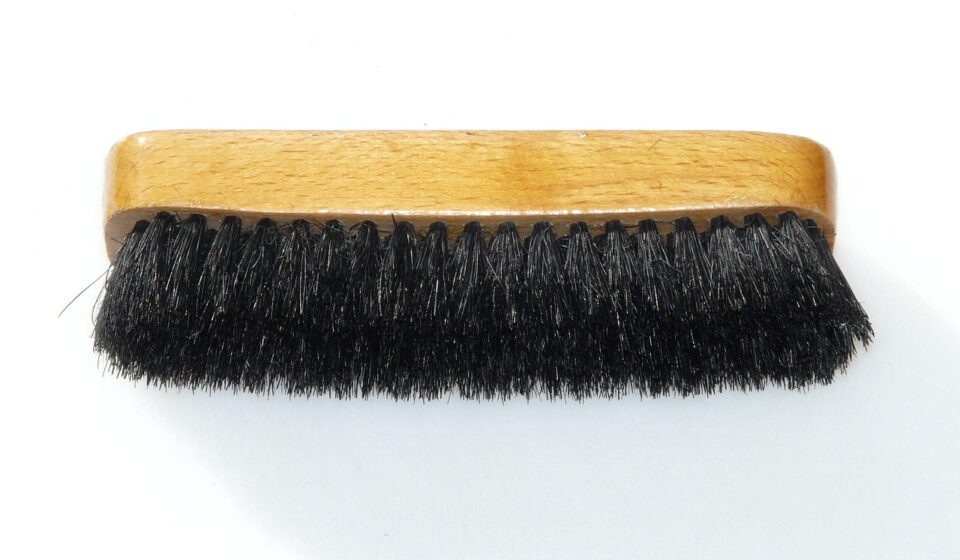
Care & maintenance starts with prevention, not stronger chemicals
For furniture, floors, cabinets, countertops, and interior finishes, care & maintenance is usually about controlling the conditions that cause damage, not using more aggressive cleaners. Dust, grit, moisture, sunlight, spills, heat, and unsuitable products often create more long-term problems than normal use. A dependable routine removes soil before it becomes abrasive, limits moisture before it reaches seams or unfinished edges, and matches each cleaning product to the material and finish.
This guide focuses on practical home and light-commercial maintenance for common furniture and building materials. It draws on publicly available guidance from organizations such as the CDC, EPA, and the National Wood Flooring Association, while keeping the recommendations general enough for mixed-material interiors. Always follow the manufacturer’s instructions for a specific finish, coating, adhesive, stone sealer, flooring system, or fabric treatment.

For more related articles, visit the Care & Maintenance section.
Why the same cleaner can protect one surface and damage another
Interior materials are not maintained in the same way because they do not fail in the same way. Solid wood reacts to moisture and humidity. Veneer can lift at the edges when water reaches the glue line. Upholstery traps dust and body oils. Natural stone may stain if it is porous or poorly sealed. Laminate and engineered surfaces can tolerate routine wiping, but they may swell if water sits at joints. Metal hardware can tarnish, corrode, or lose its coating when exposed to harsh chemicals.
A good maintenance plan starts by identifying the surface category before choosing the cleaner. The safest default is often a soft cloth, mild soap or detergent where suitable, limited water, and prompt drying. Strong solvents, abrasive powders, steam, bleach, ammonia, vinegar, and oil-based polishes may be acceptable in some applications, but damaging in others. When the finish is unknown, test any product in a hidden area and wait for the surface to dry before judging the result.
CDC guidance distinguishes cleaning from sanitizing and disinfecting: cleaning removes dirt and many germs, while disinfecting is a separate step used when needed. For most residential interiors, routine cleaning is the first and most important step. Disinfecting should be limited to appropriate nonporous surfaces, illness-related situations, or manufacturer-approved uses because disinfectants can damage finishes if they are misused.
High-impact maintenance habits for everyday interiors
The most effective care routines are simple enough to repeat. They reduce abrasion, moisture exposure, and chemical stress before damage becomes visible.
- Remove grit before it scratches. Use entry mats, vacuum regularly, and wipe hard surfaces with a clean, nonabrasive cloth. Grit acts like sandpaper on wood finishes, flooring coatings, laminate, and painted surfaces.
- Blot spills quickly. Absorb liquids instead of spreading them. Pay close attention to seams, joints, unfinished edges, upholstery piping, cabinet toe kicks, and areas around sinks.
- Use the least aggressive cleaner that works. Start with dusting, then use a mild detergent if the material allows it. Escalate only when the soil requires it and the surface instructions permit it.
- Dry after damp cleaning. A damp cloth is often useful; standing water is not. Drying is especially important around wood, veneer, engineered flooring, cabinet doors, and metal hardware.
- Protect contact points. Felt pads under chair and table legs help reduce scratching on wood and resilient floors. Coasters, trivets, placemats, and desk pads reduce rings, heat marks, and surface wear.
- Control sunlight and heat. UV exposure can fade fabrics, wood stains, leather, and some finishes. Rotate cushions, use window treatments, and avoid placing heat sources directly against furniture panels.
- Ventilate when using stronger products. Public health guidance warns that cleaning and disinfecting products should be used according to the label, with adequate ventilation and without mixing chemicals.
These habits matter because many maintenance failures are cumulative. One damp wipe may not ruin a cabinet door, but repeated wet cleaning along the same edge can eventually soften, swell, or discolor the material.
Material-by-material care guide
The table below summarizes common care priorities for furniture and interior building materials. It is not a substitute for product-specific instructions, but it helps organize the risks that usually matter most.
| Material or surface | Main risk | Routine care | Mistakes to avoid |
|---|---|---|---|
| Wood furniture and veneer | Water marks, lifting veneer, scratches, fading | Dust with a soft cloth, wipe spills promptly, use coasters and pads, keep away from direct heat | Soaking edges, using abrasive pads, applying heavy polish buildup, placing hot items directly on the surface |
| Hardwood floors | Grit scratches, humidity movement, dents | Vacuum or dust mop often, use furniture pads, clean with products approved for the floor finish | Wet mopping, steam cleaning unless approved, dragging furniture, ignoring indoor humidity |
| Upholstery and fabric panels | Dust, stains, odor, fading | Vacuum with an upholstery attachment, rotate cushions, blot stains, follow fabric cleaning codes | Rubbing spills aggressively, overwetting foam, using bleach or solvent without testing |
| Leather | Drying, cracking, dye transfer, body oil buildup | Dust regularly, wipe lightly with a suitable cleaner, condition only when recommended by the manufacturer | Using household detergents, alcohol, excess water, or silicone-heavy products not intended for leather |
| Laminate and melamine | Swollen seams, dulling, edge damage | Wipe with a damp cloth and mild cleaner, then dry; clean spills near edges quickly | Flooding joints, scraping with sharp tools, using abrasive powders |
| Natural stone | Staining, etching, sealer wear | Use pH-appropriate cleaners, wipe spills quickly, reseal when needed based on stone and use | Using acidic cleaners on sensitive stone, assuming all stone is equally stain-resistant |
| Cabinetry and painted millwork | Grease buildup, chipped paint, water at joints | Clean handles and touch points regularly, use mild detergent where allowed, dry around seams | Letting water sit on rails, using harsh degreasers on painted or lacquered finishes |
| Metal hardware | Corrosion, finish loss, fingerprints | Dust and wipe with a dry or slightly damp cloth; use metal-specific products only when suitable | Using bleach, ammonia, or abrasive pads on plated finishes |
Moisture and indoor conditions are part of maintenance
Cleaning is only one part of care. Indoor moisture conditions can affect how long floors, furniture, cabinets, wall panels, and textiles remain stable. EPA indoor air guidance notes that dampness and biological contaminants can be managed partly through source control, cleaning, and ventilation. In practical terms, that means avoiding chronic leaks, damp carpets, condensation, and poorly ventilated rooms.
Wood is especially sensitive because it expands and contracts as moisture conditions change. The National Wood Flooring Association advises maintaining wood floors in a stable indoor environment, commonly cited as 60 to 80 degrees Fahrenheit and 30 to 50 percent relative humidity year-round. Every product and region may have its own conditions, but the principle is consistent: sudden or extreme swings increase the risk of gaps, cupping, crowning, checking, and finish stress.
Moisture control also protects non-wood materials. Upholstery can hold odors when rooms stay damp. Metal fittings may corrode faster in humid areas. Some composite panels can swell when liquid reaches unsealed edges. Mold risk increases when porous materials remain wet. Maintenance therefore includes fixing plumbing leaks, drying wet areas quickly, using exhaust fans in kitchens and baths, and allowing air movement behind large furniture placed against exterior walls.
Cleaning, sanitizing, and disinfecting without damaging finishes
Many surfaces are damaged not by dirt, but by an overreaction to dirt. CDC home cleaning guidance emphasizes that surfaces should be cleaned before sanitizing or disinfecting because soil can reduce the effectiveness of later chemical steps. That sequence matters for furniture and finishes because it helps avoid unnecessary chemical exposure. If dust, food residue, or fingerprints can be removed by routine cleaning, a disinfectant may not be necessary.
Use disinfectants only where they fit the surface
Disinfectants are designed for specific surfaces and contact times. They should not be assumed safe for unfinished wood, delicate coatings, natural stone, leather, upholstery, or antique finishes. If a disinfectant label requires the surface to remain wet for a specified dwell time, that requirement may conflict with the care needs of moisture-sensitive materials. In those cases, choose a surface that can safely be disinfected, or follow manufacturer guidance for the material.
Do not mix cleaning chemicals
Public health agencies consistently warn against mixing household cleaning products. Mixing bleach with ammonia or acids can create dangerous fumes, and combining cleaners rarely improves routine care. For interior finishes, mixing products also increases the chance of residue, discoloration, or chemical attack. Use one product at a time, rinse or wipe as directed, and store products in their original labeled containers whenever possible.
Consider safer product selection
The EPA’s Safer Choice program identifies cleaning products that meet ingredient criteria for human health and environmental considerations. That does not mean every certified product is suitable for every finish, but it gives buyers a more structured way to evaluate ingredient claims than relying on broad words such as “green” or “eco.” For furniture and building materials, the best product is both safer in use and appropriate for the surface.
A practical maintenance schedule for mixed-material rooms
A schedule helps separate daily attention from seasonal maintenance. It also helps prevent overcleaning, which can be as harmful as neglect for some finishes.
Daily or as needed
- Blot spills immediately and dry the area.
- Wipe food, body oil, and fingerprints from high-touch surfaces such as handles, arms, tables, and counters.
- Use coasters, mats, and trivets before moisture or heat reaches the surface.
- Pick up grit near entrances before it spreads across flooring.
Weekly
- Vacuum floors, rugs, and upholstery using suitable attachments.
- Dust furniture, shelves, trim, and hard surfaces with a soft cloth.
- Clean touch points such as cabinet pulls, light switches, remote controls, and door hardware according to the surface type.
- Inspect under planters, pet bowls, sinks, and appliances for hidden moisture.
Monthly
- Check furniture pads and replace compressed or dirty pads that can scratch floors.
- Rotate cushions and rugs where sunlight or traffic patterns are uneven.
- Clean behind and under furniture where dust can accumulate and restrict airflow.
- Look for early finish wear on tabletops, stair treads, cabinet edges, and frequently used seating.
Seasonally
- Review indoor humidity and adjust ventilation, humidification, or dehumidification if needed.
- Inspect caulk lines, grout, stone sealers, and floor transitions for gaps or wear.
- Deep clean upholstery, rugs, or flooring only with methods approved for the material.
- Move furniture carefully and check for dents, trapped moisture, or sunlight fading.
This schedule is intentionally conservative. A busy household with pets, children, frequent visitors, or heavy cooking may need more frequent cleaning. A low-traffic room may need less. The key is to respond to actual soil, wear, and environmental conditions rather than applying strong products on a fixed schedule.
Common care mistakes that shorten service life
Several maintenance mistakes appear across many materials. The first is using too much water. Water can travel into seams, screw holes, underside edges, upholstery layers, flooring joints, and cabinet panels. Even surfaces that look waterproof may have vulnerable edges or penetrations.
The second mistake is assuming all “natural” products are gentle. Vinegar, lemon juice, baking soda, and essential oils can still stain, etch, abrade, or leave residue. Natural stone, waxed wood, oil finishes, and some coatings may react poorly to products that are commonly recommended for general household cleaning.
The third mistake is ignoring the difference between surface dirt and finish failure. If a tabletop looks cloudy, sticky, or patchy after repeated cleaning, the issue may be wax buildup, coating damage, moisture intrusion, or chemical incompatibility rather than dirt. More scrubbing can make the problem worse. When finish failure is suspected, reduce cleaning intensity and consult product documentation or a qualified refinisher.
The fourth mistake is delaying small repairs. Loose glides, worn chair pads, chipped cabinet edges, missing caulk, and small floor scratches create entry points for more damage. Quick correction is usually less expensive than repair after moisture or abrasion spreads.
Frequently asked questions
How often should furniture and interior finishes be cleaned?
Clean visible soil and spills immediately, dust weekly in active rooms, and adjust deeper cleaning to traffic, pets, cooking residue, and seasonal conditions. High-touch surfaces need more attention than low-touch decorative surfaces.
Is disinfecting necessary for furniture?
Not always. Routine cleaning is usually the first step for household surfaces. Disinfecting is most appropriate when someone is sick, when a surface is nonporous and compatible with the disinfectant, or when product instructions specifically call for it.
Can steam cleaners be used on wood floors or upholstered furniture?
Only if the manufacturer clearly allows it. Steam adds heat and moisture, both of which can damage wood, adhesives, finishes, fabrics, padding, and seams. When in doubt, use a less aggressive method.
What humidity level is better for wood floors and furniture?
Wood performs best in stable indoor conditions. Industry guidance for wood flooring often points to a moderate indoor range, such as 30 to 50 percent relative humidity, but the product manufacturer’s recommendations should take priority.
What is the safest cleaner for unknown finishes?
Start with dry dusting or a barely damp soft cloth. If more cleaning is needed, test a mild solution in an inconspicuous area and dry the surface promptly. Avoid solvents, abrasives, bleach, ammonia, and acidic cleaners until the material and finish are confirmed.
Sources consulted
This article was informed by publicly available guidance from the U.S. Centers for Disease Control and Prevention on home cleaning and disinfecting, the U.S. Environmental Protection Agency on indoor air quality and safer cleaning product selection, and the National Wood Flooring Association on wood floor care and indoor environmental conditions.