Polished concrete floor maintenance for daily cleaning and long-term shine
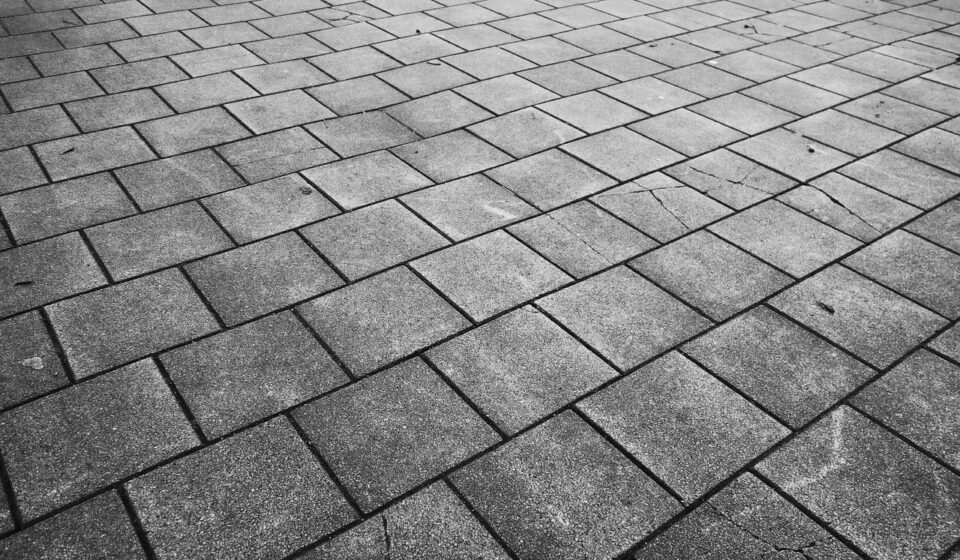
Polished concrete floor maintenance works best when it prevents abrasion and chemical damage before the surface loses clarity. A well-polished slab normally does not need wax, heavy coatings, or aggressive cleaners for everyday care. It does need frequent dry soil removal, damp cleaning with a neutral cleaner, clean microfiber tools or pads, and prompt spill response. Industry maintenance guidance from the Concrete Polishing Council of the American Society of Concrete Contractors notes that contaminants can act like sandpaper on the surface. Professional concrete publications also commonly warn against cleaners that are too acidic or too alkaline. The practical goal is straightforward: remove grit, avoid residue, protect high-traffic paths, and recognize when dullness calls for burnishing or professional restoration rather than more detergent.
For more care topics across furniture, floors, and building materials, visit the Care & Maintenance section.
What polished concrete maintenance needs to protect
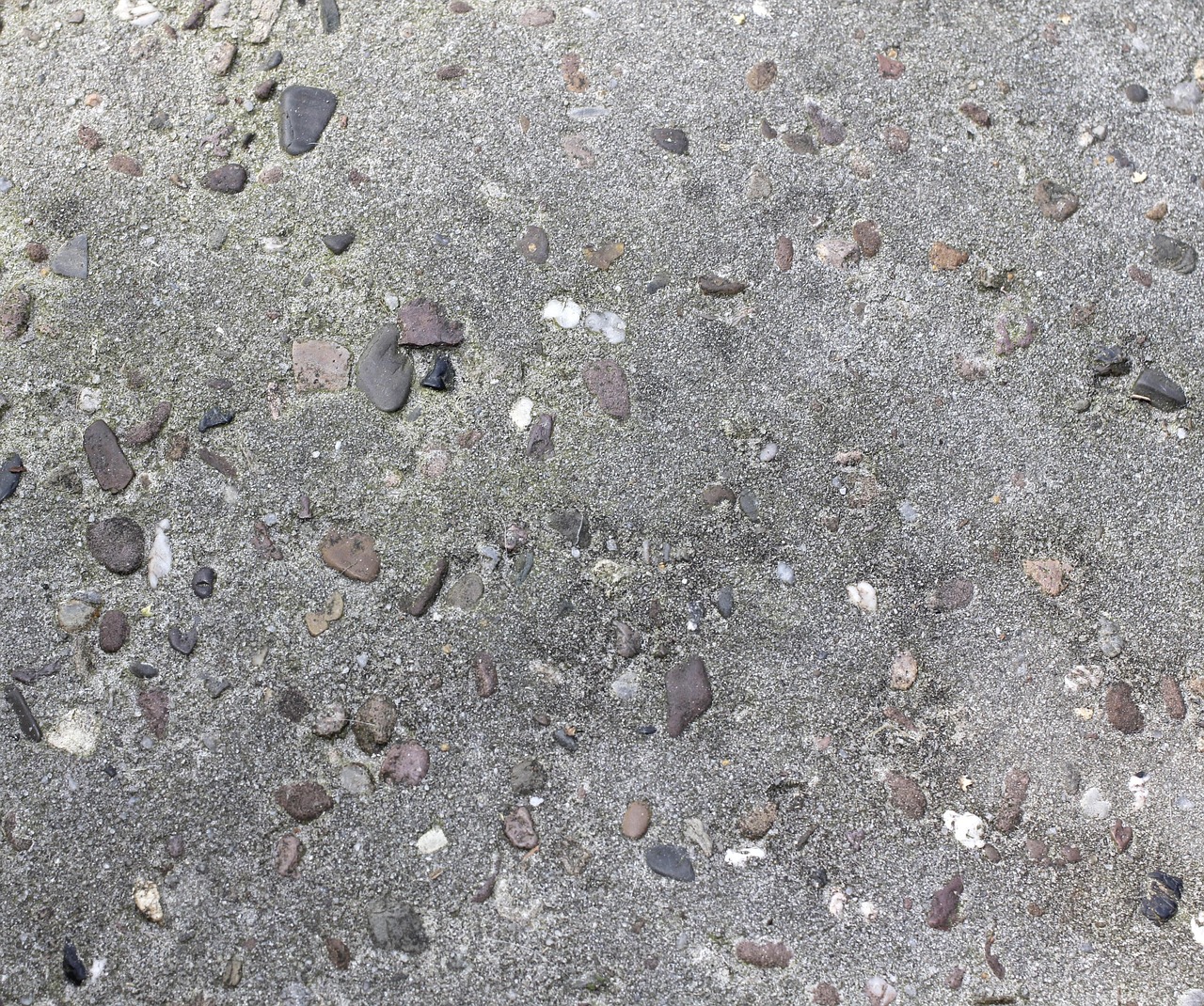
Polished concrete gets its sheen from a mechanical process. The surface is ground, honed, and polished with progressively finer abrasives, usually with a densifier applied during the process to harden the concrete surface. The finish is tough, but it is not immune to wear. Visible shine depends on surface smoothness, cleanliness, and light reflection. Fine sand, tracked-in dust, salt, oily soil, and dirty mop water can all reduce that reflection over time.
That is why polished concrete is better described as low maintenance, not maintenance-free. It may not require the stripping and waxing cycle associated with some resilient floors, but neglect still shows. When abrasive soil remains on the surface, foot traffic and equipment wheels grind that soil across the polish. When strong chemicals are used repeatedly, the surface can become hazy or dull. When spills sit too long, especially oils, dyes, acids, or food liquids, stains can become harder to remove.
A good maintenance program protects four things: polish clarity, stain resistance, walking-surface safety, and a consistent appearance from entrances to interior rooms. The right routine depends on traffic, climate, use, and whether the floor is in a home, showroom, restaurant, warehouse office, or retail environment.
Daily and weekly cleaning routine
The most important maintenance step is dry soil removal. In a home, this may mean vacuuming with a hard-floor attachment or using a clean microfiber dust mop. In a retail or office space, it may mean dust mopping once or several times a day, especially near entrances. This is not only cosmetic. Removing grit before it is walked into the surface slows the loss of gloss.
After dry soil removal, damp cleaning should use clean water and a cleaner made for polished concrete or a neutral pH hard-floor cleaner. For residential floors, a damp microfiber mop is usually enough. For larger commercial floors, an auto-scrubber with a soft brush, white pad, red pad, or manufacturer-approved diamond-impregnated maintenance pad can clean more evenly and recover slurry instead of spreading it around. The recovery tank, squeegee, brushes, and pads should be cleaned after use, because a dirty machine can reapply soil to the floor.
Do not flood the floor and let dirty water dry on the surface. Excess water is less of a concern for a properly treated polished slab than for wood flooring, but standing dirty solution can leave mineral marks, detergent residue, or cloudy trails. Work in manageable sections, keep mop water fresh, and let the surface dry clean. If a cleaner requires rinsing, follow the label. If a no-rinse cleaner leaves haze, reduce the dilution, rinse with clean water, or switch products after checking the floor installer’s recommendations.
A practical weekly pattern
- Daily or as needed: dust mop, sweep with a soft broom, or vacuum using a non-beater-bar hard-floor setting.
- Weekly in homes: damp mop with a neutral cleaner diluted according to the label.
- Weekly or more often in commercial areas: auto-scrub with clean pads or soft brushes, especially in traffic lanes and near entrances.
- Monthly: inspect for dull paths, residue, stains, damaged mats, and areas where wheels or chair casters concentrate wear.
Cleaner chemistry matters more than fragrance
Many floor problems start with the wrong cleaner. A polished concrete floor should usually be maintained with a neutral cleaner or a product specifically labeled for polished concrete. Neutral chemistry helps clean routine soil without attacking the surface treatment or leaving aggressive residue. Strong acids, vinegar solutions, harsh alkaline degreasers, ammonia-heavy products, bleach mixtures, and abrasive powders can dull the surface, etch sensitive areas, or leave haze.
There are situations where a stronger cleaner may be needed, such as greasy restaurant soil or industrial contaminants. Even then, the safer approach is to test the product in an inconspicuous area, use the mildest effective dilution, follow the product label, rinse if required, and avoid letting cleaner dry on the surface. If the floor has a topical guard or stain protector, check the maintenance instructions for that system before using degreasers.
| Maintenance choice | Why it helps | What to avoid |
|---|---|---|
| Neutral pH cleaner | Cleans routine soil without unnecessary chemical attack | Vinegar, acidic bathroom cleaners, bleach mixes, or harsh alkaline detergents |
| Microfiber dust mop | Captures fine grit before it abrades the polish | Oily dust treatments that leave a film |
| Soft pad or approved maintenance pad | Cleans without scratching when used correctly | Black stripping pads, aggressive brushes, or dirty pads |
| Clean water and correct dilution | Reduces residue and streaking | Extra detergent added “for more cleaning power” |
| Entry mats | Limit sand, salt, and moisture at the source | Rubber-backed mats that discolor the floor unless approved for use |
Control grit, spills, and traffic before they become finish problems
Entrances are usually the first areas to lose uniform shine. Outside soil, winter salt, rainwater, and fine sand enter at the door and then move into traffic lanes. Good matting is one of the simplest ways to protect polished concrete. Use exterior scraping mats where practical and interior walk-off mats that are long enough to capture several footsteps. Clean the mats often; a saturated mat can become a soil source instead of a barrier.
Spill response also matters. Water spills can be wiped up with a clean mop or towel. Oil, grease, wine, coffee, acidic drinks, dyes, pet accidents, and food liquids should be removed quickly because they can stain or affect the surface appearance. Start with a neutral cleaner. If a mark remains, do not immediately use a strong spot remover. Identify the spill type, check the floor system guidance, and test any specialty cleaner in a low-visibility area.
Furniture and equipment can create localized wear. Use felt pads or non-staining floor protectors under movable furniture. Keep chair casters clean and choose casters suitable for hard floors. In commercial settings, watch for repeated wheel paths from carts, pallet jacks, or service equipment. Those paths may need more frequent auto-scrubbing or periodic burnishing because the wear is concentrated.
How to handle dullness, haze, and scratches
When polished concrete looks dull, the cause is often one of four things: dry soil abrasion, detergent residue, chemical damage, or genuine wear of the polished surface. The response should match the cause. Adding wax or a random topical coating may create short-term shine, but it can change the floor’s maintenance needs and may complicate future restoration.
If the floor looks cloudy after mopping
Cloudiness often points to residue. Dust mop first, then damp mop a small section with clean water only. If the test area looks clearer after drying, the cleaner may be over-concentrated or the mop water may not be changed often enough. Adjust to the correct dilution, rinse if needed, and wash mop heads separately from oily towels or chemical-soaked rags. See also: BUILDING MATERIALS.
If traffic lanes are losing gloss
Traffic-lane dullness usually calls for better soil control and mechanical maintenance. In commercial buildings, a burnisher or auto-scrubber fitted with an approved diamond-impregnated pad may improve clarity when the surface is not deeply damaged. Pad selection should follow the floor installer’s or product manufacturer’s guidance. A pad that is too aggressive can lower the gloss instead of restoring it.
If scratches, etching, or stains remain
Visible scratches, acid etching, deep stains, or widespread loss of shine may require a polishing contractor. Professional restoration can involve honing, re-polishing, reapplying a densifier or guard, or removing incompatible residue. This is different from routine cleaning. A janitorial crew can maintain a polished floor, but it should not be expected to correct a damaged polish without the right tooling and experience.
A maintenance schedule by space type
There is no single schedule for every polished concrete floor. A quiet guest room does not need the same cleaning frequency as a grocery aisle or restaurant entrance. Use traffic and soil load as the guide, then adjust based on appearance. If the floor is gritty by noon, daily cleaning may not be enough. If it looks hazy after every mop, the issue may be product dilution or rinsing rather than cleaning frequency.
| Space type | Dry soil removal | Damp cleaning | Periodic care |
|---|---|---|---|
| Residential living areas | Several times per week or as needed | Weekly or when visibly soiled | Inspect furniture pads, mats, and dull areas monthly |
| Kitchens and dining areas | Daily in active homes or food spaces | Several times per week, using neutral cleaner | Spot clean spills quickly and watch for grease film |
| Retail and showroom floors | Daily, with extra attention near doors | Daily or several times per week by auto-scrubber | Burnish or use approved maintenance pads as gloss changes |
| Office corridors and lobbies | Daily on traffic paths | Weekly to daily depending on foot traffic | Review matting and chair-caster wear monthly |
| Light industrial or warehouse offices | Daily or per shift near loading and transition areas | Auto-scrub on a set schedule | Plan contractor review if staining or wheel-path dullness increases |
Common mistakes that shorten the life of the finish
The first mistake is treating polished concrete like raw exterior concrete. Harsh degreasers, acid cleaners, pressure-washing habits, and abrasive scrubbing may be acceptable for some unfinished slabs, but they are not routine care for an interior polished floor. The second mistake is treating it like a waxed floor. Polished concrete is meant to show the refined concrete surface; incompatible waxes or coatings can create buildup, uneven gloss, and future stripping problems.
The third mistake is using too much cleaner. More detergent does not mean a cleaner floor. Overuse can leave a film that attracts soil and reduces reflectivity. The fourth mistake is ignoring mats and transition zones. A polished floor may be maintained well in the center of a room while still failing visually at the entrance because grit is being brought in all day.
The fifth mistake is delaying professional help when the issue is no longer a cleaning problem. If neutral cleaning, residue correction, and approved maintenance pads do not improve the appearance, the floor may need restoration. Scrubbing harder can enlarge the damaged area.
Frequently asked questions
Can you use vinegar on polished concrete floors?
Vinegar is not a good routine cleaner for polished concrete. It is acidic, and repeated or concentrated use can dull or etch sensitive surfaces. Use a neutral pH cleaner or a cleaner labeled for polished concrete instead.
Do polished concrete floors need to be sealed?
Many polished concrete floors are treated with densifiers and sometimes guards or stain protectors during installation, but maintenance needs vary by system. Do not assume that a household sealer should be added. If the floor is staining easily or losing protection, ask the installer or a polishing contractor whether a compatible guard, stain protector, or restoration process is appropriate.
How often should polished concrete be mopped?
Residential floors are often damp mopped weekly or when visibly dirty. Commercial floors may need damp cleaning daily or several times per week. Dry soil removal should happen more frequently than wet mopping because grit is the main cause of gradual abrasion.
Why does my polished concrete look streaky after cleaning?
Streaking usually comes from residue, dirty mop water, too much cleaner, or a cleaner that is not compatible with the finish. Try cleaning a small area with fresh water and a clean microfiber pad. If it improves, adjust dilution, change water more often, or switch to a neutral product.
Can small scratches be polished out by hand?
Very light marks may become less noticeable after proper cleaning and approved maintenance pads, but true scratches in the polished surface usually need mechanical polishing. Avoid hand-scrubbing with abrasive pads unless the floor manufacturer or contractor confirms the method is safe.
The practical bottom line
Maintaining polished concrete is mostly about consistent prevention. Keep abrasive soil off the floor, clean with neutral chemistry, use soft or approved pads, control spills quickly, and avoid unnecessary coatings. When the finish starts to lose clarity, diagnose the cause before changing products. If the problem is residue, improve the cleaning process. If the problem is wear, use approved mechanical maintenance or bring in a polishing professional. That balanced approach keeps polished concrete attractive without turning a low-maintenance floor into a high-maintenance one.