Bed furniture design for modern bedrooms that balances comfort, storage and style
What bed furniture design needs to solve now
Good bed furniture design starts with a practical question: what does the bed need to do besides support sleep? In many modern bedrooms, the bed is also the main visual anchor, a storage zone, a place to read, a room divider or part of a more wellness-focused retreat. The best designs balance four decisions at the same time: the mattress footprint, circulation around the frame, access to storage and the atmosphere created by the headboard, material and finish.
A bed can look attractive in a product image and still fail in use if it blocks drawers, traps dust or overwhelms a small room. A simpler bed that supports sleep comfort, keeps walkways clear and reduces clutter often performs better over time.
This article treats bed furniture as a design system rather than a standalone object. It references guidance and standards from organizations such as the U.S. Consumer Product Safety Commission, the U.S. Environmental Protection Agency, the National Sleep Foundation, the U.S. Access Board, BIFMA and the Forest Stewardship Council, while keeping the focus on practical decisions for residential interiors. For more related ideas, visit the furniture design section.
Start with the room footprint before choosing the frame
The bed is usually the largest piece of bedroom furniture, so its footprint should be treated as a planning constraint, not a detail to check later. A queen mattress is commonly around 60 inches wide by 80 inches long, while a king is commonly around 76 inches wide by 80 inches long. The frame, upholstery, footboard or platform lip can add several inches beyond those dimensions. In smaller rooms, that extra margin affects nightstand width, drawer clearance and the ability to walk around the bed without bumping into furniture.
A practical residential layout normally needs clear walking space on the sides of the bed that people use. Many designers treat about 24 inches as a tight minimum for circulation and 30 inches or more as more comfortable, especially where someone needs to make the bed, open a bedside drawer or pass another person. At the foot of the bed, clearance becomes more important if a dresser, bench, closet door or balcony door shares the same path.
Accessible design uses more formal measurements. The U.S. Access Board’s ADA guidance includes a 30-by-48-inch clear floor space as a basic approach area in accessible environments. Private homes are not always required to follow ADA standards, but the measurement is a useful reference when designing for aging in place, mobility aids or a future-proof guest room. If the bed design includes drawers, lift-up storage or a built-in bench, the open position should be measured too. A storage bed that cannot fully open turns usable volume into wasted space.
| Planning point | Useful design check | Why it matters |
|---|---|---|
| Mattress size | Measure the mattress and the full bed frame | The frame can be wider or longer than the mattress |
| Side clearance | Allow walkable space on each used side | Improves access, cleaning and daily comfort |
| Foot clearance | Check dresser, bench and door swing conflicts | Prevents a visually good layout from becoming awkward |
| Storage operation | Measure drawers, lift mechanisms and lids when open | Ensures built-in storage is genuinely usable |
Choose a bed structure that matches how the room works
Bed furniture design is often discussed as a style decision, but the bed structure usually has a greater effect on daily use than the finish. The right choice depends on room size, ceiling height, storage needs, cleaning habits, the age of users and whether the furniture may need to move in the future.
Platform and low-profile beds
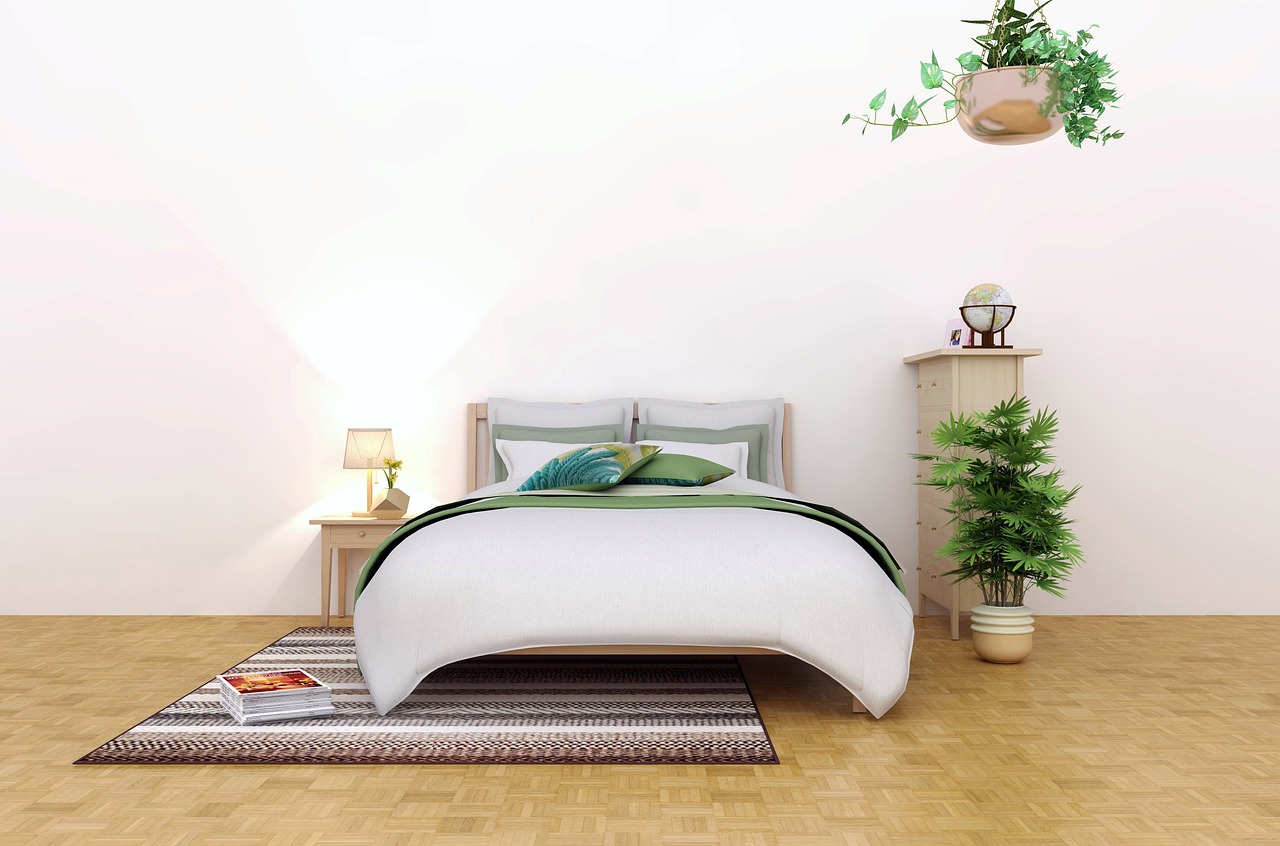
Platform beds are popular because they create a clean horizontal line and can make a room feel calmer. Low-profile frames work especially well in rooms with low ceilings or strong architectural details because they keep visual weight near the floor. They also support a minimalist design language with fewer visible parts.
The limitation is access. Very low beds may be harder for some people to get in and out of, and deep platform edges can become shin-level obstacles in narrow circulation zones. In a compact room, a platform with rounded corners or a slightly recessed base can reduce daily frustration without changing the overall look.
Storage beds and lift-up bases
Storage beds are useful when the bedroom lacks closet space or when seasonal bedding needs a dedicated place. Drawer bases suit rooms with enough side clearance. Lift-up bases can work better where side drawers would hit a wall or nightstand, but they require safe hardware, enough strength to operate and sufficient overhead clearance.
The design risk is bulk. A storage bed with a heavy base, tall mattress and oversized headboard can dominate a small room. To keep proportions balanced, designers often pair storage bases with quieter headboards, lighter wall colors or legs that visually lift the frame off the floor. Ventilation is also worth considering, especially in humid climates, because packed storage under a mattress can restrict airflow and make cleaning harder.
Upholstered and extended headboards
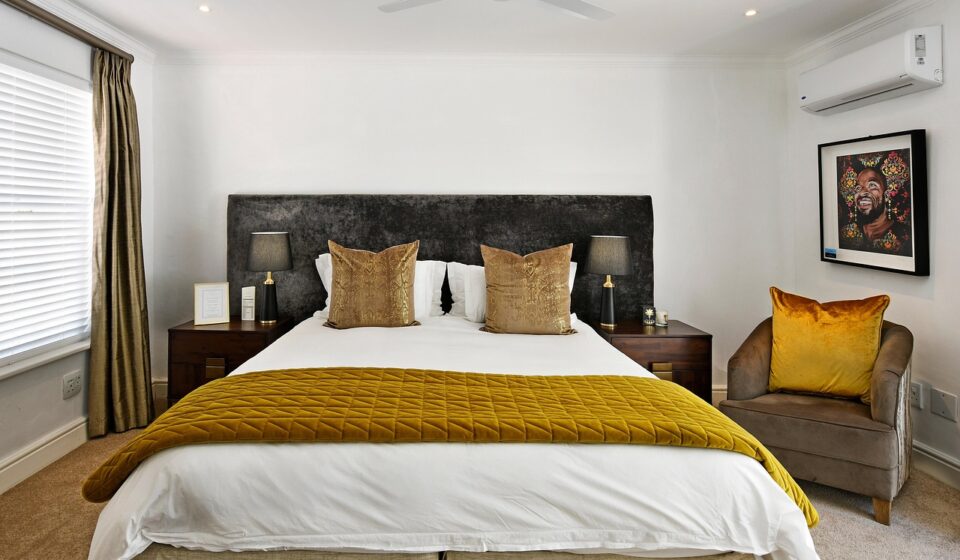
Upholstered headboards add softness, acoustic comfort and a hotel-like feeling. Extended headboards that run beyond the mattress can visually connect nightstands, reading lights and wall panels into one composition. This approach can work well in primary bedrooms where the bed wall is intended to be the main feature.
The practical questions are cleaning and durability. Fabric headboards collect dust more easily than wood, metal or leather alternatives. In a home with pets, allergies or high humidity, removable covers, performance textiles or a simpler hard-surface headboard may be more sensible. Designers should also check outlet and switch locations before specifying a wall-to-wall headboard, because a beautiful panel becomes inconvenient if it covers controls that need to remain accessible.
Built-in and alcove beds
Built-in beds, alcove beds and bed nooks are increasingly discussed in small-space and custom-interior projects because they can combine sleep, shelving, lighting and storage in one architectural element. They are especially useful in studios, children’s rooms, attic bedrooms and compact guest rooms where loose furniture could create clutter.
The trade-off is flexibility. A built-in bed is harder to move, resell or adapt when the occupant’s needs change. It also requires careful planning for ventilation, mattress replacement, wall access and lighting maintenance. For renters or households that move frequently, a modular bed with detachable storage may offer a better balance.
Materials and finishes should support comfort as well as appearance
Material choice shapes both the look and the living quality of the bedroom. Solid wood gives warmth and repairability, but it can be heavier and more expensive. Veneered panels can deliver a refined appearance with more stable surfaces, but edge quality and substrate matter. Metal frames can be slim and durable, though they may feel visually colder. Upholstery adds softness but requires more maintenance.
For composite wood components, indoor air quality deserves attention. The U.S. EPA’s TSCA Title VI formaldehyde standards apply to regulated composite wood products and finished goods containing them, with compliance requirements in place for products manufactured in or imported into the United States from June 1, 2018. This does not mean every composite wood bed is identical. It means designers and buyers should look for clear compliance labeling, especially on engineered wood frames, drawer boxes and panels.
Sustainability claims also need precision. FSC certification relates to responsible forest management and chain-of-custody control for wood products. BIFMA’s ANSI/BIFMA e3 furniture sustainability standard, updated as e3-2024, provides a multi-attribute framework for evaluating environmental, health and social impacts in furniture, particularly in commercial and institutional contexts. For residential bed furniture, these references can help buyers ask better questions, but they should not be used as vague decoration in marketing copy. A specific certification, material disclosure or supplier document is more meaningful than a broad claim that a bed is simply eco-friendly. See also: BUILDING MATERIALS.
Storage, safety and access should shape the design
Bedroom storage is often treated as separate from the bed, but the two are closely connected. A bed with drawers can reduce the need for a large dresser. A tall headboard with integrated shelves can replace nightstands. A built-in bed wall can combine wardrobes, reading lights and hidden compartments. These choices affect safety as well as style.
Furniture tip-over risk is one of the most important safety issues in bedrooms, particularly where children are present. The U.S. Consumer Product Safety Commission adopted ASTM F2057-23 as a mandatory safety standard for certain clothing storage units under the STURDY law, with an effective date of September 1, 2023. The rule focuses on dressers, armoires, wardrobes and similar clothing storage units rather than beds themselves, but it has direct design relevance: if a bed design reduces dependence on tall freestanding storage, it can help simplify the room’s safety strategy.
Built-in or bed-integrated storage, however, is not automatically safer. Heavy drawers should move smoothly and stop securely. Lift-up mechanisms should be matched to the mattress weight. Open cubbies near pillows should not create hard impact points. Wall-mounted shelves above a bed should be fixed properly and kept away from positions where objects could fall onto sleepers. In children’s rooms, rounded edges, lower storage and restrained hardware are often more valuable than elaborate design gestures.
Access also matters for adults. If the room serves older users, a bed height that allows the feet to rest on the floor when sitting at the edge may be more comfortable than a very low platform. Nightstands should be reachable without twisting. Integrated lighting should be operable from the bed. In many bedrooms, the quietest design improvement is not a new style but the removal of daily friction.
Style directions with practical value
Current bedroom design conversations often point toward warmth, texture, multifunctional layouts and wellness-oriented rooms. These ideas are useful when they lead to better decisions, not when they become labels. A natural wood bed, for example, is not automatically calming; it works when the grain, proportion and surrounding colors reduce visual noise. A large headboard is not automatically luxurious; it works when it organizes the wall and improves comfort.
Several style directions have lasting practical value. First, softened minimalism keeps the simple lines of modern furniture but adds tactile materials such as wood, wool-like upholstery, linen textures and warm neutrals. This is a good fit for small rooms because it avoids visual clutter without making the space feel cold.
Second, integrated headboard walls can be useful when they solve lighting, outlets and bedside storage together. The most successful versions are not just oversized panels; they coordinate reading lights, shelves, switches and nightstand surfaces into a single usable plane.
Third, modular storage is becoming more relevant as households move, resize and adapt rooms for work, guests or children. A bed with removable drawers, separate under-bed boxes or replaceable headboard elements may age better than a highly customized unit that only suits one layout.
Fourth, wellness-focused design supports sleep by controlling light, noise, clutter and thermal comfort. The National Sleep Foundation commonly recommends a cool bedroom environment, often cited in the 60 to 67 degrees Fahrenheit range, though personal comfort and climate matter. Bed furniture can support this goal indirectly by reducing clutter, allowing airflow around the mattress and integrating low-glare lighting for evening routines.
A practical specification checklist for bed furniture design
Before selecting or designing a bed, it helps to write a short specification. This keeps the decision from being driven only by an attractive product image.
- Confirm the mattress size and frame footprint. Include the headboard depth, platform lip, footboard and any rounded or projecting corners.
- Map circulation. Check the walking paths on both sides, the foot of the bed, closet doors, balcony doors and dresser drawers.
- Decide what the bed must store. Seasonal bedding, shoes, books and daily clothing need different storage types.
- Check safety requirements. Consider children, older adults, wall fixing, drawer stability, sharp corners and lift hardware.
- Match material to maintenance. Upholstery feels soft but collects dust; wood is repairable but can be heavy; metal is slim but visually cooler.
- Plan lighting and power early. Headboards and built-ins should not block outlets, switches or access panels.
- Ask for specific environmental information. Look for TSCA Title VI compliance where composite wood is used, and verify any FSC or sustainability claims.
The strongest bed designs usually come from these practical checks. Style then becomes the expression of a well-planned system, not a substitute for one.
Frequently asked questions
What is the most important factor in bed furniture design?
The most important factor is fit. The bed must fit the mattress, the room and the user’s daily routine. Once circulation, storage access and comfort are solved, style choices become much easier and more durable.
Are storage beds good for small bedrooms?
Storage beds can be very useful in small bedrooms, but only if the storage can open fully and the bed does not make the room feel blocked. Drawer storage needs side clearance, while lift-up storage needs safe hardware and enough space to raise the platform.
Is an upholstered headboard better than a wood headboard?
Neither is universally better. Upholstered headboards add softness and comfort for reading, while wood headboards are often easier to clean and can be more durable in high-use rooms. The better choice depends on maintenance needs, allergies, pets and the desired mood.
How can bed furniture support better sleep?
Bed furniture supports sleep by reducing clutter, improving comfort, organizing lighting and keeping the room easier to clean. It cannot replace a suitable mattress or healthy routine, but it can help create a darker, quieter and calmer bedroom environment.