Bookcase design ideas that balance storage, display, and safety
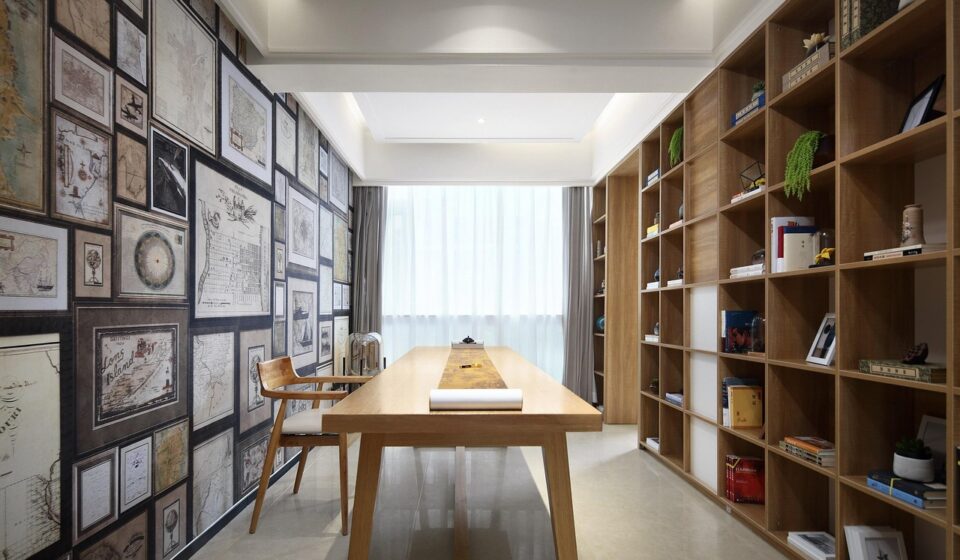
What makes a bookcase design work?
A workable bookcase design has to do three things well: store books at the right depth and height, fit the architecture of the room, and stay stable when fully loaded. The strongest designs start with use rather than decoration. A wall of novels, a mixed media unit, a living room display shelf, and a child’s bedroom bookcase all need different proportions, materials, lighting, and safety details. Current design reporting from groups such as NKBA also points to a wider preference for smarter, more integrated storage rather than isolated furniture pieces. In many interiors, the bookcase is now as much an architectural feature as it is a storage item.
For more related interior planning ideas, see the FURNITURE DESIGN section.

Start with the role of the bookcase in the room
Before selecting color, wood species, or decorative trim, define what the bookcase needs to hold and how the room will use it. A reading room may need maximum linear shelf space. A living room unit usually needs a quieter balance of books, objects, art, speakers, and closed storage. A home office may need adjustable shelves for binders, reference books, and equipment. A hallway bookcase may need a shallow profile so it does not restrict circulation.
The common mistake is treating every shelf as a display shelf. Books are dense, repetitive, and heavy. Decorative objects are usually lighter and need more empty space around them. If a bookcase must carry a real collection, it should be designed more like storage cabinetry than a styling backdrop.
Freestanding, built-in, or modular
Freestanding bookcases are flexible and easier to relocate, but tall units still need anti-tip planning. Built-ins can make better use of alcoves, corners, sloped ceilings, and full-height walls, but they require careful measurement and are harder to modify later. Modular systems sit between the two: they can create a fitted look while allowing future expansion or replacement.
In small rooms, one wide wall of shelving often feels calmer than several separate pieces. In larger rooms, a bookcase can define zones, frame a doorway, or create symmetry around a fireplace or media wall. The right choice depends less on a style label and more on wall length, ceiling height, traffic paths, and expected load.
Plan proportions before choosing finishes
Bookcase proportions affect both function and visual comfort. Shelves that are too deep waste space and push books into shadow. Shelves that are too shallow may not support larger hardcovers or art books. Very wide shelves can look clean when empty but may sag when filled. Very narrow shelves are stronger and easier to organize, but too many vertical divisions can make a wall look busy.
| Design decision | Practical guidance | Why it matters |
|---|---|---|
| Shelf depth | About 8 to 10 inches suits many paperbacks; 10 to 12 inches suits many hardcovers; deeper shelves may be needed for art books or display pieces. | Depth affects access, shadow, and the amount of floor area the bookcase uses. |
| Shelf height | Adjustable shelves are useful where book sizes vary. Fixed shelves can work well when the collection is known. | Too much unused vertical space reduces capacity and can make styling feel accidental. |
| Shelf span | Shorter spans are safer for heavy book loads. Long shelves usually need thicker material, front edging, a center divider, or rear support. | Span is one of the main causes of visible shelf sag. |
| Base height | A low plinth, toe-kick, or cabinet base can make the piece look built in and keep books above floor dust. | The base affects durability and the visual connection to the room. |
| Top clearance | Full-height built-ins should allow for ceiling unevenness, crown molding, ventilation, and installation tolerance. | A perfect paper measurement can still fail in an older room with irregular surfaces. |
For visual balance, align the bookcase with existing architectural lines where possible: door heads, window casings, fireplace mantels, ceiling beams, or paneling. Even a simple bookcase looks more intentional when its horizontal and vertical lines respond to the room.
Choose materials and supports with shelf sag in mind
Bookcase design has a structural side. A shelf full of books creates a long-term load, and some materials creep or bow more visibly than others. Woodworking references often treat shelf span, material thickness, and edge reinforcement as key variables. As a general design principle, dense book loads call for shorter spans, thicker shelves, and stronger support details.
Material choices
Solid hardwood can be strong and attractive, but it may move with humidity and can be costly across large wall units. Plywood is a common choice for painted or veneered built-ins because it is dimensionally stable and can be finished with a solid wood edge. MDF creates smooth painted surfaces, but long unsupported shelves under heavy books need careful reinforcement. Particleboard and thin flat-pack panels can work for light use, but they are more vulnerable to long-term deflection when loaded with books.
The finish should follow the use. Painted shelving can disappear into a wall or create a strong color block. Veneer or solid wood adds warmth and grain, but it should be selected with the room’s flooring, trim, and other furniture in mind. Laminate can be practical in rental, office, or high-use settings where cleaning and cost matter.
Support details that change performance
A front edge strip, thicker shelf profile, center divider, rear cleat, or metal support can significantly change how a shelf performs. For heavy collections, it is usually better to build the support into the bookcase from the start rather than trying to correct sag after installation. Adjustable shelf pin holes are useful, but the pins and side panels must be suitable for the load. Very long open spans may look minimal in drawings yet perform poorly when filled.
This is where design and construction need to meet. For custom millwork, ask the fabricator how shelf span, edge banding, substrate, and fastening will be handled. For a ready-made unit, check the stated weight limits, anti-tip hardware, and whether the shelves are fixed or adjustable.
Balance open display with closed storage
The best bookcase layouts usually include more than books. Closed cabinets at the bottom can hide cables, games, office supplies, toys, or less attractive paper storage. Open shelving above keeps the design lighter and provides space for books and display objects. This base-and-shelf arrangement also helps visually ground a tall unit.
For living rooms, avoid filling every shelf edge to edge unless the goal is a library wall. Leave selected gaps for art, ceramics, plants, framed photos, or negative space. Grouping books by height, color family, subject, or frequency of use can make a bookcase feel organized without becoming overly styled. In workspaces, function should lead: frequently used books and files belong between shoulder and waist height, while rarely used items can sit higher or lower.
Lighting can turn a bookcase from storage into a room feature, but it should be planned carefully. Integrated LED strips, small picture lights, or recessed shelf lighting can highlight objects and improve visibility. Warm color temperatures usually suit residential rooms better than harsh cool light. For valuable books, avoid excessive heat and direct sunlight, which can fade covers and damage paper over time. See also: BUILDING MATERIALS.
Treat safety as part of the design
Tall furniture can tip, especially when children climb, pull shelves, or remove weight from lower levels. The U.S. Consumer Product Safety Commission’s public safety materials repeatedly advise anchoring furniture such as bookcases and dressers to the wall. This is not only a nursery issue. Living rooms, home offices, rental apartments, and family rooms can all contain tall shelving that should be secured.
Safety also requires understanding what a standard does and does not cover. In the United States, mandatory rules under the STURDY Act focus on clothing storage units such as certain dressers and chests. A simple open bookcase may not fall under the same product category, so buyers and designers should not assume that a general furniture rule removes the need for anchoring. In commercial settings, ANSI/BIFMA storage-unit standards may be relevant to procurement, but residential shoppers still need to read the manufacturer’s instructions and use the supplied restraints correctly.
- Anchor tall bookcases to wall studs or suitable wall blocking according to the hardware instructions.
- Place the heaviest books and objects on lower shelves.
- Avoid placing tempting toys, screens, or frequently used objects on high shelves in children’s areas.
- Check that adjustable shelves are fully seated on their pins or supports.
- Do not rely on book weight alone to stabilize a tall unit.
- In rentals, ask the landlord about safe anchoring methods rather than skipping the step.
Good design should make safe use easier. A bookcase with a stable base, proper wall fastening points, and realistic shelf loads is better than one that depends on perfect use every day.
Use style trends carefully
Bookcase design is influenced by broader furniture and interior trends, but the strongest choices are usually the least disposable. Recent kitchen and interior design reporting has emphasized integrated storage, cleaner details, and spaces that support multiple daily routines. Those ideas translate well to bookcases: full-height storage, mixed open and closed zones, calmer profiles, and customized compartments are more useful than short-lived decorative tricks.
Several style directions work especially well:
- Wall-color bookcases: Painting the unit the same color as the wall creates an architectural, built-in effect.
- Natural wood shelving: Oak, walnut, ash, and similar woods add warmth and can soften modern rooms.
- Library walls with ladders: These can be beautiful in tall rooms, but the ladder and rail system must be planned as functional hardware, not just decoration.
- Asymmetrical grids: Varying shelf widths can make space for art and objects, but heavy books still need structurally sensible spans.
- Lower cabinets with open shelves: This layout is practical for family rooms because it hides clutter and keeps display areas lighter.
Color should support the room’s mood. Dark bookcases can create depth and drama, especially with good lighting. Pale painted shelves can make a small room feel larger. Mid-tone wood is often more forgiving than very dark glossy finishes because it hides dust and minor wear better.
A practical bookcase design checklist
Use this checklist before finalizing a built-in, custom, or purchased bookcase:
- List what the bookcase must hold: paperbacks, hardcovers, files, art books, objects, electronics, toys, or mixed storage.
- Measure the tallest and deepest items rather than relying on generic shelf sizes.
- Decide whether shelves need to be adjustable, fixed, or a combination of both.
- Keep heavy book zones to shorter spans or add reinforcement.
- Plan closed storage if the room needs to hide clutter, cables, or supplies.
- Coordinate vertical and horizontal lines with nearby windows, doors, mantels, or cabinetry.
- Choose materials based on load, finish quality, durability, and budget.
- Confirm wall anchoring, hardware, and installation requirements before use.
- Plan lighting only where it improves visibility or atmosphere, not as decoration that complicates maintenance.
- Leave some open space so the bookcase can adapt as the collection changes.
The goal is not to make every shelf look perfect on installation day. It is to create a storage wall or furniture piece that still works after years of changing books, objects, and daily routines.
Frequently asked questions
What is the best depth for a bookcase?
There is no single best depth. Many paperbacks fit on shelves around 8 to 10 inches deep, while larger hardcovers and art books may need 10 to 14 inches. Deeper shelves are not always better because they can make smaller books hard to see and create dark, unused space at the back.
Are built-in bookcases better than freestanding bookcases?
Built-ins are better when the goal is to use a whole wall, fit an alcove, or create an architectural feature. Freestanding bookcases are better when flexibility, lower cost, or future relocation matters. Both types can work well, but tall units of either type should be planned for stability and anchoring.
How do you prevent bookcase shelves from sagging?
Reduce shelf span, choose a stronger or thicker material, add a front edge strip, use a center divider, or add rear support. Heavy book collections need more structural planning than decorative shelving. If shelves are already sagging, unloading them and adding support is usually more effective than simply turning the shelf over.
Should a bookcase have doors?
Doors are useful for lower cabinets, media storage, office supplies, children’s items, or books that need dust protection. Fully enclosed bookcases can feel heavier and may reduce quick access, so many designs combine closed storage below with open shelving above.
Is anchoring a bookcase really necessary?
For tall or narrow bookcases, anchoring is strongly recommended. Public safety guidance from the U.S. Consumer Product Safety Commission includes bookcases among furniture that should be secured to reduce tip-over risk. Anchoring is especially important in homes with children, but it is also a sensible precaution in many adult spaces.