Contemporary living room furniture ideas for a modern, practical home
What contemporary living room furniture means now
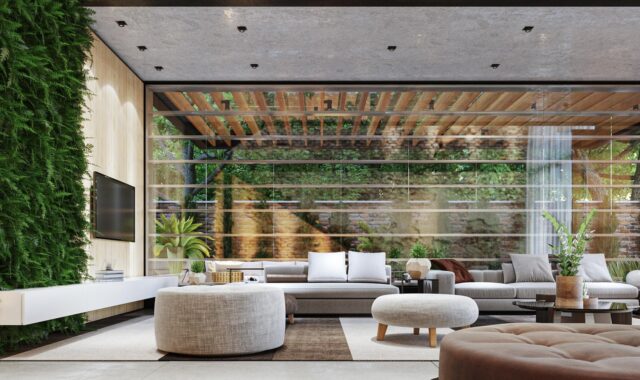
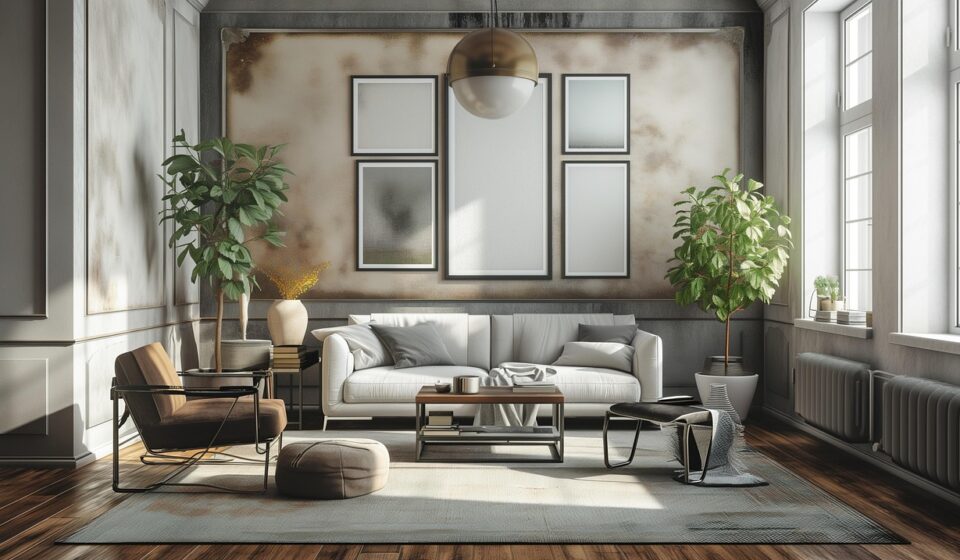
Contemporary living room furniture is less a fixed look than a way of planning a room for current use. It favors clean profiles, flexible seating, warmer materials, practical storage and technology that stays visually quiet. The best rooms avoid both sterile minimalism and trend-heavy styling. They usually begin with a sofa or sectional that fits the space, then add tables, storage, lighting, texture and color around real routines. For readers following broader furniture design developments, the main point is straightforward: current does not have to mean disposable. The most useful contemporary pieces are adaptable, durable and easy to live with.
This distinction matters because many shoppers use contemporary and modern as if they mean the same thing. Modern furniture often refers to a historical design language associated with the early and mid-20th century: simple lines, open bases, molded forms and restrained ornament. Contemporary furniture is more fluid. It can draw from modernism, Art Deco, Scandinavian design, craft traditions or transitional interiors, as long as the result feels relevant to how people live now. In a living room, that relevance is usually measured by comfort, scale, material honesty and the ability to support more than one activity.
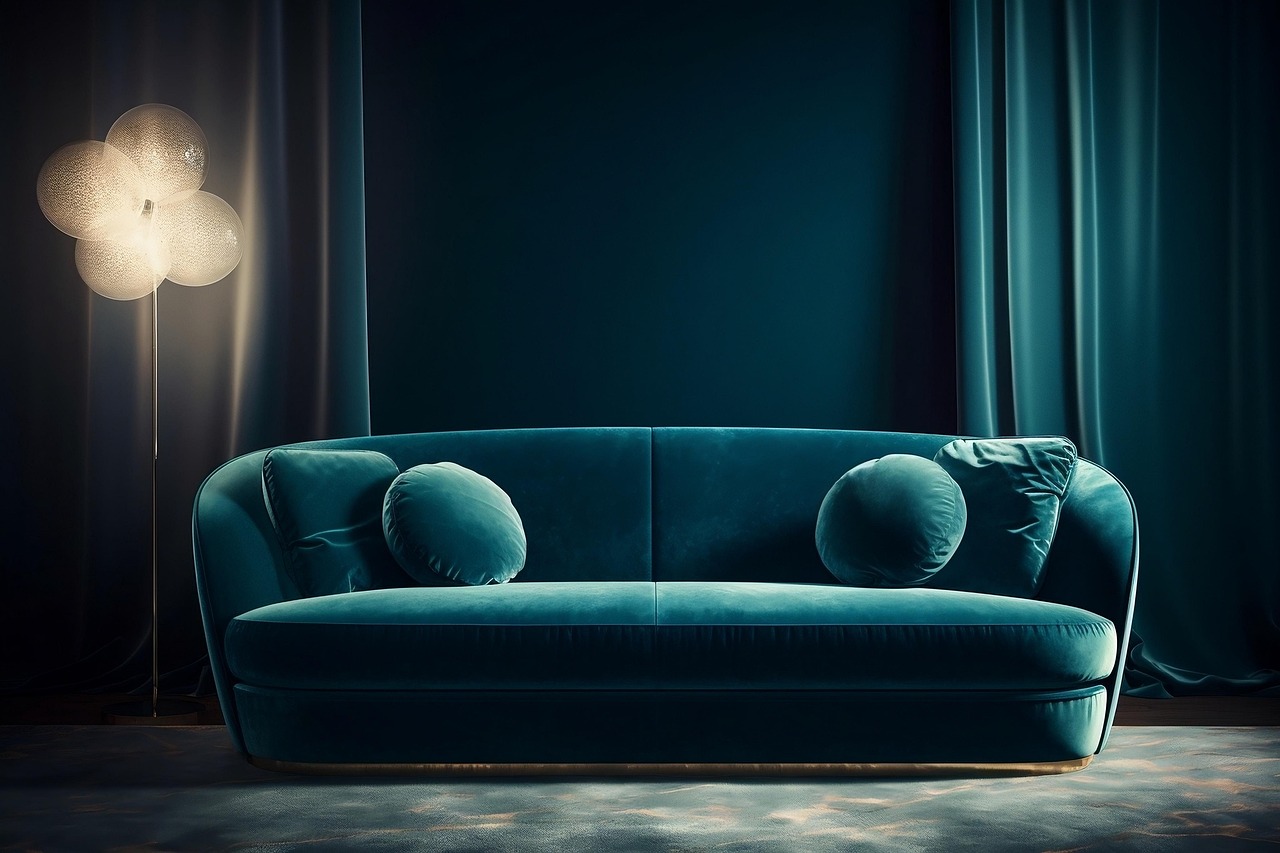
The contemporary living room is also becoming less visually cold. After years of white walls, grey upholstery and sharp-edged silhouettes, current design reporting points toward softer geometry, textured surfaces, earthier palettes and rooms with more personality. That does not mean every home needs a curved sofa or a statement chair. It means the market is rewarding furniture that balances clarity with warmth.
What recent design reporting suggests about current living rooms
Several 2026 industry sources help explain where contemporary living room furniture is moving. Houzz published its 2026 U.S. Emerging Summer Trends Report on May 20, 2026, based on search activity from its U.S. community of homeowners, design professionals and design enthusiasts. The report noted rising interest in curved forms, tactile surfaces, warm earthy colors and sustainable choices. Search trends are not a guarantee that every idea will become a long-term standard, but they do show what people are actively researching for home projects.
High Point Market coverage points in a similar direction. Houzz reported on the fall 2025 High Point Market, held October 25-29, 2025, and identified refined silhouettes, traditional references, heritage patterns and sophisticated curves as furniture themes for 2026. Architectural Digest also reported from Spring High Point Market on May 4, 2026, highlighting draped forms, richer pattern, upholstered outdoor-style comfort and larger-scale furniture. Taken together, these reports suggest that contemporary furniture is becoming more tactile, expressive and layered rather than simply flatter and more minimal.
The American Society of Interior Designers also framed 2026 interiors around larger pressures such as technology, climate, aging populations and wellness. In practice, living room furniture is being asked to do more than look fashionable. Sofas need fabrics that can handle regular use. Storage needs to hide devices without blocking access. Tables need to survive daily wear. Seating may need to work for guests, children, pets, remote work and older family members. Contemporary design is therefore less about one dramatic piece and more about a room that can adapt without feeling improvised.
Start with function before choosing a style
The easiest mistake is to buy the most visually exciting piece first. A sculptural sofa can be beautiful, but if it blocks circulation or leaves no surface for a drink, the room will feel inconvenient. Start with the main activities: conversation, television, reading, children playing, entertaining, working from a laptop or simply resting. Then choose furniture that supports those activities with the least friction.
| Furniture decision | Contemporary direction | Practical check |
|---|---|---|
| Sofa or sectional | Low to medium profile, generous seat depth, clean arms, soft corners | Measure doorways, traffic paths and viewing distance before ordering |
| Accent chairs | Curved backs, swivel bases, mixed materials or one stronger color | Choose chairs light enough to move if the room often serves guests |
| Coffee table | Rounded rectangle, oval, nesting set or soft-square form | Leave comfortable knee space around seating and avoid sharp corners in family rooms |
| Media storage | Low credenza, wall-hung cabinet or built-in look | Check cable access, ventilation and whether the piece can be anchored if needed |
| Side tables | Slim metal, stone, wood or mixed-material pieces | Place within easy reach of the main seats, not only where they look balanced |
Scale is the second major decision. Contemporary furniture often looks better when there is negative space around it, but that does not mean every piece should be small. A tiny sofa in a large room can feel temporary, while an oversized sectional in a narrow apartment can make the room hard to use. In many homes, a medium-scale sofa, one flexible chair and a pair of smaller tables will work better than a full matching suite.
Choose materials that add warmth and durability
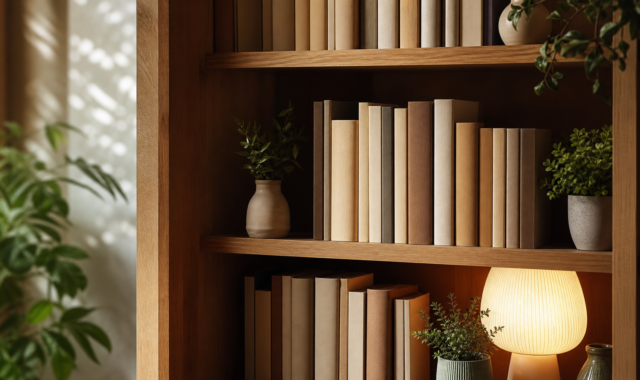
Material choice is where contemporary rooms gain depth. Warm woods, textured fabrics, matte metals, stone-look surfaces and woven details can soften streamlined silhouettes. Oak, walnut and ash remain useful because they work with both light and moody palettes. Darker woods add visual weight, while lighter finishes help small rooms feel more open. The important point is consistency of tone rather than exact matching. A room with two or three related wood tones often feels more natural than a room where every piece is identical.
Upholstery deserves close attention. Boucle, chenille, linen blends, performance velvet and textured weaves all appear in contemporary interiors, but they behave differently in daily use. A white textured sofa may photograph well, yet it may not suit a household with pets, young children or frequent entertaining. Performance fabrics can be a smart choice where stain resistance, cleanability and abrasion resistance matter. Buyers should still read the maintenance instructions, because performance does not mean maintenance-free.
Composite wood and engineered panels are common in media units, shelving and budget-friendly storage. In the United States, the EPA regulates formaldehyde emissions from certain composite wood products under TSCA Title VI. For buyers, the practical step is to look for TSCA Title VI or CARB Phase 2 compliance language on relevant products and documentation. This does not make every product identical in quality, but it gives shoppers a baseline question to ask when purchasing storage or case goods.
Sustainability claims should be treated carefully. The Federal Trade Commission’s Green Guides emphasize that environmental marketing claims should be truthful, specific and supported. For furniture buyers, vague words such as eco, green or sustainable are less useful than concrete details: certified wood, recycled content percentage, replaceable parts, repair options, low-emission finishes, durable construction or take-back programs. Longevity is one of the most practical sustainability strategies in furniture, because a well-made piece that stays in use avoids quick replacement.
Use shape and color to make contemporary design feel inviting
Curves are one of the clearest current signals in living room furniture, but they work best with restraint. A curved sofa, crescent chair, oval coffee table or rounded ottoman can break up a boxy room. If every piece is rounded, however, the room may lose structure. A balanced approach pairs soft seating with straighter storage, or a rectilinear sofa with a circular table and curved accent chair.
Color is also shifting warmer. Current design reporting has noted interest in rust, chocolate brown, taupe, cream, sage, mushroom and other earthy tones. These colors suit contemporary furniture because they add comfort without relying on heavy ornament. A cream sofa with walnut tables, a brown velvet chair, a rust-toned rug and black metal lighting can feel current while remaining easy to update later. See also: BUILDING MATERIALS.
Pattern is returning, but it works best as a layer rather than a requirement. A contemporary living room can include a patterned rug, a floral pillow, a striped ottoman or an artful accent chair without becoming maximalist. The key is to repeat one color or material elsewhere in the room. If a patterned chair includes olive, cream and brown, echo one of those tones in the rug, side table or art. Repetition makes eclectic choices look intentional.
Plan storage, technology and safety from the beginning
A contemporary living room often fails when technology is treated as an afterthought. Before choosing a media console, check the size of the television, soundbar, game systems, routers and charging needs. A clean-lined cabinet without cable access may look good online but become frustrating in daily use. Ventilation also matters for electronics stored behind doors. If the room is used for remote work, include a drawer or basket for laptop chargers, headphones and small devices so the seating area does not become a permanent workstation.
Safety is part of good furniture design. The U.S. Consumer Product Safety Commission continues to recommend anchoring furniture and televisions to help prevent tip-over injuries. The agency’s mandatory rule for clothing storage units under the STURDY Act took effect on September 1, 2023. While living rooms may not contain bedroom dressers, they often include bookcases, tall cabinets, display shelves and media units. Any tall or climbable piece should be evaluated for stability, especially in homes with children.
Durability is equally important. Check the frame material of sofas and chairs, the joinery of wood pieces, drawer hardware, shelf weight limits and the availability of replacement parts. Contemporary furniture with a simple silhouette can age very well if the structure is solid. Poor construction becomes visible quickly because there are fewer decorative details to hide sagging cushions, loose seams or uneven doors.
A buying checklist for contemporary living room furniture
Before ordering, use a checklist that considers the room as a system rather than a collection of individual products.
- Measure the room, doorways, stair turns, elevator access and traffic paths before choosing large seating.
- Decide whether the room’s main purpose is conversation, media, entertaining, family use or quiet retreat.
- Choose one anchor piece first, usually the sofa or sectional, then size tables and storage around it.
- Limit the main palette to two or three base colors, then add one stronger accent through art, pillows, rugs or a chair.
- Mix shapes: pair straight lines with one or two rounded pieces for softness.
- Ask for fabric cleaning codes, abrasion information and warranty terms when buying upholstered furniture.
- Look for specific material claims rather than vague sustainability language.
- Plan outlets, charging, cable routing and storage before buying media furniture.
- Anchor tall cabinets, bookcases and TV furniture where appropriate.
- Avoid buying every item from one matching set unless the room needs a very uniform look.
The most resilient contemporary rooms are edited, not empty. They leave space to move, but they still include texture, comfort and personal objects. They use current forms without depending on one trend to carry the entire design. Most importantly, they allow the furniture to support real life rather than forcing daily routines to adapt to a showroom image.
Frequently asked questions
Is contemporary living room furniture the same as modern furniture?
No. Modern furniture usually refers to a historical design movement, while contemporary furniture refers to what feels current now. Contemporary pieces may borrow modern lines, but they can also include warmer colors, traditional references, curved forms, performance fabrics and mixed materials.
What sofa style works best in a contemporary living room?
A clean-lined sofa with comfortable depth, balanced proportions and durable upholstery is usually the safest anchor. Track arms, slim arms, soft square arms and gently curved backs can all work. The best choice depends on room size, comfort needs and whether the sofa is used mainly for conversation, lounging or media viewing.
Are curved sofas still a good idea?
Curved sofas remain relevant in current design reporting, but they are not automatically right for every home. They work especially well in open-plan rooms, conversation areas and spaces with many straight architectural lines. In small rectangular rooms, a curved chair or oval table may deliver the same softness with less space pressure.
How can a small living room use contemporary furniture?
Choose fewer, better-scaled pieces. A compact sofa, one movable accent chair, nesting tables and a low media cabinet can make a small room feel open. Raised legs, lighter wood, wall-mounted storage and rounded tables help maintain circulation without sacrificing comfort.
What colors make contemporary furniture feel warmer?
Cream, taupe, mushroom, caramel, walnut, rust, olive, sage, chocolate brown and muted berry tones can all warm up contemporary furniture. Use them with natural textures such as wood, wool, linen, leather, woven fibers or matte ceramics to avoid a flat or overly polished look.