How scandi furniture balances simplicity, comfort and everyday function

Why scandi furniture still feels current
Scandi furniture stays relevant because it solves a common interiors problem: how to make daily-use rooms feel lighter, calmer and easier to live in without making them cold. Online, the style is often reduced to pale wood, white walls and slim legs. In practice, Scandinavian design is broader and more useful than that. It is rooted in function, honest materials, restrained forms and comfort suited to real homes. That makes it compatible with compact apartments, open-plan living, remote work corners and family rooms that need to stay orderly without feeling sterile. For more design context, see our furniture design section.
The strongest Scandi rooms are not copied from a catalogue. They are edited, tactile and intentional. A sofa should invite sitting, a dining chair should support long meals, storage should reduce visual noise, and wood should add softness rather than act as decoration for its own sake. That is why scandi furniture can work in many settings, from city rentals to larger family interiors.
What scandi furniture really means
Scandi furniture is a broad shorthand for furniture influenced by Scandinavian and wider Nordic design traditions, especially the modern furniture culture associated with Denmark, Sweden, Norway, Finland and Iceland. Design histories commonly connect the movement with early twentieth-century modernism and its international visibility in the 1950s. Museums and design institutions often describe its core principles as simplicity, functionality, craftsmanship, human scale and respect for materials.
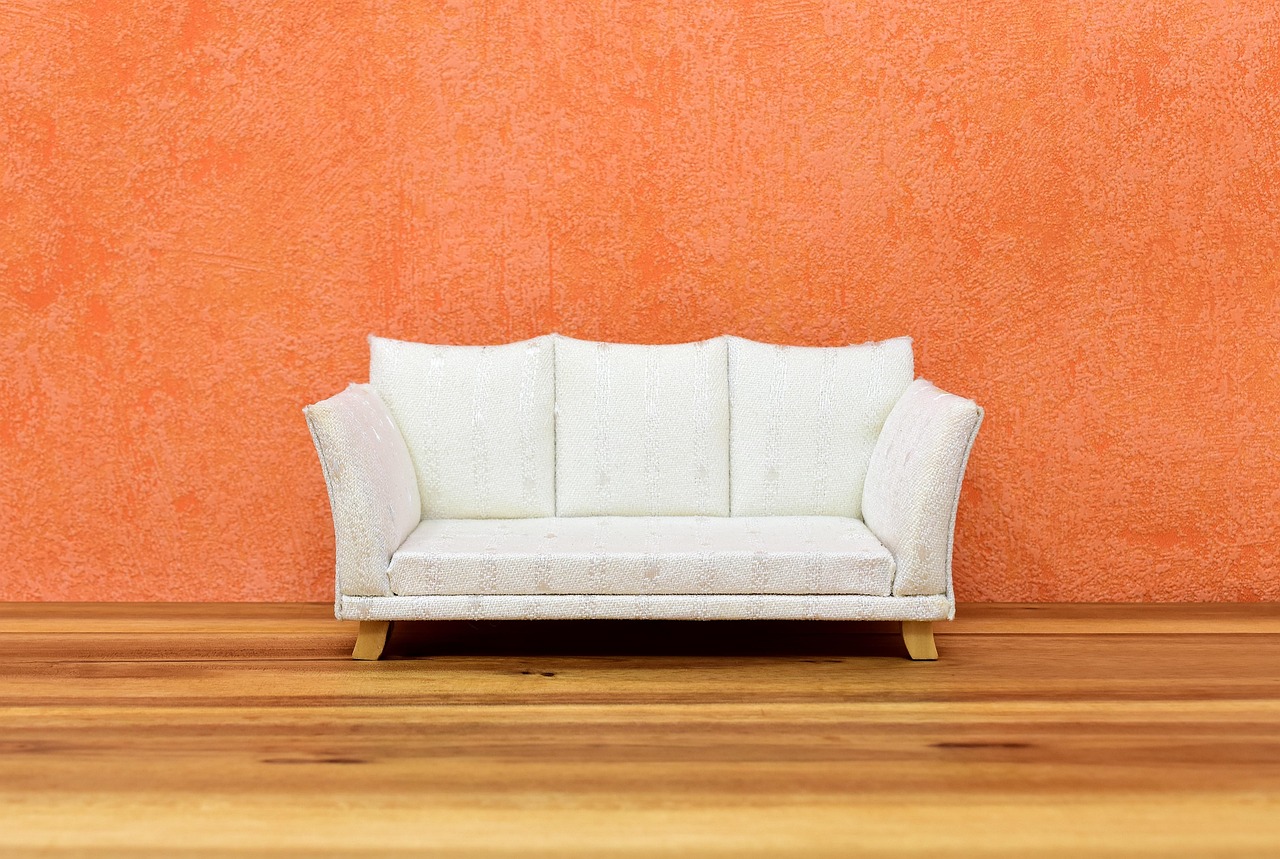
That background is important because the style is often misunderstood. A Scandi chair is not simply any chair made from pale wood. A Scandi sofa is not just a beige rectangle. The design language is usually defined by how a piece answers a domestic need while carrying as little unnecessary visual weight as possible. Legs may be tapered to make a heavy object appear lighter. Edges may be softened so a room feels more approachable. Storage may be closed, modular or wall-mounted to keep everyday clutter under control.
Danish Modern, one of the best-known branches of this tradition, is closely associated with the relationship between designers, cabinetmakers and industrial production. Designmuseum Denmark presents Danish Modern through a long arc of furniture design, from Kaare Klint’s functional tradition to later organic and industrial approaches. That history helps explain why well-made Scandi pieces often feel both simple and highly resolved. The restraint is not emptiness; it comes from proportion, joinery, ergonomics and material choice.
Key design signals to look for
When evaluating scandi furniture, look beyond color. A piece can be white, oak or gray and still miss the point if it is awkward, flimsy or overdecorated. Stronger indicators include proportion, material honesty, comfort and adaptability.
Light visual weight
Many Scandi tables, chairs, sofas and sideboards are designed to feel lifted from the floor. Exposed legs, open bases and slim profiles help rooms feel less crowded. This is especially useful in small spaces because the eye can travel under and around the furniture. The room can feel lighter without every item needing to be physically small.
Natural and tactile materials
Wood is central, especially lighter species and finishes that show the grain rather than hide it. Oak, ash, beech, birch and pine are common references, while vintage Danish pieces may use teak or rosewood. Textiles also matter. Wool, linen-like weaves, cotton blends, leather and bouclé-style textures can add warmth without heavy pattern. The aim is a room that feels calm but not flat.
Functional comfort
Scandi furniture should work well in daily use. Dining chairs need supportive backs, sofa depths should fit actual lounging habits, and storage should make routines easier. This functional emphasis is one reason the style remains popular with people who want a design-led home but do not want fragile showpieces.
Quiet detailing
Instead of ornate carvings or oversized hardware, details tend to be subtle: rounded corners, visible grain, neat seams, integrated pulls, shaped arms or well-balanced legs. These details can be easy to miss in product photos but important in person. A simple object depends on proportion and finishing because there is little decoration to hide poor decisions.
| Design cue | What it adds | What to avoid |
|---|---|---|
| Raised legs | Visual lightness and easier cleaning | Legs too thin for the scale of the piece |
| Visible wood grain | Warmth, texture and material honesty | Printed finishes that look flat or plastic |
| Closed storage | Calmer rooms and less visual clutter | Units without enough real capacity |
| Soft neutral upholstery | Flexible styling over several years | Fabric that stains easily in high-use rooms |
| Rounded edges | Comfort and a more human feel | Overly bulky shapes that lose elegance |
The warmer direction of modern Scandi interiors
Recent home-design coverage from sources such as Houzz has pointed to warmer palettes, curves, tactile layering, natural materials and a move away from stark minimalism. That direction fits Scandi furniture well because Nordic-inspired interiors were never only about white space. They also rely on coziness, texture and a considered relationship with natural light.
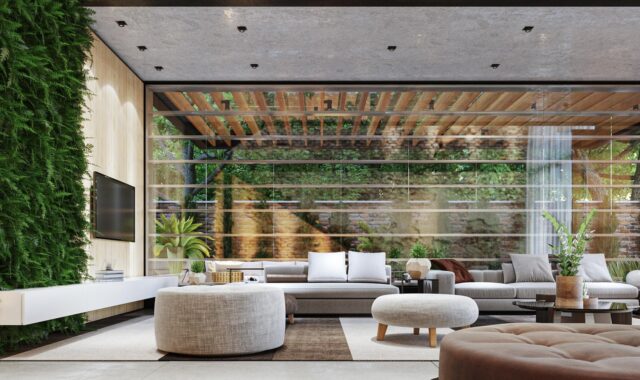
In practical terms, the current Scandi look is less showroom-like than the flat, cool minimalism that dominated some online interiors. A pale oak dining table may sit with woven chairs, a warm beige banquette or a darker sideboard. A light sofa can be grounded with rust, olive, chocolate or charcoal accents. Curved lounge chairs, rounded coffee tables and sculptural lamps can soften the straight lines of storage and shelving.
This does not mean filling the room with trends. The Scandi advantage is its ability to absorb updates without losing clarity. If the main furniture pieces are well proportioned and broadly neutral, seasonal changes can come through cushions, rugs, lamps, art, ceramics and plants. The investment pieces remain calm while the room still feels lived in.
How to choose scandi furniture with more confidence
Buying Scandi-style furniture should involve more than selecting a pale finish. Durability, safety, indoor air quality and sustainability claims all deserve attention, especially in family homes and high-use rooms.
Check construction before style
Solid wood, quality veneer over stable substrates, reinforced joints and replaceable components generally age better than pieces that rely mainly on surface styling. Drawers should glide evenly, doors should align, legs should not wobble, and upholstery should recover its shape after use. If a piece looks beautifully minimal but feels unstable, it is not successful Scandi design in the functional sense.
Understand composite wood and emissions
Many modern furniture products use plywood, MDF or particleboard. These materials are not automatically a problem, but buyers in the United States should recognize labels related to EPA TSCA Title VI formaldehyde standards for composite wood products. The U.S. Environmental Protection Agency explains that regulated composite wood panels and finished goods containing them must meet formaldehyde emission requirements. For consumers, the practical takeaway is simple: read labels, ask retailers about compliance, and be cautious with unusually strong chemical odors in enclosed rooms.
Do not ignore furniture stability
Storage furniture deserves special attention. The U.S. Consumer Product Safety Commission adopted a mandatory stability standard for clothing storage units under the STURDY Act framework, with the rule taking effect on September 1, 2023. This applies to certain free-standing dressers, wardrobes and similar clothing storage units. For households with children, anti-tip restraints, correct installation and compliant products are not decorative extras; they are part of responsible furniture selection.
Treat sustainability claims carefully
Scandi furniture is often marketed with words such as natural, conscious, eco or sustainable. Those terms vary in meaning. More verifiable signals include FSC-certified wood for responsible forest sourcing, transparent material lists, replaceable parts, repair services, take-back programs and recognized third-party certifications. In contract and office furniture, BIFMA’s LEVEL program is one example of a multi-attribute certification connected to the ANSI/BIFMA e3 Furniture Sustainability Standard. For home buyers, the broader lesson is to prefer specific certifications and material disclosures over vague green language.
Room-by-room ways to use Scandi pieces
The style works best when each room starts with function. Define the activity first, then choose the furniture shape, and only then settle on the palette. See also: BUILDING MATERIALS.
Living room
Start with a sofa that matches how the room is used. A low-profile sofa with slim arms can make a small living room feel open, while a modular sofa may suit families or shared housing better. Add a rounded coffee table if circulation is tight. Use one closed media unit or sideboard to reduce clutter, then balance the clean lines with a textured rug, warm lamp and a small number of personal objects.
Dining area
A Scandi dining space should feel sociable, not precious. Look for a table with a durable top, comfortable chairs and enough clearance for daily movement. Mixed seating can work if the shapes share a common material or tone. For compact homes, an extendable table is often more aligned with the Scandi principle of practical flexibility than a large fixed table used only occasionally.
Bedroom
In the bedroom, Scandi furniture can reduce visual stress. A simple bed frame, two quiet nightstands and a wardrobe or dresser with clean fronts are usually enough. Soft woods, warm whites, oatmeal textiles and muted blue, green or clay accents create calm without making the room look unfinished. If the room is small, choose raised furniture and wall-mounted lighting to keep more floor area clear.
Home office
For work areas, function should lead the design. A slim desk, supportive chair, closed storage and cable management will do more for the room than decorative minimalism. If the workspace is part of a bedroom or living room, Scandi furniture helps because it can blend into domestic surroundings. Choose a desk that looks calm when the laptop is closed and storage that hides supplies at the end of the day.
Common mistakes that make Scandi rooms feel unfinished
The first mistake is making everything pale. A room needs contrast to feel intentional. This can come from black metal, darker wood, ceramics, art, a woven rug or a muted color. Without contrast, even quality furniture can look temporary.
The second mistake is confusing minimalism with underfurnishing. Scandi interiors are edited, but they still need to support daily life. If there is nowhere to place a book, charge a phone, store blankets or serve dinner, the design has failed its functional purpose.
The third mistake is buying only matching sets. A full matching package may look orderly, but it can remove the lived-in character that makes Scandi rooms inviting. A better approach is to repeat materials thoughtfully. For example, use oak in the table and shelving, but choose upholstered dining chairs or a painted sideboard so the room does not become too uniform.
The fourth mistake is ignoring light. Scandinavian interiors are strongly associated with making the most of natural light, but artificial lighting is just as important. Combine ambient, task and accent lighting. A pendant over a dining table, a floor lamp near a sofa and a small table lamp on a sideboard can make simple furniture feel layered and warm.
Frequently asked questions
Is scandi furniture the same as minimalist furniture?
Not exactly. Scandi furniture often uses minimalist forms, but it is usually warmer and more comfort-focused than strict minimalism. Natural materials, tactile textiles, human proportions and everyday usefulness are central to the look.
What colors work best with scandi furniture?
Soft whites, warm grays, beige, oatmeal, pale oak, muted greens, dusty blues, clay, rust and charcoal all work well. The most successful palettes use neutrals as a base and add enough contrast to avoid a washed-out room.
Can scandi furniture work in a traditional home?
Yes. Clean lines can balance older architectural details, while wood and woven textures keep the contrast from feeling too harsh. The key is to repeat at least one material or color across the room so the old and new elements feel connected.
Is vintage Scandinavian furniture worth considering?
Vintage pieces can be a strong choice when construction, condition and proportions are good. They may offer craftsmanship and character that newer mass-market pieces do not always provide. Check joints, veneer condition, repairs, odors and stability before buying.
What is the simplest way to start with Scandi style?
Begin with one functional anchor piece: a well-proportioned dining table, sofa, lounge chair, sideboard or bed frame. Choose natural texture, keep the silhouette simple, and add warmth through lighting and textiles rather than excess decoration.
The takeaway for modern homes
Scandi furniture works because it is a design discipline, not just an aesthetic filter. Its best qualities are practical: clearer rooms, useful storage, comfortable seating, durable materials and forms that do not shout for attention. The style is also flexible enough to evolve with warmer colors, curved shapes and more layered interiors.
For homeowners, renters and design professionals, the strongest approach is to judge each piece by purpose first. Ask whether it improves the room, supports daily routines, feels comfortable and can last. If the answer is yes, the piece is closer to the real spirit of Scandi design than any trend-driven imitation.