Modern living room furniture for flexible, warmer, healthier homes
What modern living room furniture means now
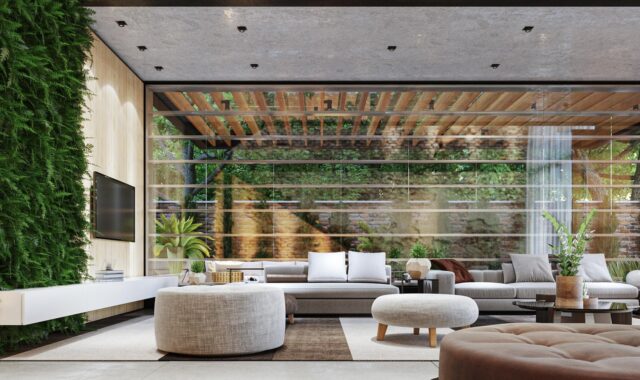
Modern living room furniture is no longer defined only by low profiles, metal legs and neutral upholstery. In 2026, the stronger direction is a room that can adapt: modular seating for different gatherings, warm wood or textured finishes, storage that hides devices and everyday clutter, and materials selected with indoor air quality and safety in mind.
Recent industry signals point in the same direction. ASID’s 2025 Trends Outlook emphasized wellness, sustainability and adaptable living, while spring 2026 High Point Market coverage highlighted flexible pieces, softer forms and more expressive materials. For buyers, the practical takeaway is clear: a modern living room should look edited, but it also has to perform well in daily life.
Start with how the room is actually used
The most useful modern living room starts with behavior, not a shopping list. A room used mainly for streaming needs different seating depth, lighting and cable control than a room used for conversation, reading or hosting. A family room with children or pets also needs more forgiving fabrics and fewer sharp corners than a formal sitting area.
Before choosing a sofa, coffee table or console, map the daily activities in the room. Note whether people eat there, work there, exercise there, play games, store toys or host overnight guests. Then measure the main traffic paths. In many homes, leaving roughly 30 to 36 inches for primary walkways makes the room easier to navigate, while tighter clearances may work around side tables or occasional chairs.
For more furniture planning and design analysis, browse the Furniture Design section.
Choose seating that can change with the layout
Flexible seating is one of the clearest differences between older living room sets and current modern furniture. Instead of buying a fixed sofa, loveseat and matching chair, many households are better served by a modular sectional, a compact sofa with movable ottomans, or a sofa paired with swivel chairs. This approach supports movie nights, small gatherings and quiet reading without requiring a full room redesign.
Modular sofas and movable pieces
A modular sofa works best when the modules are not just decorative. Look for secure connectors, replaceable covers if available, and dimensions that can be rearranged without blocking doors, windows or heating vents. Ottomans should be light enough to move but stable enough to hold a tray. Swivel or glide chairs can be especially useful in open-plan rooms because one chair can face the television, the conversation area or the view.
Comfort still decides whether modern design succeeds
Clean lines matter, but comfort determines whether the furniture is actually used. Check seat depth, back height, cushion density and arm height before buying. A deep, low sofa may look elegant in a showroom, yet feel awkward for older adults or guests who prefer firmer support. A more balanced choice is often a slim-profile sofa with medium-firm cushions, paired with softer lounge chairs or a chaise where comfort is the priority.
Warmer materials are softening the modern look
The cold white-and-gray living room has lost some of its dominance. Current modern interiors are more likely to mix warm wood, stone-like surfaces, textured upholstery, rounded edges and personal objects. Houzz reported strong U.S. search growth for color drenching in its 2025 summer trends data, based on January through March 2025 searches compared with the same period in 2024. The same report also noted rising interest in vintage living rooms. These signals do not mean every home needs saturated color or antiques, but they do show that many homeowners are looking for warmth and character.
| Design move | Why it works | How to apply it |
|---|---|---|
| Warm wood tones | Adds natural texture to clean-lined rooms | Use oak, walnut or ash on tables, shelving or media units |
| Curved silhouettes | Softens boxy architecture and improves flow | Choose a rounded coffee table, curved sofa arm or barrel chair |
| Textured upholstery | Makes neutral palettes feel layered | Try boucle, woven linen blends, performance velvet or ribbed fabrics |
| Vintage or reused accents | Reduces the showroom-set effect | Add one side table, lamp or cabinet with age and patina |
The most durable version of this trend is restraint. A modern room can include color and vintage pieces, but it still needs visual breathing room. Keep the largest items simple, then add warmth through material contrast, art, rugs and smaller accent furniture.
Build in storage without making the room feel heavy
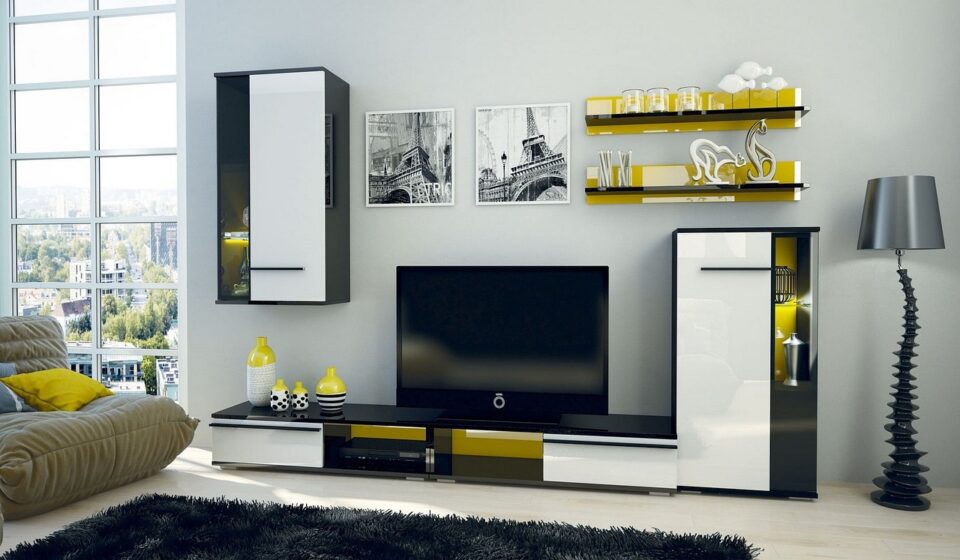
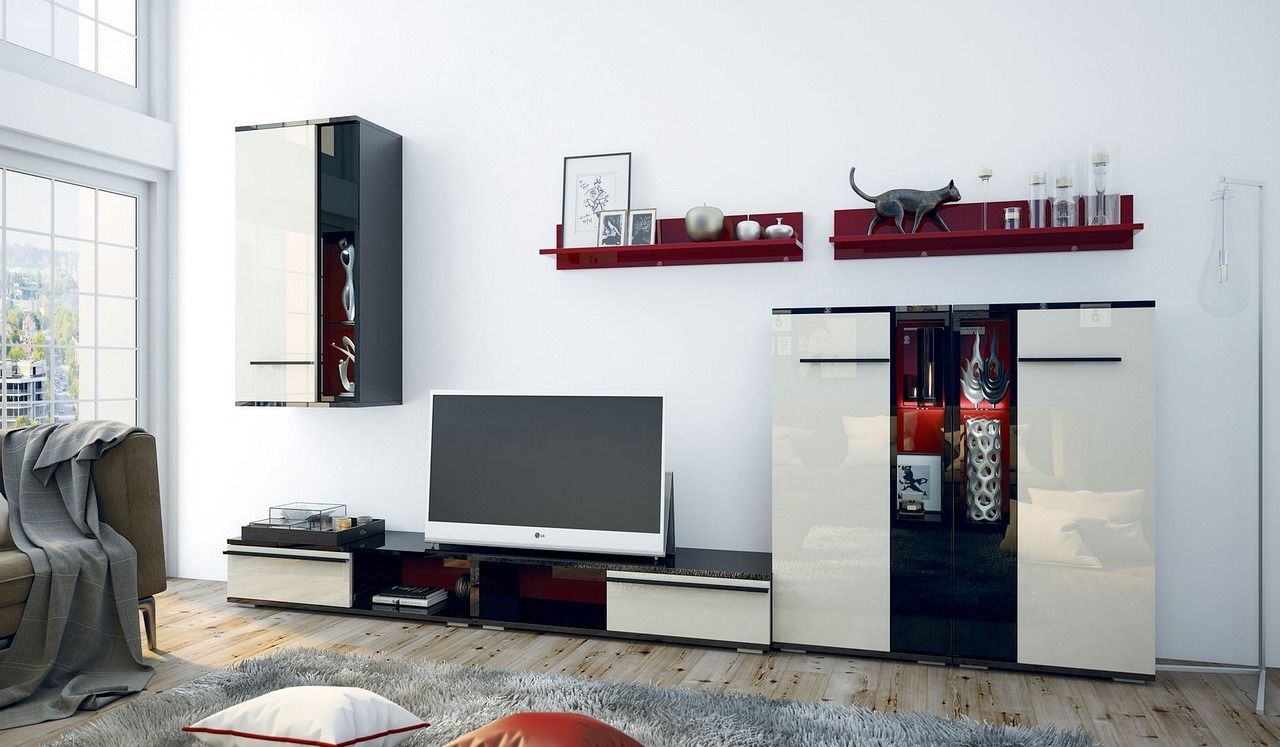
Modern living rooms need storage because daily life creates clutter: remotes, chargers, gaming equipment, books, blankets, toys and pet supplies. The challenge is to hide what should be hidden without turning the room into a wall of cabinets. Low media consoles, floating shelves, narrow sideboards and storage ottomans are often better than one oversized unit.
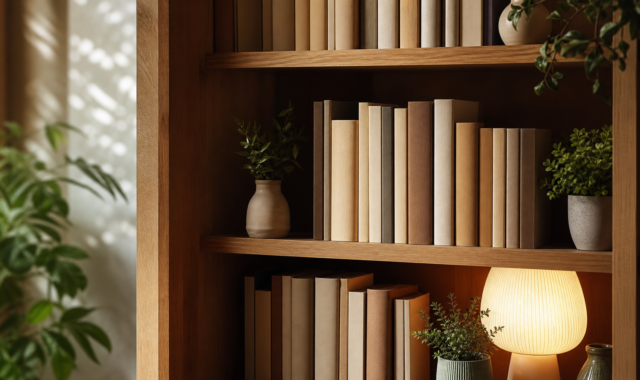
A useful rule is to combine closed storage with a small amount of display. Closed doors or drawers should hold cables, devices and unattractive necessities. Open shelves should be edited for books, ceramics, plants or objects with personal meaning. If every shelf is filled, the room feels busy. If everything is hidden, the room can feel impersonal.
Plan for technology early as well. A beautiful console can become frustrating if it has no ventilation, no cord pass-through and no space for routers or soundbars. Modern furniture should reduce visual noise, not create new functional problems.
Look beyond style to materials, emissions and safety
Furniture buying is also a materials decision. Many living room pieces use composite wood, engineered panels, foam, adhesives and upholstery treatments. In the United States, EPA consumer guidance notes that composite wood products are commonly used in furniture, cabinets, flooring and other goods, and that products manufactured in or imported into the U.S. after March 22, 2019 must comply with TSCA Title VI formaldehyde standards. For buyers, the practical step is to look for clear compliance labeling and avoid vague claims that cannot be checked. See also: BUILDING MATERIALS.
Low-emitting certifications can also be useful, especially for large upholstered pieces or cabinets with engineered wood components. UL GREENGUARD and GREENGUARD Gold are examples of programs focused on chemical emissions from indoor products. Certification is not the same as saying a product is natural or fully sustainable, but it can help buyers compare options when indoor air quality is a concern.
Safety should be part of modern design as well. CPSC rules connected to the STURDY Act made ASTM F2057-23 a mandatory safety standard for certain clothing storage units, including many free-standing dressers and similar products. Living room sideboards and display cabinets may not always fall under the same category, but any tall or heavy storage piece should be assessed for stability. Use manufacturer-provided anti-tip hardware when appropriate, especially in homes with children.
Plan by room size and household needs
Small apartments
In compact spaces, avoid furniture that performs only one task. A storage ottoman can replace a bulky coffee table. A loveseat with slim arms may seat nearly as many people as a wider sofa with oversized arms. Nesting tables provide surface area when guests visit and can be tucked away when not needed. Legs, wall-mounted shelves and lighter visual profiles help keep the floor plane open.
Open-plan homes
Open-plan rooms need furniture that defines zones. A sectional can create a boundary between the living area and dining area, while a console table behind the sofa can provide storage and a visual transition. Rugs should be large enough to connect the main seating pieces; a rug that floats under only the coffee table usually makes the seating area feel smaller and less intentional.
Family rooms
For households with children, pets or frequent guests, performance fabrics, removable covers and rounded corners are more than style choices. They can extend the useful life of the furniture. Darker textured fabrics, medium wood tones and patterned rugs can hide normal wear better than flat pale surfaces. The goal is not to make the room indestructible, but to choose pieces that age gracefully.
Common mistakes to avoid
- Buying a full matching set. Matching sets can look dated quickly. A coordinated mix usually feels more modern.
- Ignoring scale. Oversized furniture can make a large room feel crowded and a small room feel unusable.
- Choosing style before comfort. A photogenic sofa that nobody enjoys sitting on is a poor investment.
- Forgetting lighting. Furniture, lamps and side tables should be planned together so each seat has usable light.
- Overusing trends. Curves, color and texture work best when balanced with simpler anchor pieces.
Frequently asked questions
What is considered modern living room furniture?
Modern living room furniture usually has clean lines, practical proportions and a restrained visual language. Today, it can also include warmer woods, textured fabrics, modular seating and vintage accents. The key is clarity: each piece should support the layout rather than clutter it.
Is modular furniture worth it for a living room?
Modular furniture is worth considering if the room serves multiple purposes or if the household may move or reconfigure the space. It is less useful when the modules are too large, difficult to connect or uncomfortable as individual seats.
What colors work best with modern furniture?
Neutrals still work well, but warmer neutrals, muted greens, soft browns, clay tones, deep blues and layered monochrome palettes can make modern furniture feel more current. Use stronger color on walls, rugs or accent chairs if you want flexibility without replacing major pieces.
How can I make a modern living room feel less cold?
Add texture and contrast. Combine a clean sofa with a wool rug, wood tables, fabric lampshades, art, plants and one or two objects with age or craft. Warmth usually comes from layering, not from adding more furniture.
What should I check before buying living room storage furniture?
Check dimensions, drawer or door clearance, cable management, ventilation for electronics, material labeling and stability. For tall or heavy units, review the manufacturer’s anchoring instructions and use anti-tip hardware where appropriate.