Nordic design furniture and how to use it in modern interiors
What Nordic design furniture really means
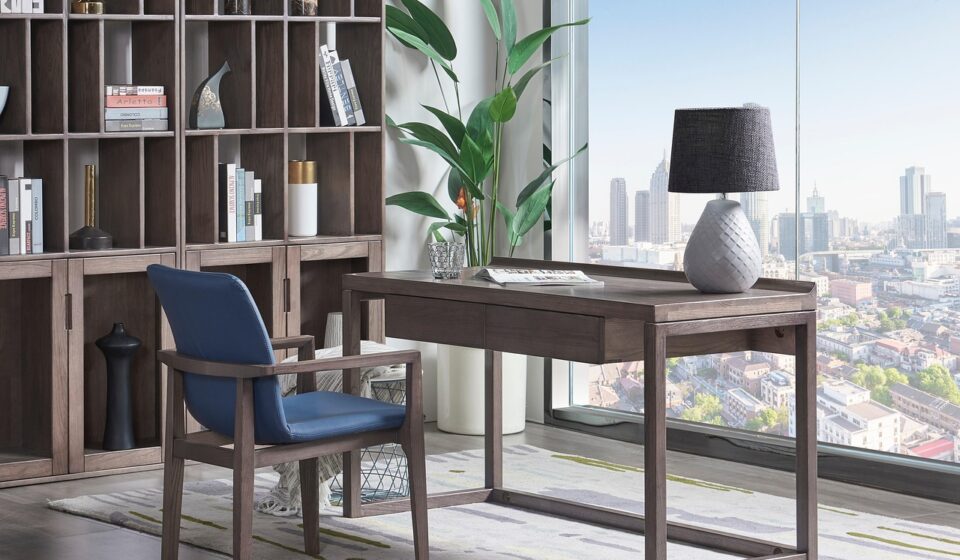
Nordic design furniture refers to furniture shaped by the design cultures of Denmark, Sweden, Norway, Finland and Iceland. It is associated with function, restrained form, natural materials and everyday comfort. It is often mistaken for simple minimalism, but strong Nordic interiors are not empty or cold. They are practical, warm, durable and easy to live with. A chair, table, cabinet or sofa should solve a real use problem first, then express beauty through proportion, material choice and detail.
This is why the search for nordic design furniture is rarely only about buying a look. It is also about understanding why the style fits modern homes: smaller rooms, open-plan layouts, hybrid work spaces and a stronger preference for materials that can last. For more furniture ideas and design context, visit the FURNITURE DESIGN section.
Public design references from Denmark, museum collections of Danish furniture and European sustainability policy all point to a wider theme: Nordic furniture has remained relevant because it connects beauty with usefulness. Its value is not decoration alone, but how a piece supports daily life over time.
Nordic, Scandinavian and Danish design are related but not identical
The terms are often used together, but they are not fully interchangeable. Scandinavian design usually refers to Denmark, Sweden and Norway. Nordic design is broader and commonly includes Finland and Iceland as well. Danish design is a specific national tradition within that wider field, especially influential in twentieth-century furniture through cabinetmaking, human-scale proportions and refined wooden chairs.
In interior writing, the terms overlap because they share several visual and practical values: clean lines, light or natural wood tones, simple silhouettes, useful storage, tactile textiles and an emphasis on daylight. A Nordic interior may include Danish chairs, Swedish storage, Finnish glassware, Norwegian textiles or contemporary pieces from outside the region that follow similar principles.
For homeowners, specifiers and designers, the point is not to police labels too strictly. A room can feel authentically Nordic if the furniture is honest in material, comfortable in use and restrained in expression. It does not need to be a museum-like collection of famous originals.
The core traits of Nordic design furniture
Function comes before ornament
Nordic furniture usually avoids decoration that does not improve use, comfort or clarity. Legs are often slim to make a room feel lighter. Storage is frequently integrated rather than presented as a separate feature. Dining chairs are shaped for real sitting, not only for a good photograph. This practical approach is one reason Nordic pieces work well in apartments, family homes and mixed-use living spaces.
Natural materials carry the visual weight
Wood is central to the look, especially oak, ash, beech, pine and birch. Finishes are often matte or lightly treated so the grain remains visible. Leather, wool, linen, cane, paper cord and stone can also appear, but they are usually used with restraint. Instead of heavy pattern or glossy surfaces, Nordic furniture lets texture do much of the visual work.
Proportion matters more than size
Nordic furniture is not always small, but it often feels light because of proportion. A dining table may have a thin edge. A sofa may sit on visible legs. A cabinet may combine closed storage with a clean front to reduce visual clutter. These choices help furniture feel balanced, even in compact rooms.
Comfort is quiet but essential
The popular image of Nordic interiors can look spare, but genuine Nordic design is not anti-comfort. The region’s long winters and indoor living traditions have made warmth, tactility and human comfort important. A successful Nordic room uses soft upholstery, good lighting, warm wood, layered textiles and enough negative space to make each piece usable.
Why Nordic design furniture feels current in modern homes
Nordic design furniture remains relevant because it answers several contemporary space-planning problems at once. First, it supports flexible living. Many homes now combine cooking, dining, remote work, entertainment and storage in the same open space. Furniture with simple forms and multiple uses can adapt more easily than highly decorative or oversized pieces.
Second, it works with smaller rooms. Raised legs, pale woods, slim frames and low visual clutter help interiors feel more open without relying on an all-white scheme. This is useful in urban apartments, townhouses and homes where natural light is limited.
Third, it fits a broader shift toward durability and repairability. The European Union’s Ecodesign for Sustainable Products Regulation entered into force on July 18, 2024, creating a framework for future product rules covering issues such as durability, reparability, resource efficiency and product information. Furniture has been identified in European policy discussions as a product category with circularity potential, although product-specific rules are developed through separate processes. For furniture buyers, the practical lesson is simple: a timeless look is not enough. Construction quality, replaceable parts, responsible materials and long service life are becoming more important parts of design value.
This does not mean every Nordic-style product is automatically sustainable. A cheap table with a pale veneer and weak hardware may borrow the look without sharing the values. A stronger approach is to judge furniture by structure, material honesty, repair potential and whether the design is likely to remain useful as needs change.
How to use Nordic design furniture without making a room look flat
Start with one anchor piece
Choose one strong functional item first, such as a dining table, sofa, lounge chair, sideboard or bed frame. The anchor piece should set the tone through material and proportion. A pale oak dining table, for example, can guide choices for chairs, lighting and storage. A low-profile sofa in wool or textured fabric can become the calm base for a living room.
Build a controlled material palette
A Nordic interior usually works best with three or four main materials rather than many competing finishes. A practical palette might include oak, off-white walls, wool upholstery and black metal details. Another could use walnut, warm grey, linen and ceramic. The aim is not to match everything, but to create a clear relationship between surfaces. See also: BUILDING MATERIALS.
Add contrast through texture, not clutter
If a Nordic room feels too plain, the answer is rarely more decoration. Try stronger texture first: a wool rug, linen curtains, woven storage, paper-cord seating, boucle upholstery, leather pulls or handmade ceramic lamps. These elements add depth while keeping the room calm.
Use lighting as furniture support
Nordic interiors depend heavily on light. Pendant lamps, wall lights and floor lamps should support how the furniture is used. A dining table needs focused but comfortable light. A reading chair needs a dedicated lamp. A sideboard can be softened with indirect lighting. Good lighting makes simple furniture feel intentional rather than bare.
Mix periods carefully
Nordic design works well with vintage, contemporary and even industrial pieces, but the mix needs a shared logic. Pairing a vintage wooden chair with a modern table can work if the wood tones, leg shapes or proportions relate. Mixing too many iconic silhouettes in one room can feel more like a showroom than a home.
A practical comparison for design decisions
| Style direction | Main focus | Typical furniture cues | Best use |
|---|---|---|---|
| Nordic design furniture | Function, warmth and material honesty | Light wood, clean profiles, tactile textiles, practical storage | Everyday homes that need calm and comfort |
| Minimalist furniture | Reduction and visual order | Very simple forms, limited color, little decoration | Spaces where visual quiet is the main goal |
| Mid-century modern | Postwar modern form and expressive silhouettes | Tapered legs, molded shapes, walnut or teak tones | Rooms that need character and recognizable design language |
| Japandi | Nordic simplicity with Japanese restraint | Low profiles, natural fibers, muted colors, crafted details | Quiet interiors with a stronger handmade or meditative mood |
This comparison shows why Nordic design furniture should not be reduced to one color palette. It is a flexible design language. The difference lies in how the furniture balances utility, softness, material and proportion.
Common mistakes when choosing Nordic design furniture
- Making everything white. Nordic interiors often use light colors, but they also need warmth from wood, textiles and shadow. A flat white room can feel unfinished.
- Buying the look instead of the construction. Thin veneers, weak joints and poor hardware can imitate Nordic style without delivering durability.
- Ignoring ergonomics. A beautiful chair is not successful if the seat height, back angle or depth does not suit its purpose.
- Using too many small pieces. Nordic rooms need breathing space. Too many side tables, stools and decorative objects can undermine the calm effect.
- Matching wood tones too aggressively. A room can handle several wood tones if their warmth and grain intensity are balanced. Perfect matching often looks forced.
- Forgetting acoustic comfort. Wood floors, plain walls and minimal upholstery can make a room echo. Rugs, curtains and upholstered seating improve the lived experience.
A buyer’s checklist for long-lasting Nordic style
Before choosing a Nordic-style piece, look beyond the photograph. A good product page or showroom visit should help answer practical questions about use, material and maintenance.
- Is the frame solid wood, plywood, metal or particleboard, and is that choice appropriate for the price and use?
- Are joints, screws, hinges and drawer runners accessible for repair or tightening?
- Can upholstery covers, cushions, glides or parts be replaced?
- Does the finish suit the household, especially if there are children, pets or heavy daily use?
- Is the wood source explained through credible certification or transparent sourcing information?
- Does the piece solve a real space problem, or is it only filling a visual gap?
- Will the proportions still work if the room layout changes?
For sofas and lounge chairs, sit-testing matters. For tables, check edge thickness, leg placement and stability. For cabinets, test doors and drawers. For beds, consider airflow, storage access and the relationship between frame height and mattress height. These details may sound ordinary, but ordinary performance is exactly where Nordic design earns its reputation.
Frequently asked questions
Is Nordic design furniture the same as Scandinavian furniture?
Not exactly. Scandinavian usually refers to Denmark, Sweden and Norway, while Nordic is often used more broadly to include Finland and Iceland. In furniture and interiors, the terms overlap because they share similar values: function, simplicity, natural materials and comfort.
What colors work best with Nordic furniture?
Soft white, warm grey, sand, oat, clay, muted blue, sage, charcoal and natural wood tones all work well. The key is balance. Use quiet colors as the base, then add warmth through texture and natural materials.
Can Nordic design furniture work in a traditional home?
Yes. Nordic pieces can soften traditional interiors if the proportions are balanced. A clean oak table can sit well with older architecture, and a simple sideboard can reduce visual heaviness in a room with detailed trim or patterned flooring.
Is Nordic-style furniture always expensive?
No. Prices vary widely. The better question is whether the piece is well made for its cost. A modest solid wood chair with good joinery may be a stronger purchase than a more expensive item that only imitates the style.
How do I keep a Nordic room from feeling cold?
Add layered lighting, warmer wood tones, textured textiles, rugs, plants and a few personal objects. Nordic design is restrained, but it should still feel lived in. Warmth comes from touch, light and use, not from clutter.
The takeaway
Nordic design furniture works because it treats furniture as part of daily life rather than as decoration alone. Its strongest qualities are practical: human-scale proportions, honest materials, visual calm, repair-minded thinking and comfort that does not need to shout. When used well, it can make a modern interior feel lighter, warmer and more durable without becoming generic.
The best approach is to choose fewer pieces with better structure, clearer purpose and materials that improve with use. That is where Nordic design moves beyond a trend and becomes a long-term furniture strategy.