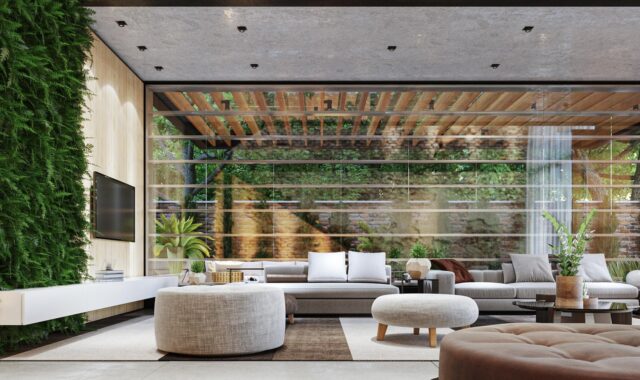
Scandinavian furniture explained through materials, function and lasting value
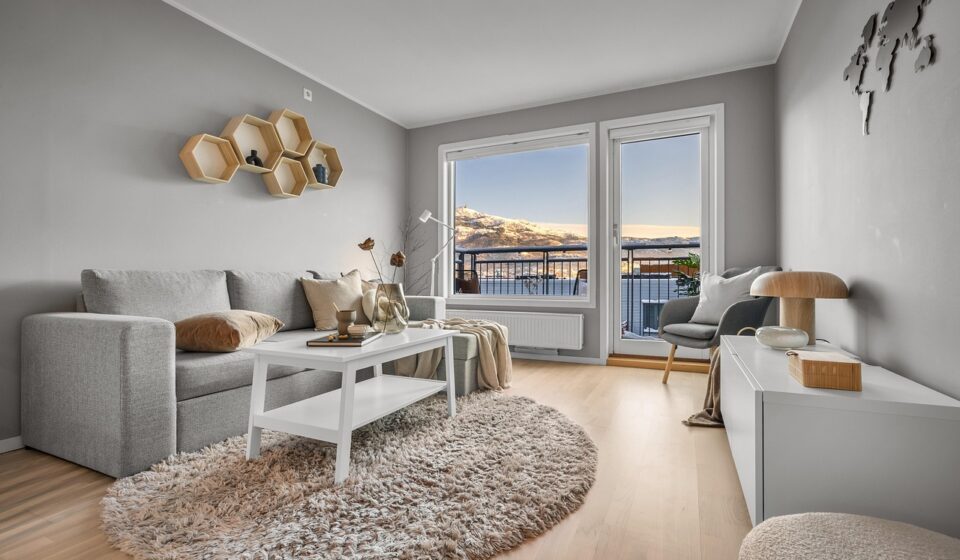
What Scandinavian furniture means today
Scandinavian furniture is best understood as a design approach, not a fixed decorative formula. It usually favors clean silhouettes, practical proportions, natural materials, restrained color and enough warmth to keep simple rooms from feeling empty. The style grew from Nordic modernism, craft traditions and the belief that everyday objects should be well made, comfortable and accessible.
For homeowners, designers, builders and furniture buyers, its value is not only visual. A good Scandinavian chair, table, sofa or storage piece should solve a real problem, work in modest spaces, age calmly and avoid unnecessary ornament. That is why the style remains relevant in contemporary furniture design, especially as buyers pay closer attention to durability, repairability and material transparency.
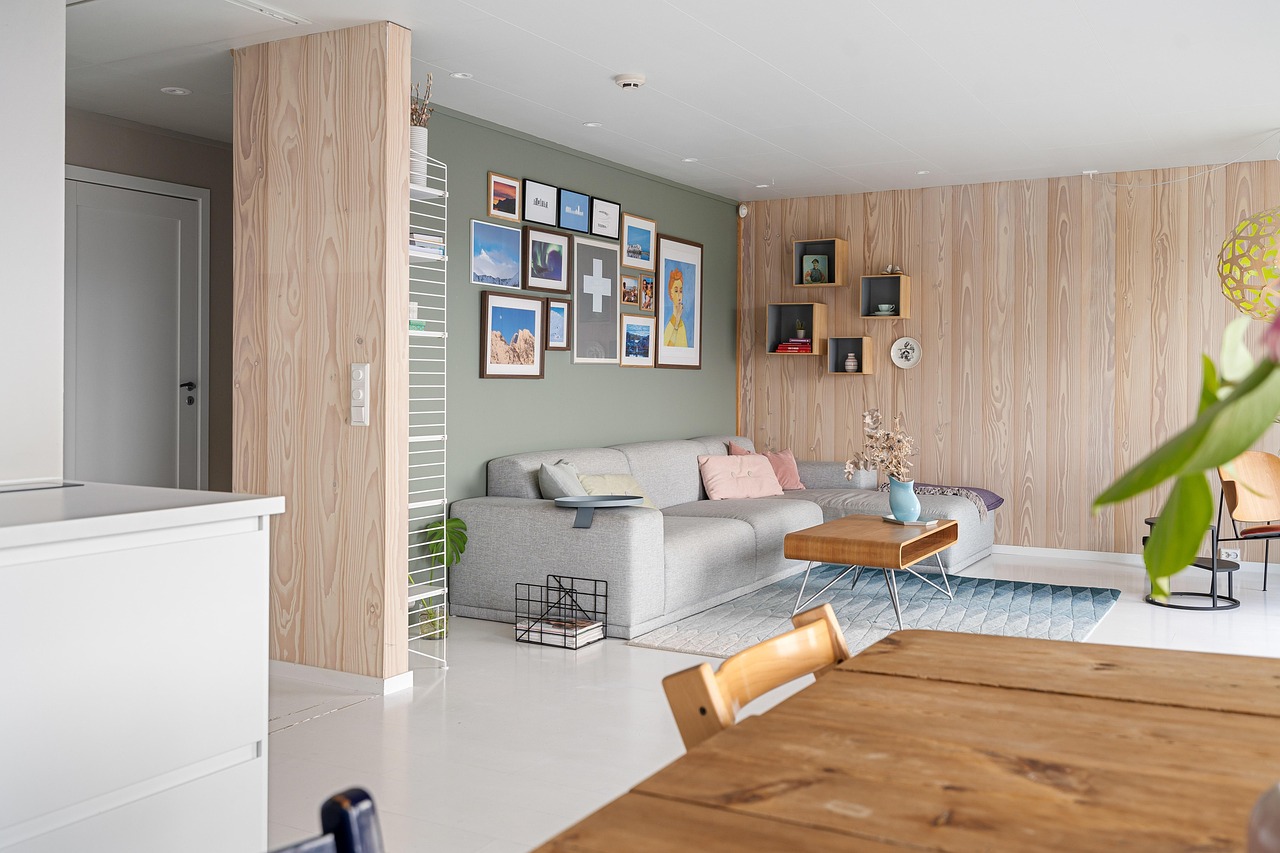
Origins that still shape the style
The words Scandinavian and Nordic are often used loosely in interiors, but they are not identical. In a strict geographic sense, Scandinavia normally refers to Denmark, Norway and Sweden. In design writing and retail, however, Scandinavian furniture often includes the wider Nordic design culture of Finland and Iceland as well. The official Nordic co-operation framework includes Denmark, Finland, Iceland, Norway, Sweden, the Faroe Islands, Greenland and Åland, which helps explain why design discussions often move between Scandinavian and Nordic examples.
The modern furniture language associated with the region did not appear overnight. Designmuseum Danmark describes Danish Modern as a story running from the 1920s through the late twentieth century, with its international breakthrough in the mid-century period. The museum also emphasizes how Danish designers challenged heavy, crowded interiors and developed a more methodical approach to furniture, especially chairs.
This history matters because Scandinavian furniture was not designed simply to look spare. It responded to changing homes, new production methods and demand for objects that could support everyday life. Finland adds another important strand through Alvar Aalto, whose work is documented by the Museum of Modern Art. Aalto used wood, bent plywood and standardized components while still prioritizing comfort, light, texture and human experience. His furniture for Artek shows a central Scandinavian lesson: industrial production and emotional warmth do not have to be opposites.
The design principles behind the look
Function before styling
The most reliable way to identify Scandinavian furniture is to ask what problem the piece solves. A dining chair should support long meals without visual heaviness. A sideboard should store household objects while keeping a room calm. A sofa should feel relaxed but not bulky. Decoration is not banned, but it needs to earn its place through proportion, joinery, texture or material contrast.
Lightness without fragility
Many Scandinavian pieces appear visually light because they use tapered legs, slim edges, lifted bases and open frames. This does not mean they should feel weak. In better examples, the construction is clear and the load paths are easy to read. Chairs often reveal their stretchers, curved backs or shaped arms instead of hiding everything behind upholstery. Cabinets may stand on narrow legs to create a sense of air below the case. The goal is a room that feels breathable, not under-furnished.
Warm minimalism
Scandinavian interiors are often called minimal, but warm minimalism is usually the better description. A room can be simple and still include wood grain, woven texture, wool, leather, ceramics, books and layered lighting. This distinction matters because many imitation interiors reduce the style to white walls and pale furniture. True Scandinavian furniture usually balances restraint with touchable surfaces and domestic comfort.
Materials that define Scandinavian furniture
Wood remains central because it connects modern furniture to regional craft, forest resources and tactile warmth. Common species include oak, ash, beech, birch and pine, depending on price point, region and intended use. Mid-century Danish pieces often used teak and rosewood as well, although contemporary buyers should treat tropical hardwoods carefully and look for credible sourcing documentation when these materials are used.
Veneer is not automatically a sign of poor quality. Many modernist pieces used veneer, plywood or bentwood because these methods allowed lighter forms, stable surfaces and efficient production. The key question is whether the material is used honestly and appropriately. A well-made veneered table with repairable edges may be more responsible and more stable than a poorly dried solid wood slab that twists in service.
| Material or detail | Why it appears in Scandinavian furniture | What to check before buying |
|---|---|---|
| Oak, ash, beech and birch | They offer pale to medium tones, visible grain and a natural feel. | Check joinery, finish quality and whether the surface can be refinished. |
| Plywood and bentwood | They allow curved, lightweight and repeatable forms. | Look for smooth edges, stable laminations and no lifting layers. |
| Wool, linen and cotton blends | They add warmth, texture and comfort to restrained shapes. | Ask about abrasion rating, cleaning instructions and replaceable covers. |
| Leather | It can age well and soften the clean geometry of wood frames. | Understand the grade, finish and maintenance needs. |
| Steel or molded components | Some Nordic designers used industrial materials to challenge wood traditions. | Check coating durability, comfort and whether parts can be replaced. |
How Scandinavian furniture differs from related styles
Searchers often compare Scandinavian furniture with mid-century modern, Japandi and generic minimalism. The overlap is real, but the terms are not interchangeable.
| Style | Main overlap | Useful distinction |
|---|---|---|
| Scandinavian furniture | Clean lines, function, natural materials and calm rooms. | Usually emphasizes warmth, daily usefulness, lightness and human comfort. |
| Danish modern | A major source of the Scandinavian furniture image. | More specific to Denmark and strongly associated with twentieth-century chair and cabinet design. |
| Mid-century modern | Shares simple forms, tapered legs and postwar modernism. | A broader international category that can include American, Italian, Brazilian and other traditions. |
| Japandi | Shares restraint, craft and natural materials. | A contemporary blend of Japanese and Scandinavian cues, often more muted and wabi-sabi in mood. |
| Generic minimalism | Reduces visual clutter. | Can become cold if it ignores comfort, texture and everyday use. |
This comparison is useful because a product can borrow a few Scandinavian signals without carrying the substance of the style. Pale wood legs on a poorly proportioned sofa do not make it Scandinavian in any meaningful sense. Likewise, a darker walnut chair can still feel Nordic if its structure is clear, its comfort is considered and its details are restrained.
Sustainability is becoming part of the design conversation
Scandinavian furniture has long been associated with longevity, but current policy and consumer expectations are making that value more explicit. The European Union adopted Regulation 2024/1781 on ecodesign for sustainable products on June 13, 2024. The regulation creates a framework for requirements related to durability, reusability, repairability, recycled content, environmental information and digital product passports. It does not mean every furniture item already has the same new rule today, but it does signal the direction of travel for products placed on the EU market.
In April 2025, the European Commission published the first Ecodesign for Sustainable Products and Energy Labelling Working Plan for 2025-2030. Furniture, including mattresses, was identified among the priority product areas. Commission information on digital product passports also lists furniture on an indicative timeline for 2028. For furniture brands, importers and specifiers, this points toward a future in which claims about materials, repair and environmental performance may need to be more structured and verifiable. See also: BUILDING MATERIALS.
For readers outside Europe, including the United States, the lesson is still useful. A Scandinavian-inspired purchase should not be judged only by color or silhouette. Ask whether the frame can be repaired, whether covers can be replaced, whether finishes can be renewed, whether spare parts are available and whether wood sourcing is documented. Certification systems such as FSC are commonly used to support responsible forest sourcing claims, but buyers should still check the exact claim attached to the product rather than assuming all wood furniture is equivalent.
How to choose Scandinavian furniture for a real room
A practical selection process starts with the room, not the catalog image. Scandinavian furniture works especially well in apartments, compact houses and multi-use rooms because many pieces are visually light and storage-aware. Still, scale mistakes are common. A low sofa may look elegant in a photo but feel awkward with a high coffee table. A delicate dining chair may not suit a commercial setting or a household that needs heavy daily use.
- Start with use. Decide whether the piece must support dining, lounging, work, storage or display. Form should follow the strongest function.
- Check proportions in plan view. Leave walking space around tables, sofas and sideboards. Scandinavian furniture looks best when it can breathe.
- Balance pale wood with texture. Add wool, linen, leather, ceramics or darker accents so the room does not become flat.
- Avoid matching everything. Scandinavian rooms often feel collected. Mix oak with painted finishes, woven seats or black metal details if the palette remains disciplined.
- Look underneath and behind. Quality is often visible on the underside of a chair, the back of a cabinet and the way drawers run.
- Prefer repairable details. Removable cushions, screw-fixed components and refinishable surfaces can extend service life.
- Be careful with extreme trends. Very low seating, oversized boucle or ultra-pale finishes may date faster than balanced forms and durable textiles.
Color should support the same idea of calm usefulness. Whites, warm grays, oatmeal, clay, soft green, muted blue and black accents all work well. Scandinavian interiors are not required to be colorless, however. Historic and contemporary Nordic design includes painted wood, patterned textiles, saturated accents and playful forms. The difference is that color is usually controlled rather than chaotic.
Why the style keeps lasting
The staying power of Scandinavian furniture comes from a rare combination: it is easy to recognize, but its best principles are deeper than appearance. It can serve a small rental apartment, a family dining room, a boutique hotel lobby or a workplace lounge because the logic is transferable. Keep the form clear. Make the object comfortable. Let the material speak. Avoid decoration that interferes with use. Design for enough durability that the piece can remain in circulation.
That last point is becoming more important. As sustainability rules, buyer expectations and resale markets mature, furniture that looks good for only one season is less convincing. Scandinavian furniture is not automatically sustainable, and no style label can replace evidence about materials, production and repair. But the tradition gives designers and buyers a strong framework for asking better questions. The best pieces do not shout for attention. They quietly make daily life easier, warmer and more orderly.
Frequently asked questions
Is Scandinavian furniture always made from light wood?
No. Light oak, ash, beech, birch and pine are common, but Scandinavian furniture can also use darker woods, painted finishes, leather, steel, plastic or bold textile accents. The more important qualities are functional clarity, balanced proportions and material honesty.
Is Scandinavian furniture the same as Danish modern?
No. Danish modern is a specific and highly influential part of the broader Scandinavian furniture story. Scandinavian furniture can also include Swedish, Norwegian, Finnish and wider Nordic design traditions, depending on how the term is being used.
Does Scandinavian furniture work in small spaces?
Yes, often very well. Raised legs, slim profiles, useful storage and restrained forms can make a small room feel lighter. The main caution is scale: measure seat height, table clearance and walking paths before buying.
What colors work best with Scandinavian furniture?
Warm whites, soft grays, beige, muted greens, clay tones, pale blues and black accents are reliable choices. Stronger colors can also work when used deliberately through textiles, art or a single statement piece.
How can I tell whether a Scandinavian-style piece is good quality?
Check comfort, joinery, surface finish, fabric durability, drawer movement, frame stability and repair options. A good piece should feel considered from every angle, not just styled for a front-facing product photo.