Table design in 2026 favors flexible layouts, tactile materials, and smarter proportions
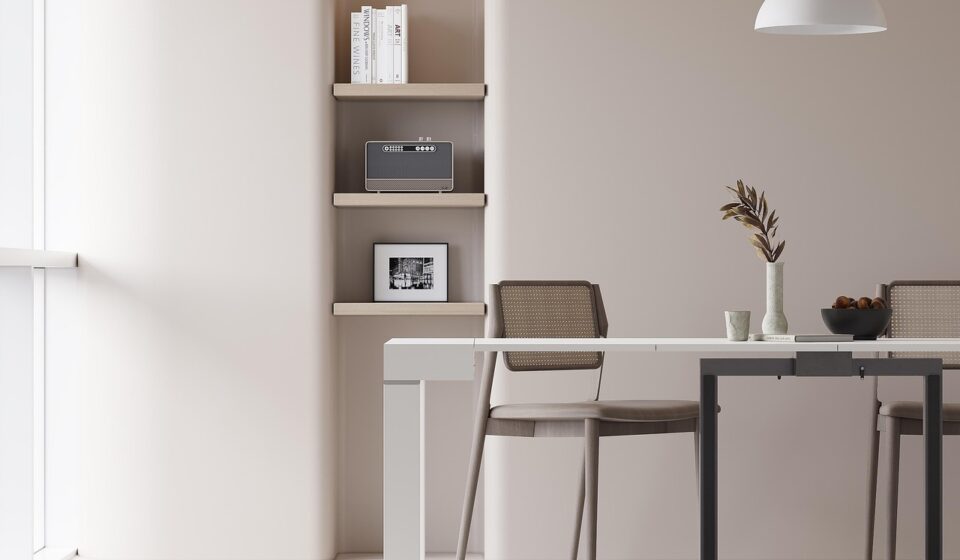
In 2026, good table design is less about picking a fashionable outline and more about specifying the right mix of proportion, material, durability, and everyday use. Recent furniture coverage from Houzz, Architectural Digest, High Point Market, and Milan Design Week points to softer silhouettes, tactile surfaces, expressive stone, warmer wood tones, and flexible pieces for smaller, mixed-use rooms. For homeowners, designers, and furniture buyers, the key question is not only whether a table looks current. It is whether it will work daily, age well, and fit the room without creating circulation or maintenance problems. This guide from our furniture design section focuses on the practical decisions behind a better table.
Why table design is changing now
Tables carry more functional pressure than many furniture categories. A dining table may need to support meals, laptops, homework, craft projects, and weekend hosting. A coffee table may hold books, trays, remotes, and display objects while still leaving enough space for movement. A home office table has to manage screens, cables, and long sitting or standing sessions. As homes absorb more activities, table design has become more hybrid.

The shift is visible in 2026 design reporting. Houzz’s 2026 U.S. Emerging Summer Trends Report noted rising interest in rounded silhouettes and wave-like details. Coverage from Milan and High Point also pointed to natural materials, sculptural bases, tactile finishes, and adaptable forms. These are editorial and market signals rather than rules, but they suggest a shared direction: tables are becoming softer, more material-led, and more responsive to changing room uses.
That does not mean every room needs a dramatic pedestal base or a carved stone top. The strongest table design choices usually come from balancing five factors: use, size, clearance, material, and maintenance. A beautiful table that blocks movement, scratches quickly, or seats fewer people than expected will not feel successful for long.
Start with the task before choosing the shape
The first design decision is not style. It is the task the table must perform most often. Dining tables need comfortable seating and enough surface depth for plates, serving pieces, and elbows. Coffee tables need the right relationship to sofa height, reach, and legroom. Console tables usually require shallow depth, visual lightness, and storage discipline. Work tables need posture support, cable planning, and stable construction.
Round and oval dining tables are useful where conversation and softer circulation matter. They remove sharp corners and can make tight dining areas feel less rigid. Rectangular tables still work well in long rooms and for larger seating counts. Square tables can be strong in compact rooms, but they become less efficient as they grow because the center is harder to reach.
Pedestal bases are increasingly popular because they create a sculptural center and reduce chair-leg conflicts. However, they need careful engineering. A heavy top on a narrow pedestal can look elegant but may feel unstable if the base footprint is too small. Four-leg and trestle bases usually distribute weight more predictably, although they may limit where chairs can slide in.
Proportion and clearance matter more than novelty
Many table problems come from poor proportion rather than poor taste. A table can look impressive in a showroom and still fail in a real room if it leaves too little walking space or overwhelms nearby seating. Before buying or specifying a table, measure the usable room area, not just the wall-to-wall dimension. Door swings, radiators, cabinetry, rugs, and circulation paths all reduce the footprint a table can occupy comfortably.
Dining tables typically need enough clearance for chairs to pull out and for people to pass behind seated guests. In tighter homes, this clearance is often the difference between a table that feels generous and one that feels like an obstacle. For coffee tables, the critical relationship is to the sofa and surrounding seats. If the table is too tall, it can look bulky; if it is too low, trays and daily use may become inconvenient.
| Table type | Design priority | Common risk | Practical design response |
|---|---|---|---|
| Dining table | Seating comfort and circulation | Too large for the room | Confirm chair pull-out space before choosing length or diameter |
| Coffee table | Reach, legroom, and visual balance | Surface feels too bulky near the sofa | Match height and scale to the seating group, not to the room alone |
| Console table | Shallow storage and display | Becomes a clutter zone | Use drawers, trays, or a narrow top to control objects |
| Work table | Posture, stability, and cable management | Poor ergonomics during long use | Plan screen position, leg clearance, and cable routes early |
| Outdoor table | Weather resistance and cleaning | Indoor material used in outdoor exposure | Specify finishes and fixings suited to moisture, sun, and temperature change |
Materials are carrying more of the design message
One of the strongest current table design signals is the move toward material character. Instead of relying only on decorative profiles, designers are using grain, veining, texture, edge detail, and finish contrast to create interest. Milan Design Week 2026 coverage repeatedly highlighted material research, expressive surfaces, and sustainable material experimentation. High Point Market reporting also pointed to earthy palettes, time-worn finishes, and naturalistic references.
Wood remains one of the most versatile choices because it can be warm, repairable, and visually adaptable. Solid wood can often be sanded or refinished, but it reacts to humidity and requires thoughtful construction. Veneered surfaces can be stable and efficient when well made, but edge quality and substrate matter. Stone and stone-look surfaces add weight, permanence, and pattern; they also require attention to sealing, support, and stain resistance. Glass can visually lighten a room, but fingerprints, edge safety, and acoustic hardness are practical limitations.
Composite wood products are common in affordable and mid-market furniture. In the United States, the EPA’s TSCA Title VI formaldehyde standards regulate certain composite wood products, including hardwood plywood, particleboard, and medium-density fiberboard used in finished goods. For buyers and specifiers, compliance information and supplier documentation are important when evaluating tables made with composite panels.
Sustainability claims also need careful reading. FSC certification, for example, relates to responsible forest management and chain-of-custody systems. It does not automatically mean a table is low-emission, locally made, or fully recyclable. A more useful approach is to ask separate questions about wood origin, adhesive emissions, finish chemistry, repairability, packaging, and expected service life.
Soft silhouettes and sculptural bases need practical checks
Rounded corners, oval tops, thick cylindrical legs, wave edges, and sculptural pedestal bases are among the most visible style directions in table design. These forms can make rooms feel calmer and more fluid, especially when paired with upholstery, rounded lighting, or curved architecture. They also reduce the visual severity that can come from too many straight lines in open-plan homes.
Soft, however, does not automatically mean practical. A highly irregular edge may look handmade but reduce usable surface area. A thick rounded top may appear luxurious but feel heavy in a small apartment. A sculptural base may photograph well yet interfere with feet or chair placement. The more expressive the form, the more important it is to test the table from the user’s point of view.
For dining tables, sit at the table if possible before buying. Check whether knees hit the apron or base. Confirm whether chairs tuck in cleanly. For coffee tables, walk around the seating area and make sure the corners, even rounded ones, do not interrupt natural movement. For work tables, avoid bases that reduce legroom or prevent a centered sitting position. See also: BUILDING MATERIALS.
Work tables need ergonomic thinking, not just a home office label
Work tables and desks deserve a different level of design scrutiny because they affect posture over long periods. ISO 9241-5:2024 addresses workstation layout and postural requirements for human-system interaction, and BIFMA standards describe furniture performance and ergonomic considerations for office environments. These standards are not a shopping checklist for every home table, but they reinforce a basic point: a table used for computer work should support the body, equipment, and task together.
A good work table provides enough depth for screens and input devices, enough width for task materials, and enough underside clearance for comfortable leg movement. If it is height-adjustable, stability at different heights matters as much as the adjustment range. If it is fixed height, chair adjustability becomes more important. Cable access should be planned as part of the design rather than solved later with visible cords.
Hybrid tables can work well in small spaces, but the compromises should be clear. A dining table used as a work surface may need a removable cable tray, a protective mat, better lighting, or a nearby storage unit for equipment. Without those details, the room can quickly look unfinished and function poorly.
How to evaluate a table design before committing
The most reliable evaluation method is to move from appearance to performance. A table should pass a sequence of practical checks before its finish or silhouette becomes the deciding factor.
- Use case: Identify the main daily task and the occasional secondary tasks.
- Room fit: Measure circulation paths, chair movement, and nearby doors or cabinets.
- Seating logic: Check how many people can sit comfortably, not just how many chairs fit around the edge.
- Base placement: Confirm that legs, trestles, or pedestals do not block knees and feet.
- Surface durability: Match the top to expected use, cleaning habits, heat exposure, and scratch risk.
- Edge safety: Consider rounded or softened edges in family rooms, narrow walkways, and small apartments.
- Maintenance: Understand sealing, refinishing, polishing, or cleaning requirements before purchase.
- Longevity: Favor repairable construction and timeless proportions over short-lived decorative effects.
This approach also helps separate a durable design direction from a passing styling cue. Flexible layouts, better ergonomics, hard-wearing materials, and clear proportions are likely to remain useful even when color palettes change. A very specific finish or exaggerated base shape may still be worthwhile, but it should earn its place through function and context.
Frequently asked questions
What is the most versatile table shape?
Rectangular tables are usually the most versatile for larger dining rooms and multipurpose use because they align well with walls, benches, and storage. Round and oval tables are often better for conversation and softer circulation in compact rooms. The right choice depends on room shape, seating count, and traffic flow.
Are rounded table designs just a trend?
Rounded table designs are currently prominent, but the idea is not new. Soft corners and curved forms have long been used to improve movement, safety, and visual comfort. The current version feels fresh because it is being combined with sculptural bases, tactile stone, warm wood, and more relaxed interiors.
Which table materials are easiest to live with?
Well-finished wood, quality veneer, durable laminate, and some engineered surfaces can be practical for everyday use. Natural stone, glass, and high-gloss lacquer can be beautiful but may require more cleaning, sealing, or scratch awareness. The easiest material is the one that matches the household’s real habits.
How can a small room still have a strong table design?
Use proportion before decoration. A slim oval dining table, a pedestal base, a glass or light-toned top, or a nesting coffee table can provide function without visual crowding. In small rooms, the negative space around the table is part of the design.
What should buyers ask about sustainability?
Ask about wood sourcing, certification, composite wood compliance, finish type, repairability, replacement parts, and expected lifespan. A sustainable table is not defined by one label alone; it is the result of responsible materials, durable construction, and long-term usability.
The practical direction for table design
Table design in 2026 is moving toward pieces that feel softer, more tactile, and more adaptable, but the strongest designs still begin with proportion and use. A successful table should make the room easier to live in. It should support the way people gather, work, move, clean, and store everyday objects. Trends can guide the eye, but measurements, materials, and maintenance determine whether the design lasts.
For designers, buyers, and homeowners, the best takeaway is straightforward: choose tables that combine visual character with practical evidence. Rounded silhouettes, sculptural bases, expressive materials, and flexible formats all have value when they improve the room rather than compete with it. That balance is where current table design becomes more than a style update and turns into better furniture planning.