TV furniture design trends shaping living rooms in 2026
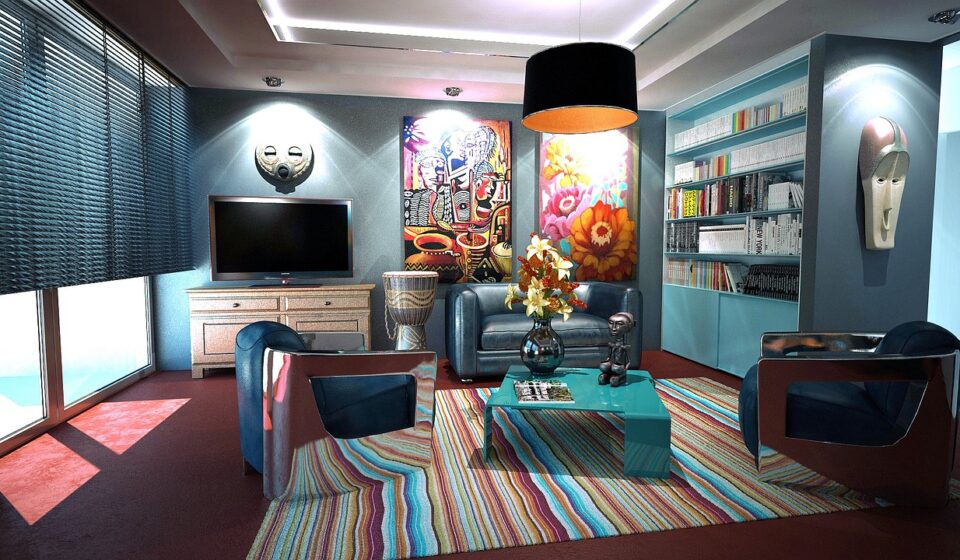
Why TV furniture design is changing
TV furniture design in 2026 is less about finding a cabinet wide enough for a screen and more about planning the full media area. Strong living room solutions now combine correctly scaled TV support, cable routing, ventilated component storage, anti-tip safety and finishes that relate to the rest of the home. Houzz’s 2026 home design predictions highlight multifunctional built-in wall units that zone space for TVs, fireplaces, open shelves, closed storage, benches and even bars. At the same time, Consumer Technology Association data for new televisions sold from April 1, 2024, to March 31, 2025, shows that large screens are common enough to affect furniture proportions. The practical conclusion is straightforward: choose the furniture around the room, viewing distance, storage load and future equipment access, not around the TV alone.
That shift matters for homeowners, designers and furniture buyers because it separates attractive TV walls from layouts that become inconvenient after the first device upgrade. A sleek wall panel may photograph well, but if it blocks ventilation, places the screen too high, leaves no space for a soundbar or cannot be serviced without demolition, it is not strong design. The better direction is flexible, layered and visually calm.
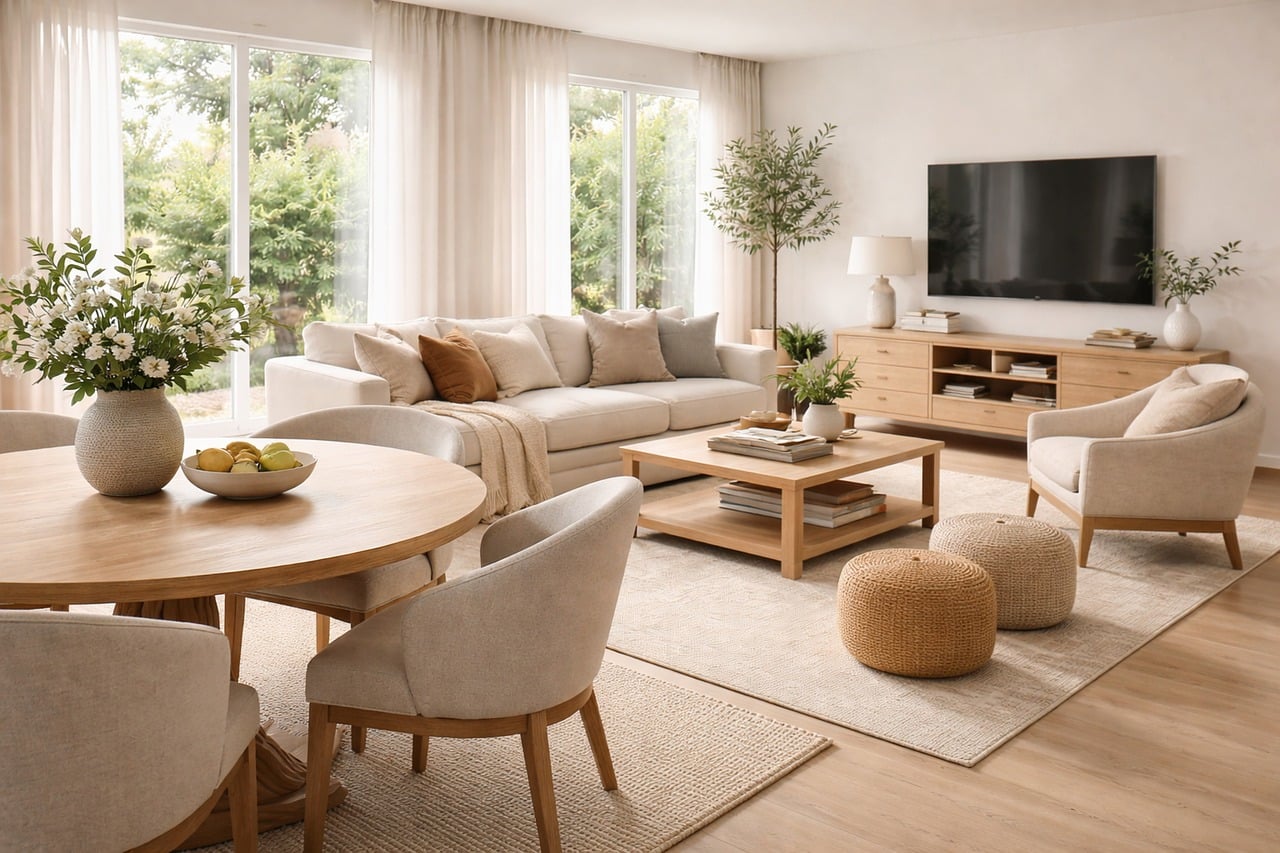
From TV stand to integrated media furniture
The biggest change in living room media planning is the move from standalone furniture to integrated systems. A low console still works, especially in rental homes, compact rooms and interiors that need visual breathing space. However, more projects now combine base cabinets, wall-hung storage, vertical panels, open shelving and concealed wiring so the screen sits within a broader composition.
This does not mean every room needs a full media wall. The most durable TV furniture design often starts with deciding how permanent the installation should be. A renter may need a freestanding console with rear cable cutouts. A family room may benefit from a wall-to-wall built-in with board game storage and washable finishes. A renovated open-plan living area may need cabinetry that visually connects to kitchen millwork without copying it exactly.
For more ideas across furniture categories, the furniture design section is a useful starting point for comparing materials, proportions and room planning approaches.
Four common formats
- Low console: Best for flexible rooms, apartments and spaces where the TV sits near seated eye level. It is the easiest option to replace or move.
- Floating cabinet: Good for modern interiors and small rooms because it reveals more floor area. It needs secure wall fixing and planned cable access.
- Built-in media wall: Strong for large family rooms where storage, display and technology need to work together. It requires the most planning.
- Hybrid furniture wall: A balanced option using a freestanding or semi-custom console with flanking shelves, wall panels or art to reduce the visual dominance of the TV.
Screen size should drive proportion, not just style
One reason TV furniture starts to look outdated is that many cabinets were designed for smaller screens. The CTA’s annual TV energy report for the 2024-25 reporting period showed that, among reported new televisions sold by participating manufacturers, 30.1% were 50 to 59 inches, 20.2% were 60 to 69 inches and 16.0% were 70 inches or larger. That does not mean every room needs a 70-inch screen, but it does mean furniture designed around a 40-inch TV can look under-scaled in many current homes.
A useful design rule is to make the furniture composition wider than the TV itself. If the screen is the widest object on the wall, it can feel like a black rectangle floating without context. Wider base cabinetry, vertical side panels, shelves, artwork or texture can give the wall a more intentional frame. CEDIA homeowner guidance also points to seating distance as a core planning factor, commonly placing comfortable viewing at roughly 1.5 to 2.5 times the screen diagonal, depending on the display, content and room conditions.
| Screen range | Furniture implication | Design caution |
|---|---|---|
| 40 to 49 inches | A compact console or floating shelf can work well. | A large built-in may overpower the screen unless shelving or art balances the wall. |
| 50 to 59 inches | Use a wider console, low cabinet run or simple panel composition. | Check soundbar width and component depth before buying the cabinet. |
| 60 to 69 inches | Plan a full wall composition or generous base storage. | A narrow stand can look unstable even if it technically supports the TV. |
| 70 inches and above | Consider professional mounting, reinforced support and a wider visual frame. | Ventilation, wall strength and viewing distance become more important. |
Storage, cable management and ventilation define quality
Good TV furniture quietly solves practical problems. Poor TV furniture only hides them for a short time. The difference often appears behind the doors: cable grommets that are too small, shelves that cannot hold deeper components, closed compartments with no airflow, or no route for future HDMI and power changes.
Modern media furniture should divide storage into clear zones. Frequently used remotes, game controllers and streaming devices need easy access. Routers and consoles need ventilation. Decorative objects can sit on open shelves, but clutter-prone items usually belong behind doors. A media wall that mixes open and closed storage will age better than one that turns the entire wall into display shelving.
Ventilation is especially important in built-ins. Components such as receivers, game consoles and network equipment generate heat. A clean front face should not come at the expense of airflow. Slatted doors, perforated metal inserts, rear clearance, open backs or active ventilation may be appropriate depending on the equipment. For future flexibility, designers should leave service access rather than sealing technology inside a beautiful but impractical box.
Materials are moving warmer, softer and more architectural
The most convincing TV furniture design in 2026 avoids making the media wall look like a showroom display. Warm wood tones, painted millwork, textured plaster effects, stone-look slabs, wainscoting and soft-edged forms help the TV area connect with the rest of the room. Houzz’s 2026 trend reporting has pointed to multifunctional wall units, softer silhouettes, limewash-style finishes and renewed interest in architectural wall detailing. These cues are useful because a TV wall is usually viewed from a distance and must work as architecture, furniture and backdrop at the same time.
Wood remains a strong choice because it lowers the contrast between the black screen and the surrounding wall. White oak, walnut tones and warm stained veneers can soften large screens without making the room feel heavy. Painted cabinetry can also work, especially when the color repeats trim, kitchen cabinets or built-in bookcases elsewhere in the home.
Texture should be used with restraint. Fluted panels, ribbed details, marble-look slabs and backlit niches can look current, but they can also date a room if they are applied only because they are trending. A safer approach is to use one main texture, one main cabinet finish and one quiet accent. The TV should be integrated, not forced to compete with every surface around it. See also: BUILDING MATERIALS.
Safety and installation details are part of the design
TV furniture must be evaluated as installed furniture, not just as decoration. The U.S. Consumer Product Safety Commission’s Anchor It campaign advises that TVs should be placed only on furniture designed to hold a television, and that TVs not mounted to a wall should still be anchored. This matters in homes with children, pets or high-traffic family rooms, but it is also a basic stability principle for any tall or heavy setup.
Wall-mounted TVs need appropriate hardware for the wall type and screen weight. Floating cabinets need secure fastening into framing or suitable structural support. Tall side cabinets and storage units should be anchored according to manufacturer instructions. If a design includes a fireplace below or near the TV, the installation should follow the fireplace and TV manufacturer clearances rather than relying on appearance alone.
Power planning deserves equal attention. Built-in charging, lighting and outlet modules can make media furniture more useful, but hidden power strips in enclosed cabinets are a poor substitute for properly specified components. UL Solutions identifies UL 962A as the U.S. basic standard used to investigate furniture power distribution units. For homeowners, the practical takeaway is to choose listed electrical components and use qualified installers where wiring, power relocation or built-in lighting is involved.
How to choose the right TV furniture direction
The right direction depends less on trends and more on the room’s constraints. Start with five questions: How far is the sofa from the screen? What devices must be stored? Will the TV size change in the next few years? Does the room need display shelving, closed storage or both? Can the installation be safely anchored and serviced?
For a small apartment, a low console with wall-mounted TV, hidden cable raceway and one or two floating shelves may be enough. For a family room, base cabinets with drawers, durable door fronts and a framed screen zone usually work better. For an open-plan home, the media wall should coordinate with nearby cabinetry but not copy it so closely that the whole space feels like one continuous kitchen.
| Room type | Recommended approach | Why it works |
|---|---|---|
| Small living room | Floating cabinet or slim low console | Keeps the floor visible and prevents the wall from feeling heavy. |
| Family room | Built-in base storage with mixed open and closed zones | Handles games, blankets, toys, remotes and streaming devices. |
| Open-plan space | Coordinated millwork wall with restrained finishes | Connects the TV area to kitchen and dining zones without visual clutter. |
| Media-focused room | Professional mounting, ventilation and speaker planning | Supports better viewing, sound and future upgrades. |
Frequently asked questions
Is a built-in media wall better than a TV stand?
Not always. A built-in media wall is better when the room needs permanent storage, a large-screen frame and an organized architectural focal point. A TV stand is better when flexibility, lower cost or future rearrangement matters more. The strongest choice is the one that fits the room’s viewing distance, storage needs and installation limits.
How wide should TV furniture be compared with the screen?
As a visual guideline, the cabinet or wall composition should usually be wider than the TV. This gives the screen a grounded base and reduces the floating black-rectangle effect. The exact width depends on room size, speaker placement, shelves and whether the TV is wall-mounted or sitting on the furniture.
Are floating TV cabinets practical?
They can be very practical when they are properly fixed, correctly loaded and planned with cable access. Their main advantage is visual lightness. Their main limitation is that they need reliable wall support and may offer less storage depth than floor-standing cabinets.
Should the TV go above the fireplace?
It depends on viewing height, heat clearance, mantel depth and manufacturer instructions. A TV above a fireplace can work in some rooms, but it often places the screen higher than ideal. Before committing, check seated sightlines and confirm that heat and mounting conditions are suitable.
What makes TV furniture design feel current in 2026?
Current designs tend to be warmer, more integrated and more flexible. Instead of a single glossy entertainment unit, the stronger look is a planned furniture wall with storage zones, cable control, safe anchoring, natural or painted finishes and enough adaptability for larger screens and future devices.