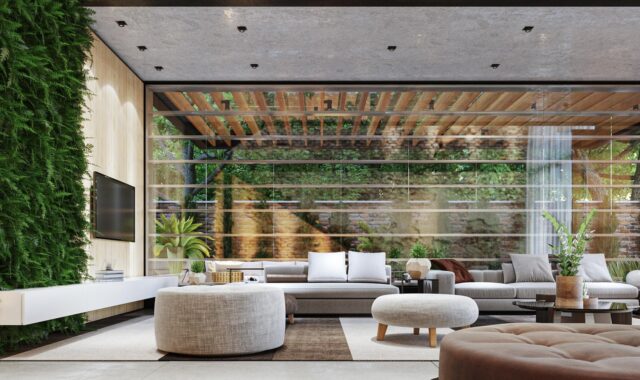
What luxury furniture means in 2026 for modern interiors
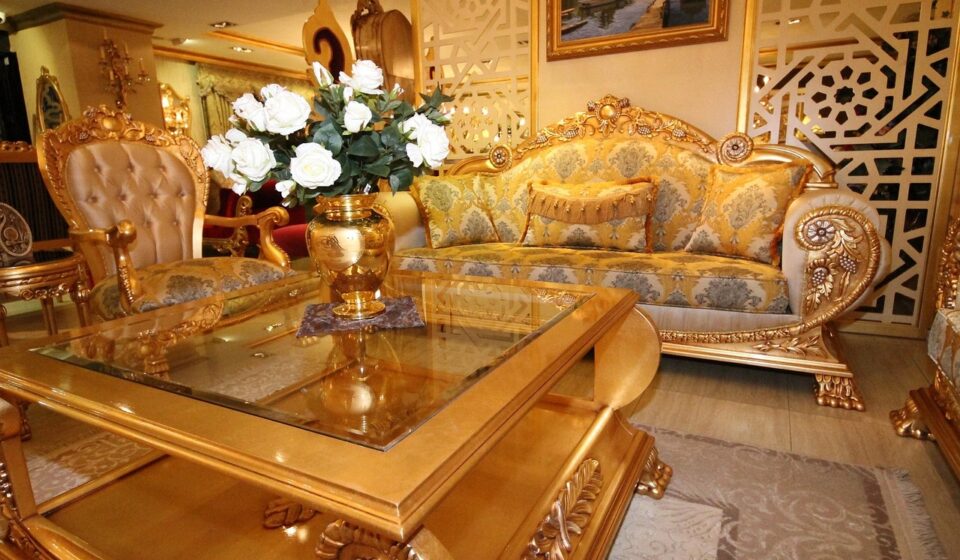
Luxury furniture is shifting from status display to lasting value
Luxury furniture in 2026 is being defined less by obvious branding and more by how well a piece performs over time: its materials, joinery, comfort, provenance, repairability and fit within a personal interior. The main search intent around luxury furniture is no longer simply “what looks expensive.” It is closer to “what makes furniture worth a premium?”
Current design and market signals point in that direction. Buyers still want elegance, but they are also asking for warmer materials, softer silhouettes, custom storage, healthier finishes and clearer evidence that a product can outlast a short trend cycle. In practical terms, luxury now sits at the intersection of craftsmanship, comfort, restraint and accountability.
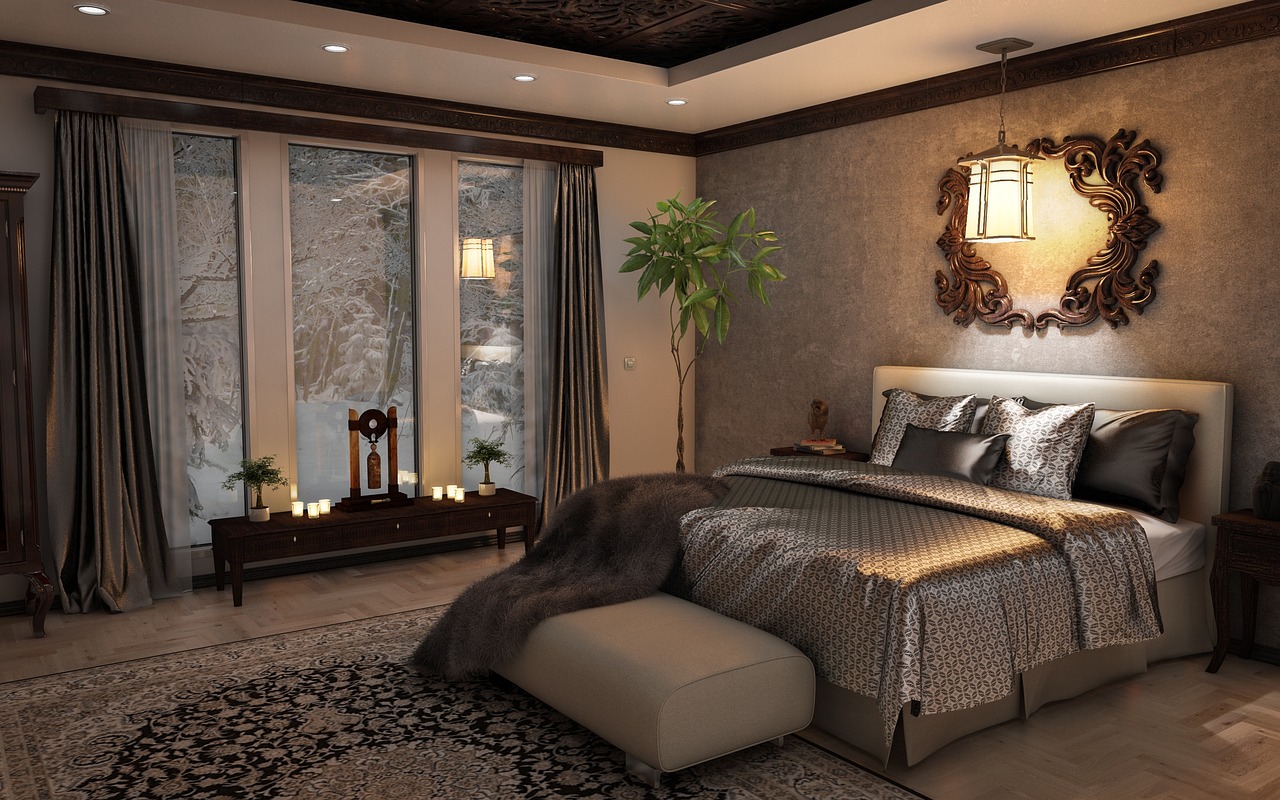
For more context on premium interiors and product design, see our furniture design coverage.
Market signals behind the 2026 luxury furniture shift
The luxury furniture category is still growing, but the numbers need context. In a July 2026 update, Grand View Research estimated the global luxury furniture market at USD 31.1 billion in 2024, USD 33.7 billion in 2026 and USD 39.8 billion by 2030, with a 4.2% compound annual growth rate for 2025 to 2030. The same source identified Asia Pacific as the largest regional market in 2024 and wood as the leading material segment by revenue share.
Other market research firms publish different totals because they define luxury furniture differently. Some include only residential furniture. Others include hospitality, office, lighting, built-ins or broader premium home categories. That variance is useful because it shows how far the category has moved beyond freestanding sofas, tables and beds. Luxury furniture now overlaps with custom cabinetry, outdoor rooms, branded residences, boutique hotels, wellness spaces and collectible design.
Renovation behavior is also shaping demand. The 2026 U.S. Houzz Kitchen Trends Study reported that nearly four in five renovating homeowners chose custom or semi-custom kitchen cabinets. Houzz also reported strong interest in built-in features, pantry cabinets and wood finishes. These findings are not about loose furniture alone, but they matter because premium interiors increasingly blur the line between furniture, millwork and architecture.
The design language buyers are responding to
Luxury furniture follows broader interior shifts, but premium buyers tend to adopt those shifts more selectively and with closer attention to material quality. The clearest 2026 direction is not a single style. It is a combination of softness, tactility, warmth and personal identity.
Curves and softened geometry
Houzz’s 2026 U.S. Emerging Summer Trends Report, based on U.S. search behavior from January to March 2026 compared with the same period in 2025, found rising interest in rounded and wave-like forms. The report noted increases for searches such as arched range hoods, rounded kitchen islands and curved architectural details. For furniture, the implication is clear: rigid minimalism is giving way to more approachable silhouettes.
In luxury furniture, curves work only when construction supports them. A curved sofa with poor internal framing will not feel luxurious for long. A rounded dining chair with the right pitch, upholstery density and edge finishing can look contemporary without compromising comfort. The premium is easier to justify when the shape improves both the room and the user experience.
Tactile surfaces and warm palettes
Texture is another defining signal. Houzz reported sharp growth in searches for materials and finishes such as sandstone, linen wallpaper, seagrass wallpaper, Venetian plaster, terracotta flooring and limewash interior paint. Warm colors also gained attention, including rust, chocolate brown, mushroom, sage, taupe and cream. Together, these shifts support a move away from cold, flat interiors toward layered rooms that feel lived-in and sensory.
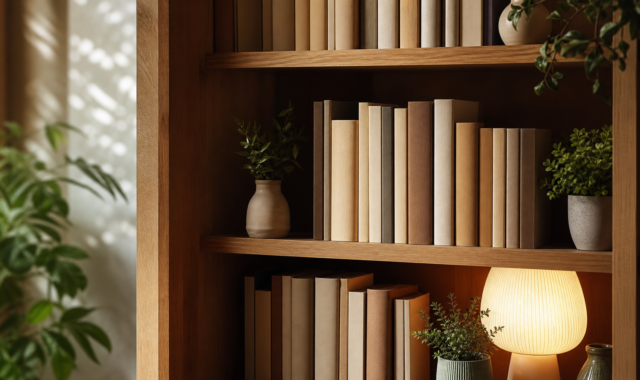
For luxury furniture, this means bouclé alone is no longer enough to signal quality. The more durable direction is a richer materials mix: oiled walnut, oak, travertine, marble, leather, mohair, wool, patinated metal, parchment, rattan, cane and high-performance textiles used with restraint. A room can feel expensive without looking over-decorated when the surfaces invite touch and the palette has depth.
Built-ins and furniture-like storage
One of the most important premium-home changes is the rise of storage that behaves like furniture. In kitchens, lounges, dressing rooms and home offices, buyers want cabinetry that looks architectural but feels personal. Pantry walls, bar cabinets, media units, banquettes and concealed workstations are increasingly designed as part of the furniture package rather than treated as afterthoughts.
This matters for luxury furniture brands and designers because the competition is no longer only another sofa showroom. A client may allocate more of the budget to custom millwork, integrated lighting or a bespoke dining banquette. Successful luxury furniture therefore has to coordinate with the whole room: proportions, finishes, sightlines, hardware, lighting and circulation.
Craftsmanship is being revalued, not romanticized
Craftsmanship remains central to luxury furniture, but in 2026 it is being judged more specifically. Buyers are less likely to accept vague claims such as handcrafted, artisanal or heritage if those claims are not supported by visible quality. The better question is what craft contributes to durability, comfort and character.
At Maison & Objet in Paris, held from January 15 to 19, 2026, the fair’s theme connected the past with the future, and several exhibitions emphasized raw materials, limited-edition works, French savoir-faire and responsible creation. Wallpaper’s coverage highlighted material transformation, outdoor living and eco-material presentations. As an editorial signal, this matters because major design fairs often show how premium brands want to position value: not through novelty alone, but through rarity, hand skill, material experimentation and responsible production.
Even so, craftsmanship should not be used as a shield against practical evaluation. A luxury chair should still have a stable frame, appropriate foam or fiber specification, balanced proportions, clean seams and fabric suited to its use. A wood table should make sense for the local climate and the buyer’s maintenance tolerance. A stone-topped console needs adequate support and safe delivery planning. In premium furniture, beauty and engineering have to meet.
Materials, provenance and certification are part of the brief
Sustainability has become a serious part of luxury furniture selection, but it needs precise language. Not every natural material is automatically responsible, and not every certified product is visually refined. The useful approach is to ask for evidence that matches the product type. See also: BUILDING MATERIALS.
For wood furniture, buyers can look for responsible sourcing documentation, including Forest Stewardship Council certification where applicable. For contract or office-adjacent furniture, BIFMA’s LEVEL program evaluates products against the ANSI/BIFMA e3 Furniture Sustainability Standard, considering areas such as environmental impact, material health and social responsibility. For leather and textiles, OEKO-TEX standards can help verify that certain harmful substances are addressed within defined testing systems.
Safety and compliance also belong in the luxury conversation. In the United States, upholstered furniture is subject to a federal flammability standard under 16 CFR Part 1640, which incorporates California Technical Bulletin 117-2013. That does not make a product luxurious, but it reminds buyers that premium furniture should meet baseline safety expectations as well as aesthetic ones.
The larger point is that luxury is moving from surface impression to documented quality. A buyer may still choose a piece because it is beautiful, but the final decision increasingly depends on material origin, finish transparency, indoor air considerations, warranty terms, repair options and whether replacement parts or reupholstery are realistic.
How to evaluate luxury furniture before buying
A useful evaluation framework separates style from substance. Style determines whether the piece belongs in the room; substance determines whether it deserves the price. The following checklist can help homeowners, designers and procurement teams compare luxury furniture without reducing the decision to brand recognition.
| Evaluation area | What to check | Why it matters |
|---|---|---|
| Frame and construction | Joinery, internal support, weight distribution, fasteners and stability | Good construction protects comfort, safety and long-term value |
| Materials | Solid wood, veneer quality, metal gauge, stone thickness, leather grade and textile composition | Luxury depends on material integrity, not only finish appearance |
| Comfort | Seat depth, cushion density, back angle, ergonomics and intended use | A beautiful piece that is uncomfortable will become decorative rather than useful |
| Finish and detailing | Seams, edges, grain matching, hardware, upholstery alignment and underside finishing | Premium quality often appears in details that are not visible at first glance |
| Provenance | Country of manufacture, workshop information, sourcing documentation and lead time | Traceability supports authenticity and reduces vague luxury claims |
| Maintenance | Cleaning method, patina expectations, repairability and reupholstery options | Long-term ownership is part of the premium value equation |
Price should be read against lifespan. A costly sofa that can be reupholstered, repaired and kept for decades may offer better value than a fashionable piece that becomes unusable within a few years. Conversely, a high price alone does not prove quality. Luxury buyers should be especially cautious with pieces that rely heavily on trend language but provide little technical information.
What this means for designers, retailers and homeowners
For designers, the 2026 luxury furniture brief is more integrated and more evidence-based. Clients may arrive with visual references from social platforms, but they often need help translating those references into durable specifications. The designer’s role is to balance visual impact with scale, comfort, circulation, finish compatibility and maintenance realities.
For retailers and brands, storytelling has to become more concrete. It is not enough to say that a collection is timeless, sustainable or handcrafted. Stronger merchandising explains the material, the maker, the construction, the design intention and the care requirements. In a crowded market, clarity builds trust.
For homeowners, the opportunity is to buy fewer pieces with more intention. Start with anchor items that carry daily use: a sofa, dining table, bed, lounge chair, storage wall or outdoor seating group. Then layer lighting, occasional tables, rugs and accessories around them. Luxury furniture works best when each major piece has a reason to exist in the room, not when every object competes for attention.
The most durable conclusion for 2026 is that luxury furniture is becoming quieter but not plainer. It is warmer, more tactile, more personal and more accountable. The status signal is shifting from recognizability to discernment: knowing why a piece is well made, why it belongs in the space and why it will still feel valuable years from now.
Frequently asked questions
What makes furniture truly luxurious in 2026?
Luxury furniture is defined by a combination of design originality, material quality, construction, comfort, provenance and longevity. A recognizable brand can add value, but it should not replace evidence of good making.
Is custom furniture always better than branded luxury furniture?
Not always. Custom furniture can solve scale, storage and layout problems, but quality depends on the workshop, materials and specifications. Branded luxury furniture may offer stronger design consistency, tested construction and resale recognition. The better choice depends on the project.
Which materials are most relevant for luxury furniture now?
Wood remains especially important, while stone, leather, natural fibers, textured textiles, patinated metals and responsibly sourced outdoor materials are gaining attention. The strongest interiors combine materials for depth rather than relying on one fashionable surface.
How can buyers avoid paying luxury prices for average furniture?
Ask for construction details, material specifications, certification where relevant, warranty coverage, lead time, care instructions and repair options. Inspect seams, edges, stability and comfort. If a seller cannot explain why a piece costs more, the premium may be based mainly on styling.