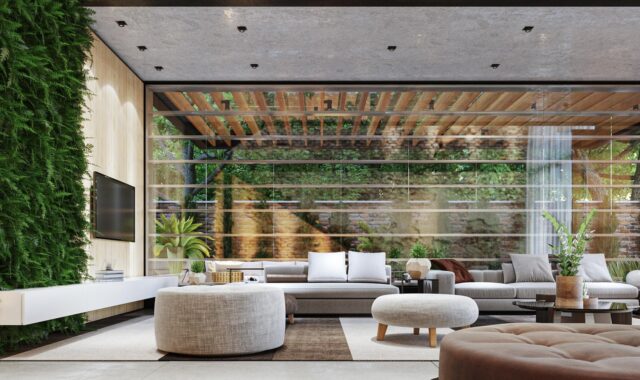
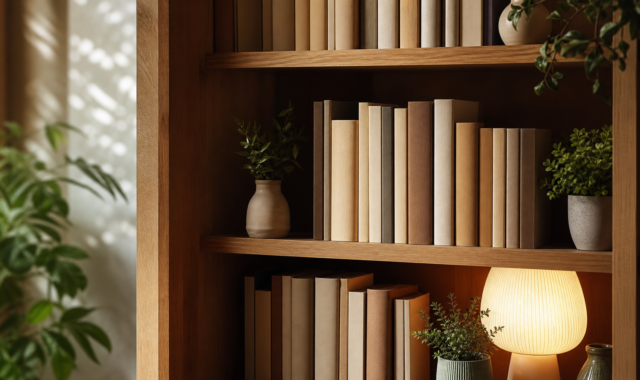
What Makes Furniture Design Work in Real Homes?
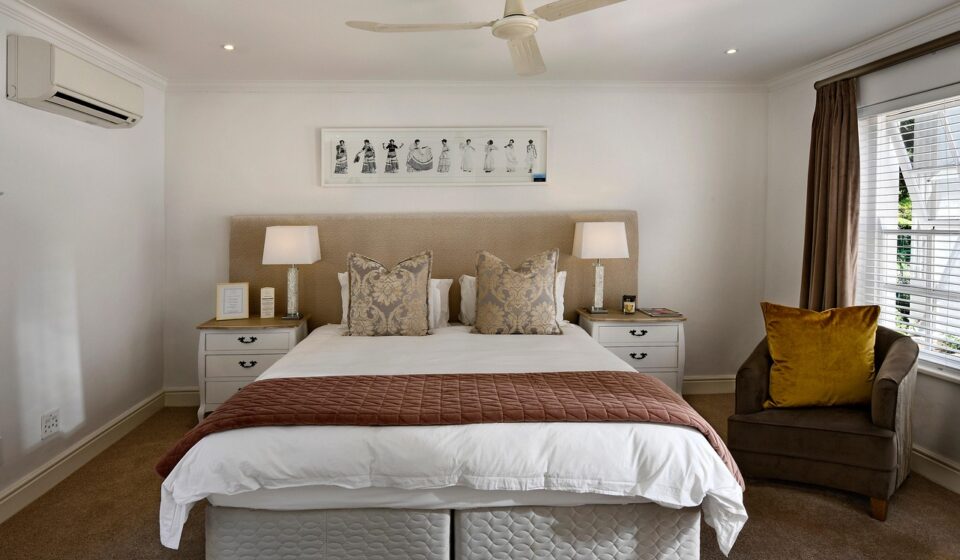
Why Does Furniture Design Matter More in Today’s Home?
Good furniture design is not just a nice chair, a clean sofa shape, or a wood color that is popular this year. It is about whether a room works when people cook, rest, work, welcome guests, and walk through the space with bags, pets, or children. For trade buyers, builders, and homeowners checking Rangnizhuan, the main question is still simple: does this piece make daily life easier, or is it only taking up floor space?
The housing data also points to this practical way of thinking. The U.S. Census Bureau’s 2025 Characteristics of New Housing reported that the median size of a completed new single-family home was 2,142 square feet, while the median size of a new single-family home sold was 2,194 square feet. That gives a home enough space to live well, but not enough room for careless furniture buying. Sofa depth, dining table length, cabinet handle position, and bed frame height all affect daily use. Source: U.S. Census Bureau, published July 1, 2026.
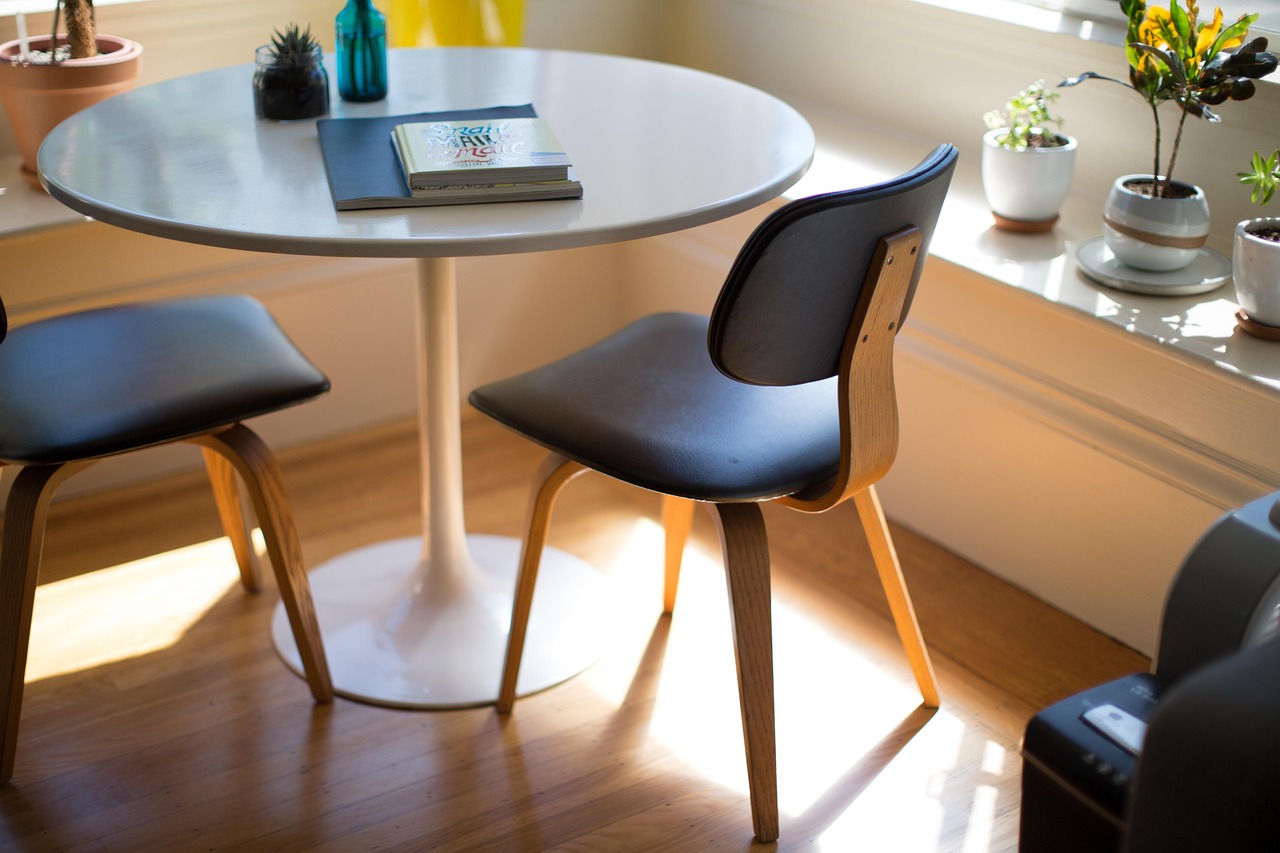
Flow Comes Before Style
A room can look good in a showroom and still feel hard to use at home. The first thing to check is traffic flow, because people need clear paths from the door to the sofa, from the kitchen to the dining table, and from the bed to the closet. In many homes, 30 to 36 inches of walking space feels much easier than a narrow 20-inch gap. This sounds simple, but a lot of furniture plans go wrong at this point.
Scale Decides Comfort
Scale is easy to miss in furniture design, but it decides how a room feels after the delivery team leaves. A sectional with a 42-inch deep seat can be comfortable in a large family room, but it may feel too heavy in a 12-by-14-foot apartment living area. A slim armchair may save six or seven inches compared with a padded rolled-arm chair. Those few inches can decide whether there is room for a side table, a floor lamp, or a small play area.
Materials Shape Daily Use
Materials do more than change the price. A glossy tabletop shows fingerprints faster than a matte wood finish, and bouclé may feel soft but may not suit every pet owner. Powder-coated metal can be a sensible choice for busy commercial apartments. Good design starts with plain questions: who will use the piece, how often it will be used, and how much cleaning the owner will accept. It is not flashy, but it is the part buyers notice later.
How Can You Plan a Room Before Buying Furniture?
Furniture planning should happen before purchase orders are placed, not after delivery. A piece that is only two inches too wide can block a closet door or make a dining chair hit the wall every morning. For export projects, model homes, rental units, and full-home packages, early planning also lowers replacement costs and reduces last-minute fixes on site.
Measure the Real Walking Paths
Start with the fixed points in the room: doors, windows, radiators, outlets, air vents, columns, and built-in cabinets. After that, map the routes people really use, not just the open space shown on a drawing. In a living room, the main path often runs from the entry to the seating area, then to the balcony or kitchen. In a bedroom, the key path usually runs around the bed. A queen bed may fit on paper, but two nightstands and open drawers may not fit in daily use.
Match Pieces to Room Jobs
Each room has its own job list. A living room may need TV viewing, storage, kids’ play, and sometimes a place to work. A dining area may also be used as a laptop zone during the day. When one room has several jobs, choose furniture that supports the top two jobs first. A dining bench with hidden storage can help in a small apartment. A lift-top coffee table can handle short work sessions, but it should not replace a real desk for long hours.
Test Layouts With Tape
Painter’s tape is cheap, and it works better than many people expect. Mark the sofa, dining table, bed, or cabinet size on the floor, then walk around it for a day if the site allows it. Open doors, pull out chairs, and pretend to carry laundry through the space. This simple step catches problems that a clean floor plan can miss. For trade teams, it also helps clients approve sizes with less back-and-forth.
Which Materials Make Furniture Design Feel Better and Last Longer?
Material choice is where design, safety, cost, and brand trust come together. A low-cost piece can still work well if the use is light and the finish is honestly specified. A higher-priced piece can still disappoint if the veneer chips, the fabric pills, or the drawer slides feel rough after three months. The better furniture design choice is usually the one that matches the material to the real use case.
Solid Wood for Warmth
Solid wood brings warmth, repair options, and natural grain differences. Oak, ash, walnut, rubberwood, and pine each give a different look and price position. For dining tables and visible frames, solid wood can age well if the finish can handle spills and heat. Still, solid wood moves with humidity, so drying, joinery, and packaging need to be checked. A good-looking tabletop that warps during shipping is not a successful design.
Engineered Panels With Clear Labels
Engineered panels are common in cabinets, wardrobes, shelves, and flat-pack furniture. They help keep pricing and production stable, but buyers should still ask about emissions, edge sealing, and board grade. The U.S. EPA notes that furnishings and certain pressed wood products can affect indoor air quality, and its July 2025 indoor air quality factsheet lists consumer products, building materials, and furnishings among common indoor air factors. Source: U.S. Environmental Protection Agency, July 2025.
Metal, Glass, Stone, and Fabric Balance
Mixed materials help a room avoid a flat look. Metal legs can make a cabinet look lighter, while glass keeps sight lines open, though it needs regular cleaning. Stone tops add weight and a high-end feel, but shipping and installation need care. Fabric is the part people touch most, so it affects comfort, sound, and the room mood. For hospitality or rental projects, stain resistance and abrasion test data should guide the fabric choice.
What Furniture Design Choices Help Small Spaces Work Harder?
Small-space design is not only about buying tiny furniture. It is more about choosing furniture that does more work without filling every corner. Too many small pieces can make a room feel busy. One right-sized sofa, a narrow storage wall, and a round table may work better than six separate items. The room should feel usable, not like a furniture warehouse squeezed into an apartment.
Storage That Hides Clutter
Closed storage is useful in compact homes. Drawers under beds, shoe cabinets near entries, lift-up benches, and TV units with doors keep daily items out of sight. Open shelving has its place, but it needs regular organizing to look good. Not every customer wants to arrange books and small items after work. Good storage lets people live normally.
Modular Pieces for Changing Needs
Modular furniture helps when life changes. A sectional can move from left-facing to right-facing, and a stackable stool can be used for guests, plants, or a bedside lamp. A modular wardrobe can add drawers later if storage needs increase. The 2026 U.S. Houzz & Home Study found that 54% of U.S. homeowners renovated in 2025 and that 61% planned to stay in their homes for 11 years or more. That long-stay mindset makes flexible furniture more useful. Source: Houzz Research, fielded January to March 2026.
Light Visual Weight
Visual weight means how heavy a piece looks to the eye. Raised legs, slim arms, pale finishes, glass surfaces, and rounded corners can help a small room feel more open. This does not mean every item must be white or thin. A dark walnut cabinet can still work if the profile is clean and the wall around it is kept simple. Contrast is fine, but crowding causes trouble.
How Should Furniture Design Support Remodeling, Resale, and Trade Buying?
Furniture often arrives near the end of a build or renovation, but it should be considered much earlier. Outlet placement, wall blocking, lighting plans, flooring color, and door swings all affect how furniture works. When furniture design joins the project too late, costly details can feel a little off: the pendant hangs off-center, the sofa covers an outlet, or the closet door hits the bed frame.
Function Leads the Budget
Spend first on the furniture parts people touch and use every day: sofas, dining chairs, mattresses, cabinet hardware, drawer slides, and work surfaces. Decorative accent pieces can be changed later when the budget allows. The National Association of Realtors and NARI 2025 Remodeling Impact Report said Americans spent an estimated $603 billion on home remodeling projects in 2024, and homeowners ranked improved functionality and livability as the most important remodeling outcome at 28%. Source: NAR and NARI, April 2025.
Consistent Style Helps Buyers Read the Home
For resale, rental, and model-room packages, consistency matters more than making every corner look dramatic. A home with warm oak, soft beige textiles, black metal accents, and simple stone-look surfaces is easy for buyers to understand. They can picture their own furniture and daily life in that setting. One bold chair can be fine; six bold ideas in one room can feel confusing.
Quality Checks Reduce Returns
For importers and project buyers, design quality also includes packaging, assembly, spare parts, and inspection standards. Check corner protection, carton drop performance, hardware count, screw hole accuracy, fabric batch consistency, and finish matching under daylight. Ask for clear photos before shipment, not only catalog images. A good-looking catalog item still needs routine quality control. That plain work protects margin.
What Is the Best Way to Choose a Furniture Design Style?
Style should come after layout, material, and daily use are clear. Once the practical parts are fixed, style choices become easier. The goal is not to chase every trend. It is to build a room that feels current, useful, and steady enough to last several years.
Start With the Fixed Finishes
Look first at the flooring, wall color, doors, window frames, and built-in cabinets. These finishes set the base for the furniture design plan. If the floor is cool gray, warm walnut furniture can bring balance. If the walls are creamy and the floor is oak, black metal or deep green fabric can add definition. Matching every finish too closely often makes the room look flat.
Choose One Main Mood
A room can feel calm, rustic, modern, formal, playful, or hotel-like. Pick one main mood, then allow one small change so the room does not feel too staged. A modern living room can still have a vintage side table. A farmhouse dining room can still use clean-lined chairs. That small mismatch often makes the room feel lived-in rather than arranged only for a photo.
Repeat Details on Purpose
Repetition makes furniture design feel planned without looking forced. Repeat a wood tone, a leg shape, a metal finish, or a curve in a few places. For example, rounded dining chair backs can connect with a round mirror. Black cabinet pulls can tie in with a black table base. These links do not need to stand out loudly. Quiet repetition usually looks better in real homes.
FAQ
Q1: What Is Furniture Design in Simple Terms? A: Furniture design is the planning of furniture shape, size, material, comfort, function, and style so a piece works well in a real room.
Q2: How Do You Start a Furniture Design Plan? A: Start with room measurements, walking paths, daily habits, storage needs, and the fixed finishes already in the space.
Q3: What Furniture Material Is Best for Long-Term Use? A: There is no single best material. Solid wood, quality engineered panels, metal frames, and durable fabrics can all last when matched to the right use and made well.
Q4: How Can Furniture Make a Small Room Look Bigger? A: Use raised legs, lighter visual weight, closed storage, round tables, mirrors, and fewer oversized pieces. Keep the walking paths clear.
Q5: Why Does Furniture Design Matter for Trade Buyers? A: It affects customer satisfaction, shipping safety, assembly time, return rates, showroom appeal, and long-term project value.