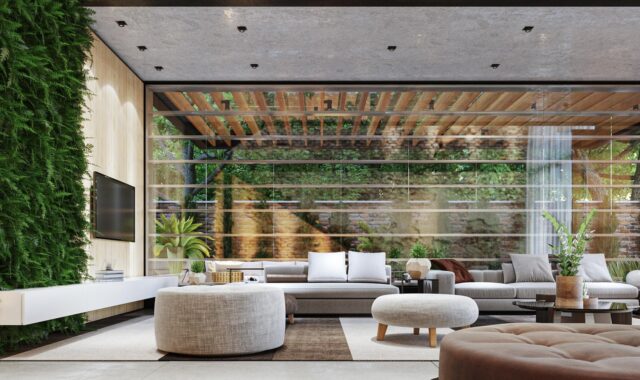
Wood furniture design ideas for durable and responsible interiors
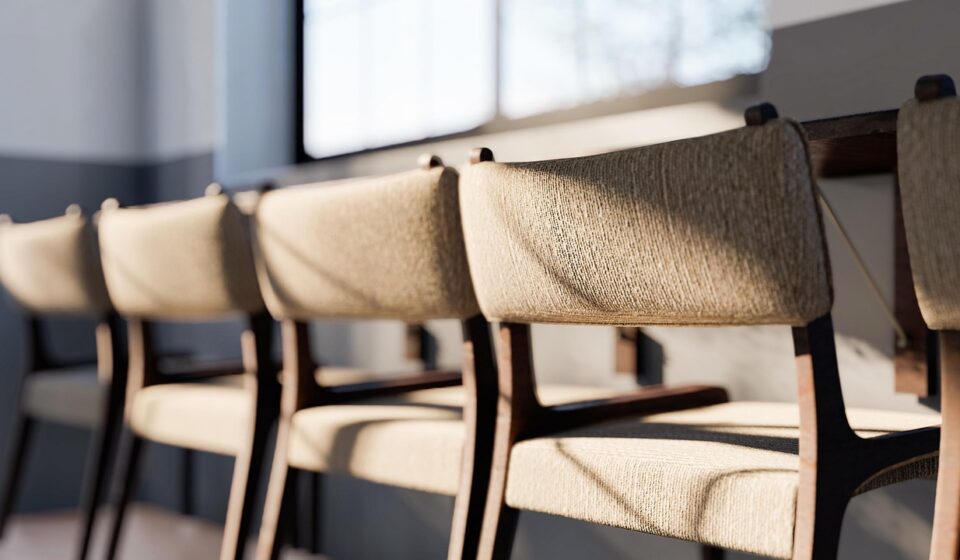
Why wood furniture design is changing
Wood furniture design is no longer just a choice between oak, walnut, ash or teak, followed by a finish that matches the room. A good piece now has to bring together warmth, proportion, grain, construction, indoor air considerations, sourcing and long-term repair. For homes, hospitality interiors and workplace settings, the strongest direction is practical: use wood where its touch, structure and natural variation add value, then design the piece so it can be maintained instead of replaced early. That means choosing the right wood construction, allowing for movement, specifying finishes for the actual use, and asking clear questions about certified sourcing and composite wood compliance.
The waste context matters. The U.S. Environmental Protection Agency’s durable goods data reported that furniture and furnishings generated 12.1 million tons of municipal solid waste in 2018, with most of that sector landfilled. The figure is historical rather than a current-year total, but it still shows why durability, repairability and reuse belong in the design brief, not only in sustainability messaging.
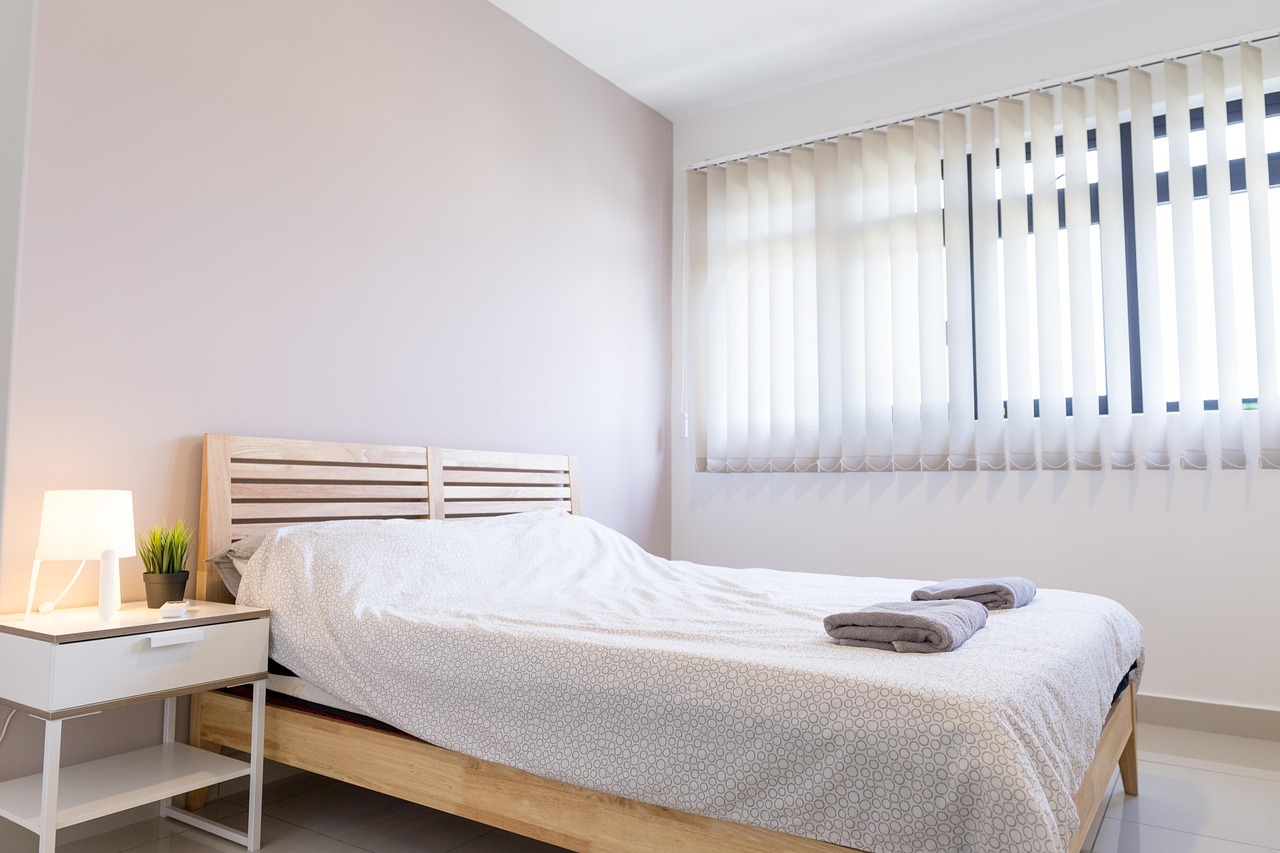
For more material and layout perspectives, browse the furniture design archive.
Start with use before selecting a wood species
A common mistake in wood furniture design is starting with a species name instead of the use case. Oak, maple, walnut, beech, ash, birch, rubberwood, acacia and teak all carry different visual, performance and price signals. The right choice depends on where the piece will be used, how often it will be touched or moved, and how it will be cleaned.
A dining table needs resistance to abrasion, moisture rings and repeated wiping. A bedside table can accept a softer surface if the finish is easy to renew. A hotel lobby bench needs stronger joinery, serviceable parts and a finish that can tolerate commercial cleaning routines. A home office desk needs cable planning and surface stability as much as attractive grain. In each case, daily stress should be defined before the material is selected.
Scale is just as important. Dark walnut can make a large cabinet feel architectural and calm, but the same tone may overpower a small apartment if the form is heavy. Pale oak or ash can lighten a compact room, especially with slim legs, open shelving or recessed handles. Highly figured grain works best when the surface is allowed to be the feature. On a complex piece with many rails, pulls and panels, quieter grain often looks more refined.
Choose construction that matches the design intent
Good wood furniture is not defined by solid wood alone. It is defined by whether the construction supports the intended appearance, use and service life. Solid boards, veneers, plywood, medium-density fiberboard and particleboard each have valid roles when they are specified honestly and used in the right place.
Solid wood is expressive but it moves
Solid wood gives furniture depth at the edges, tactile end grain, carved details and the option of refinishing over many years. It is well suited to table legs, chair frames, rails, stools, turned components, exposed edges and pieces where touch is central to the experience.
However, dried wood still responds to moisture. Oregon State University Extension guidance on wood and moisture explains that wood can shrink and swell as it gains or loses moisture. For designers, this means wide tabletops, cabinet doors and frame-and-panel elements need construction that allows seasonal movement. Breadboard ends, floating panels, elongated screw holes, balanced finishing and properly oriented grain are not old-fashioned details. They are functional design tools.
Veneer and engineered panels can be precise
Veneer over a stable substrate can be the better choice for large flat surfaces, book-matched cabinet fronts and minimalist panels where warping would compromise the design. It also helps designers use valuable hardwood faces more efficiently. A well-made veneered cabinet is not automatically inferior to a solid-wood cabinet. The key questions are whether the veneer thickness, substrate quality, edge detailing and finish are appropriate for the expected wear.
Composite wood products also carry compliance responsibilities. In the United States, the EPA’s TSCA Title VI formaldehyde emission standards apply to regulated composite wood products and finished goods containing them. For furniture buyers and specifiers, the practical step is to request compliance documentation for plywood, MDF or particleboard components rather than relying on broad marketing descriptions such as “eco” or “green.”
Joinery should support both strength and service
Joinery is where appearance and longevity meet. Mortise-and-tenon, dowel, finger joint, dovetail, loose tenon, metal bracket and knock-down fittings can all be appropriate. The design question is not which method sounds most traditional, but whether the joint suits the load, production method, repair plan and visual language.
Exposed wedged tenons, for example, can give a chair a crafted identity. Hidden connectors may be better for a modular shelving system that has to move between apartments. Drawer boxes need mechanical strength and easy adjustment. Table bases need resistance to racking. Shelving needs support against sagging. A strong silhouette cannot make up for a joint that is too weak for the span or too difficult to repair.
Make natural wood feel current
Contemporary wood furniture design is less about heavy matching suites and more about selective, well-proportioned wood moments. The aim is to let grain and tactility soften interiors without making every element look rustic.
- Use quiet profiles. Slim legs, recessed plinths, shadow gaps and reduced hardware make wood feel lighter and more architectural.
- Round the touch points. Softened edges on desks, dining tables, arms and drawer pulls improve comfort and catch light in a subtle way.
- Control grain direction. Continuous vertical grain can make cabinet fronts feel taller, while horizontal grain can calm a long sideboard.
- Mix materials with restraint. Stone tops, woven panels, glass, steel, leather alternatives or fabric can contrast with wood, but one or two supporting materials are usually enough.
- Use visible structure when it adds clarity. A trestle base, pegged joint or framed panel should explain how the piece works, not add decoration for its own sake.
- Prefer finishes that suit the room. Matte and low-sheen finishes often look more natural. Higher-sheen finishes may suit formal pieces, but they tend to show scratches more clearly.
Color direction is also moving toward warmth without excessive redness. Natural oak, smoked oak, medium walnut, pale ash, ebonized details and warm brown stains can all work if they relate to flooring, doors and built-ins. When a room already has strong wood flooring, furniture can either match the undertone closely or create a deliberate contrast. What usually looks accidental is mixing several unrelated orange, gray and red undertones in one small space.
Build responsible sourcing and compliance into the specification
Responsible wood furniture design starts before the object is built. It begins with where the wood comes from, how much material the design wastes, what adhesives and finishes are used, and whether the piece can be repaired or disassembled later. See also: BUILDING MATERIALS.
Certification is one tool, not the whole answer. Forest Stewardship Council and PEFC systems are commonly used to communicate responsible forest sourcing through chain-of-custody documentation. They do not remove the need to evaluate construction quality, finish chemistry, shipping distance or durability, but they give specifiers a clearer way to ask whether forest-based materials are traceable.
Commercial furniture has additional frameworks. BIFMA describes the ANSI/BIFMA e3 Furniture Sustainability Standard as an assessment standard covering environmental, health and wellness, and social impacts related to furniture products; its sixth edition is e3-2024. For offices, education, healthcare and hospitality projects, this type of framework can help move decisions beyond surface appearance and into documented performance.
Regulation is also becoming more important for international supply chains. At the time of writing in September 2026, European Commission implementation information stated that the EU Deforestation Regulation applies to relevant products including wood and certain derived products from December 30, 2026 for large and medium-sized operators, with later dates for some micro and small operators. For furniture brands and importers selling into or exporting from the EU, traceability is becoming a design and procurement issue, not only a legal department issue.
| Design issue | Question to ask | Practical evidence to request |
|---|---|---|
| Wood sourcing | Can the timber source be traced? | FSC, PEFC or equivalent chain-of-custody documentation where relevant |
| Composite panels | Do panels meet applicable emission rules? | EPA TSCA Title VI compliance information for U.S. regulated composite wood products |
| Durability | Can the piece handle its expected use? | Load, abrasion, finish and hardware information appropriate to the product type |
| Repair | Can damaged parts be replaced? | Replaceable glides, pulls, hinges, drawer runners, panels or cushions |
| Circularity | Can materials be separated later? | Mechanical fasteners, clear material labeling and disassembly guidance where possible |
Use circular design to extend the life of the piece
Circular design is often discussed as a broad economic concept, but in wood furniture it becomes very practical. The Ellen MacArthur Foundation summarizes circular economy principles as eliminating waste and pollution, circulating products and materials, and regenerating nature. Applied to furniture, that means designing pieces to stay useful for longer, move between owners, accept repair and avoid unnecessary material mixing that prevents recovery.
Simple decisions can make a meaningful difference. A table with a replaceable top can stay in service after surface damage. A shelving system with repeatable modules can expand instead of being discarded during a move. A chair with replaceable glides and a repairable seat frame has a longer service path. A cabinet that uses screws instead of permanent adhesive in non-structural locations can be easier to service.
Circular thinking does not mean every wood piece must look modular or utilitarian. It means the designer plans for realistic future events: scratches, loose hardware, changing room sizes, replacement parts, refinishing, resale and eventual separation of materials. The more expensive or material-intensive the piece, the more important this planning becomes.
A practical framework for better wood furniture design
Whether you are designing a custom piece, specifying for a project or evaluating a ready-made item, use the following framework before focusing on style alone.
- Define the role. Is the piece structural, decorative, storage-focused, mobile, child-friendly, contract-grade or display-oriented?
- Match construction to scale. Use solid wood where edge detail, carving, legs or refinishing matter; use stable panels where large flat planes matter.
- Respect movement. Wide solid panels need room to expand and contract, especially in variable humidity.
- Design the touch points. Edges, pulls, arms, seats and table surfaces should feel comfortable before they look photogenic.
- Limit visual noise. Let either grain, form, hardware or contrast lead the design. If all four compete, the piece can age quickly.
- Specify finish by use. A display shelf and a family dining table should not carry the same performance expectations.
- Ask for evidence. Sourcing claims, emission compliance and sustainability standards should be supported by documentation.
- Plan repair early. Parts that wear first should be reachable, replaceable or refinishable.
The most successful wood furniture often looks simple because the difficult decisions have already been resolved. Proportion, grain, hardware, construction and finish work together, so the object feels calm rather than overdesigned.
Frequently asked questions
What wood works well for modern furniture design?
Oak, ash, walnut, maple and beech are common choices for modern interiors because they can support clean lines and durable construction. The right choice depends on color, grain, hardness, budget and whether the design needs solid components, veneer faces or both.
Is solid wood always better than veneer?
No. Solid wood is excellent for edges, legs, frames and pieces that may be refinished over time, but veneer over a stable substrate can be better for large flat cabinet fronts, book-matched surfaces and minimalist panels. Quality depends on the full construction, not only the label.
How can wood furniture look sustainable without looking rustic?
Use clean proportions, restrained grain, matte finishes, repairable hardware and documented sourcing. Sustainability does not require rough surfaces or farmhouse styling; it can be expressed through long life, material efficiency and quiet detailing.
What should buyers check before ordering wood furniture?
Check the construction type, finish suitability, joinery, warranty or care guidance, replacement part availability, sourcing documentation and any composite wood compliance information that applies in your market. For high-use pieces, ask how the surface can be repaired.
How does wood movement affect furniture design?
Wood can expand and contract with moisture changes, especially across the grain. Good design allows for that movement through appropriate joinery, panel construction, fastener slots and balanced finishing, reducing the risk of cracks, gaps or warping.