Interior concrete wall finishes for modern residential and commercial spaces
Why interior concrete wall finishes deserve early decisions
Interior concrete wall finishes are more than a final style decision. They affect how a wall reflects light, feels to the touch, accepts cleaning, manages moisture and supports indoor air quality goals. Before selecting a sealer, stain or coating, the project team needs to settle three practical questions: will the wall expose the original concrete, receive a cementitious overlay or be covered with a coating; what surface profile does the finish manufacturer require; and how will moisture dry through the wall assembly?
Smooth cast concrete, board-formed surfaces, microcement, honed panels, stains and mineral coatings can all work indoors, but they do not perform the same way. Designers should specify the finish, mockup standard, repairs, sealers and cleaning limits together rather than leaving concrete as an undefined surface at the end of construction.
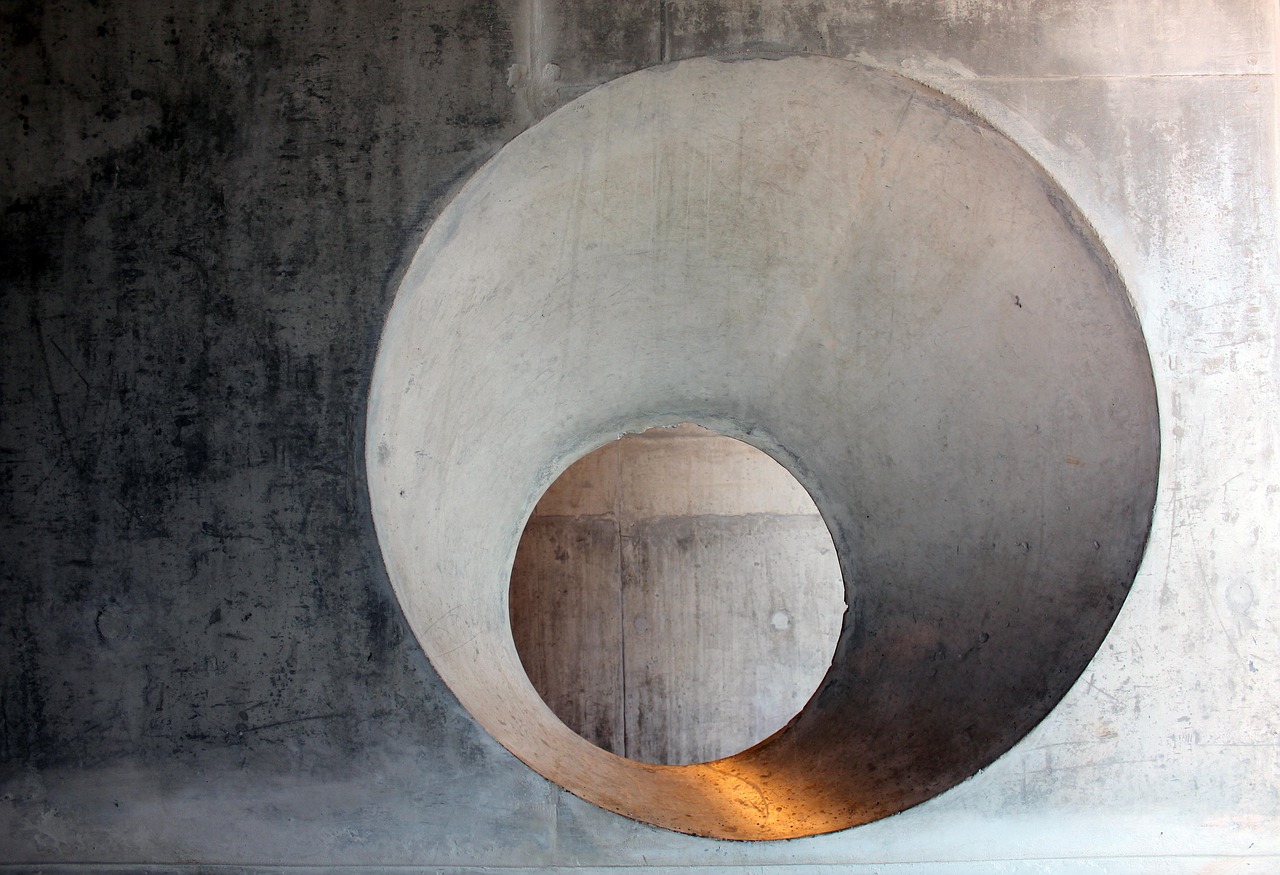
A finish plan belongs early in the project because concrete records the process used to make it. Formwork joints, tie holes, bug holes, aggregate variation, patching and curing conditions can remain visible. That character may be exactly right for a loft, gallery, restaurant or minimalist home, but only when expectations are controlled. For more materials coverage in this category, see the interior finishes section.
Main finish families and where they fit
Exposed cast concrete
Exposed cast concrete leaves the structural or architectural wall visible. The surface may be smooth, board-formed, plywood-formed, rubbed, patch-repaired or lightly sealed. ACI formwork guidance emphasizes that the form-facing material and workmanship are central to formed surface quality, which is why exposed concrete should be designed before placement rather than discovered after stripping the forms.
This finish suits feature walls, stair cores, lobbies and spaces where mass and texture are part of the design language. Its main limitation is predictability. Even carefully placed concrete can show color variation, small voids and form marks. If the brief calls for a perfectly uniform wall, an applied finish may be safer than trying to make real cast concrete look like painted drywall.
Board-formed and formliner textures
Board-formed concrete uses timber boards to imprint grain and joint lines. Reusable formliners can create ribbed, fluted, geometric or stone-like textures. These finishes add depth and shadow without relying on paint color. They work especially well under grazing light, but that same light will also reveal misalignment, repairs and inconsistent casting. Strong specifications define board size, orientation, tie-hole rhythm, corner treatment and sample approval.
Honed, ground and polished concrete surfaces
Grinding and honing expose a controlled amount of sand or aggregate and can give concrete a denser, more refined appearance. On walls, this approach is more common with precast panels or factory-finished elements than with large vertical in-place walls, because vertical grinding is labor-intensive and dust control is critical. OSHA identifies cutting, grinding, drilling and similar work on concrete as activities that can generate respirable crystalline silica dust, so professional dust controls and worker protection should be planned as part of the work.
Microcement and cementitious skim coats
Microcement, microtopping and cementitious skim coats create a thin mineral surface over concrete, masonry, tile or prepared board substrates. They are useful when the designer wants a continuous concrete look but the existing wall is not suitable for exposure. These systems can be matte, polished, troweled or subtly clouded. Their performance depends heavily on substrate stability, primer compatibility, reinforcement at movement-prone areas and the correct protective sealer.
Microcement is not the same as a structural concrete wall. It is a finish layer, and it can telegraph movement, cracks or poor preparation beneath it. In wet zones, use only a system rated by the manufacturer for that location, and do not treat the decorative coat as a substitute for waterproofing where waterproofing is required.
Stains, mineral washes and breathable coatings
Stains and mineral coatings can adjust color while keeping the wall visually mineral. Translucent stains preserve variation; opaque mineral paints create a calmer surface while still feeling less plastic than many conventional coatings. Limewash and silicate-type finishes can work well in interiors where a matte, softly varied appearance is desired, but compatibility with concrete alkalinity, previous sealers and moisture movement must be checked.
Painted and sealed concrete
Paint is often the simplest visual reset, especially for service areas, basements and renovated commercial interiors. Sealers can reduce dusting and improve cleanability while retaining the concrete appearance. The trade-off is that paints and film-forming sealers may change vapor movement and indoor emissions. EPA indoor air guidance identifies paints, lacquers, building materials, glues and adhesives among sources that can release volatile organic compounds, so low-emitting products and ventilation during curing remain important.
How to match a finish to the room
| Space or use | Suitable finish directions | Key watch points |
|---|---|---|
| Living rooms and feature walls | Smooth cast concrete, board-formed concrete, mineral wash, microcement | Check lighting, patch visibility and touch comfort before approving the finish. |
| Retail, hospitality and lobbies | Textured formliners, honed precast, sealed exposed concrete, durable microcement | Prioritize abrasion resistance, cleanability and repair strategy in high-contact zones. |
| Kitchens and splash-prone areas | Sealed microcement, sealed smooth concrete, washable mineral coatings | Use stain-resistant systems and confirm resistance to oils, food acids and cleaners. |
| Bathrooms and wet rooms | Manufacturer-rated microcement systems, sealed concrete outside direct wet zones | Separate decorative finish from waterproofing requirements; protect corners and penetrations. |
| Basements and below-grade walls | Breathable mineral coatings, carefully selected sealers, repaired exposed concrete | Investigate moisture sources before coating; avoid trapping water behind impermeable films. |
| Corridors and public interiors | Textured concrete, sealed cementitious coatings, panels with replaceable zones | Balance texture with dust collection, impact repair and accessibility of cleaning. |
The table is a starting point, not a substitute for project-specific testing. A restaurant wall touched daily by chairs and hands has different needs from a private bedroom feature wall. A basement wall with seasonal moisture is a different problem from a dry interior partition faced with concrete panels.
Surface preparation is the real specification
Most failures in interior concrete finishes begin before the finish is applied. The wall must be sound, clean and compatible with the selected system. That means removing laitance, weak repairs, curing compounds, oils, incompatible sealers and dust. Cracks should be evaluated, not simply skimmed over. Active structural movement, water entry or continuing shrinkage will usually reappear through thin decorative systems.
The International Concrete Repair Institute uses concrete surface profile, commonly called CSP, to describe the roughness of prepared concrete from very smooth to very rough. The principle is straightforward: a thin sealer may need a much smoother profile than a high-build coating or overlay. More profile is not automatically better indoors, because excessive roughness can telegraph through thin decorative finishes and collect dust. The finish manufacturer’s required profile should be written into the specification and verified before installation.
Curing and drying also matter. NRMCA technical guidance explains that proper curing improves concrete surface hardness and durability, while drying is affected by mix water, concrete type, thickness, curing method and ambient temperature and humidity. Fresh concrete should not be assumed ready for an impermeable wall coating simply because it looks dry. Where the finish depends on bond or vapor tolerance, follow the coating or overlay manufacturer’s moisture testing requirements.
Mockups are the most practical way to reduce disagreement. A useful mockup should include the actual substrate or panel type, repair method, coating or sealer, corner detail, control joint treatment and final lighting. Approving a small hand sample under showroom lighting is risky because concrete finishes change with scale, viewing angle and illumination. See also: BUILDING MATERIALS.
Moisture, VOCs and indoor environmental quality
Concrete is a mineral material, but an interior concrete wall assembly is rarely just concrete. Primers, patching compounds, stains, sealers, adhesives and paints may all affect indoor air quality. USGBC low-emitting materials guidance generally treats bare mineral materials such as concrete as inherently nonemitting when they do not include organic coatings or sealants; once a wet-applied coating is added, that coating should be evaluated on its own documentation.
For occupied interiors, source control is usually better than relying only on ventilation after installation. Choose products intended for interior use, review VOC and emissions documentation, ventilate during application and curing, and avoid storing open coating containers in occupied areas. These steps are especially important in schools, healthcare spaces, multifamily corridors and small rooms where odors can concentrate.
Moisture deserves the same level of attention. Efflorescence, peeling paint, dark damp patches and recurring mineral deposits are not simply cosmetic issues. They often indicate moisture movement through or behind the wall. Applying a glossy, low-permeance coating over a damp below-grade wall may create a short-term visual improvement and a longer-term maintenance problem. In questionable conditions, investigate drainage, exterior waterproofing, cracks, penetrations, vapor drive and interior humidity before selecting the final finish.
Durability, appearance and maintenance trade-offs
No concrete wall finish is maintenance-free. Smooth sealed concrete is easy to wipe but can show scratches, roller marks, repairs and fingerprints under raking light. Heavy texture hides variation and impact marks but can hold dust. Dark stains may emphasize efflorescence or mineral deposits. High-gloss sealers can deepen color but may create glare and make surface defects more visible. Matte finishes are usually more forgiving visually, although they may need more careful product selection for stain resistance.
Repairability is often more important than initial perfection. Exposed cast concrete can be difficult to patch invisibly because color and aggregate are integral to the original pour. Microcement can be repaired, but localized patches may read as a new trowel mark unless the repair is blended across a larger area. Painted concrete is the easiest to refresh, provided moisture and alkalinity are controlled and the coating remains compatible with previous layers.
Maintenance instructions should be part of handover. Many mineral and sealed finishes work best with pH-neutral cleaners and soft tools. Harsh acids, abrasive pads and aggressive solvents can damage sealers or alter color. In commercial interiors, the cleaning team should know whether the surface is bare concrete, penetrating sealer, acrylic, polyurethane, epoxy, mineral paint or microcement, because the wrong cleaner can shorten the life of the finish.
Specification checklist for better results
- Define whether the finish is exposed original concrete, cast architectural concrete, an overlay, a coating or a panelized system.
- Set visual expectations for color variation, bug holes, tie holes, form joints, patching and acceptable surface defects.
- Require a project mockup reviewed under final or similar lighting conditions.
- Confirm surface profile, cleanliness, moisture condition and alkalinity requirements with the finish manufacturer.
- Coordinate cracks, control joints, corners, penetrations and transitions before finish work begins.
- Select sealers and coatings based on room use, cleanability, vapor behavior and low-emitting documentation.
- Plan dust control and worker safety for grinding, sanding or abrasive preparation.
- Include maintenance guidance, cleaning limits and resealing expectations in closeout documents.
The strongest interior concrete wall finishes come from coordination, not from a single product choice. A modest matte sealer on well-cast concrete can outperform an expensive coating over a damp, dusty or unstable wall. Conversely, an applied microcement or mineral coating can improve an unattractive substrate when preparation and moisture conditions are right. The design decision should begin with the wall’s condition and the room’s use, then move toward appearance.
Frequently asked questions
Can existing concrete walls be finished without covering them?
Yes, if the concrete is sound, reasonably dry and visually acceptable after cleaning and repair. Existing walls may need patching, rubbing, light grinding, stain removal or sealing. If the wall has severe honeycombing, active cracks, moisture entry or incompatible coatings, an overlay or cladding system may be more realistic than full exposure.
Is microcement the same as concrete?
No. Microcement is a thin decorative cementitious finish, usually installed in layers with primers and sealers. It can create a concrete-like surface, but it does not have the mass or structural role of concrete. Its success depends on substrate preparation, system compatibility and the correct protective topcoat.
Do interior concrete walls always need a sealer?
Not always. A low-touch decorative wall may be left unsealed if dusting, staining and cleaning are not concerns. High-touch areas, kitchens, bathrooms, corridors and commercial spaces usually benefit from a suitable sealer or coating. The choice should consider appearance, vapor movement, stain resistance and indoor emissions.
Which concrete wall finish is easiest to maintain?
For many interiors, a smooth matte coating or sealed smooth concrete is easier to clean than heavy texture. However, the easiest finish depends on use. A textured wall may hide scuffs better in a lobby, while a washable coating may be more practical in a corridor or service area.
Can a concrete wall finish be changed later?
Usually, but the effort varies. Paint can often be recoated after proper preparation. Sealers may need abrasion or removal before a new system bonds. Deep stains, polished aggregate exposure and board-formed texture are harder to reverse because they are tied to the surface itself. Plan future flexibility before choosing a highly distinctive finish.