New interior finishes shaping homes in 2026
What is changing in new interior finishes
The clearest direction for new interior finishes in 2026 is not one color, tile size, or countertop material. The broader shift is toward surfaces that feel warmer, perform more reliably, and are supported by stronger claims around health, durability, and maintenance. Current industry sources point to textured wall treatments, warmer wood tones, large-format tile and slab surfaces, low-emission paints and adhesives, satin or brushed metals, and natural-looking materials that gain character with use.
For homeowners, designers, and specifiers, the practical rule is to choose by use case first and style second. A surface may look strong in photography, but it is not future-ready if it fails under moisture, heavy traffic, poor ventilation, or daily cleaning.
For more material updates and finish ideas, visit our interior finishes section.
Why 2026 finish trends are more practical than decorative
Interior finish trends often begin as visual preferences, but the 2026 shift is more performance-led. The American Society of Interior Designers released its 2026 Trends Outlook on January 27, 2026. The report described a design market shaped by wellness, adaptive living, sustainability, technology, supply-chain pressure, and economic constraint. That context matters because finishes are no longer selected only to complete a room. They affect comfort, cleaning, acoustics, indoor air quality, resale confidence, and long-term maintenance.
Builder Magazine’s February 10, 2026 summary of the ASID outlook made a similar point for residential interiors: homes are being asked to support health, mood, flexibility, family change, and everyday livability. This does not mean every project needs premium materials. It means finish decisions should be more deliberate. A washable mineral-effect paint in a hallway, a low-emission coating in a bedroom, a durable large-format bathroom floor, or a satin metal faucet that hides fingerprints can all serve the same practical goal.
The finish shifts to watch in 2026
Textured walls, limewash effects, and mineral depth
Flat painted walls are not going away, but more projects are introducing subtle texture. Limewash-style interior paint, clay-like plaster effects, Roman clay, microcement looks, and mineral matte coatings are being used to soften interiors that previously relied on plain white or gray paint. Houzz’s 2026 U.S. Emerging Summer Trends Report, based on January to March 2026 U.S. search activity compared with the same period in 2025, reported rising interest in limewash interior paint. The appeal is straightforward: these finishes add movement and depth without the visual weight of wallpaper or heavy paneling.
The limitation is that textured finishes do not all perform the same way. Real limewash, plaster, and cementitious coatings may require specific substrates, primers, sealers, and trained installers. In splash zones, children’s rooms, rentals, or commercial corridors, a washable paint that imitates mineral depth may be more practical than a delicate specialty finish. Strong use cases include dining rooms, bedrooms, powder rooms, feature walls, and lower-abuse living areas where touch and light variation are part of the design value.
Warmer wood and visible grain
Wood finishes continue to move away from cold gray stains and toward warmer, more natural tones. In kitchens and baths, wood-faced vanities, warm cabinet finishes, and visible grain help balance stone, tile, glass, and metal. The NKBA | KBIS 2026 Bath Trends Report, released November 11, 2025, reported that wood-faced vanities were ahead of painted vanities among surveyed professionals. Houzz also identified natural wood, textured stone, and handcrafted surfaces as part of a broader preference for materials that feel less polished and more personal.
This is not a return to dark, heavy wood in every room. The strongest applications are controlled and balanced: white oak cabinets with a matte finish, walnut accents in a modern bath, wood-look porcelain where water resistance matters, or slatted wall panels used for warmth and acoustic softness. In wet rooms, the finish system is as important as the species. Sealers, edge protection, ventilation, and cleaning habits determine whether wood remains attractive or becomes a maintenance issue.
Large-format tile, porcelain panels, and slab backsplashes
Large-format flooring and slab-style surfaces remain important because they reduce grout lines and create visual continuity. NKBA’s 2026 bath research found strong professional agreement that durability and practicality are top flooring considerations, and it also pointed to large-format flooring as a popular direction over the next three years. In kitchens, NKBA’s 2026 Kitchen Trends Report press materials highlighted slab or solid-surface backsplashes as gaining popularity.
The design advantage is clear: fewer joints, calmer walls, and a more architectural look. Large porcelain panels can imitate marble, limestone, concrete, or metal while offering a controlled pattern and often easier maintenance than porous natural stone. The caution is installation. Oversized tile and panels require flat substrates, proper movement joints, experienced handling, and realistic labor budgets. A large-format finish can look refined, but poor installation makes lippage, cracking, or awkward cuts more visible.
Matte, brushed, satin, and patina-ready metals
Metal finishes are becoming quieter. Polished chrome still works in many settings, but satin, brushed, matte, unlacquered, and warm metallic finishes align better with the 2026 preference for softer light and more natural texture. NKBA’s 2026 bath release reported that matte, brushed, and satin faucet finishes were each more popular among respondents than polished finishes.
These finishes are not interchangeable. Brushed stainless steel can suit high-use kitchens, satin nickel may work in transitional baths, oil-rubbed or aged bronze can support traditional schemes, and unlacquered brass is best for clients who understand that patina is part of the look. For builders and remodelers, consistency matters. Door hardware, lighting, faucets, cabinet pulls, shower trim, and exposed hinges do not need to match exactly, but they should look intentionally related.
Patterned and tactile tile
Tile is becoming more expressive in bathrooms, laundry rooms, mudrooms, fireplaces, and kitchen backsplashes. Patterned tile, scalloped edges, wave tile, handmade-look surfaces, zellige-inspired irregularity, checkerboards, and fluted textures all reflect the move away from perfectly flat, anonymous surfaces. Houzz reported rising search interest for scalloped and wave tile in its 2026 summer trend data, while NKBA’s bath report noted that patterned and textured tiles are gaining prominence.
The practical question is where to place visual energy. A textured shower wall can be beautiful but may require more cleaning. A patterned floor can help hide wear but may compete with cabinetry. A handmade-look backsplash can add character, but irregular edges may need careful layout. In most projects, the most durable trend application is one focal plane rather than every surface in the room.
Healthier finish specifications are becoming mainstream
Indoor air quality is now central to finish selection. The U.S. Environmental Protection Agency’s July 2024 Indoor AirPlus guide for compliant building materials specifically addresses interior paints and finishes, carpets and cushions, adhesives and sealants, hard surface flooring, gypsum board, and insulation for certified homes. The EPA guide also warns that vague claims such as “green,” “eco safe,” or “environmentally friendly” should be interpreted carefully unless they are supported by credible third-party testing.
For interior finishes, the important distinction is between content claims and emissions claims. A paint or adhesive can be marketed as low-VOC by one measure while still raising questions about what it emits indoors after application. EPA’s technical overview of volatile organic compounds notes that VOC terminology can be confusing because indoor air quality concerns and outdoor air regulation do not always use the term in the same way. The International WELL Building Institute also treats materials such as stone, ceramic, glass, concrete, clay brick, metal, and unfinished solid wood flooring as inherently non-emitting in certain contexts, while noting that applied finishes, sealants, and adhesives may still need testing.
The specification lesson is simple: do not stop at a green-sounding label. Review emission-based certifications, product data sheets, installation adhesives, sealers, maintenance chemicals, and curing or ventilation guidance. A healthy finish package is a system, not just the visible surface.
Source comparison for finish decisions
| Source or data point | What it indicates | Practical finish implication |
|---|---|---|
| ASID 2026 Trends Outlook | Design is responding to wellness, adaptive living, sustainability, technology, and economic pressure. | Prioritize finishes that support comfort, flexibility, and long-term use rather than short-lived novelty. |
| Houzz 2026 search trend data | Interest is rising in limewash paint, sculptural tile, natural materials, and character-rich surfaces. | Use texture strategically on walls, backsplashes, powder rooms, and feature areas. |
| NKBA | KBIS 2026 bath and kitchen reports | Durability, large-format flooring, slab backsplashes, wood vanities, and satin or brushed metals are gaining attention. | Specify surfaces by moisture exposure, cleaning needs, and installer capability. |
| EPA Indoor AirPlus materials guidance | Low-emission paints, finishes, flooring, adhesives, and sealants are key indoor air quality considerations. | Verify emission-based testing and avoid relying on vague environmental claims. |
| NAR and NARI 2025 Remodeling Impact Report | Homeowners value both satisfaction and cost recovery, but the two do not always align. | Balance resale-neutral finishes with personal comfort, especially in kitchens, baths, and floors. |
How to evaluate new finishes before specifying them
A finish should pass four tests before it enters a project budget.
- Use test: Match the finish to traffic, moisture, heat, sunlight, cleaning frequency, pets, and children. A powder room wall can handle more experimentation than a main shower floor.
- Health test: Review emissions, adhesives, sealers, and curing requirements. Low-emission paint is less meaningful if it is paired with a high-odor adhesive or incompatible sealer.
- Maintenance test: Ask how the surface is cleaned, repaired, refinished, or replaced. Matte stone, unlacquered brass, limewash, and textured tile all require clear owner expectations.
- Installation test: Confirm substrate tolerances, lead times, installer experience, and waste factors. Large-format tile, specialty plaster, and slab backsplashes are especially dependent on skilled installation.
Budget is also part of performance. ASID’s 2026 release noted pricing volatility tied to tariffs, materials, and labor, with many firms raising prices to offset costs. That makes alternate specifications useful. A strong finish schedule may include a preferred product, an approved substitute, and a value-engineered option that preserves the design intent without compromising safety or suitability.
Where the new finishes work best
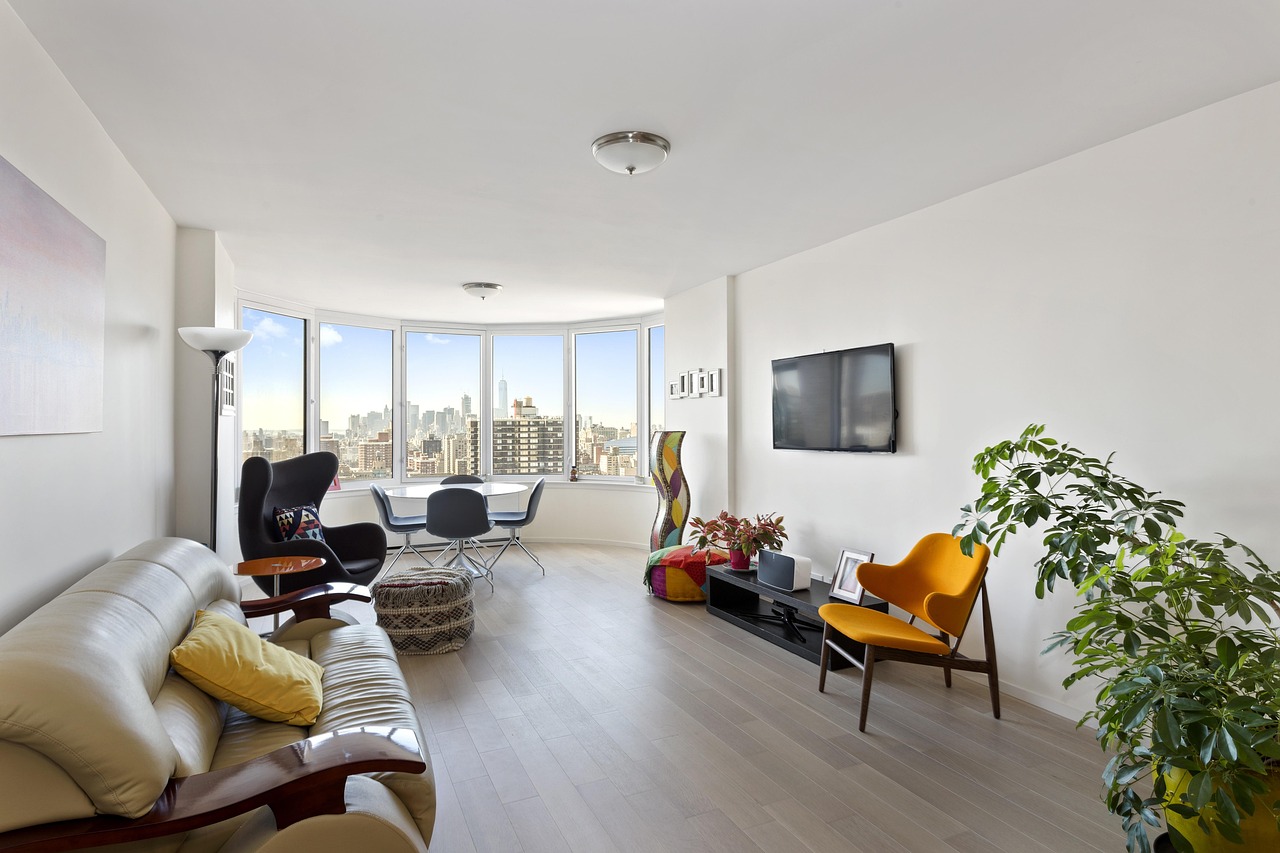
In living rooms and bedrooms, textured paint, mineral finishes, warm wood, acoustic panels, and soft matte colors can add depth without making the space feel busy. These rooms benefit from finishes that respond well to natural light and touch.
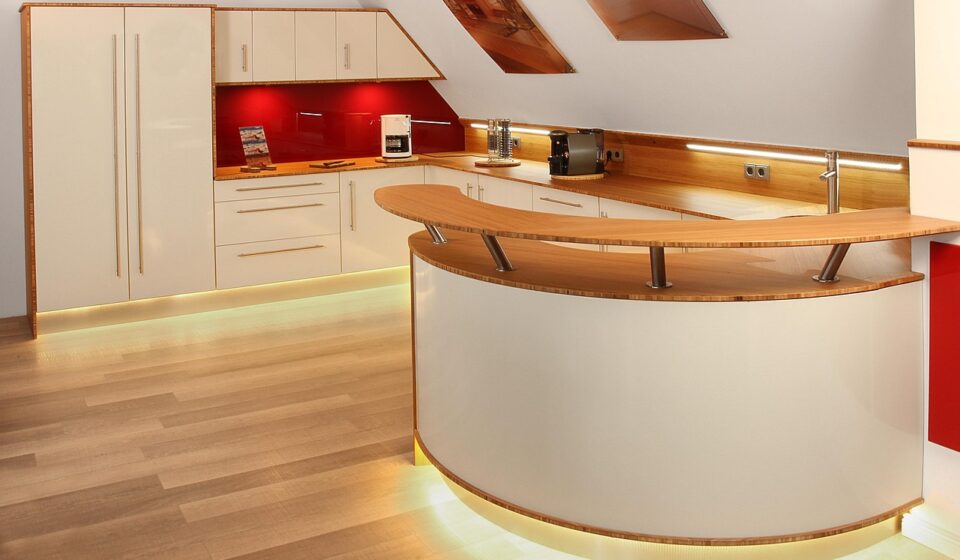
In kitchens, the most relevant new interior finishes are slab backsplashes, warmer cabinet stains, satin hardware, durable countertop surfaces, and washable wall coatings. Avoid selecting a dramatic backsplash before confirming cleaning needs, outlet placement, slab seams, and cabinet lighting.
In bathrooms, large-format porcelain, textured accent tile, wood-look or well-sealed wood vanities, brushed fixtures, and low-emission coatings are strong candidates. Moisture management should lead the specification. The more spa-like the finish, the more important ventilation, waterproofing, and slip resistance become.
In entryways, mudrooms, rentals, and commercial-style spaces, durability should outweigh novelty. Porcelain tile, resilient flooring with verified emissions, washable wall finishes, impact-resistant trim, and darker grout may perform better than delicate natural surfaces. A finish is only sustainable if it remains useful long enough to avoid premature replacement.
Frequently asked questions
Are textured wall finishes practical for everyday homes?
Yes, if they are used in the right locations. Textured paint, limewash effects, and plaster-style finishes work well in bedrooms, dining rooms, living areas, and powder rooms. For kitchens, bathrooms, hallways, and children’s spaces, check washability, sealing, and repair instructions before specifying them.
Are large-format tiles better than smaller tiles?
They are not automatically better, but they can create a cleaner look with fewer grout lines. Their success depends on substrate flatness, installer skill, handling equipment, layout planning, and movement joints. Smaller tiles may still be better for curved areas, shower floors, historic looks, or tighter budgets.
What does low-VOC mean for interior finishes?
Low-VOC can refer to different measurement methods, so it should not be treated as a complete indoor air quality guarantee. For a stronger specification, look for emission-based testing, review the full finish system, and include adhesives, sealants, coatings, and maintenance products in the evaluation.
Which new finishes are safest for resale?
Warm wood, restrained natural stone looks, satin or brushed metals, high-quality paint, and durable tile are usually safer than very bold surfaces. The best resale-minded approach is to use expressive finishes in replaceable or limited areas, such as a backsplash, powder room wall, or hardware package.
What is the main takeaway for 2026?
The strongest new interior finishes combine texture, warmth, durability, and credible performance claims. Instead of chasing one trend, choose finishes that fit the room’s moisture, traffic, cleaning, health, and budget requirements while adding a clear design point of view.