Which Interior Finishes Make a Home Look Better and Last Longer?
What Are Interior Finishes and Why Do They Matter So Much?
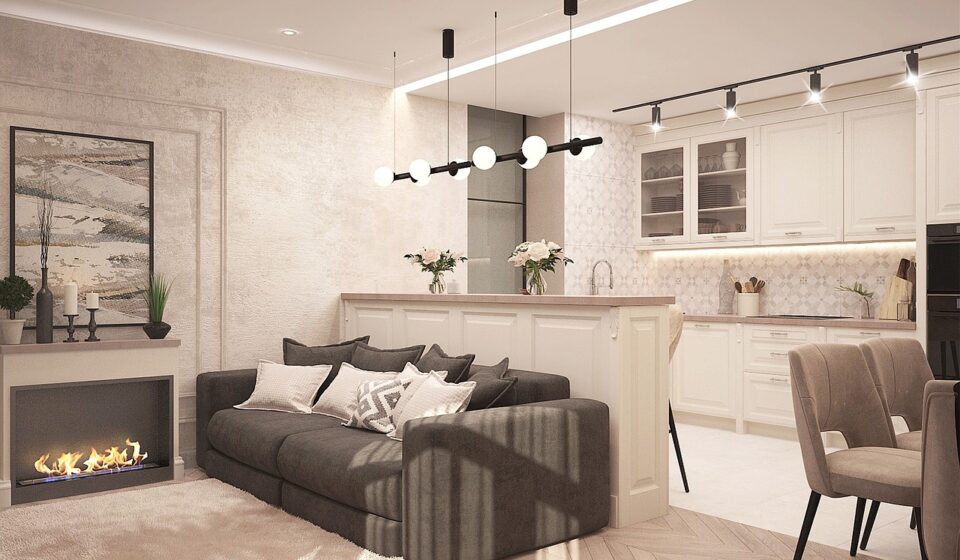
When you choose interior finishes, you are choosing the surfaces people use every day. They walk on them, clean them, touch them, and judge the room by them. Paint, flooring, wall panels, ceilings, trim, tile, countertops, and built-in decorative materials all belong to this part of the job. A well-matched finish package can make a small apartment feel more settled, make a family kitchen easier to clean, and make a rental unit less costly to keep in good condition.
Wall, Floor, and Ceiling Surfaces
The main three areas are walls, floors, and ceilings. They take up the most visible space, so poor choices show quickly. A glossy floor may look fine in a showroom, but it can feel unsafe at a wet entrance. A dark ceiling can add a strong look, yet it may make a low room feel closed in. Start with how the space will be used every day, then choose the finish that fits that use.
Fixed Details That Shape Daily Use
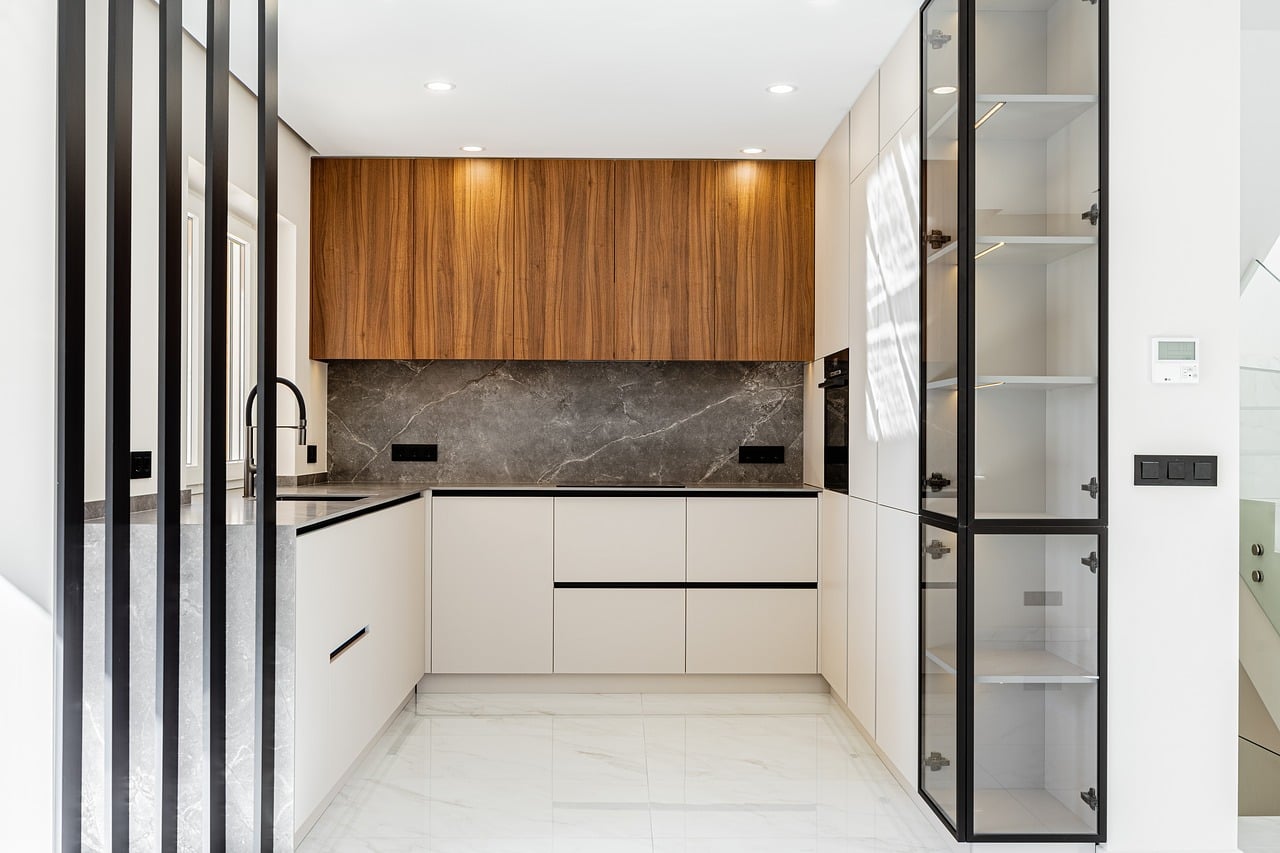
Interior finishes also include skirting, door casing, stair nosing, cabinet faces, backsplash tile, acoustic panels, and other fixed details that stay in place after installation. These items are sometimes left until late in the design discussion, but they affect the final result a lot. Clean edges, correct trim, and matched joints help a project look finished. If these details are ignored, even good main materials can look like they were fitted in a hurry.
The Link Between Finish and Long-Term Value
Finishes are where design, use, and cost meet. The U.S. EPA reported that construction and demolition debris in the United States reached about 600 million tons in 2018, more than twice municipal solid waste, so durable finishes are not only about appearance. They can reduce tear-out, replacement work, and landfill pressure over time. For owners and buyers, that usually means fewer repair calls and a better life cycle cost. (epa.gov)
Which Interior Finishes Work Best for Floors?
Flooring has to deal with furniture, shoes, pets, carts, water, and the odd dropped pan. The right choice is not always the highest-priced one. It is the material that matches the room, the subfloor, the cleaning method, and the service life expected from the space.
Porcelain Tile for Wet and Busy Areas
Porcelain tile works well in bathrooms, laundries, kitchens, and public corridors because it handles water and heavy foot traffic. Large-format tiles can make a space look cleaner and wider, but they need a flat substrate. In wet zones, ask for slip resistance data instead of relying on a nice finish name such as “silk” or “stone touch.” This small check can prevent problems after handover.
Engineered Wood for Warm Living Spaces
Engineered wood suits bedrooms, lounges, hotel rooms, and open living areas where a warmer surface is needed. Its layered structure makes it more stable than many solid boards. Even so, it still needs moisture control before and after installation. On many job sites, the issue is not the board itself, but flooring installed before the building has dried enough.
Luxury Vinyl for Rental and Light Commercial Projects
Luxury vinyl plank and tile can work well where budget, speed, and simple replacement matter. It is often used in rental housing, small offices, and retail back rooms. Check that the wear layer matches the traffic level, the locking edges fit tightly, and the surface texture does not hold dirt. Cheap glossy vinyl can age poorly, especially beside sunny windows.
How Should You Choose Wall and Ceiling Finishes?
Walls and ceilings set the tone of a room before furniture is moved in. They also cover services, protect corners, and affect indoor air. A white wall is not just white in real use. Its undertone may look blue, yellow, or gray when daylight and warm lamps hit it.
Paint Systems With Low Emissions
Paint is still the most flexible wall finish, but it should be selected as a system: primer, filler, topcoat, sheen, and curing time. The U.S. EPA notes that paints, adhesives, building materials, and furnishings can release volatile organic compounds, and it recommends ventilation during painting and source control during remodeling. In practice, the paint schedule should allow enough drying time before the next trade closes the room. This is a simple step, but it helps reduce odor and rework. (epa.gov)
Wall Panels With Clean Edges
Wood veneer panels, PVC panels, fabric-wrapped panels, and laminate boards can add texture without a long site process. The edge detail matters more than many buyers expect. Raw exposed edges, uneven shadow gaps, and badly aligned joints can make expensive panels look low grade. Before ordering, ask for corner trims, joint profiles, and repair methods.
Ceilings That Hide Services and Control Scale
Ceilings can cover ducts, sprinklers, lights, speakers, and access panels. Gypsum board gives a plain smooth finish, while mineral fiber or metal ceiling panels make later service access easier. In restaurants and offices, acoustic performance can be just as important as color. A hard ceiling may photograph well, but it can make a busy café uncomfortable after a short stay.
Which Finishes Are Smart for Kitchens and Bathrooms?
Kitchens and bathrooms are hard on weak materials. Heat, oil, steam, toothpaste, cleaners, and standing water all appear in these rooms. For that reason, finish choices here should be checked against stains, seams, cleaning work, and edge safety, not only color boards.
Countertops That Match Real Use
Quartz, porcelain slab, sintered stone, granite, solid surface, and compact laminate all have their own place. For a family kitchen, stain resistance and edge strength often matter more than a rare pattern. For a small rental unit, a surface that can be repaired may be a better choice than a high-priced slab with weak corners. The countertop should match how people cook, clean, and move things around the space.
Backsplashes That Protect More Wall Area
Backsplash coverage is no longer limited to the old narrow strip in many projects. The 2025 U.S. Houzz Kitchen Trends Study found that 67% of surveyed kitchen renovators chose backsplash coverage up to cabinets or the range hood, up 5 percentage points from the year before. The reason is clear on site: more protected wall area means less repainting around sinks and cooktops. It also gives cleaners a surface that can take regular wiping. (houzz.com)
Slip Resistance and Rounded Edges
Safety details do not have to make a room look clinical. In the 2024 U.S. Houzz Kitchen Trends Study, 37% of homeowners prioritizing safety features selected nonslip flooring, while 34% selected rounded countertops. That matches what many contractors see on site. Small choices in edges and surface grip can change how the room works for children, guests, and older users. (houzz.com)
How Do Safety and Sustainability Affect Your Finish Choices?
Good-looking finishes still need to pass the basic checks. Fire behavior, emissions, cleaning chemicals, waste, and product documents all matter. This is especially true for hotels, schools, offices, multifamily buildings, and export projects where inspectors or buyers may ask for paperwork before shipment.
Fire Ratings Before Decorative Looks
Interior wall and ceiling finishes often need flame spread and smoke-developed classification. The 2021 International Building Code, Chapter 8, references ASTM E84 or UL 723 testing for Class A, B, or C interior finish requirements. Always match the product test report to the exact material, thickness, backing, and installation method. A similar-looking product may not carry the same rating if the core, coating, or fixing method changes. (codes.iccsafe.org)
VOC Control Before Move-In
Low-odor does not always mean low-emission. The American Lung Association says new building materials, paint, and furnishings may give off formaldehyde and other VOCs, and it advises choosing low-emission products. A useful site rule is to finish painting and adhesive work early, ventilate well, and bring in soft furnishings later. This order is easy to manage and can help avoid complaints after move-in. (lung.org)
Waste Planning During Demolition
Before demolition starts, list what can be reused, recycled, or removed with less damage. Full-height panels, tile, stone tops, and doors often fail during removal because no one planned access. Standard sizes also help future repair work. A 600 mm module is easier to replace than a one-off panel cut quickly around a pipe.
How Can You Build a Finish Schedule That Contractors Follow?
A finish schedule turns design choices into site instructions. Without it, the painter asks one question, the tile setter asks another, and the supplier may send material that is only “almost the same.” A clear schedule saves time because it answers small questions before they become expensive changes.
Room-by-Room Finish Codes
Give every finish a code. For example, F-01 can be matte porcelain floor tile, W-02 can be washable acrylic paint, and C-01 can be moisture-resistant gypsum ceiling paint. Then list room names, brands or equal standards, dimensions, color references, sheen, and installation notes. This format helps contractors, suppliers, and owners talk about the same item without guessing.
Samples Under Real Lighting
Check samples in the actual room when the schedule allows it. Morning sun, warm LED strips, and cool office lighting can change the color more than expected. Put flooring, wall paint, cabinet fronts, and metal trims together on one board. If two whites do not sit well together, fix that before purchase orders are released.
Maintenance Notes for Owners and Buyers
Good interior finishes should be handed over with care notes. Tell the owner which cleaner to use, which pads to put under furniture, how to reseal stone, and which spare tiles or planks to keep. A short maintenance sheet often protects the finish package better than a long warranty that nobody reads. It also gives property managers clear instructions after the installer has left the site.
FAQ
Q1: What Are the Most Important Interior Finishes to Choose First? A: Start with flooring, wall paint, ceiling finish, kitchen counters, bathroom tile, and key trim. These surfaces cover the most area and affect later choices such as furniture, lighting, and hardware.
Q2: Are Expensive Interior Finishes Always Better? A: No. A costly material can still fail if it is used in the wrong room or installed on a poor substrate. Fit, maintenance, and product data matter as much as price.
Q3: Which Interior Finishes Are Best for Small Homes? A: Light wall colors, continuous flooring, slim trim, simple ceiling lines, and reflective backsplashes usually work well. Keep contrast under control so the rooms feel connected, not cut into separate pieces.
Q4: How Can You Make Interior Finishes Easier to Maintain? A: Choose washable paint, stain-resistant counters, sealed grout, durable flooring, and replaceable panels. Also keep spare materials from the same batch for later repair work.
Q5: What Documents Should You Ask From a Finish Supplier? A: Ask for technical data sheets, installation guides, cleaning instructions, warranty terms, emission certificates when relevant, and fire test reports for regulated wall or ceiling finishes.