Interior Venetian plaster for walls and ceilings, explained
What interior Venetian plaster is
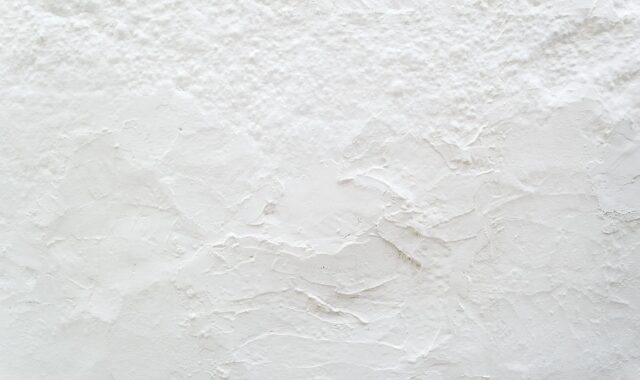
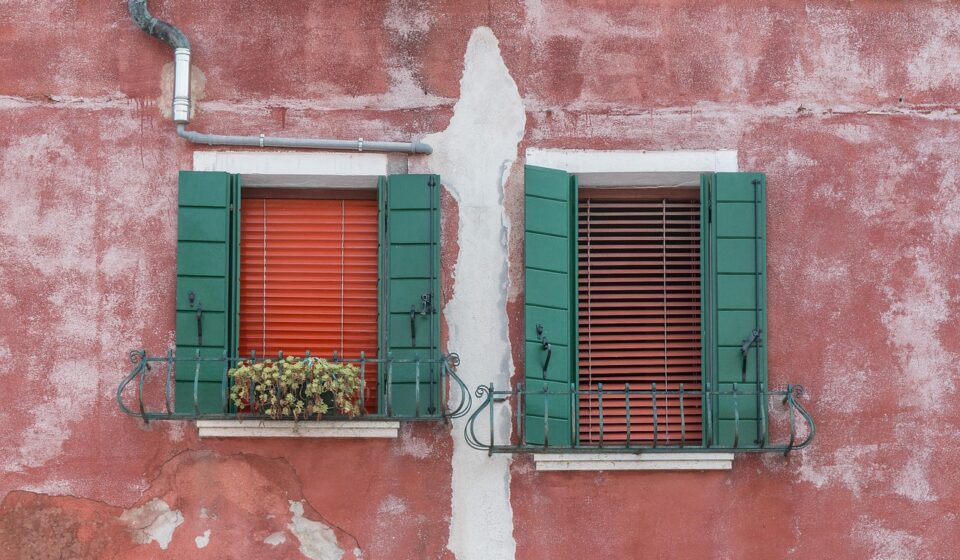
Interior Venetian plaster is a decorative finish for walls and ceilings, specified when a smooth surface needs the depth and movement of polished stone rather than a flat coat of paint. Traditional versions are usually lime-based and may include fine marble dust, mineral pigments and water. The material is applied in thin troweled coats, then compressed or burnished to create effects ranging from soft matte movement to a reflective, marble-like sheen.
The term is used broadly in the market. Some products sold as Venetian plaster are true lime plasters; others are acrylic or hybrid decorative coatings designed to imitate the look. That distinction affects specification. Lime plaster hardens through carbonation, remains relatively vapor permeable when unsealed, and behaves differently from a resin-rich coating. For related surface options, see our interior finishes section.
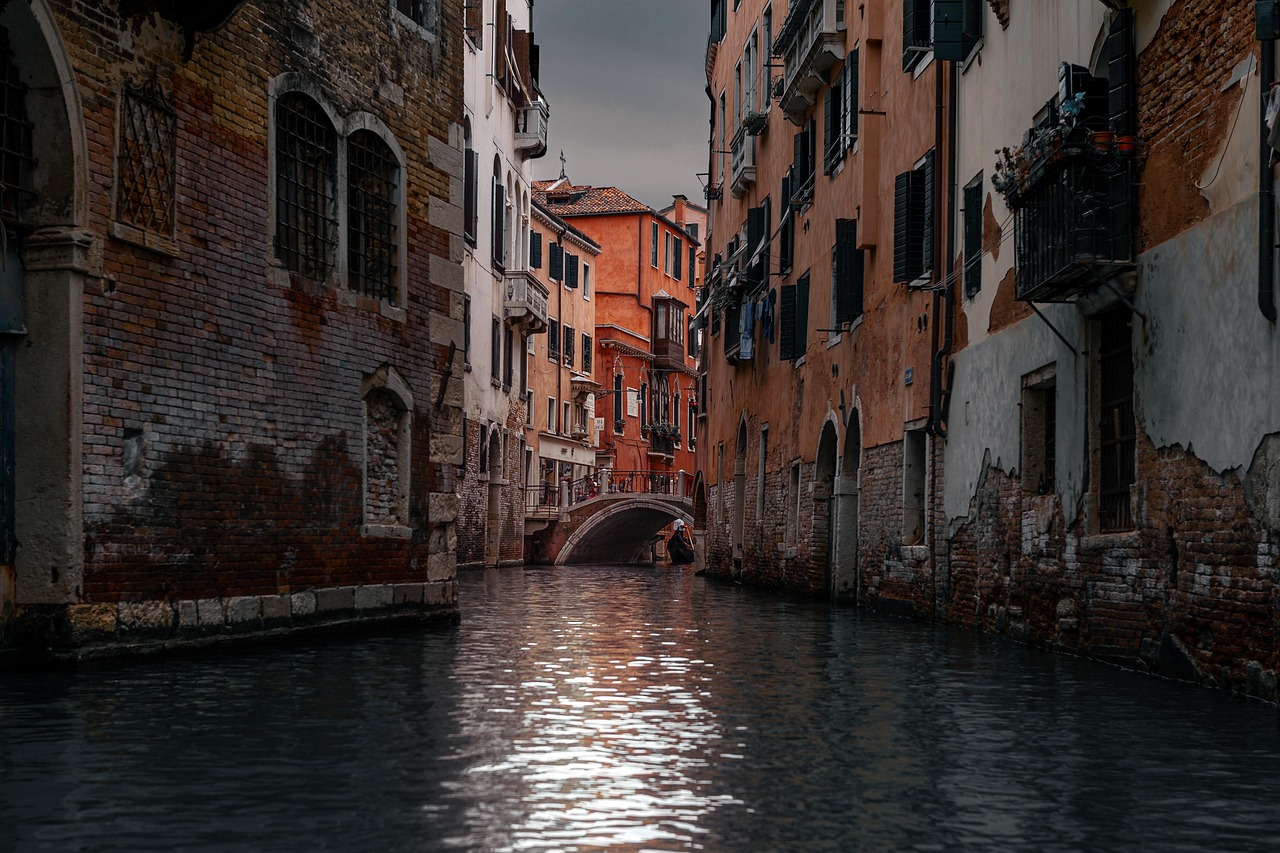
For designers, builders and homeowners, the key question is not simply whether the finish looks attractive. The substrate, room use, lighting, budget and maintenance expectations all need to match the system. When these conditions are handled correctly, Venetian plaster can be a durable, visually quiet surface. When they are overlooked, cracks, trowel inconsistency, burnish marks, stains and repair patches can be more visible than expected.
Why it is different from paint, limewash and microcement
Venetian plaster is often grouped with paint, limewash and microcement because all four can create soft, continuous color on interior walls. In practice, they solve different design and performance problems.
| Finish | Typical visual effect | Key specification issue |
|---|---|---|
| Interior Venetian plaster | Layered mineral depth, from matte to polished | Requires skilled trowel application and a very flat substrate |
| Paint | Uniform color and sheen | Lower installation complexity, but less surface depth |
| Limewash | Soft, cloudy, mineral color variation | More absorbent and less polished than Venetian plaster |
| Microcement | Continuous cementitious look, often used on floors or wet-room surfaces | Needs system-specific primers, sealers and movement control |
Paint mainly changes color and sheen. Venetian plaster changes the surface itself because trowel marks, compression and translucent layers become part of the finished appearance. Limewash is also mineral-based, but it is usually brushed on and has a flatter, more chalky character. Microcement may be more suitable where a harder, sealed, cement-like surface is required, but it does not produce the same polished lime-plaster appearance.
Because “Venetian” is used loosely, the product data sheet should be reviewed before specification. Check the binder type, recommended substrate, number of coats, primer requirements, sealer compatibility, VOC information and cleaning guidance. A sample board viewed in the actual room light is more useful than a small color chip, especially when the finish will be seen under grazing light.
Where interior Venetian plaster works best
Venetian plaster is strongest as a high-touch visual finish, not as a universal replacement for every wall coating. It works well in living rooms, dining rooms, reception areas, bedrooms, fireplace surrounds, niches, feature ceilings and boutique commercial interiors where the design intent is a continuous surface with material depth.
Lighting has a major effect on the result. Grazing light from windows, sconces or linear LEDs will reveal trowel movement, substrate irregularities and sheen variation. That may be desirable when visible craft is part of the design, but it can become a problem if the client expects the uniformity of a painted wall. In spaces with strong side lighting, the mockup should be reviewed on the actual wall plane rather than flat on a table.
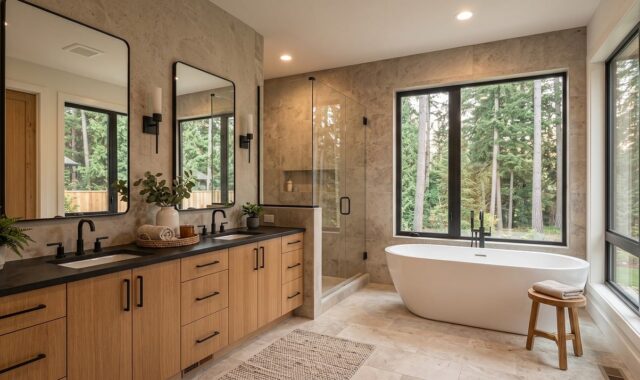
Bathrooms and kitchens require more caution. Lime-based plaster can be vapor permeable when left unsealed, which can be useful in some traditional wall assemblies. Permeability, however, is not waterproofing. Splash zones, shower walls and backsplashes need a complete system designed for moisture exposure, including the correct substrate, primer, waterproofing where required and compatible sealer. A decorative wax may improve wipeability, but it should not be treated as a wet-area specification by itself.
In busy commercial corridors, children’s play areas or areas behind chairs and movable furniture, the finish may need a protective topcoat or a different material altogether. Darker and more polished surfaces tend to show scuffs, hand oils and patch repairs more readily.
Substrate preparation determines the result
Many finish failures blamed on Venetian plaster begin below the finish coat. A polished or semi-polished plaster highlights flatness, seams, corner quality and wall movement. It will not hide poor drywall work or an unstable plaster base.
On gypsum board, many projects require a high level of finish before the decorative plaster is applied. The Gypsum Association’s GA-214 guidance defines levels of gypsum board finish and describes a Level 5 finish as including a skim coat over the entire surface. That level is commonly specified where gloss, critical lighting or smooth decorative finishes would otherwise reveal joints and fasteners. The final requirement should still follow the plaster manufacturer’s instructions and the project specification.
Existing plaster walls need a separate review. The National Park Service’s preservation guidance on historic plaster emphasizes repair methods that respect traditional materials and existing fabric. For an old lime or gypsum plaster wall, the correct approach may be consolidation and compatible repair rather than covering everything with a modern coating. Loose areas, salts, dampness, previous oil paint, wallpaper adhesive and incompatible patches must be addressed before a Venetian plaster system is applied.
Movement is another limitation. Venetian plaster is thin and decorative. It does not structurally bridge active cracks, deflecting boards or poorly detailed control joints. If a crack is caused by movement, it is likely to return unless the underlying cause is solved. Mesh, primers and flexible base coats may help in some systems, but they are not a guarantee against structural movement.
Lime, acrylic and hybrid systems
The main material choice is between a traditional lime-based plaster and a modern acrylic or hybrid decorative plaster. Neither option is automatically better. The right choice depends on the substrate, room conditions, schedule, maintenance expectations and desired appearance.
Lime-based Venetian plaster
Lime plaster is valued for mineral depth, workability and traditional character. Building conservation sources describe lime plasters and mortars as materials that harden as they reabsorb carbon dioxide from the air, a process known as carbonation. They are also often described as vapor permeable, which can help traditional wall assemblies release moisture rather than trap it.
Those benefits come with practical requirements. Lime-based products may need careful curing conditions, adequate ventilation, controlled drying and protection from premature sealing. Installers also need to account for the material’s high alkalinity during application. Color can vary slightly by batch and burnishing pressure, which can be part of the finish’s appeal but should be managed with samples and clear expectations. See also: BUILDING MATERIALS.
Acrylic and hybrid decorative plasters
Acrylic and hybrid plasters can offer faster drying, easier color consistency and greater resistance to some everyday stains, depending on the product. They may suit projects where schedule, maintenance or uniformity is more important than traditional mineral behavior.
The tradeoff is that these systems may not have the same vapor permeability or mineral character as lime plaster. They also vary widely in emissions, resin content and sealer requirements. For indoor air quality, the U.S. Environmental Protection Agency advises that many paints, finishes and remodeling products can emit volatile organic compounds, and that ventilation and low-emitting product selection are important during interior work. Do not assume a plaster is low-VOC, zero-VOC or breathable unless the manufacturer’s current documentation supports that claim.
Design choices that affect cost, schedule and maintenance
The biggest cost driver is usually labor rather than raw material. Venetian plaster is hand-applied in multiple passes, and the final appearance depends on timing, pressure, trowel angle and burnishing. A simple matte finish in a light color is generally easier to control than a dark, highly polished wall with strong lighting and many outside corners.
Color changes the risk profile. Pale neutrals tend to hide minor variation and repairs better. Dark tones can look dramatic, but they often reveal trowel overlap, fingerprints, polishing variation and dust. Highly reflective finishes need the best substrate preparation and a clear agreement on what level of natural movement and variation is acceptable.
Sealers and waxes should be specified as part of the system, not added casually after installation. A waxed or sealed surface may be easier to wipe, but it can change sheen, deepen color and reduce vapor permeability. In some lime plaster applications, sealing too soon may interfere with curing. The installer should follow the manufacturer’s waiting period and environmental requirements.
Maintenance is usually straightforward, but it is not the same as painted drywall. Dust with a soft cloth. Clean small marks with a damp cloth and a mild, pH-neutral cleaner if the sealer allows it. Avoid abrasive pads, aggressive alkaline or acidic cleaners, and repeated scrubbing on matte unsealed areas. For commercial projects, keep the installer’s material name, batch information, color formula and finish schedule on file so future repairs have a better chance of blending.
Specification checklist before approving the finish
A good Venetian plaster specification should answer practical questions before work starts. The following checklist helps reduce misunderstandings between the designer, general contractor, plaster artisan and owner.
- Confirm the binder. Is it lime-based, acrylic, cementitious or hybrid?
- Confirm the substrate. Is the wall new gypsum board, existing plaster, masonry or another base?
- Define the required surface level. For gypsum board, clarify whether a full skim coat or Level 5 preparation is required.
- Request a job-site mockup. Review it under the same lighting and viewing distance as the finished room.
- Control moisture sources. Investigate damp walls, leaks, salts or condensation before installation.
- Choose sheen intentionally. Matte, satin and polished surfaces age and show marks differently.
- Document the protection system. Specify wax, sealer or no sealer, and note how that affects cleaning and vapor permeability.
- Plan corners and transitions. Outside corners, baseboards, trim returns and ceiling lines should be detailed before plastering.
- Set repair expectations. Patches may remain visible, especially on polished or dark finishes.
This checklist is also useful when comparing bids. A low bid may exclude substrate correction, primer, mockups, protection coats or return visits. Those omissions can make the completed project more expensive than a proposal that defines the full scope at the start.
Frequently asked questions
Is interior Venetian plaster durable?
It can be durable when installed over a stable substrate and protected according to the room’s use. It is not immune to impact, abrasion, water staining or movement cracks. Durability depends on the binder, number of coats, burnishing, sealer and maintenance routine.
Can Venetian plaster be used in a bathroom?
Yes, but only with the right system and location. Powder rooms and dry bathroom walls are common candidates. Shower interiors, tub surrounds and splash-heavy areas need a moisture-rated assembly and compatible sealer. Decorative plaster should not be used as waterproofing by itself.
Does Venetian plaster improve indoor air quality?
It should not be marketed that broadly without product-specific evidence. Some lime-based mineral plasters may have low emissions, but indoor air quality depends on the entire assembly, including primers, pigments, sealers, ventilation and curing. Current product documentation is the safest basis for any low-emission claim.
Can it be applied over painted walls?
Sometimes, but the paint must be sound, clean and compatible with the primer or bonding coat required by the plaster system. Glossy paint, peeling paint, moisture damage, wallpaper residue and unknown coatings can cause adhesion problems. A test area is recommended.
Is Venetian plaster worth the extra effort?
It is worth considering when the design calls for material depth, subtle movement and a hand-finished surface. If the goal is simply a washable, uniform color at lower cost, a high-quality paint system may be more practical. The best value usually comes from using Venetian plaster selectively where it will be noticed and properly maintained.