How to choose home interior finishes for durability and comfort
What home interior finishes really include
Home interior finishes are the visible and touchable layers that turn a building shell into a livable home. They include wall paint, flooring, tile, millwork, cabinet fronts, countertops, backsplashes, doors, trim, ceiling treatments, hardware, and the coatings or sealers applied to those surfaces. A good finish is not simply the one that looks best in a showroom. It is the one that suits the room’s moisture level, traffic, cleaning routine, indoor air goals, maintenance budget, and expected design life.
For homeowners, builders, and designers, the strongest starting point is a performance-first plan. Put durable surfaces where daily wear is highest, use verified product information where emissions or moisture exposure matter, and reserve highly trend-sensitive choices for areas that are easier to update. For more material-focused ideas, visit the interior finishes category.
Start with the job each finish has to do
A finish has a practical job before it has a decorative one. A mudroom floor must tolerate grit and wet shoes. A bathroom wall finish must handle humidity and cleaning. A kitchen cabinet finish must resist repeated touching, cooking residue, and impact at exposed edges. A bedroom wall finish may need less moisture resistance, but more attention to color comfort and light reflection.
Before comparing brands, colors, or price points, define five conditions for each room:
- Moisture exposure: bathrooms, laundry rooms, kitchens, basements, and entries need finishes that can tolerate water, humidity, and regular cleaning.
- Traffic and abrasion: halls, stairs, family rooms, and kitchens usually need stronger flooring and more washable wall finishes than guest rooms.
- Heat, sunlight, and stains: countertops, backsplashes, window-adjacent flooring, and painted trim may age differently under UV, cooking heat, or frequent contact.
- Touch and acoustics: hard surfaces are easy to clean, but they can increase sound reflection. Soft flooring and textured fabrics can improve comfort, although they may need more maintenance.
- Repairability: a finish that can be touched up, resealed, refinished, or replaced in sections may offer better long-term value than one that must be removed completely after damage.
Installation quality is part of performance. Tile, wood flooring, vinyl plank, wallcovering, and painted millwork can fail early if the substrate is wet, uneven, contaminated, or not prepared according to the manufacturer’s instructions. A premium finish over a poor substrate rarely delivers a premium result.
Compare common home interior finishes by risk and use
The most useful comparison is not natural versus synthetic or expensive versus affordable. It is how each finish behaves in the actual space. The table below organizes major finish categories by typical use, common risk, and what to verify before purchasing.
| Finish category | Common uses | Main strengths | What to verify |
|---|---|---|---|
| Paints, stains, and clear coatings | Walls, ceilings, trim, doors, built-ins, furniture-like millwork | Flexible, comparatively affordable, easy to refresh, available in many sheens and colors | Sheen, scrub resistance, primer compatibility, VOC information, cure time, and whether the product is suitable for kitchens, baths, or trim |
| Hard flooring | Living areas, kitchens, halls, entries, bedrooms, basements depending on product type | Durable surface options include wood, engineered wood, laminate, vinyl, tile, stone, and concrete | Moisture limits, underlayment, slip resistance, wear layer or finish system, acoustic requirements, and manufacturer-approved cleaning methods |
| Tile and stone | Bathrooms, kitchens, backsplashes, showers, fireplace surrounds, entries | Strong water and heat performance when the assembly is properly designed | Waterproofing behind tile, grout type, sealing needs, slip resistance for floors, lippage tolerance, and maintenance expectations |
| Cabinetry and millwork finishes | Kitchens, baths, closets, mudrooms, wall paneling, built-ins | High visual impact and high functional value because storage is used daily | Core material, edge durability, coating type, moisture resistance, formaldehyde compliance for composite wood, and repair options |
| Countertops and backsplashes | Kitchens, baths, laundry rooms, bars, utility rooms | Can combine work surface, hygiene, and design focal point | Stain resistance, heat guidance, seam layout, edge profile, sealing needs, repairability, and compatibility with sinks and appliances |
| Wallcoverings and decorative panels | Powder rooms, bedrooms, offices, accent walls, dining areas | Add pattern, texture, warmth, and acoustic softness depending on material | Cleanability, moisture suitability, adhesive type, removability, wall preparation, and fire classification where required by local code |
| Trim, doors, and hardware finishes | Baseboards, casings, interior doors, stair parts, handles, hinges, rails | Unify rooms and protect edges that receive frequent contact | Paint or stain system, dent resistance, profile complexity, cleaning needs, finish durability, and replacement availability |
Indoor air quality and older-home risks should shape specifications
Interior finishes can affect indoor conditions during installation and after occupancy. The U.S. Environmental Protection Agency identifies paints, adhesives, sealants, composite wood products, flooring, cabinets, and other building materials as potential indoor sources of volatile organic compounds or formaldehyde. That does not mean every finish is unsafe. It means product documentation, ventilation, and proper installation should be part of the selection process.
For composite wood products used in cabinetry, shelving, furniture, flooring components, and wall panels, U.S. EPA TSCA Title VI rules set formaldehyde emission standards for regulated hardwood plywood, medium-density fiberboard, thin medium-density fiberboard, and particleboard. In practical terms, buyers should look for compliance labeling or documentation when selecting cabinets, panels, or furniture-like built-ins that use composite wood.
For paints, stains, and sealers, “low odor” is not the same as full material transparency. Green Seal’s GS-11 standard for paints, coatings, stains, and sealers is one example of a third-party framework that addresses VOC limits and other chemical criteria. For flooring, programs such as FloorScore or GREENGUARD can help compare product emissions for certain categories. These labels do not replace ventilation, but they make product selection less dependent on marketing language alone.
Older homes require additional caution. In the United States, homes built before 1978 are more likely to contain lead-based paint, and paid renovation work that disturbs painted surfaces in pre-1978 target housing is generally subject to EPA Renovation, Repair and Painting requirements. EPA guidance also warns that some older floor tiles, ceiling materials, insulation, mastics, and other products may contain asbestos. Disturbing suspected material by sanding, cutting, or demolition can create exposure risk. When age or material history is uncertain, testing and qualified professionals are safer than assumptions.
Choose finishes room by room
Kitchens
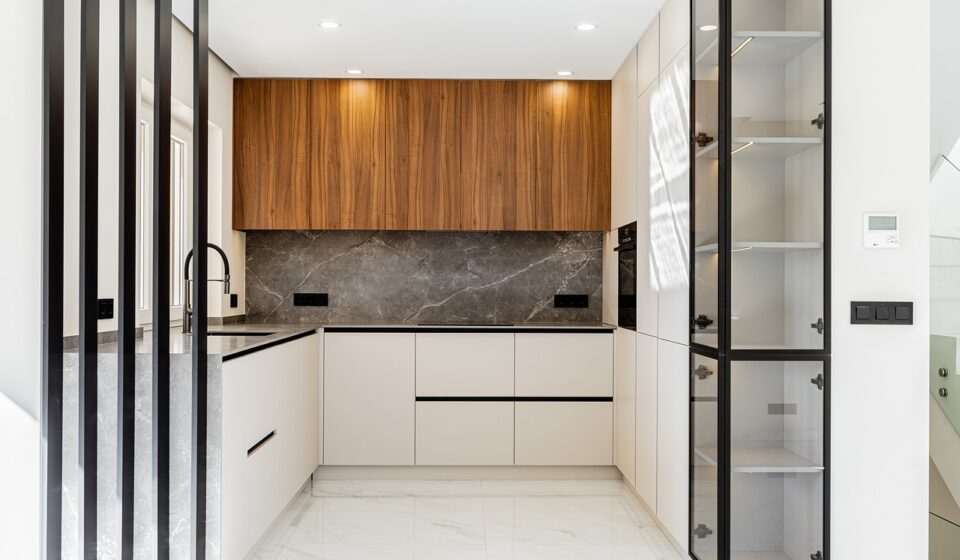
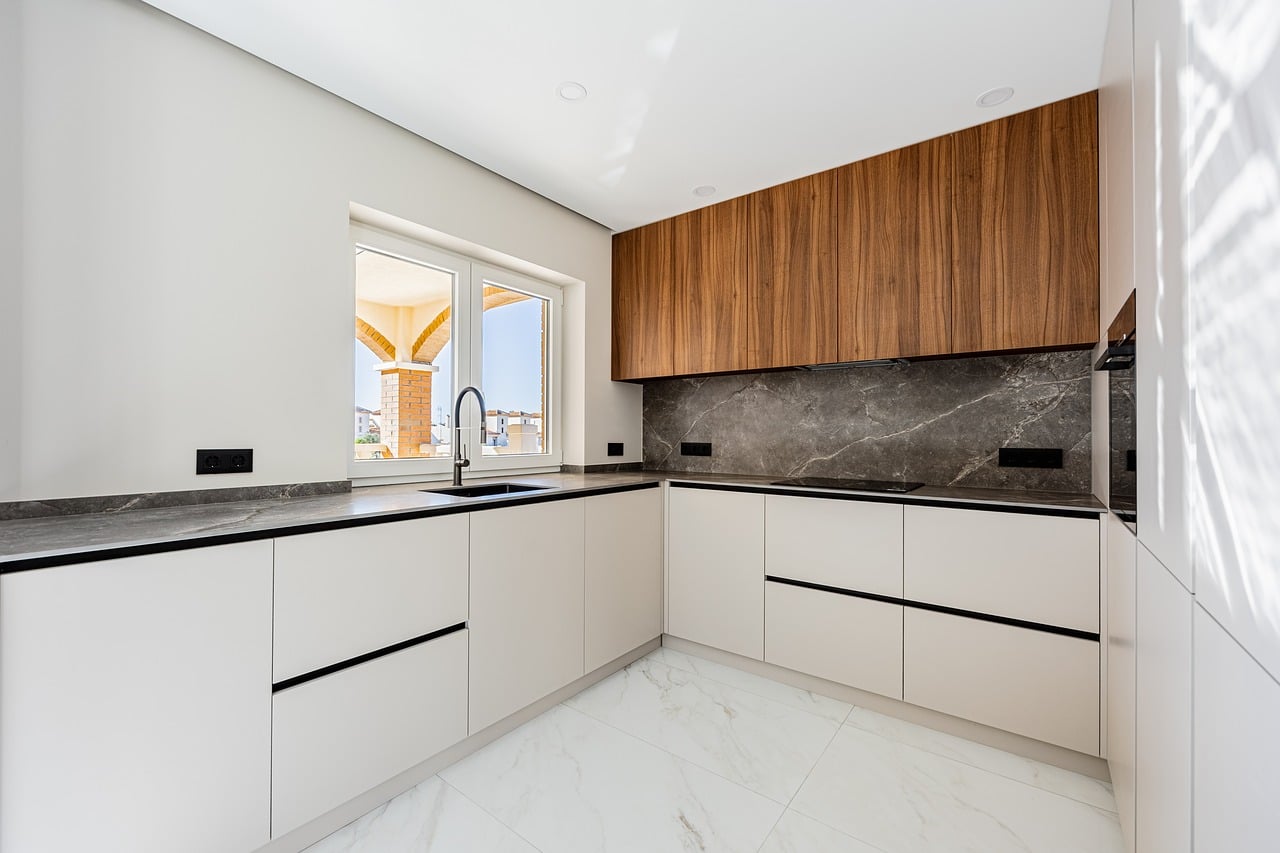
Kitchens place high stress on finishes because they combine water, heat, grease, food stains, storage, and daily traffic. Cabinet door and drawer fronts need edges that resist swelling and finishes that tolerate repeated cleaning. Countertops should be selected for stain behavior, seam placement, repairability, and user habits, not appearance alone. A dramatic backsplash can add character, but the wall behind sinks and ranges still needs a cleanable surface and sound detailing at joints.
Kitchen flooring should be evaluated for comfort underfoot, water tolerance, slip resistance, and transitions to nearby rooms. A beautiful floor that cannot tolerate leaks or frequent cleaning may become a liability in an active household.
Bathrooms and laundry rooms
Bathrooms and laundry rooms need moisture planning first. Tile is a finish, not a waterproofing system by itself. Showers and wet walls require the correct substrate, waterproofing membrane or backer system, slope, drain detailing, and compatible grout or sealant. Painted walls outside wet zones should use coatings intended for humidity and cleaning.
Floor finishes should balance traction and cleanability. Highly polished surfaces may look refined, but they may not be the safest choice in wet areas. In laundry rooms, consider appliance vibration, possible leaks, and access to shutoff valves when choosing flooring and base details.
Living rooms, bedrooms, and home offices
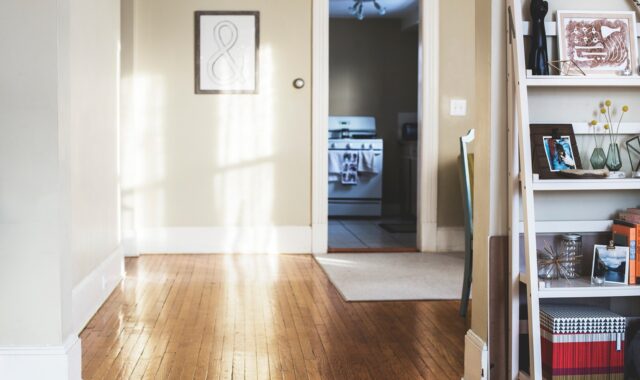
Dry living spaces allow more flexibility. Wood, engineered wood, carpet, area rugs, painted walls, decorative panels, and wallcoverings can all perform well when matched to use. Bedrooms may benefit from softer acoustics and lower-gloss wall finishes. Home offices may need durable chair zones, glare control, and colors that remain comfortable during long work sessions.
In these rooms, the biggest mistake is often not technical failure but visual fatigue. Large surfaces in highly specific colors or patterns can become dated quickly. If the goal is long service life, use stronger personality in furnishings, art, lighting, or one controlled accent area rather than on every permanent surface. See also: BUILDING MATERIALS.
Entries, stairs, and mudrooms
Entries and mudrooms collect water, grit, salt, pet traffic, bags, and shoes. Prioritize flooring that can be cleaned without special treatment and wall or trim finishes that can handle scuffs. Stairs need special attention because finish decisions affect both durability and safety. Glossy coatings, loose runners, and poorly detailed nosings can create problems even when the materials themselves are high quality.
Use design trends as direction, not as a specification
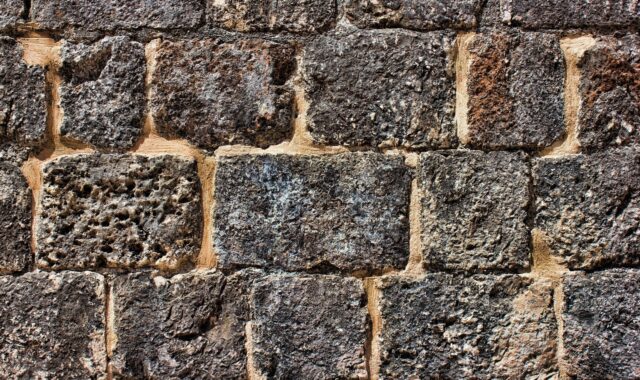
Recent design reporting from organizations and platforms such as ASID, Houzz, and NKBA has emphasized warmer palettes, natural textures, wood tones, layered lighting, statement stone or stone-look surfaces, wellness, and sustainability. These directions are useful because they reflect broader homeowner interest in comfort and material character. They should not override performance requirements.
A practical approach is to separate long-life surfaces from changeable layers. Flooring, cabinetry, tile, and stone usually cost more to replace, so they should be selected for durability and broad compatibility. Paint colors, hardware finishes, decorative wallcovering in limited areas, lighting, rugs, and textiles are easier to update as taste changes.
Material coordination often matters more than the number of trend references in a room. A home with wood-look flooring, veined countertop, patterned tile, bold hardware, fluted panels, and saturated paint in the same sightline can feel busy even if every individual choice is fashionable. Limit the number of dominant finishes in open-plan spaces, repeat one or two materials across rooms, and test samples under the home’s actual daylight and evening lighting.
Budget for lifecycle, not just purchase price
The installed cost of an interior finish includes more than the product. Demolition, substrate repair, moisture mitigation, primers, adhesives, trims, transitions, waterproofing, waste, delivery, skilled labor, and future maintenance can change the real budget. A low-cost finish may be a smart choice in a low-stress room and a false economy in a wet or high-traffic room.
Spend first on hidden details that protect visible finishes: flat subfloors, appropriate underlayment, waterproofing in wet areas, compatible primers, correct adhesives, expansion gaps, and proper cure times. These elements are rarely photographed, but they often determine whether the finished room still looks good several years later.
For long-term value, keep attic stock of tile, flooring, wallcovering, and specialty trim where possible. Dye lots, production runs, plank dimensions, and glaze tones can change. Extra material from the original installation makes later repairs cleaner and less expensive.
A practical checklist before final approval
- Define the room’s moisture, traffic, cleaning, and sunlight conditions.
- Confirm that the finish is suitable for the substrate and installation method.
- Review manufacturer instructions for acclimation, adhesives, primers, sealers, and cure time.
- Ask for emissions or compliance documentation where paints, flooring, composite wood, or adhesives are involved.
- Check older homes for lead paint or asbestos risk before sanding, cutting, or demolition.
- View samples in the actual room during morning, afternoon, and evening light.
- Confirm transitions between flooring, cabinets, countertops, backsplashes, doors, and trim.
- Estimate lifecycle cost, including maintenance products, resealing, refinishing, and likely repair needs.
- Order extra material for future repairs when lot matching may matter.
- Document product names, colors, sheens, batch numbers, and installation details for the homeowner file.
Frequently asked questions
What are the most important home interior finishes to choose first?
Start with the most permanent and expensive surfaces: flooring, cabinetry, countertops, shower or bath tile, and major millwork. These finishes influence layout, color palette, installation schedule, and budget. Paint, hardware, lighting finishes, and decorative accents can usually be adjusted later with less disruption.
Are low-VOC finishes always the best choice?
Low-VOC products can be helpful, but they should be evaluated alongside durability, emissions documentation, installation method, and ventilation. A low-VOC label does not automatically mean a product is ideal for every room, and odor alone is not a complete measure of indoor air impact.
What finish works best in bathrooms?
There is no single best bathroom finish. The best choice is a complete moisture-resistant assembly. Tile, waterproof panels, humidity-suitable paint, and resilient flooring can all work when the substrate, waterproofing, joints, ventilation, and cleaning routine are correctly planned.
Should homeowners choose trendy or timeless finishes?
Use timeless or broadly compatible finishes for expensive surfaces and trend-forward choices for easier updates. Warm wood tones, textured surfaces, and statement stone looks may suit current design direction, but they still need to match the home’s architecture, lighting, maintenance needs, and long-term use.
How many interior finishes should a home use?
Most homes feel more cohesive when major finishes repeat. That does not mean every room must match. Keep flooring transitions intentional, repeat trim and door finishes, limit competing statement surfaces, and use color or texture changes to support the function of each room.