Brick finishes interior designers specify for walls, fireplaces, and thin veneer
What interior brick finishes are really solving
Brick finishes interior designers specify are not simply choices between red, white, and rustic. The right finish depends on the wall assembly, the amount of moisture and contact the surface will receive, whether the masonry needs to dry through the face, and how practical future repair will be. Old exposed masonry may need cleaning, repointing, and a breathable surface instead of a decorative coating. Thin brick veneer needs a sound substrate, allowance for movement, and compatible mortar or adhesive. Painted brick can make color planning easier, but it usually brings more long-term maintenance than a wash or clear sealer. A stronger selection process starts with the wall type, then narrows the finish by room use, durability, indoor air quality, and reversibility.
For broader material decisions across walls, floors, ceilings, and surface treatments, the interior finishes category is a useful reference point.

Start with the wall type before choosing the finish
The same finish can perform very differently on structural brick, new masonry veneer, and thin brick. Before discussing color, confirm whether the brick is load-bearing masonry, full-depth veneer, or decorative adhered veneer. That distinction affects weight, anchorage, substrate preparation, joint layout, and the likely repair strategy.
Existing exposed brick
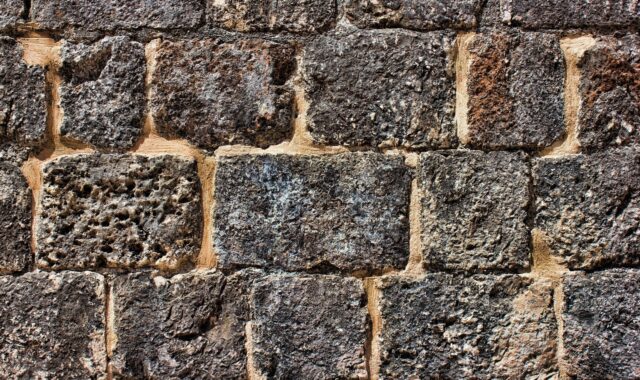
Older exposed brick is often kept because it shows age, variation, and surface irregularity. It may also come with weak mortar, dusting brick faces, efflorescence, soot, past coatings, or paint of unknown composition. In many interiors, the most durable finish is the least aggressive one: dry brushing, gentle cleaning, localized repointing, and a breathable matte sealer only where dust control is needed.
Do not assume every old brick wall should be sealed. Dense coatings can trap moisture in some masonry assemblies. If the wall is below grade, close to a chimney, or on the interior side of an exterior wall, moisture behavior should be reviewed before any film-forming product is applied.
Full-depth interior brick or anchored veneer
Full brick gives depth, shadow, and impact resistance, but it also needs structural support and correct detailing. ASTM C216 is commonly referenced for facing brick made from clay or shale, while masonry design and veneer requirements are typically coordinated with adopted building codes and TMS 402/602 provisions. For interior projects, the practical question is not only how the brick looks; it is whether the substrate and support system are designed for the load.
Thin brick veneer
Thin brick is often the more practical option for apartments, retail interiors, feature walls, and remodels because it provides a brick face with less thickness and weight than full-depth masonry. As of the 2026 ASTM listing, ASTM C1088 defines thin veneer brick as clay masonry units with a thickness of less than 2 5/8 inches and covers units for adhered or fastened veneer applications. That definition matters because products sold as brick-look tile, manufactured veneer, or reclaimed slices may not fall under the same specification.
Thin brick should be specified as a system, not treated as a loose decorative skin. The substrate, mortar or adhesive, lath where required, grout joints, movement joints, and edge details all affect whether the finished wall stays flat, bonded, and clean.
| Wall condition | Likely finish path | Main risk to check |
|---|---|---|
| Historic exposed brick | Clean, repoint, leave natural, or use breathable sealer | Moisture, weak mortar, old paint, dusting surface |
| New full-depth brick | Select brick color, mortar color, joint profile, optional sealer | Support, anchorage, transitions, code coordination |
| Thin brick veneer | Choose brick unit, bond pattern, grout color, movement joints | Substrate flatness, bond strength, weight, joint layout |
| Previously painted brick | Repaint, strip selectively, or accept layered finish | Lead paint in older buildings, coating adhesion, surface damage |
Main interior brick finish options
Natural exposed brick
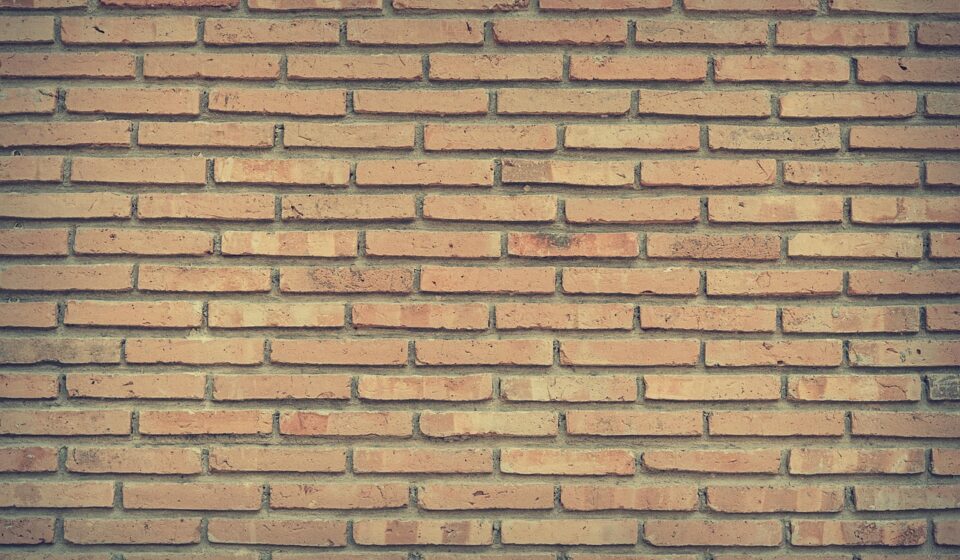
Natural brick is the most direct finish. It keeps the original face, color variation, chips, and mortar lines visible. This approach suits lofts, living rooms, hospitality spaces, stair halls, and retail interiors where texture is part of the design language. The main specification decisions are the cleaning method, mortar repair, joint profile, and whether a clear sealer is needed.
Natural exposed brick may look casual, but the work should still be controlled. Harsh chemical cleaning, aggressive sandblasting, and over-grinding can permanently change the brick face. A small mockup is the safest way to compare cleaning intensity, color change, and final sheen.
Clear matte sealer
A clear sealer is usually selected for dust control, easier cleaning, and improved stain resistance. It can be useful behind a dining bench, along a commercial corridor, around a reception wall, or near shelving where people touch the surface. A matte or low-sheen finish is often preferred indoors because glossy brick can make an old wall look artificial.
The trade-off is vapor behavior and maintenance. Penetrating sealers and breathable mineral-based products are often more compatible with masonry than heavy film-forming coatings, but product selection must match the wall condition. Test for darkening, sheen, odor, and cleanability before coating the full wall.
Limewash and mineral wash
Limewash and mineral-style washes are used when a project needs a lighter, softer, or aged finish without fully hiding the brick. They can reduce visual contrast, tone down strong red or orange brick, and give the wall a chalky, layered appearance. Unlike opaque paint, a wash can leave edges, texture, and some color variation visible.
This finish works well in farmhouse, Mediterranean, transitional, and hospitality interiors. It is less suitable for walls that need frequent scrubbing unless the system is protected or the owner accepts a maintained patina. Designers should specify sample panels because dilution, brush technique, brick porosity, and drying conditions can noticeably change the final result.
Painted brick
Painted brick offers the most color control. It can make a brick wall recede into the architecture, brighten a room, or align an old fireplace with a modern palette. White, warm off-white, charcoal, clay beige, and deep green are common design directions.
The limitation is reversibility. Once brick is painted, returning it to a clean natural surface can be difficult, expensive, and damaging. Paint can also highlight poor mortar repairs or uneven texture. For that reason, painting usually makes more sense when the existing brick has unattractive patching, incompatible colors, previous coatings, or a design brief that values color uniformity over masonry authenticity.
German schmear, mortar wash, and overgrouted joints
German schmear and mortar-wash finishes use mortar or a mortar-like coating to partly cover the brick face. The result is heavier and more textured than limewash. It can make new brick look older or help inconsistent brick appear intentional. Overgrouted joints create a related effect by allowing mortar to stand proud or spread wider across the brick edges.
These finishes have a strong visual presence. In smaller rooms, they should be used with restraint because heavy texture can compete with cabinetry, stone, wood grain, and patterned tile. They also require good craft control. Too much mortar coverage can make the wall look smeared rather than aged.
Glazed and colored thin brick
Glazed thin brick is not a site-applied coating; the finish is created as part of the manufactured unit. It gives brick a more tile-like performance and a stronger color statement. It is useful for restaurants, bars, backsplashes, shower-adjacent feature walls, and commercial interiors where wipeability and color consistency matter.
The design risk is glare and repetition. A glazed surface reflects more light, and modular thin units can look patterned if the layout is not carefully blended. Mortar color and joint width become especially important because they frame every unit. See also: BUILDING MATERIALS.
Performance details that are often missed
Moisture and vapor behavior
Brick and mortar are porous materials. In interior finish planning, porosity is not automatically a flaw. It can help a wall dry, but it can also absorb grease, spills, and dirt. The decision to seal should be based on exposure. A living room feature wall may only need dust control. A kitchen backsplash or commercial banquette wall needs stronger stain resistance. A bathroom wall requires careful detailing because interior humidity, cleaning chemicals, and condensation can all stress the finish.
Movement joints and differential movement
Brick veneer, tile-like units, substrates, and framing do not all move in the same way. The Tile Council of North America explains movement joints as a way to relieve stresses caused by different expansion and contraction between a facing material and its substrate. In practice, interior brick veneer may need perimeter gaps, soft joints, or other movement accommodation where the system, room size, moisture, sunlight, or substrate conditions call for them.
This is especially important for long feature walls, walls receiving direct sun through large windows, fireplace surrounds, double-height spaces, and commercial interiors with changing temperature or humidity. Movement details are not decorative, but ignoring them can lead to cracking, tenting, or debonding.
Indoor air quality during finishing
Brick itself is often seen as a simple mineral material, but interior brick finishing can involve cleaners, primers, paints, sealers, adhesives, and grout additives. EPA guidance on volatile organic compounds notes that indoor levels of several organic chemicals have been found to average 2 to 5 times higher than outdoor levels, and that activities such as paint stripping can create much higher short-term concentrations. For occupied renovations, low-emitting products, ventilation, and proper curing time matter as much as the final appearance.
Dust, silica, and lead-safe work
Cutting, grinding, drilling, or tuckpointing brick and mortar can generate respirable crystalline silica dust. OSHA construction guidance identifies brick and mortar among materials that can release silica during high-energy operations, and notes that applying water to a saw blade can substantially reduce dust when cutting silica-containing materials. This is a jobsite safety issue, not a styling detail.
Older painted brick adds another concern. EPA Renovation, Repair and Painting guidance applies to many paid renovation activities that disturb paint in pre-1978 homes and child-occupied facilities. If paint history is unknown, testing and lead-safe work practices should be considered before sanding, grinding, stripping, or repainting.
Choosing the right finish by room
Living rooms and bedrooms
These spaces can usually prioritize texture and mood. Natural brick, limewash, soft mineral wash, and matte clear sealer are strong choices. If the wall is a focal point behind a sofa or bed, consider lower-contrast mortar so the surface feels calm rather than busy. Lighting is critical: grazing light from sconces or track fixtures will emphasize every ridge, chip, and mortar repair.
Kitchens
Kitchens need better cleanability. Behind open shelving, natural or sealed brick can work. Directly behind ranges and sinks, glazed thin brick, a compatible sealer, or a more washable finish may be more practical. Grease can darken unsealed porous brick, and acidic cleaners can affect some masonry or mortar surfaces. A sample should be tested with the cleaning method the owner actually expects to use.
Bathrooms and laundry rooms
Brick can work in bathrooms as an accent, but it should not be treated as a waterproofing layer. In wet zones, waterproofing belongs behind or below the finish system according to the applicable tile, masonry, or manufacturer instructions. Limewash and unsealed porous brick are better kept away from direct splash unless maintenance expectations are clear.
Fireplace surrounds
Brick is associated with fireplaces because masonry is noncombustible, but the finish still has to respect appliance instructions, mantel clearances, local code, and heat exposure. Site-applied paints and sealers near heat should be selected carefully. A product that performs on a cool feature wall may discolor, soften, or smell when exposed to elevated temperatures.
Retail, restaurant, and office interiors
Commercial interiors need a tougher specification. Touch, cleaning frequency, impact, signage, lighting, and repair access all matter. Thin brick with controlled joints and a washable finish may outperform fragile reclaimed brick in high-contact areas. If authenticity is central to the brand, protect vulnerable zones with furniture spacing, rails, or replaceable panels.
A practical specification checklist
A strong interior brick specification should define more than color. It should identify the wall type, product standard where applicable, substrate requirements, finish mockup, mortar color, joint profile, sealer type, movement accommodation, cleaning method, and maintenance expectations.
- Confirm whether the project uses existing brick, full-depth brick, or thin brick veneer.
- For thin clay brick, check whether the product references ASTM C1088 and whether the grade is appropriate for the location.
- For facing brick, check whether ASTM C216 or another relevant specification is being used.
- Review local code, TMS 402/602 coordination, manufacturer instructions, and substrate limits before installation.
- Require a mockup showing brick blend, mortar color, joint profile, cleaning level, and final sealer or wash.
- Plan movement joints at perimeters, transitions, changes in substrate, and other stress points identified by the design professional or manufacturer.
- Use ventilation and low-emitting products where paints, sealers, adhesives, or cleaners are applied indoors.
- Address silica dust and, in pre-1978 painted buildings, possible lead-safe work requirements before demolition or surface preparation.
| Design goal | Finish to consider | Reason |
|---|---|---|
| Keep historic character | Natural brick with repointed joints | Preserves variation and age |
| Reduce dust but keep texture | Matte breathable sealer | Improves touch and cleaning without strong visual change |
| Lighten red brick | Limewash or mineral wash | Softens color while leaving texture visible |
| Create a uniform palette | Painted brick | Gives the most color control |
| Add wipeability and color depth | Glazed thin brick | Combines brick module with a harder finished face |
Frequently asked questions
Should interior brick always be sealed?
No. Sealing is useful for dust control, stain resistance, and easier cleaning, but it is not automatically required. The decision should depend on wall moisture, room use, brick condition, and the type of sealer. Test first because sealers can darken brick or change sheen.
Can thin brick be used for interior walls?
Yes. Thin brick is widely used for interior feature walls, fireplaces, backsplashes, and commercial surfaces. The important point is that it must be installed as a complete veneer system with a suitable substrate, compatible mortar or adhesive, proper joints, and movement accommodation.
Is painting interior brick a bad idea?
Painting is not always wrong, but it is less reversible than many other finishes. It works best when the existing brick is visually inconsistent, already coated, or when the design requires a specific color. If the brick has historic value or moisture concerns, a wash or breathable clear finish may be a safer first option.
What finish makes brick look lighter without hiding the texture?
Limewash, mineral wash, and light mortar-wash techniques can brighten brick while keeping texture visible. The result depends heavily on brick porosity, dilution, application method, and wiping technique, so a sample panel is essential.
What is the safest way to choose among interior brick finishes?
Start with the wall assembly, then test the finish. A mockup should show cleaning, mortar repair, coating or wash, lighting, and maintenance assumptions. This process helps prevent a finish that looks good in a small sample from failing visually or technically across the full wall.