How to buy and use salvage building materials safely
Why salvage building materials are worth planning for
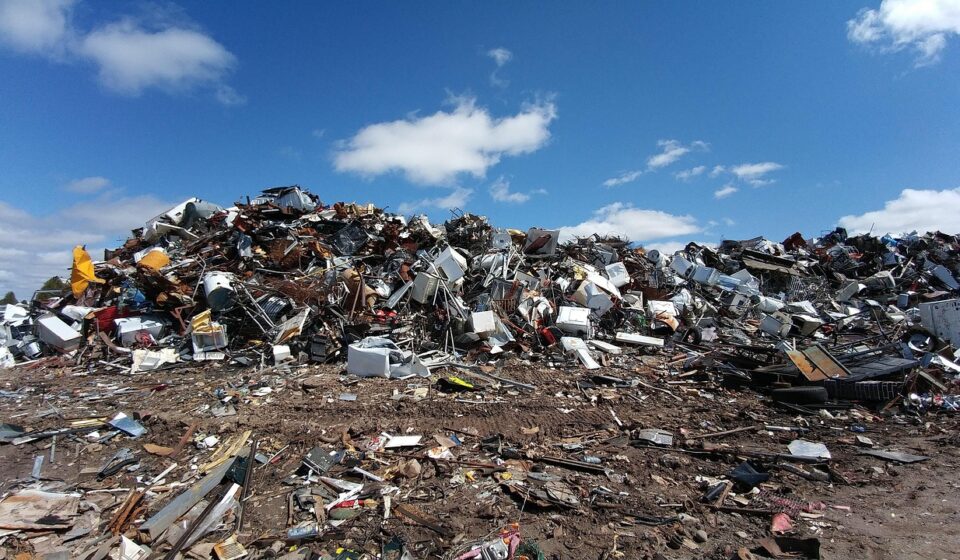
Salvage building materials are reusable components recovered from demolition, renovation, surplus inventory or deconstruction. They can include brick, lumber, doors, cabinets, flooring, lighting, plumbing fixtures, stone, hardware and architectural details. Their value is not simply age or a lower purchase price. Reuse keeps serviceable products out of the construction and demolition waste stream and can reduce the need for newly manufactured materials. The U.S. Environmental Protection Agency estimated that the United States generated about 600 million tons of construction and demolition debris in 2018, more than twice the amount of municipal solid waste generated that year. For homeowners, designers and small contractors, salvage works best when it is planned as a material strategy rather than treated as a last-minute bargain hunt.
Used well, salvage can reduce disposal demand, support local reuse businesses and give interiors or exterior details a depth that standard catalog materials may not provide. Used carelessly, it can create delays, safety problems, code issues and hidden repair costs. The practical question is not whether salvaged materials are always better. It is where they make sense, how their condition can be verified and when new certified products are the safer choice.
What counts as salvage building materials
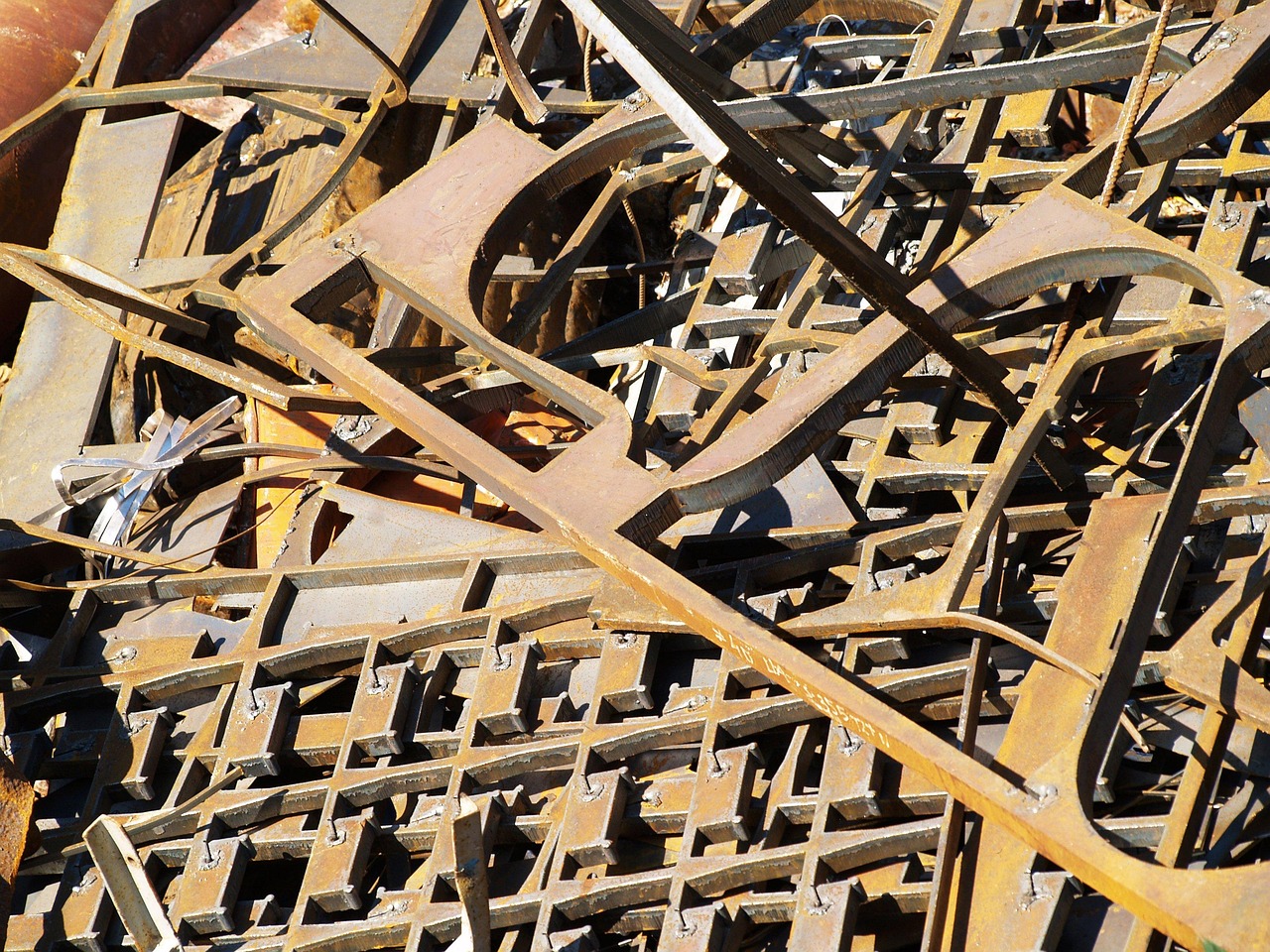
Salvage is broader than antique architectural pieces. It includes any building product that has already been manufactured and can be put back into service. Some items come from careful deconstruction, where a building is selectively dismantled to preserve components. Others come from overstock, jobsite leftovers, remodels, warehouse cleanouts or building-material reuse centers.
The strongest candidates are durable, visible and non-critical components whose condition can be inspected without destructive testing. Decorative brick, solid-wood doors, cabinets, trim, stone, shelving, mantels and hardware often fit this category. Materials with life-safety, structural, electrical, fire-resistance, weatherproofing or pressure-containing functions require a higher level of review.
| Material type | Common reuse applications | Key checks before buying |
|---|---|---|
| Solid wood doors and trim | Interior doors, wall details, casing, shelving, furniture projects | Warping, lead paint risk, insect damage, size, hardware compatibility |
| Reclaimed lumber | Paneling, non-structural beams, counters, shelves, accent walls | Moisture, embedded metal, grading needs, cracks, pest history |
| Brick, stone and tile | Feature walls, paving, fireplaces, landscape elements | Freeze-thaw durability, mortar residue, quantity, matching and breakage |
| Cabinets and casework | Kitchens, workshops, laundry rooms, garages | Box condition, drawer function, water damage, layout fit |
| Lighting and plumbing fixtures | Decorative lighting, sinks, tubs, faucets | Electrical listing, leaks, valve condition, local code acceptance |
A good salvage purchase starts with a clear use case. A beam may be ideal as a mantel but unsuitable as a structural member unless an engineer or qualified professional can verify its capacity and the local building department accepts the documentation. A vintage window may work well as an interior partition but may not meet current energy, egress or safety-glazing expectations for an exterior opening.
Where to find reusable materials and compare sources
Common sources include architectural salvage yards, nonprofit reuse centers, habitat-style resale stores, demolition contractors, deconstruction firms, estate cleanouts, online local marketplaces and surplus building suppliers. Each source has a different balance of price, reliability and documentation.
Reuse centers and professional salvage yards usually cost more than informal marketplaces, but they often provide better sorting, safer handling and more predictable access. Online listings can produce good finds, especially for cabinets, doors, flooring and masonry, but buyers still need to verify dimensions, quantity, transport requirements and the reason the material was removed. Demolition and deconstruction contractors can be useful sources for larger lots, although timing is often tight and removal conditions may affect quality.
For more construction product context, related guides in the building materials section can help readers compare salvage with new, recycled and engineered alternatives.
Before committing to a source, ask five practical questions:
- Is the material already removed, or does the buyer need to remove it?
- Can the seller confirm the approximate age, previous use and storage conditions?
- Is the full quantity available now, including extra pieces for cuts and breakage?
- Are hazardous coatings, asbestos-containing materials or moisture damage possible?
- Can the item be returned if hidden damage is found immediately after pickup?
For projects that need visual consistency, buy more than the exact measured amount. Salvaged flooring, brick, tile and trim can be difficult or impossible to match later. A waste factor of 10 to 20 percent may be reasonable for many finish materials, but brittle masonry, irregular tile or mixed lots may require more.
Safety, code and documentation checks before installation
The main limitation of salvage is uncertainty. New products usually arrive with labels, installation instructions, test reports, warranties and code documentation. Salvaged products may have none of these. That does not make them unusable, but it does change the due diligence.
Lead paint is one of the first concerns in older painted building components. EPA’s Renovation, Repair and Painting program applies to paid work that disturbs painted surfaces in many pre-1978 homes and child-occupied facilities, and it requires certified firms and lead-safe work practices in covered situations. Doors, windows, trim, stair parts and painted cabinets from older buildings should be handled cautiously, especially if sanding, cutting or heat stripping is planned.
Asbestos is another concern in older flooring, insulation, mastics, roofing, siding, textured materials and some pipe or boiler products. EPA’s asbestos rules for demolition and renovation focus heavily on inspection, regulated handling and proper disposal in covered buildings. Buyers should not assume an unknown material is safe because it looks ordinary. If asbestos is possible, testing and professional guidance should come before transport or reuse.
Code-sensitive items need extra review
Some categories deserve special caution. Structural lumber may need grading or engineering. Guardrails, stair parts and handrails must meet dimensional and strength requirements. Exterior windows and doors may affect energy performance, egress, impact resistance, water control and safety glazing. Fire doors, commercial hardware, electrical fixtures, gas appliances and plumbing products should not be reused unless a qualified professional can confirm suitability and the local authority accepts the installation.
Documentation can be simple and still be useful. Photograph materials before removal, keep seller receipts, record dimensions and quantities, label batches, and note any test results or professional evaluations. For larger projects, a spreadsheet showing source, condition, intended location and inspection status can prevent confusion during installation.
How to price salvage fairly
The shelf price is only one part of the real cost. Salvage can save money, but not when removal, repair, transport and installation complexity are ignored. A reclaimed door that costs less than a new door may still need stripping, resizing, new hardware, frame adjustment and lead-safe handling. A lot of brick may be inexpensive until cleaning mortar from each piece consumes days of labor. See also: BUYER GUIDES.
A practical salvage price calculation should include:
- Purchase price of the material.
- Removal or loading labor.
- Transportation, storage and handling equipment.
- Cleaning, repair, refinishing or milling.
- Testing for lead, asbestos, moisture or structural suitability where needed.
- Extra installation labor caused by irregular dimensions.
- Waste factor for breakage, cuts, defects and unusable pieces.
Salvage is often most economical when the material is easy to inspect, available in the right quantity and close to the project site. It is less economical when it requires specialized abatement, custom fabrication or extended storage. The fairest comparison is total installed cost, not purchase price alone.
| Buying situation | Likely value | Main risk |
|---|---|---|
| Local cabinets removed intact | High if layout fits | Hidden water damage or poor fit |
| Mixed reclaimed flooring lot | Moderate to high | Shortage, thickness variation, refinishing cost |
| Old painted trim | Design value can be high | Lead-safe handling and labor |
| Unverified structural beams | Best for decorative use | Engineering and approval uncertainty |
| Vintage plumbing fixtures | Good for design-led projects | Leaks, parts availability, code acceptance |
When salvage works best and when new materials are safer
Salvage works best in areas where character, durability and adaptability matter more than standardized performance documentation. Accent walls, built-ins, shelving, furniture, mantels, interior doors, decorative masonry, garden structures and non-structural trim are strong candidates. In these applications, age and variation can become part of the design rather than a defect.
New materials are usually safer when the product must meet a precise tested standard, support loads, resist fire, control moisture, carry electricity, contain gas or water pressure, or satisfy warranty requirements. Roofing membranes, structural connectors, engineered framing, exterior waterproofing, fire-rated assemblies, modern electrical components and critical plumbing parts should be selected with documentation and code compliance in mind.
The middle ground is where project planning matters most. Reclaimed lumber can be excellent for a ceiling feature but may need milling and sealing. Reclaimed brick may be attractive indoors, while exterior use in freeze-thaw climates requires careful assessment. Reused windows may be suitable for a greenhouse, porch enclosure or interior feature, but not for every conditioned exterior wall.
From an environmental perspective, reuse generally preserves more embodied value than recycling because the product remains closer to its original function. EPA materials management guidance emphasizes reducing, reusing and recycling construction and demolition materials, and industry groups such as Build Reuse promote deconstruction and local reuse networks as part of a circular building economy. The practical benefit still depends on whether the salvaged item can be used safely and remain in service for a long time.
A practical checklist before you buy
Before purchasing salvage building materials, use a disciplined checklist. It protects the budget and helps avoid bringing problem materials onto the site.
- Define the exact use before shopping.
- Measure the installation area and confirm tolerances.
- Buy enough extra material for defects, cuts and future repairs.
- Inspect for moisture damage, rot, corrosion, insects, cracks and missing parts.
- Ask whether the material may contain lead paint, asbestos or other hazardous substances.
- Confirm transport, lifting and storage plans before pickup.
- Check code-sensitive items with the installer, designer, engineer or local building department.
- Keep receipts, photos, measurements and any test documentation.
- Compare total installed cost with a new equivalent.
- Be willing to walk away if the material’s history or condition is too uncertain.
The best salvage strategy is selective. Use reclaimed materials where they add visible value, reduce waste and can be verified. Use new documented products where performance, safety and code approval depend on predictable testing.
Frequently asked questions
Are salvage building materials always cheaper than new materials?
No. They can be cheaper at the purchase stage, but total installed cost may rise after cleaning, repair, testing, transport, storage and extra labor. The best bargains are materials that are intact, local, easy to inspect and already close to the needed size or quantity.
Can reclaimed wood be used structurally?
Sometimes, but it should not be assumed. Structural reuse may require grading, engineering review, moisture evaluation, fastener inspection and approval from the local building authority. Without that support, reclaimed wood is often better used decoratively.
What salvaged materials should beginners avoid?
Beginners should be cautious with asbestos-suspect materials, old painted components that may contain lead, gas appliances, electrical devices, fire-rated products, structural members and anything with hidden water damage. Cabinets, hardware, stone, shelving and non-structural wood details are usually easier starting points.
How much extra salvaged material should I buy?
For finish materials, buying extra is important because matching later can be difficult. Ten to 20 percent extra may work for many projects, but irregular brick, mixed flooring, brittle tile or one-time demolition lots may require a larger reserve.
Is deconstruction different from demolition?
Yes. Demolition prioritizes removal, while deconstruction selectively dismantles a building to recover usable materials. Deconstruction usually takes more planning and labor, but it can preserve higher-value components for reuse and reduce disposal.