Reclaimed building materials for lower-waste construction projects
Why reclaimed building materials matter now
Reclaimed building materials are products recovered from existing buildings, demolition sites, remodeling projects, warehouses, or surplus inventories and prepared for another use. For owners, designers, and builders, their value goes beyond appearance. Used well, they can reduce disposal, keep durable products in service, preserve older craftsmanship, lower demand for newly manufactured materials, and support circular construction.
Responsible specification is what separates a workable reuse strategy from a project delay. A salvaged beam, brick, door, tile, or stone slab is not automatically suitable for a new job. Each material has to be matched to the right application, checked for condition and hazards, and, when structural performance is involved, reviewed early with the engineer and the local building official.

In that sense, reclaimed materials are a practical building strategy, not simply a decorative trend. They can reduce waste and add character, but they also require documentation, inspection, testing, and realistic planning.
What counts as reclaimed building material
The term is often used loosely, so it helps to separate several related categories. Reclaimed materials are recovered products used again with limited reprocessing. Examples include wood flooring removed from an old mill, brick cleaned from a demolished wall, stone pavers lifted from a site, or doors removed during a renovation.
Salvaged materials are similar, although the word often emphasizes the recovery process. A salvage yard may remove and resell cabinets, lighting, sinks, trim, hardware, timbers, or masonry. Recycled materials are different because the original product is usually processed into a new feedstock or new product, such as crushed concrete aggregate, recycled steel, or insulation made with recycled content.
Surplus or overstock materials may be unused but still diverted from waste or liquidation. These products can be useful for tiles, fixtures, flooring, windows, or packaged materials, although they do not always carry the same environmental story as materials removed from an existing building.
For more industry coverage on sustainable products and construction material choices, visit the building materials section.
The waste and carbon case for reuse
The environmental case starts with the scale of construction and demolition debris. In its 2018 national materials data, the U.S. Environmental Protection Agency reported that about 600 million tons of construction and demolition debris were generated in the United States that year, more than twice the amount of municipal solid waste. EPA’s material breakdown also showed that demolition, rather than new construction, accounted for the overwhelming majority of that debris stream.
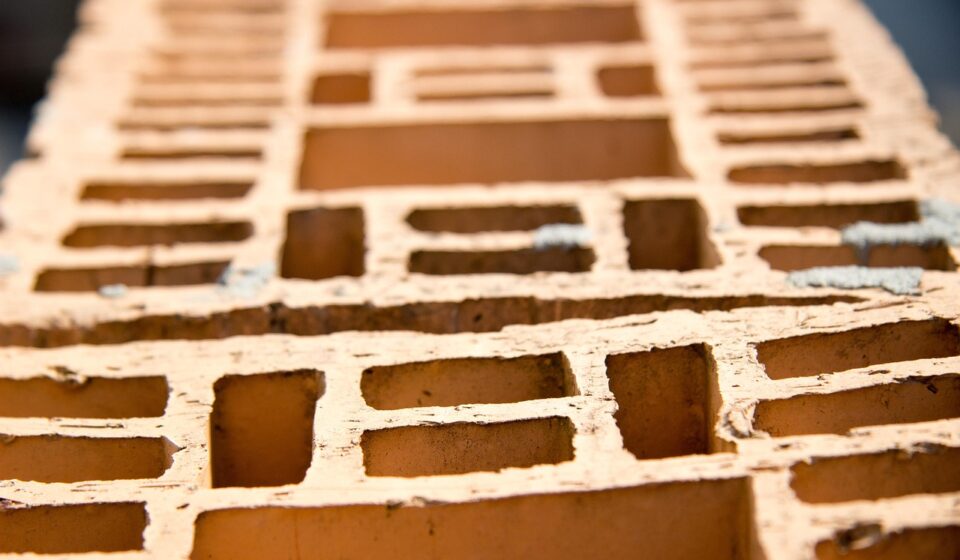
That matters because many materials in demolished or renovated buildings still have use value. Concrete, asphalt, wood, gypsum, steel, brick, and clay tile all appear in EPA’s construction and demolition categories, but not all are equally practical for direct reuse. A steel member may be reusable if it can be identified, inspected, and approved. Old-growth wood may have value as flooring, paneling, shelving, or exposed beams. Brick and stone can be durable, but mortar condition, freeze-thaw exposure, and cleaning methods affect whether they are suitable for the next use.
Embodied carbon is another reason reuse receives attention. Embodied carbon refers to greenhouse gas emissions associated with extracting, manufacturing, transporting, installing, maintaining, and disposing of materials. The Carbon Leadership Forum and other building-sector organizations have emphasized that material choices can strongly influence a project’s upfront carbon impact. Reusing a product may avoid some emissions from new manufacturing, but the benefit is not automatic. Long trucking distances, energy-intensive refinishing, high breakage rates, or code-driven replacement can reduce the advantage.
A balanced view is important. Reclaimed materials are strongest when they replace new materials with high manufacturing impacts, come from nearby sources, need modest processing, and can perform for a long service life. They are weaker when they create installation delays, fail inspection, or have to be discarded after purchase.
Where reclaimed materials work best
Reclaimed products are easiest to use when they are visible, non-structural, and easy to inspect. They become more complicated when they must carry loads, resist fire, meet energy codes, or connect to plumbing and electrical systems.
| Material | Common reuse applications | Key checks before use |
|---|---|---|
| Wood flooring and boards | Flooring, wall cladding, ceilings, furniture, trim | Moisture content, insect damage, old finishes, lead paint, nail removal, milling loss |
| Heavy timber | Exposed beams, mantels, shelving, non-structural accents, structural use with approval | Species, grade, cracks, previous notches, fastener holes, engineer review if load-bearing |
| Brick | Interior feature walls, paving, fireplaces where allowed, veneer | Mortar residue, spalling, absorption, freeze-thaw durability, suitability for exterior exposure |
| Stone | Pavers, steps, countertops, wall caps, landscape work | Cracks, thickness, slip resistance, staining, edge condition, weight and handling |
| Doors, trim, and hardware | Interior doors, millwork, cabinet pulls, decorative hardware | Lead paint, warping, missing parts, fire-rating requirements, accessibility and egress needs |
| Fixtures and equipment | Decorative lighting, sinks, tubs, selected cabinets | Listing labels, water efficiency, electrical safety, plumbing code, replacement parts |
Interior finishes are usually the most flexible category. Reclaimed wood paneling, shelving, trim, and decorative brick can add character while avoiding the stricter verification required for primary structure. Exterior uses need more caution because moisture, UV exposure, freeze-thaw cycling, and insect risk can shorten service life.
Code, safety, and health issues to verify early
The biggest mistake is treating reclaimed materials as automatically code-ready. They may be suitable, but proof matters. Building codes are adopted and enforced locally, so requirements vary by jurisdiction. For structural applications, reclaimed lumber and timbers may need species identification, grading, engineering evaluation, or approval from the authority having jurisdiction. The International Residential Code and International Building Code rely heavily on defined material properties and prescriptive tables; unverified reclaimed materials may fall outside those simple pathways.
Hazard screening is just as important. In the United States, lead-based paint is a major concern in buildings constructed before 1978, the year federal rules banned consumer use of lead-based paint in housing. EPA guidance for renovation and demolition work emphasizes lead-safe practices when disturbing painted components from older residential buildings. Reclaimed painted doors, windows, trim, siding, and flooring should be handled carefully until testing shows otherwise.
Asbestos is another concern, particularly in older flooring, adhesives, pipe insulation, roofing, siding, textured coatings, and fireproofing materials. EPA’s asbestos renovation and demolition guidance focuses on preventing fiber release and properly handling regulated asbestos-containing materials. For a reuse project, the practical conclusion is straightforward: do not salvage suspect materials casually. Use qualified inspectors and laboratories when age, product type, or site history suggests risk.
Other issues include mold, rot, insect infestation, chemical treatment, oil staining, creosote, persistent odors, and unknown industrial exposure. Reclaimed materials from barns, factories, rail facilities, warehouses, or agricultural buildings may carry contamination histories that are not visible in photos. Attractive patina is not a substitute for due diligence. See also: BUYER GUIDES.
How to buy reclaimed materials without creating project risk
Reclaimed materials often fail as a project strategy because procurement starts too late. Unlike commodity products, they may not be available in consistent dimensions, quantities, grades, or colors. A designer who specifies a uniform 2,000 square feet of matching reclaimed oak flooring may need to source early, allow for waste, and approve blend variation. A builder who buys a few attractive beams without confirming structural requirements may end up using them only as decorative wraps.
A practical purchasing checklist should include these steps:
- Define the application first. Decide whether the material is structural, weather-exposed, fire-rated, decorative, or purely temporary.
- Ask for source information. Useful details include the original building type, approximate age, prior use, location, and removal method.
- Confirm quantity and overage. Reclaimed products can have higher loss during cleaning, milling, cutting, and installation.
- Inspect condition in person when possible. Photos may hide cupping, checks, staining, insect trails, missing tongues, cracked brick, or inconsistent thickness.
- Plan for testing. Lead, asbestos, moisture, species identification, and structural grading may be necessary depending on the material and use.
- Coordinate with trades early. Installers need to understand fastener requirements, substrate tolerances, finishing methods, and whether dimensions are irregular.
- Document approvals. Keep receipts, test results, grade information, engineering letters, and code correspondence with the project file.
Cost should be evaluated as installed cost, not purchase price alone. Reclaimed materials may be cheaper, similar, or more expensive than new materials depending on scarcity, labor, transport, cleaning, denailing, milling, finishing, and waste. The right question is not whether reclaimed is always less expensive. It is whether the material delivers enough environmental value, design value, durability, or story to justify the total effort.
Design strategies that make reuse easier
Projects are more likely to succeed when the design adapts to the material instead of forcing reclaimed products to behave like new, uniform inventory. Flexible layouts, mixed-width flooring, blended brick colors, modular panel patterns, and visible variation can turn supply inconsistency into a design feature. Tight tolerances, large matching runs, and late-stage substitutions make reuse harder.
Design for future reuse is also part of the conversation. Mechanical fasteners, reversible connections, accessible assemblies, and clear product documentation make it easier to recover materials at the next renovation or demolition. EPA and circular construction guidance often emphasize design for disassembly because reuse depends on how buildings come apart, not only how they are built.
For commercial or institutional projects, reclaimed materials may also support green building documentation. USGBC’s LEED system has recognized salvaged, refurbished, and reused products within material-related credit pathways, although eligibility depends on the rating system version, credit option, documentation, and project type. Teams should confirm the applicable requirements before assuming a credit contribution.
When new materials may be the better choice
Reclaimed materials are not the answer to every specification. New products may be preferable for life-safety systems, fire-rated assemblies, high-performance windows, structural members without reliable documentation, exterior components in severe exposure, or products requiring current listings and warranties. A highly efficient new window may outperform a beautiful but leaky old sash in an energy-focused retrofit. New pressure-treated or naturally durable lumber may be more appropriate for ground-contact or deck applications than an unidentified salvaged board.
There is also a supply ethics question. Reclaimed materials should come from legal, transparent recovery, not from stripping culturally significant buildings without documentation or creating demand for avoidable demolition. The strongest reuse market is connected to careful deconstruction, adaptive reuse, surplus recovery, and responsible salvage, not unnecessary teardown.
Frequently asked questions
Are reclaimed building materials always sustainable?
No. They can be highly sustainable when they replace new materials, travel reasonable distances, need limited processing, and perform safely for a long time. They are less sustainable if they require excessive transport, create high waste, fail inspection, or introduce health hazards.
Can reclaimed lumber be used structurally?
Sometimes, but it should not be assumed. Structural use may require species identification, grading, engineering review, and approval by the local building official. Decorative use is usually simpler than load-bearing use.
What reclaimed materials should homeowners avoid?
Homeowners should be cautious with materials that may contain lead paint, asbestos, mold, rot, chemical contamination, or outdated electrical and plumbing components. Suspect materials should be tested or avoided.
Do reclaimed materials save money?
They can, but not always. The purchase price may be attractive, but labor for removal, cleaning, denailing, milling, transport, testing, and installation can change the total cost. Compare installed cost and risk, not only the unit price.
What is the easiest reclaimed material to start with?
Interior non-structural materials are often the easiest starting point. Examples include wood paneling, shelving, trim, decorative brick, hardware, and accent pieces. These uses usually involve fewer code complications than structural or exterior applications.
Bottom line
Reclaimed building materials work best when they are treated as a professional material category, not as random leftovers. The opportunity is real: less waste, lower demand for new resources, distinctive design, and a stronger link between old buildings and new spaces. The limitations are also real: code approval, hazards, inconsistent supply, hidden labor, and uncertain performance. The most successful projects start with the intended use, verify the material, document the decision, and design with the character of reuse rather than against it.