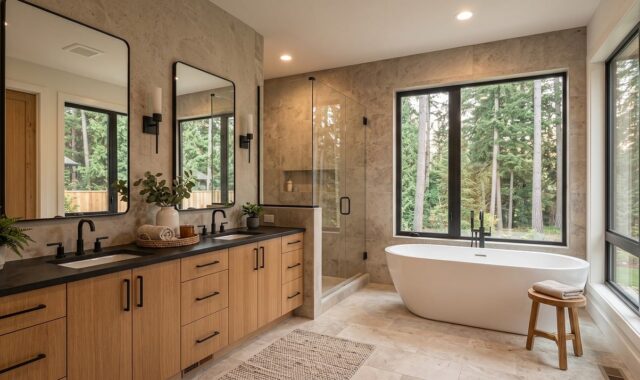
Concrete wall finish interior options for modern spaces
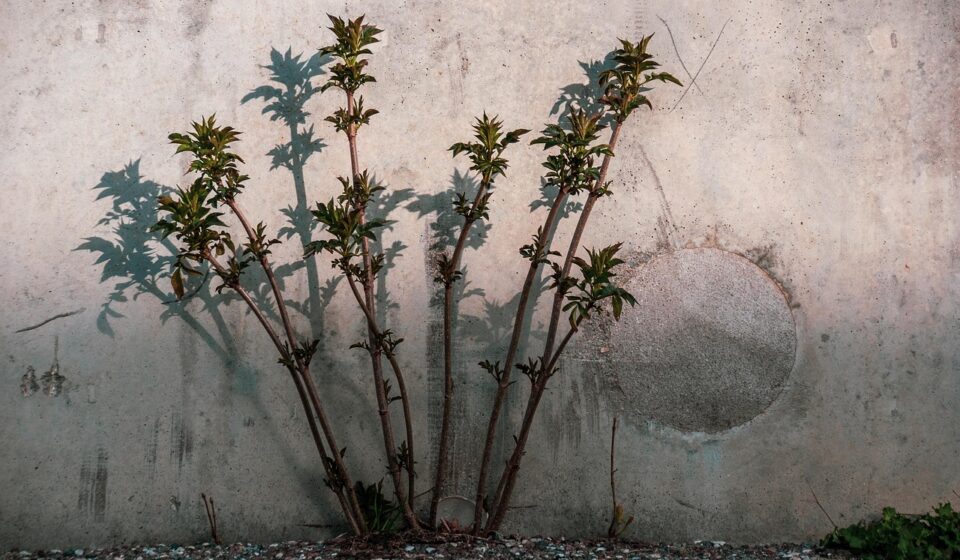
What a concrete wall finish means indoors
An interior concrete wall finish is not a single product category. In design and construction documents, it may mean exposed cast-in-place concrete, a Portland cement-based plaster, a thin microcement overlay, a mineral plaster with a concrete effect, or a decorative coating that only imitates concrete. The right choice depends less on the word “concrete” and more on the wall substrate, durability requirements, desired texture, moisture exposure, indoor air quality priorities, and the level of natural variation the owner will accept.
A useful specification starts with one basic question: is the wall itself concrete, or is the project trying to create the look of concrete over drywall, masonry, tile, or an older painted surface? Once that is clear, the finish can be matched with the right preparation, primer, reinforcement, sealer, and maintenance plan. For more finish ideas across walls, floors, and surfaces, browse the Interior Finishes category.

Main interior concrete wall finish options
Interior concrete-look walls fall into several practical groups. Some are structural surfaces left visible; others are decorative layers applied over another base. They should not be treated as interchangeable, because each option responds differently to movement, moisture, lighting, impact, and daily cleaning.
| Finish type | Best use | Main strengths | Key limits |
|---|---|---|---|
| Exposed cast concrete | New construction, architectural walls, loft-style interiors | Authentic material, strong visual depth, can show formwork pattern | Must be planned before the concrete is poured; repairs and tie holes may remain visible |
| Smooth rubbed or sack-rubbed concrete | Visible structural concrete that needs a more uniform surface | Softens form marks and small surface irregularities | Still depends on the quality of the original casting |
| Portland cement-based plaster | Masonry, concrete, or properly prepared solid bases | Durable mineral surface with real cement content | Requires correct base preparation, curing, and thickness control |
| Microcement or microtopping | Renovations, feature walls, bathrooms when used with a complete waterproofing system | Thin, seamless, modern, often suitable over existing substrates | Relies heavily on primer, mesh where required, skilled trowel work, and sealer |
| Lime or mineral plaster with concrete effect | Living rooms, bedrooms, hospitality interiors | Soft movement, matte mineral character, less industrial than raw concrete | May not be suitable for wet or high-abrasion areas without the right protective system |
| Concrete-look paint or coating | Budget-conscious feature walls and low-contact areas | Lower build-up, easier color control, usually faster installation | Less depth and impact resistance than plaster or cement-based systems |
The most authentic option is exposed structural concrete, but it is also the least forgiving. The final appearance is affected by formwork, release agents, consolidation, patching, curing, and any rubbed finish applied after form removal. Microcement and decorative plasters are different: they are design finishes placed on top of a prepared wall. They can give more control in renovation work, but they should not be specified as if they were structural concrete.
Substrate preparation determines the result
Most failures in interior concrete wall finishes start before the visible coat is applied. Dust, laitance, curing compounds, old coatings, oil, efflorescence, loose paint, and moisture movement can all weaken adhesion. Industry references such as ASTM C926 for Portland cement-based plaster and ICRI guidance for concrete surface profiles point to the same principle: the base must be sound, clean, and prepared for the selected system.
For solid concrete or masonry, preparation may include mechanical cleaning, abrasion, filling voids, correcting cracks, and creating enough surface profile for the coating or plaster being used. A thin decorative coating usually needs a finer profile than a thicker overlay, but it still needs adequate grip. For existing painted walls, the key question is whether the old paint is strong enough to become part of the new assembly. If it is chalking, peeling, glossy, contaminated, or poorly bonded, covering it with a concrete-look finish only hides the risk for a short time.
Drywall needs separate review. Many concrete-effect finishes can be applied over gypsum board only when the board is stable, properly jointed, primed, and compatible with the manufacturer’s system. Heavy cement plaster should not be assumed suitable for drywall unless the assembly is specifically designed for it. In wet areas, the wall has to be treated as a waterproofing and detailing issue, not just a decorative surface.
Texture, sheen, and lighting change the appearance
Concrete finishes are often selected from photographs, but photographs do not show scale, touch, or grazing light accurately. A matte troweled wall may feel soft and architectural in a bedroom. The same gray tone under strong side lighting may reveal every pass of the trowel. A burnished finish can look refined in a lobby, yet emphasize scratches or uneven substrate preparation in a narrow corridor.
Common interior textures include smooth trowel marks, clouded mineral movement, board-formed impressions, cast-in-place form lines, rubbed concrete, and subtle sand-textured plaster. Designers should decide early whether variation is part of the design or a defect to be minimized. Natural cement and mineral finishes will usually show tonal movement. If the target is a perfectly flat, uniform gray field, a high-quality coating may be more predictable than a hand-applied plaster.
Mockups are especially important. A small sample board can confirm color and texture, but a wall-size sample is more useful for projects with strong daylight, wall washing, or long sightlines. Architectural concrete standards such as ACI specifications distinguish among different surface expectations, which is why drawings and finish schedules should describe the intended appearance rather than simply saying “concrete finish.”
Sealers, VOCs, and indoor air quality
Most interior concrete wall finishes need some level of protection. Sealers help manage dusting, staining, water absorption, and cleanability. The choice is usually between penetrating sealers, film-forming coatings, waxes, or integrated topcoats supplied as part of a microcement or plaster system. The more porous and matte the surface is, the more vulnerable it may be to oils, fingerprints, and splash marks.
Indoor air quality should be considered when selecting primers, sealers, and coatings. U.S. EPA guidance identifies paints, lacquers, cleaning supplies, building materials, and furnishings as possible sources of volatile organic compounds. The agency also notes that low- and no-VOC coatings are available, while product labels and certification programs may not describe every emission relevant to indoor air. In practice, specifiers should review technical data sheets, safety data sheets, VOC information, cure times, ventilation requirements, and local code expectations before installation.
Water-based and low-odor products are often preferred indoors, but “low VOC” should not be treated as a complete performance specification. A sealer still has to match the wall finish, desired sheen, cleaning method, and moisture exposure. In bathrooms, kitchens, restaurants, and commercial corridors, stain resistance and maintenance can be as important as the initial appearance.
Where interior concrete wall finishes work best
Concrete wall finishes work best when they support the room’s architecture instead of acting as a surface trend added at the end. A single feature wall behind a reception desk, fireplace, bed, stair, or retail display can add depth without making the entire room feel heavy. In open-plan spaces, a mineral gray wall can visually anchor timber, stone, metal, and soft textiles. See also: BUILDING MATERIALS.
In residential interiors, concrete-look walls suit living rooms, kitchens, powder rooms, entryways, and bedrooms when the texture is balanced with warmer materials. In commercial interiors, they are often used in hospitality, offices, showrooms, and wellness spaces because they suggest permanence without relying on pattern-heavy decoration.
Wet zones require more caution. A decorative cement finish on its own should not be assumed waterproof. Shower walls, tub surrounds, backsplashes, spa rooms, and commercial washrooms need a complete system that accounts for waterproofing, corners, penetrations, substrate movement, drainage, compatible sealers, and maintenance access. The visible finish is only the last layer of that assembly.
Maintenance and repair expectations
A concrete wall finish can be durable, but it is not maintenance-free. Matte mineral surfaces may mark from hand oils and cleaning chemicals. Film-forming sealers may scratch, haze, or wear differently at corners and high-touch areas. Microcement systems may require resealing at intervals determined by the manufacturer, traffic level, and cleaning routine.
Routine care is usually straightforward: dust with a soft cloth, clean with a pH-neutral product recommended for the sealer, and avoid abrasive pads unless the finish supplier approves them. Strong acids, alkaline cleaners, bleach, and solvent cleaners can damage some sealers or alter the sheen. In commercial projects, maintenance instructions should be handed over at completion, not discovered after the first stain.
Repairs are possible, but they may remain visible. Hand-applied finishes develop color and movement in layers, so a small patch may not blend perfectly with the surrounding wall. Exposed structural concrete is even harder to repair invisibly because the original color, aggregate, formwork, and curing history cannot be fully recreated. Expectations should be set early: small variations, hairline movement, tie holes, and trowel marks may be part of the intended aesthetic.
Decision checklist before choosing a system
- Identify the substrate. Concrete, masonry, drywall, tile, and painted plaster all need different preparation.
- Decide whether authenticity matters. Exposed concrete, cement plaster, microcement, and concrete-look paint do not deliver the same depth or durability.
- Confirm moisture exposure. Dry feature walls and shower walls require very different assemblies.
- Request a mockup. Review color, texture, sheen, and lighting before approving a full wall.
- Specify the sealer. The topcoat affects cleanability, stain resistance, gloss, and indoor air considerations.
- Plan movement and cracks. Existing cracks, control joints, corners, and transitions need detailing rather than cosmetic hiding.
- Ask for maintenance instructions. The wrong cleaner can change the appearance of a mineral or sealed finish.
The best concrete wall finish is not always the hardest or most expensive option. It is the system that fits the room, the base wall, the expected wear, and the owner’s tolerance for natural variation. When those conditions are aligned, concrete finishes can give interiors a calm, architectural surface that feels more permanent than paint and less visually busy than many wall coverings.
Frequently asked questions
Is microcement the same as concrete?
No. Microcement is a thin decorative coating system with cementitious and polymer components, applied over a prepared substrate. Concrete is a structural material placed in thicker sections. Microcement can create a concrete-like surface, but its performance depends on the full system, including primer, reinforcement, topcoat, and sealer.
Can a concrete wall finish be applied over drywall?
Some concrete-look plasters, microcement systems, and decorative coatings can be applied over drywall when the wall is stable, properly jointed, primed, and approved for the system. Full cement plaster or heavy overlays should not be assumed suitable without checking the assembly requirements.
Do interior concrete wall finishes crack?
They can. Cracking may come from substrate movement, building settlement, thermal changes, poor preparation, or applying a rigid finish over an unstable base. Flexible detailing, reinforcement where specified, and respecting existing joints can reduce risk, but no finish can make a moving wall completely static.
Does a concrete wall finish need sealing?
Most interior concrete and cement-based decorative finishes benefit from sealing. The sealer helps control dusting, staining, water absorption, and cleanability. The correct product depends on whether the wall needs a matte, satin, or glossier appearance and how much contact or moisture it will receive.
Is a concrete finish a good choice for bathrooms?
It can be, but only as part of a complete wet-area system. A bathroom wall finish must address waterproofing, corners, penetrations, ventilation, compatible sealers, and cleaning. A decorative cement surface alone should not be treated as a waterproof membrane.