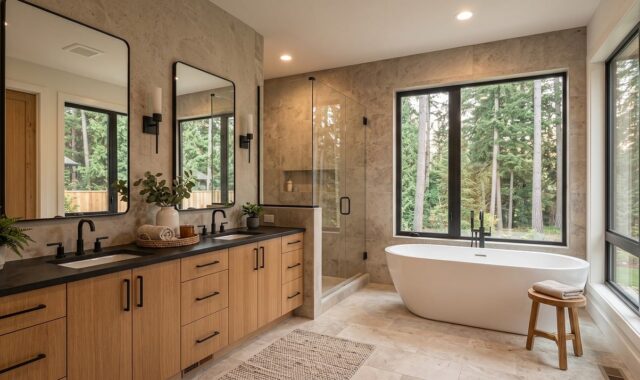
Interior design finishing touches that make a room feel complete

Interior design finishing touches are the visible decisions made after the main furniture, surfaces and layout are in place. They include lighting layers, textiles, art, styling objects, hardware, plants, scent, organization and basic safety checks. Done well, these details do more than decorate. They clarify how the room is used, correct visual imbalance, improve comfort and connect the space to the people who live with it. A room often feels unfinished not because it needs more items, but because its details are poorly scaled, under-lit, uneven or disconnected from the finishes already installed.
What counts as a finishing touch in interior design
Finishing touches sit between decoration and performance. They are usually added after flooring, wall finishes, cabinetry, large furniture and major fixtures have been selected, but they still affect how a room works every day. A sofa may define a seating area, but pillows, throws, side tables, lamps and art determine whether that area feels useful, warm and visually complete.
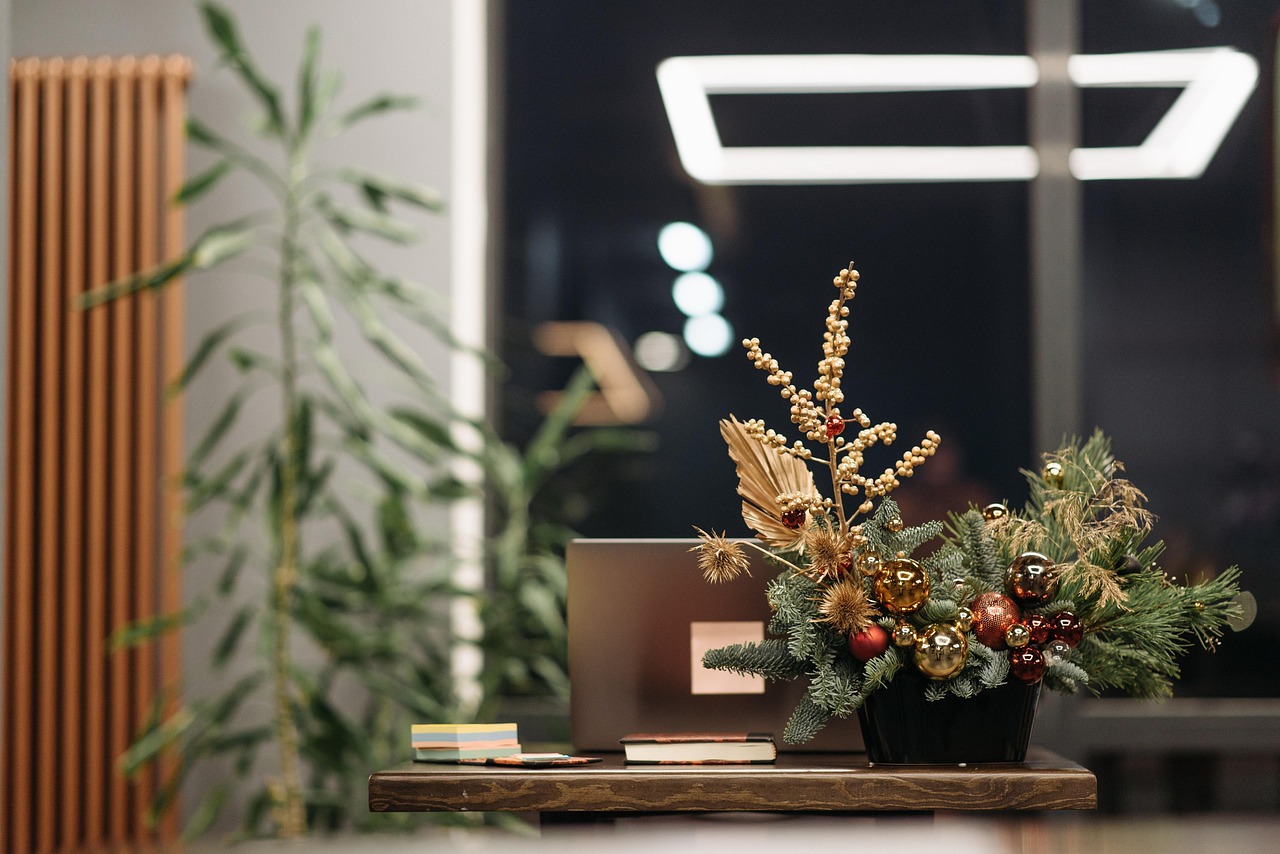
Common finishing touches include:
- Accent lighting, lamps, dimmers and decorative shades.
- Rugs, cushions, throws, bedding, curtains and other textiles.
- Artwork, mirrors, picture lights and frames.
- Cabinet pulls, door hardware, switch plates and small metal details.
- Vases, trays, books, bowls, ceramics and sculptural objects.
- Plants, branches, flowers and natural materials.
- Storage baskets, cable management and entryway organizers.
- Comfort details such as a reading lamp, a landing tray or a better bedside surface.
The distinction is intent. A random object on a shelf reads as clutter. An object chosen for scale, color, texture or function can complete the composition. Good styling makes a room easier to read: it shows where the eye should pause, which surfaces matter and how the space is meant to be used.
Start with the room’s existing finishes
Before buying accessories, assess the permanent and semi-permanent elements already in the room. Flooring, tile, wall color, trim, countertops, cabinetry and built-ins create the visual base. Finishing touches should respond to those materials rather than compete with them. In a room with warm oak flooring, for example, repeating that warmth in a frame, woven tray or leather detail can make the design feel more settled. In a room with cool stone or gray tile, warmer textiles may keep the space from feeling flat.
This is where interior finishes and decoration overlap. Surface materials establish the palette, while details control mood and usability. For more ideas on material-driven interiors, visit the INTERIOR FINISHES section.
A useful starting exercise is to identify three existing cues:
- The dominant color temperature. Is the room mainly warm, cool or neutral?
- The strongest texture. Is the surface language smooth, matte, glossy, grainy, woven or stone-like?
- The visual weight. Are the main pieces heavy and grounded, or light and open?
Finishing touches can reinforce those cues or create controlled contrast. A linen curtain can soften hard flooring and metal-framed furniture. A black picture frame can sharpen a pale room. A polished brass pull can add warmth to painted cabinetry. The goal is not to match every item, but to make each item feel part of the same design conversation.
Use lighting as the first finishing layer
Lighting is often treated as a technical decision, but it is one of the strongest finishing tools in a room. Public lighting guidance and professional design practice commonly distinguish between ambient, task and accent lighting. A single overhead fixture may make a room visible, but it rarely makes the room feel complete.
Think of lighting in three jobs:
- Ambient lighting provides general illumination so people can move through the space safely.
- Task lighting supports specific activities such as reading, cooking, applying makeup, working or folding laundry.
- Accent lighting highlights art, shelving, texture, architectural features or a seating corner.
For finishing purposes, task and accent lighting usually have the greatest visual impact. A lamp beside a chair signals that the chair is meant for reading. A picture light gives art more presence. Under-cabinet lighting turns a kitchen backsplash from a background surface into a visible design feature. A low lamp on a console can make an entry feel welcoming at night.
When editing a room, check whether light comes from more than one height. Rooms lit only from the ceiling can look harsh, especially in the evening. A mix of ceiling lights, table lamps, floor lamps, sconces and concealed sources creates depth. Dimmers are also valuable because the right brightness changes by time of day, task and mood.
Choose textiles that add scale, softness and control
Textiles are finishing touches with practical value. They absorb sound, soften hard edges, add color and help define zones in open-plan spaces. Rugs, curtains, cushions, throws, bedding and upholstered pieces can make a room feel more comfortable without changing the architecture.
Scale matters more than quantity. A small rug floating under a coffee table can make a seating area feel disconnected. A larger rug that reaches under the front legs of seating pieces usually creates a more complete grouping. Curtains that sit too low or too narrow can make windows look smaller, while fuller panels mounted with considered proportions can make a room feel taller and more generous.
Textiles also allow controlled seasonal updates. A neutral room can shift with a rust-colored throw, a striped cushion, a heavier winter curtain or a lighter linen layer. To keep the change integrated, repeat at least one color, texture or material elsewhere in the room.
| Textile detail | Design role | Common mistake |
|---|---|---|
| Area rug | Defines a zone and adds acoustic softness | Choosing a rug too small for the furniture group |
| Curtains | Controls light, privacy and vertical emphasis | Mounting hardware without considering height and fullness |
| Pillows | Adds color, pattern and comfort | Using too many similar sizes or unrelated patterns |
| Throws | Adds softness and casual warmth | Using them only as decoration with no functional placement |
Style surfaces with restraint and purpose
Shelves, consoles, coffee tables, mantels and bedside tables are where finishing touches can either elevate a room or overwhelm it. Strong surface styling leaves enough negative space for the eye to rest and enough practical space for daily use. A coffee table still needs room for a cup. A bedside table still needs space for a book, phone or glass of water.
A reliable approach is to combine variation with repetition. Use different heights, shapes and textures, but repeat a color, material or theme. A stack of books, a ceramic bowl and a small plant can work together because they vary in form while sharing a restrained palette. On a shelf, a vertical object, a horizontal stack and a sculptural piece can create rhythm without looking crowded.
Use the rule of visual weight
Visual weight is how heavy an object feels to the eye. Dark colors, large shapes, glossy surfaces and dense patterns usually feel heavier than pale, slim or transparent pieces. If one side of a console has a tall lamp, the other side may need a lower but visually substantial object, such as a bowl, framed artwork or grouped books, to feel balanced. See also: BUILDING MATERIALS.
Avoid the showroom effect
A finished room should not look as if every object came from the same shelf on the same day. Mix new pieces with personal objects, vintage items, handmade ceramics, travel pieces, family photos or meaningful books. This does not require clutter. One personal item placed well often adds more character than a dozen generic accessories.
Make art, mirrors and hardware work harder
Art and mirrors are not afterthoughts. They control focal points, scale and reflected light. A common problem is hanging art too high or choosing pieces too small for the wall or furniture below. As a general design principle, art should relate to the furniture, wall area or architectural feature near it. A tiny frame centered over a large sofa rarely feels resolved, while a larger piece or a balanced grouping can anchor the composition.
Mirrors should be placed for what they reflect, not just to fill a blank wall. A mirror reflecting a window, textured wall, pendant light or greenery can expand the feeling of a room. A mirror reflecting clutter, a dark corner or a busy work surface may have the opposite effect.
Hardware is another compact but powerful finishing category. Cabinet knobs, pulls, hinges, hooks, door levers and switch plates are touched every day, so they influence both appearance and user experience. Replacing hardware can update a kitchen, bathroom, laundry room or built-in storage area without changing the main cabinetry. The finish does not have to match every metal in the room, but it should relate to at least one other element, such as lighting, plumbing fixtures or furniture legs.
Include safety, air quality and maintenance in the final edit
Finishing touches should improve a room without creating avoidable problems. Public safety guidance in the United States has repeatedly emphasized anchoring furniture and televisions that may tip, especially in homes with children. Tall bookcases, dressers, storage units and media furniture should be assessed before they are styled with heavy objects. Even a well-designed room fails if it is unsafe.
Indoor air quality is another practical consideration. Guidance from the U.S. Environmental Protection Agency identifies paints, adhesives, finishes, building materials and furnishings as possible sources of volatile organic compounds. When final touches include fresh paint, sealants, new composite-wood furnishings, rug pads or strong-scented products, ventilation and manufacturer instructions matter. This is especially relevant in small rooms, nurseries, bedrooms and spaces with limited airflow.
Maintenance should also shape the final selection. A delicate white rug may be wrong for a muddy entry. Open shelving may not suit a household that dislikes dusting. A sculptural lamp may look good but perform poorly if it cannot light the task beside it. The best finishing touches fit the actual life of the room.
A practical checklist for finishing a room
Use this checklist after the large pieces are in place but before adding more accessories. It helps identify what the room actually needs.
- Purpose: Can a visitor understand what the room is for within a few seconds?
- Focal point: Is there a clear place for the eye to land?
- Lighting: Does the room have ambient, task and accent light where needed?
- Scale: Are rugs, lamps, art and tables proportionate to the main furniture?
- Texture: Does the room include a mix of smooth, soft, matte, reflective or natural surfaces?
- Color connection: Do accent colors repeat in at least two or three places?
- Function: Are everyday actions supported by surfaces, storage and light?
- Safety: Are tall or unstable furniture pieces anchored where appropriate?
- Air and comfort: Have new paints, adhesives, finishes or strongly scented products been ventilated properly?
- Edit: Is there enough negative space, or has styling turned into clutter?
If the room still feels unfinished, resist buying a full set of accessories immediately. First, photograph the space from the doorway and from the main seating position. Photos often reveal imbalance quickly: a bare corner, a too-small lamp, a wall without scale, a rug that stops short, or a shelf with too many small objects and not enough structure.
Frequently asked questions
What is the most important finishing touch in a room?
Lighting is often the most important because it changes how every surface, color and object appears. A well-layered lighting plan can make modest furnishings feel considered, while poor lighting can make expensive finishes look flat or uncomfortable.
How many finishing touches should a room have?
There is no fixed number. The right amount depends on the room’s size, function, storage needs and visual style. A minimal room may need only art, one strong lamp and a textured rug. A layered traditional room may support more objects, textiles and framed pieces. The test is whether each detail improves comfort, balance or meaning.
Should finishing touches match the furniture?
They should relate, but they do not need to match exactly. Rooms usually feel more natural when details share a limited palette, repeated material or consistent mood while still allowing contrast. Matching every item can make a space feel flat.
What finishing touches make a home feel more personal?
Personal books, collected objects, family photos, handmade pieces, original art, inherited furniture and items connected to travel or hobbies can all add identity. Use them selectively and give them good placement so they read as intentional rather than accidental storage.
How do I know when a room is finished?
A room is finished when it supports daily use, has balanced light, includes texture and scale, avoids obvious gaps and still leaves room to breathe. It should feel comfortable from the doorway, from seated positions and during the time of day when the room is used most.