Interior wall finishes and how to choose the right surface for each room
What counts as an interior wall finish?
An interior wall finish is the exposed surface applied over a wall assembly. Common examples include paint, plaster, wallcovering, tile, paneling, stone veneer, acoustic fabric and similar finish systems. Selection should not stop at the best-looking sample. The finish has to suit the room’s moisture level, cleaning routine, impact risk, lighting conditions, indoor air goals, substrate condition and any fire-performance requirements that apply to the project. For readers comparing materials across residential, retail, hospitality or office work, this guide focuses on how to narrow the options before a specification is locked in. For more related coverage, visit our Interior finishes section.
The practical takeaway is simple: paint is the most flexible baseline, tile and slab finishes are strongest in wet or high-cleaning zones, wallcovering and panels add design impact, and specialty plaster or mineral finishes work best when the substrate and installer skill can support the desired result.
Main interior wall finishes compared
Most projects use a mix of finishes rather than one surface everywhere. A bedroom may rely on paint, a powder room may use wallpaper above wainscot, a hotel corridor may combine Type II wallcovering with impact-resistant base protection, and a bathroom wet wall may require tile or slab over a waterproofing system. The table below compares common options by practical use, not style alone.
| Finish type | Where it usually works well | Main advantage | Watch point |
|---|---|---|---|
| Paint and coatings | Living rooms, bedrooms, offices, ceilings, service areas | Low disruption, broad color range, easy touch-up | Sheen, dark colors and critical lighting can reveal poor drywall finishing |
| Decorative plaster, limewash and mineral finishes | Feature walls, calm residential interiors, hospitality spaces | Depth, texture and a hand-applied look | Installer skill and substrate preparation strongly affect the result |
| Wallpaper and commercial wallcovering | Powder rooms, bedrooms, lobbies, corridors, retail settings | Pattern, brand expression and visual warmth | Seams, adhesive, cleanability and fire classification need review |
| Ceramic, porcelain, glass or stone tile | Bathrooms, kitchens, backsplashes, laundry rooms, food-service areas | Moisture tolerance and cleanability when installed as a system | The tile surface is not a substitute for correct substrate and waterproofing details |
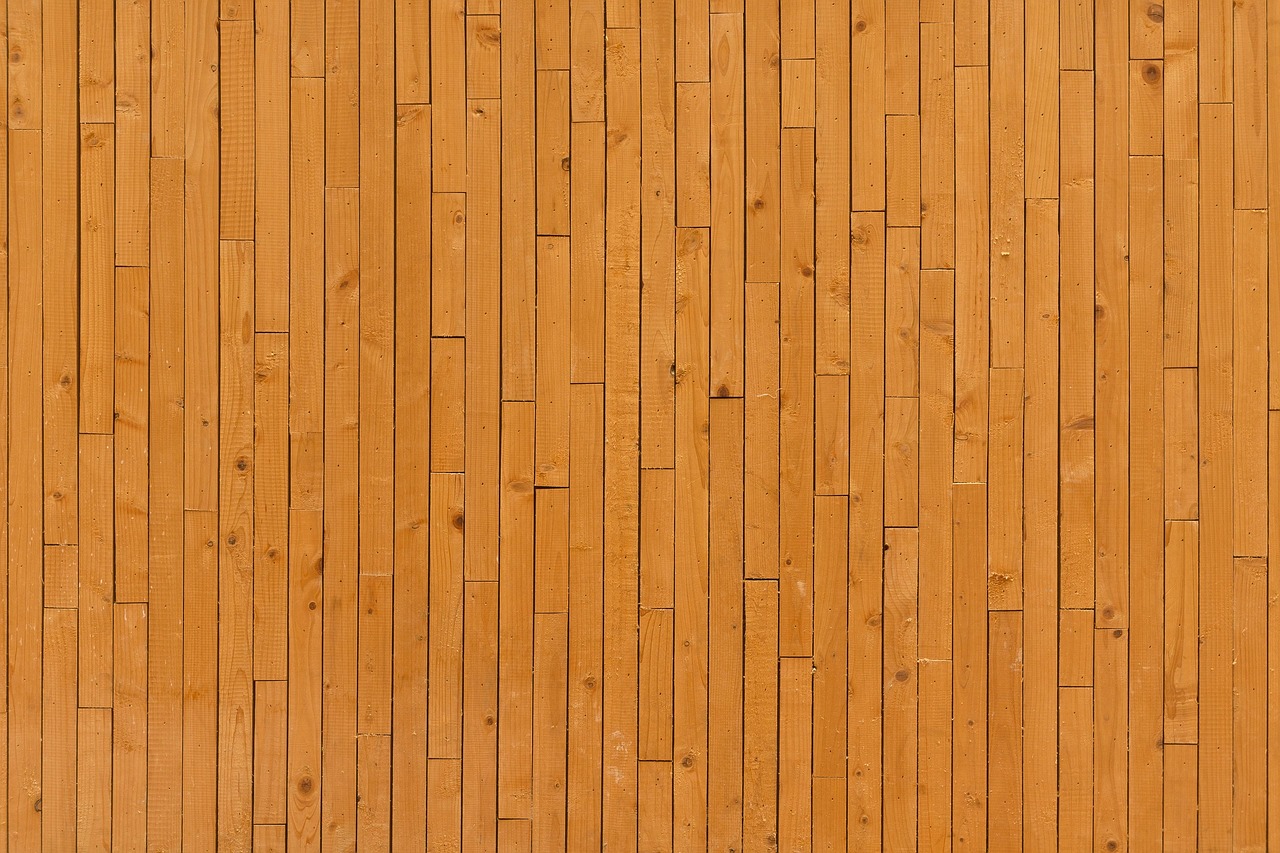
| Wood, veneer, laminate or solid-surface panels | Reception walls, wainscot, headboards, conference rooms, hospitality interiors | Warmth, impact protection and a built-in architectural appearance | Movement, panel consistency, edge detailing and code compliance must be addressed |
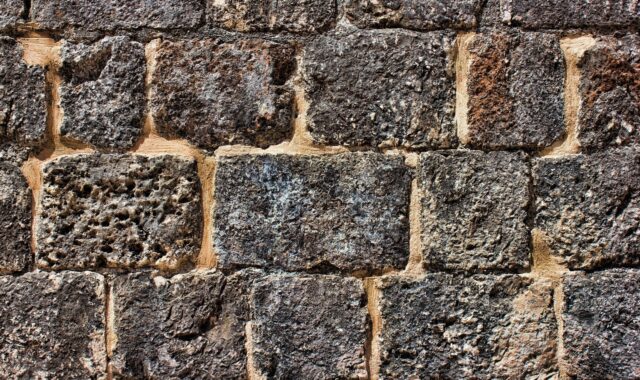
| Brick, stone or concrete veneer | Feature walls, restaurants, retail, loft-style interiors | Texture, durability and perceived permanence | Weight, anchors, transitions and surface porosity can complicate installation |
| Fabric and acoustic wall panels | Media rooms, offices, hospitality, education and meeting spaces | Sound absorption and softness | Stain resistance, replacement strategy and fire documentation are important |
Performance filters to apply before choosing a style
Fire and smoke performance
In many commercial and multifamily settings, interior wall and ceiling finish materials are not selected by appearance alone. The International Building Code Chapter 8 addresses flame spread and smoke development for interior finish materials, and ASTM E84 is a common test method used to evaluate surface burning characteristics. The required classification can depend on occupancy, building area and location within the building, so the finish schedule should be checked against the locally adopted code edition rather than assumed from a catalog image. (codes.iccsafe.org)
This matters for wood paneling, fabric panels, vinyl wallcovering, high-pressure laminate, foam-backed products and decorative ceiling-wall combinations. A material that is acceptable in a private residence may need additional documentation for a hotel corridor, school, healthcare space or exit path. Specification language should identify the tested assembly, substrate and installation condition, not only the decorative face material.
Indoor air and VOC considerations
Paints, varnishes, waxes, solvents, adhesives and some building materials can release volatile organic compounds during use and, in some cases, after installation. EPA guidance notes that indoor levels of several common organic pollutants have been measured higher than outdoor levels, and it recommends increasing ventilation when using products that emit VOCs. USGBC LEED v4.1 low-emitting material criteria also distinguish between VOC emissions evaluation and VOC content evaluation for site-applied interior paints, coatings, adhesives and sealants. (epa.gov)
For specification purposes, low-odor is not the same as low-emitting. A stronger submittal asks for the relevant emissions test, VOC content documentation, installation ventilation plan and curing period before occupancy. This is especially relevant in bedrooms, schools, hotels, healthcare spaces and tightly sealed buildings where occupants may move in soon after finishing.
Moisture, mold and cleaning
Moisture exposure should be sorted before color, pattern or texture. EPA remodeling guidance identifies excess moisture as a contributor to mold, mildew and other biological growth, and it also links poor drying of building cavities to rot, structural damage and premature paint failure. In tile work, the 2026 TCNA Handbook description emphasizes wet-area guidance, substrate preparation and recognized installation standards for ceramic, glass and stone tile. (epa.gov)
In bathrooms, laundry rooms, kitchens and entries, the wall finish is only one part of moisture control. Tile, stone or slab can be highly cleanable, but seams, penetrations, backer boards, membranes and transitions determine whether water is managed correctly. In splash zones, avoid relying on decorative paint, ordinary wallpaper or untreated wood as the primary defense against water.
Substrate, lighting and finish level
A high-end finish can fail visually if it is installed over the wrong level of drywall preparation. Gypsum Association GA-214-2021 describes levels of finish for gypsum panel products before final decoration. Level 4 is typically used for smooth wall designs with flat paints, light textures or wallcoverings, while Level 5 is typically specified for non-flat paints, glossy decorative finishes, dark or deep-tone paints and critical lighting. The same document warns that strong side lighting can exaggerate minor surface differences. (americangypsum.com)
This is why a finish sample alone is not enough. A matte paint in a north-facing bedroom may be forgiving, while the same wall under grazing light from a large window can expose taped joints. Gloss paint, polished plaster, thin wallpaper and dark colors generally require more careful preparation than textured coatings or heavier commercial wallcovering.
Choosing finishes by room and project type
Dry residential rooms
Living rooms, bedrooms and home offices usually offer the widest finish range. Paint remains the default because it can be refreshed without changing the wall assembly. Decorative plaster, limewash and mineral coatings add variation and movement when a room needs a softer or more crafted surface. Wallpaper works well for accent walls, powder rooms and bedrooms where pattern is part of the design intent.
In these rooms, the key decision is often visual tolerance rather than heavy-duty durability. If the design uses wall washers, sconces, glossy trim paint or dark colors, mock-ups and better substrate preparation are worth budgeting for. If the room will be rented, frequently repainted or staged for resale, a durable washable paint system may outperform a more delicate decorative finish.
Bathrooms, kitchens and laundry areas
Wet and splash-prone spaces narrow the field. Ceramic or porcelain tile, glass tile, stone slab, solid-surface panels and carefully specified high-performance coatings are more appropriate near showers, tubs, sinks and cooking areas. Wallpaper can work in powder rooms or controlled areas, but steam, splashing, poor ventilation and edge lifting can become problems in full bathrooms.
The practical question is not simply whether a product is water-resistant. It is whether the complete wall system can manage liquid water, water vapor, cleaning chemicals and repeated temperature changes. Grout, sealants, corner transitions, penetrations and exhaust ventilation should be reviewed before the decorative surface is approved.
Commercial, hospitality and public interiors
Hotels, offices, restaurants, schools and retail spaces often need finishes that can withstand abrasion, luggage, carts, furniture movement and frequent cleaning. Commercial wallcovering, laminate panels, wood veneer panels, tile, impact-resistant wainscot and acoustic panel systems are common because they can combine design identity with durability.
The trade-off is documentation and long-term maintenance planning. Fire classification, smoke development, cleanability, replacement dye lots, corner guards, adhesive compatibility and maintenance instructions may all affect the final selection. For brand-driven interiors, it is also wise to keep attic stock or replacement material because discontinued patterns and color shifts can make later repairs obvious. See also: BUILDING MATERIALS.
Cost and maintenance are lifecycle questions
Installed cost is more than the price of the visible material. A fair comparison includes surface preparation, primer, specialty labor, adhesive, underlayment, waterproofing, trims, transitions, scaffolding, protection, drying time, waste, attic stock and future repair. Paint often has the lowest entry cost, but it may need more frequent repainting in corridors or rental units. Tile and slab finishes cost more to install, but they can reduce maintenance in wet or high-cleaning zones. Wallcovering can create a strong design effect quickly, but damaged sections may be harder to patch invisibly.
Maintenance should be part of the selection process. Confirm how the finish is cleaned, what chemicals are allowed, whether spot repairs are possible, whether the surface can be recoated, and what happens when one panel or roll section is damaged. A finish that looks economical on day one may be expensive if it requires specialized repair every time furniture hits it.
- For low-change spaces: invest in durable surfaces and careful detailing.
- For trend-sensitive spaces: choose finishes that can be repainted, recovered or removed without major demolition.
- For rental or hospitality settings: prioritize repeatable repairs, standard colors and available replacement material.
- For luxury residential projects: budget for mock-ups, lighting review and installer coordination.
A practical specification checklist
Before approving interior wall finishes, use a checklist that connects design intent to performance. This reduces late substitutions and helps avoid the common problem of selecting a finish that looks right but does not suit the room.
- Define the room use, expected traffic, impact risk and cleaning frequency.
- Identify moisture exposure, including splashing, condensation, steam and nearby plumbing.
- Confirm the substrate and required preparation level before pricing the finish.
- Check whether fire and smoke documentation is required for the occupancy or location.
- Request VOC emissions and VOC content documentation where indoor air goals apply.
- Review edges, outside corners, inside corners, reveals, base conditions and penetrations.
- Build a mock-up under final or representative lighting before full installation.
- Collect maintenance instructions, repair methods and attic stock recommendations.
The checklist becomes more important when finish types meet. A tile wall meeting a painted ceiling, a wood panel meeting gypsum board, or a fabric panel meeting a corridor corner creates transition points where cracking, staining, impact damage and visual misalignment are more likely to appear.
Common mistakes to avoid
Choosing sheen before substrate quality. Glossy paint and polished finishes can look refined, but they reveal imperfections more readily than matte or textured finishes. Decide the drywall finish level and lighting conditions before approving sheen.
Treating water-resistant as waterproof. A durable face material does not automatically protect the wall cavity. Wet areas need compatible substrates, membranes, sealants and ventilation.
Ignoring the installation assembly. Fire, acoustic and moisture performance often depend on the whole assembly. The tested or recommended substrate, adhesive, backing and fastening method should match the real installation.
Forgetting replacement planning. Patterned wallcovering, natural veneer, stone and custom panels may not match later batches. Attic stock and clear repair zones can prevent future maintenance problems.
Using one finish everywhere. A consistent look is useful, but walls do different jobs. Public corridors, shower walls, feature walls and bedrooms rarely need the same surface performance.
Frequently asked questions
What is the most versatile interior wall finish?
Paint is usually the most versatile because it works in many dry rooms, offers a wide color range and can be refreshed without replacing the wall surface. Its success still depends on primer, sheen selection, substrate preparation and ventilation during application.
Which wall finish is better for bathrooms?
In direct wet areas, tile, slab, glass or solid-surface systems are generally more appropriate than ordinary paint or wallpaper. Outside splash zones, high-quality coatings may work when ventilation is good and the wall assembly is protected from condensation and leaks.
Do interior wall finishes affect indoor air quality?
They can. Site-applied paints, coatings, adhesives and sealants may release VOCs, so specifications should consider emissions documentation, VOC content, ventilation and curing time before occupancy. (epa.gov)
Is Level 5 drywall always required?
No. Level 5 is not a universal requirement. It is most relevant where glossy or non-flat paints, dark colors, smooth decorative finishes or critical lighting will make small surface variations more visible. For flat paint in less demanding lighting, Level 4 may be sufficient if it matches the project expectations. (americangypsum.com)
How should a project compare finishes fairly?
Compare the full installed system, not just the visible product. Include substrate preparation, trim details, adhesive, waterproofing, labor skill, downtime, cleaning method, repair strategy and replacement availability. That approach gives a more realistic picture of value than material price alone.