Modern interior finishes that balance texture, durability, and healthier air
Modern interior finishes are no longer defined by a single glossy minimalist look. The stronger direction is a layered specification: tactile walls, warm neutral or nature-based color, matte and honed surfaces, larger tiles or slabs with fewer visual breaks, and materials selected for emissions, cleaning, moisture, and slip risk.
For homeowners, builders, and design teams, the practical point is to choose finishes as assemblies rather than isolated swatches. A wall finish depends on substrate and ventilation. A floor finish depends on traffic and wet-use conditions. A cabinet or panel finish depends on emissions, repairability, and long-term cleaning. Current industry signals from Houzz and NKBA point to warmer, more sensory interiors; EPA, USGBC, TCNA, and AIA guidance also helps explain why performance documentation now sits next to color selection in the finish schedule. (houzz.com)
What modern interior finishes mean now
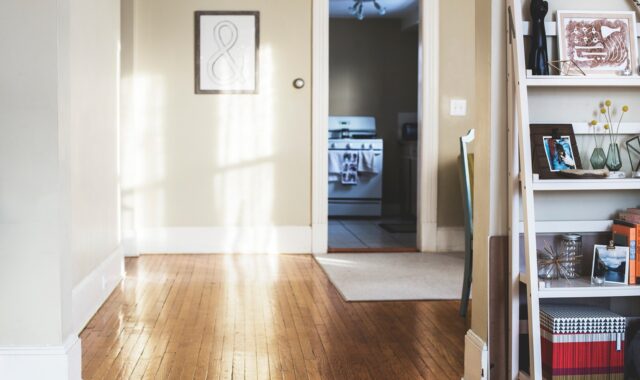
The modern interior has softened. Instead of stark white rooms, high-gloss surfaces, and cold gray flooring, many projects now combine clean architectural lines with materials that feel warmer, quieter, and more tactile. That does not mean every space should become rustic or ornate. The more useful shift is restraint with depth: limewash-like walls, plaster effects, honed stone, matte wood, ribbed glass, large-format tile, and subtle color variation.
Houzz reported on May 20, 2026 that U.S. search activity from January to March 2026 showed strong interest in sensory surfaces and curved or dimensional details. Searches for scalloped tile rose more than three times year over year, wave tile rose 38%, sandstone rose 257%, linen wallpaper rose 104%, seagrass wallpaper rose 94%, Venetian plaster rose 94%, terracotta flooring rose 55%, and limewash interior paint rose 53%. These figures do not prove that every material is suitable for every project, but they do show a clear consumer pull toward texture rather than flat surface alone. (houzz.com)
Kitchen and bath research points in the same direction. NKBA coverage of its 2026 kitchen and bath trends described warm neutrals, soft greens, natural wood tones, large-format tile, light woods, natural textures, and continuity between kitchens, baths, living areas, and outdoor connections. Its 2026 Kitchen Trends Report press release also noted that 96% of respondents identified neutrals as popular, 86% identified greens, 78% identified blues, and 75% saw slab or solid-surface backsplashes gaining popularity. (nkba.org)
The finish palette that feels current without dating quickly
Walls with depth instead of visual noise
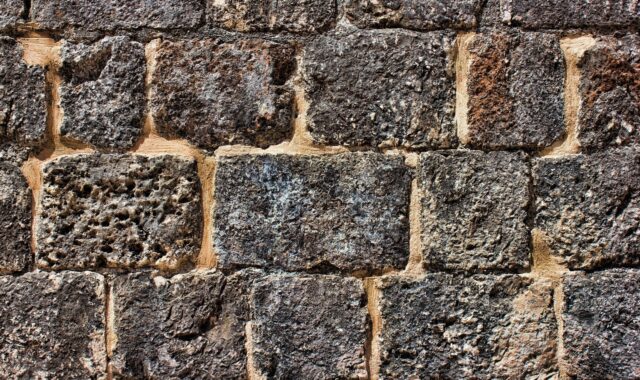
Modern walls are doing more than holding paint. Plaster-style coatings, limewash effects, mineral paints, wood slats, acoustic panels, textured wallpapers, wainscoting, and tile feature walls can add depth without relying on loud pattern. The key is to separate appearance from performance. A chalky limewash effect may be beautiful in a living room, while a bathroom, kitchen, or rental corridor may require a more washable coating, a sealed plaster system, or tile in splash zones.
Before choosing a wall finish, ask four practical questions: is the wall likely to be touched, splashed, scrubbed, or repaired? High-touch zones need cleanable coatings or panels. Splash zones need water-tolerant finishes and correct seam detailing. Feature walls should be replaceable or repairable, especially when the surface has strong texture. If a finish requires a special primer, sealant, wax, or curing period, that requirement belongs in the project schedule, not in a punch-list discussion after installation.
Floors that carry both style and risk
Floors set the tone of a modern interior because they connect rooms visually. Wide plank wood, engineered wood, wood-look porcelain, terrazzo-look surfaces, large-format porcelain, warm stone, terracotta, cork, and quiet resilient flooring can all work in a modern palette. The difference is not only color. It is how the floor behaves under moisture, grit, furniture movement, sunlight, and cleaning chemicals.
For hard-surface flooring, slip resistance is not a decorative detail. The Tile Council of North America explains that ANSI A326.3 describes a test method for measuring dynamic coefficient of friction for hard surface flooring in both laboratory and field conditions, and includes specifications, product use classifications, and guidance for defining hard surface flooring materials. In practice, a polished tile that looks elegant in a dry showroom still needs a use-appropriate slip-resistance review for bathrooms, entries, kitchens, mudrooms, laundry rooms, and commercial pathways. (tcnatile.com)
Tile, slabs, and stone as quiet focal points
Large-format tile and slab surfaces remain attractive because they create clean visual planes and can reduce grout interruptions. That matters in modern kitchens, baths, fireplace walls, and shower surrounds. The best result, however, depends on substrate flatness, movement joints, edge detailing, and installer capability. Oversized material looks effortless only when the technical preparation is disciplined.
Stone and stone-look finishes should also be judged by finish type. Polished stone can be reflective and formal. Honed stone feels calmer. Leathered or brushed finishes introduce texture. Porcelain slabs can imitate stone with lower porosity, but they require careful handling and fabrication. The current modern look favors lower-contrast movement and tonal continuity, while maintenance should still decide the final selection, especially around acids, oils, grout staining, and cleaning routines.
Wood, veneer, and warm panels
Warm wood is one of the most useful ways to soften modern interior finishes. It can appear as flooring, ceiling treatment, cabinet fronts, wall panels, stair parts, shelving, or acoustic slats. The safest modern use is controlled repetition: one primary wood tone, one secondary accent, and a clear relationship to metal finishes and stone color. Too many unrelated wood tones can make a new interior feel patched together.
Wood also has technical differences. Solid wood can be refinished but moves with humidity. Engineered wood may be more dimensionally stable in many interior applications. Veneer can be resource-efficient and elegant, but edge quality and substrate matter. Wood-look porcelain is strong in wet or high-wear areas, but it should be selected for texture, plank proportion, and grout strategy so it does not look like a printed substitute.
Performance criteria should lead the specification
The most successful modern interiors look calm because hidden decisions were made early. Finish schedules should identify where materials must resist water, stains, abrasion, heat, ultraviolet exposure, cleaning chemicals, impact, and slipping. This is especially important in open-plan homes, where one finish may continue from a living area into a kitchen, powder room, or entry.
| Finish decision | What to check | Why it matters |
|---|---|---|
| Paints and coatings | VOC content, emissions documentation, cleanability, primer system, cure time | A wall finish can affect indoor air quality and maintenance, especially during and after remodeling. |
| Flooring | Use classification, slip resistance, wear layer, moisture tolerance, repair method | Modern floors often run through multiple rooms, so the same material may face dry, wet, and high-traffic conditions. |
| Tile and slabs | Substrate flatness, grout width, movement joints, edge detailing, installer experience | Large surfaces reveal installation errors quickly and can be costly to correct. |
| Wood and panels | Species or veneer, substrate, finish system, humidity range, replacement access | Wood adds warmth, but it must be matched to movement, sunlight, and cleaning expectations. |
| Wallcoverings and textiles | Moisture rating, flame and code requirements where applicable, cleanability, adhesive type | Textured surfaces can improve atmosphere but may not suit every room or occupancy. |
EPA material-selection guidance for high-performance schools is relevant beyond schools because it lists many of the same interior materials used in residential and commercial projects: carpets, carpet padding, paints, sealants, caulking, adhesives, floor and ceiling tiles, cabinets, molding, composite wood products, and other woodwork. EPA notes that these materials can contain contaminants that are gradually emitted over time, and advises designers to consider installation, maintenance, service-life performance, low-VOC adhesives and coatings, odor, cleanability, and moisture resistance. (epa.gov)
Healthier air starts with source control, not just labels
Low-VOC paint is useful, but it is not the whole indoor-air strategy. EPA remodeling guidance says the most effective way to improve indoor air quality is usually to eliminate or control pollution sources or reduce their emissions; ventilation and air cleaning can complement that approach. EPA also notes that remodeling often involves paints, varnishes, sealants, and adhesives, and that studies have found levels of about a dozen common organic pollutants two to five times higher inside homes than outside. (epa.gov)
This makes finish sequencing important. Painting, adhesive work, floor sealing, cabinet installation, and heavy cleaning should be scheduled so ventilation, curing, and dust control are possible before occupancy. Leftover paints and solvents should not be stored casually inside conditioned space. EPA advises buying only as much paint as needed, increasing ventilation when using products that emit VOCs, following label precautions, and safely discarding unneeded chemical containers because gases can leak even from closed containers. (epa.gov) See also: BUILDING MATERIALS.
There is also a documentation point that is often misunderstood. EPA states that no federally enforceable standards have been set for VOCs in non-industrial settings. Terms such as low-VOC, zero-VOC, natural, and green should therefore be checked against product-specific data, not treated as complete specifications by themselves. For flooring, independent emissions programs and manufacturer documentation can help compare options, but the adhesive, underlayment, finish, and cleaning products still matter. (epa.gov)
Sustainability is moving from slogans to documentation
Sustainable modern interior finishes are not defined by a single material family. Natural stone, wood, cork, bamboo, linoleum, porcelain, recycled glass, reused brick, and existing finish restoration can all be responsible choices in the right context, or poor choices if sourcing, durability, maintenance, or replacement cycles are ignored. The better question is what the finish requires across extraction, manufacturing, installation, use, maintenance, and end of life.
The American Institute of Architects Materials Pledge encourages product evaluation across five topics: human health, social health and equity, ecosystem health, climate health, and circular economy. Its starter guidance recommends requesting ingredient and health-impact transparency from manufacturers, using Environmental Product Declarations for carbon transparency, renovating and reusing existing building stock where feasible, and considering end-of-life strategies such as recycling, takeback programs, disassembly, and reuse. (aia.org)
For a practical project, this does not require turning every home renovation into a full life-cycle assessment. It can start with a finish schedule that records what is being replaced, what can remain, which products have emissions documentation, which products have EPDs or other transparency documents, which surfaces are repairable, and which materials are likely to be removed again during the next remodel. A finish that lasts 20 years and can be repaired may be more responsible than a fashionable surface that must be replaced in five.
Room-by-room applications for modern interior finishes
A modern finish package should feel connected but not identical in every room. The better approach is to establish one shared base, then adjust by moisture, traffic, and mood.
- Kitchen: Use clean cabinet lines, warm wood or soft neutral fronts, a durable counter, and a backsplash strategy that is easy to clean. Slab backsplashes can reduce grout lines, while handmade tile can add texture if maintenance expectations are realistic.
- Bathroom: Prioritize slip-aware flooring, waterproof assemblies, ventilation, and cleanable wall finishes. Large-format tile can create calm, but shower floors, niches, corners, and transitions need careful detailing.
- Living room: This is a strong place for plaster-style paint, limewash effects, wood slats, acoustic panels, honed stone fireplace surrounds, or textured wallcovering because the exposure is usually lower than in wet rooms.
- Entry and mudroom: Choose abrasion-resistant and moisture-tolerant flooring. A beautiful modern entry fails quickly if salt, grit, umbrellas, shoes, pets, or stroller wheels were not considered.
- Bedroom: Softer finishes such as matte paint, fabric wall panels, cork, wool carpet, or warm wood can support comfort. Select adhesives, padding, and coatings with emissions in mind.
- Stairs and corridors: Treat these as high-contact zones. Consider handrail feel, edge visibility, slip resistance, lighting, and how wall finishes can be touched up.
For more finish-focused material ideas and industry updates, browse the interior finishes section.
A concise specification checklist
Before approving a modern finish package, run it through a technical checklist. First, confirm the design intent in words: warm minimal, tactile, quiet luxury, natural modern, industrial soft, or another clear direction. Second, limit the palette to a manageable number of materials so the space feels intentional. Third, confirm the performance demand of each room. Fourth, collect documentation for emissions, cleaning, slip resistance, moisture compatibility, and installation requirements. Fifth, decide how the finish will be repaired, resealed, refinished, or replaced.
In U.S. renovation work, older painted surfaces need special caution. EPA states that the Renovation, Repair and Painting Rule applies to work in houses, apartments, and child-occupied facilities built before 1978, and that in general anyone paid to perform work that disturbs paint in those properties must be certified. EPA also explains that minor repair and maintenance activities may be exempt only within defined disturbance limits, while window replacement and demolition of painted surfaces are always covered regardless of square footage. (epa.gov)
The final check is budget honesty. A less expensive finish that requires perfect installation may not be cheaper if the substrate is poor. A premium plaster may not be wise if the owner expects frequent scrubbing. A low-maintenance slab may cost more upfront but reduce grout cleaning. A textured floor may improve grip but trap dirt if used in the wrong place. Modern does not mean maintenance-free; it means the finish, room, user, and maintenance plan are aligned.
Frequently asked questions
Are modern interior finishes always neutral?
No. Neutrals are still important because they create visual continuity, but modern palettes now often include sage, olive, muted blue, chocolate brown, rust, terracotta, cream, taupe, and warm gray. The safest approach is to keep fixed finishes quieter and add stronger color in replaceable layers such as paint, textiles, art, or smaller tile zones.
Is limewash practical for every room?
Limewash and limewash-look coatings can add beautiful depth, but they are not universal. Check washability, sealing requirements, substrate compatibility, and moisture exposure before using them in kitchens, baths, or children’s rooms. In wet or high-touch areas, a more durable mineral coating, plaster system, tile, or washable paint may be more practical.
What is the most important performance issue for modern flooring?
There is no single answer, but moisture, slip resistance, and cleanability are usually the first checks. A living room floor may prioritize warmth and scratch repair, while a bathroom or entry floor needs wet-use performance. For hard-surface flooring, ANSI A326.3 DCOF information and product use classification are important parts of the review. (tcnatile.com)
Does low-VOC mean a finish is completely safe?
Not by itself. Low-VOC is a useful screening term, but product emissions, installation adhesives, sealants, ventilation, curing time, and occupant sensitivity all affect real conditions. EPA guidance supports source control, ventilation, label compliance, and careful storage or disposal of chemical products rather than relying on a single label claim. (epa.gov)
How do I keep a modern interior from looking dated?
Use trend-led finishes in controlled areas and keep expensive fixed elements more adaptable. Warm wood, clean lines, matte surfaces, thoughtful lighting, durable flooring, and balanced texture tend to age better than one-season colors or highly specific patterns. The most resilient modern interior is not the plainest one; it is the one with good proportions, honest materials, maintainable surfaces, and documentation that supports long-term use.