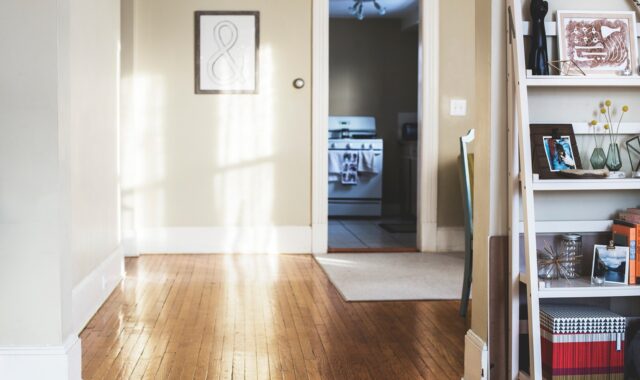
Natural wood trim interior ideas for warm and balanced rooms

Why natural wood trim is gaining attention again
Natural wood trim interior design works best when the trim is treated as part of the architecture, not as a decorative add-on. Strong applications use wood to frame openings, define transitions, protect exposed edges, and add visual warmth without making the room feel heavy. Recent design reporting from sources such as Houzz and the National Kitchen & Bath Association points to a broader shift toward warmer palettes, natural materials, and interiors that feel less clinical than the all-white schemes of the past decade. Technical guidance from the Architectural Woodwork Institute and the USDA Forest Products Laboratory adds the practical side: wood trim can be attractive and durable, but it has to be detailed for movement, moisture, finish performance, and installation tolerance.
For homeowners, designers, builders, and material buyers, the goal is not simply to add more wood. The better question is where natural trim improves proportion, durability, and continuity. For more coverage of surface materials and finish decisions, visit the interior finishes category.
| Reference point | What it adds to the discussion | Practical takeaway |
|---|---|---|
| NKBA 2026 kitchen trend reporting | Highlights natural materials and organic, neutral palettes as important directions in kitchen design. | Wood trim can help connect cabinetry, floors, doors, and wall finishes instead of leaving each surface isolated. |
| Houzz 2026 kitchen and design trend reporting | Shows continued interest in warm wood tones and less clinical interiors. | Medium and light woods often feel current because they add warmth without the heaviness of very dark trim. |
| ANSI/AWI millwork and finish carpentry standards | Focus on tolerances, installation quality, standing and running trim, wall surfaces, and related interior products. | Good natural trim is as much about joinery, reveals, and substrate control as it is about species selection. |
| USDA wood moisture guidance | Explains that wood moisture content changes with relative humidity and temperature. | Trim should be acclimated, finished, and installed with realistic movement in mind. |
Where natural wood trim has the strongest design payoff
Natural wood trim does not need to appear on every edge in a room. In many interiors, it looks more refined when used selectively. The strongest locations are the ones people touch, see repeatedly, or use to understand the shape and sequence of the space.
- Door and window casing: Natural casing frames daylight and views. It also makes plain drywall openings feel more finished.
- Baseboards: Wood base trim protects the wall at floor level and can visually connect flooring to doors and built-ins.
- Stair trim and rail transitions: Stairs benefit from tactile materials. Coordinating the rail, skirt board, newel, and landing trim creates continuity.
- Picture rails and wall caps: Narrow wood rails can divide tall walls, protect surfaces, or give a room a more crafted look without full paneling.
- Wainscot caps and panel frames: Natural wood caps over painted or plaster wall panels can soften formal rooms.
- Ceiling beams and coffers: Exposed or boxed beams add rhythm overhead, especially in open-plan rooms that need definition.
- Built-in edges: Shelving, banquettes, window seats, and fireplace surrounds often look better when their leading edges are finished with durable hardwood.
The key is hierarchy. If every baseboard, casing, crown, beam, shelf, and cabinet uses a different wood tone, the room can feel busy. If one wood family carries through the main trim zones, the result feels planned rather than pieced together.
Choosing species, grain, and profile
The right wood species depends on the room style, expected wear, budget, and whether the trim will be stained, sealed clear, or lightly toned. Hardwoods generally offer better dent resistance and clearer grain for prominent trim. Softwoods can work well in rustic, cottage, or historically inspired interiors. Engineered and veneered options may be appropriate for larger panels or cost control, but edge treatment matters, and composite substrates should be checked against applicable indoor emission requirements.
| Wood option | Visual character | Best uses | Watch point |
|---|---|---|---|
| White oak | Calm grain, light to medium tone, works well with matte finishes. | Modern, transitional, Scandinavian, and organic interiors. | Can look flat if the profile is too thin or the finish is overly gray. |
| Red oak | More pronounced grain and warmer undertone. | Traditional homes, baseboards, casings, and stair parts. | Strong grain may compete with busy flooring. |
| Walnut | Dark, refined, and high contrast. | Feature walls, library trim, built-ins, and accent casing. | Can make small rooms feel heavier if overused. |
| Maple | Smooth, pale, and understated. | Minimal interiors, contemporary trim, and clean-lined built-ins. | Stain can appear blotchy without proper preparation. |
| Cherry | Warm reddish-brown tone that deepens with age. | Traditional trim, studies, dining rooms, and custom millwork. | Color change over time should be planned, not treated as a defect. |
| Pine or fir | Soft, knotty or straight-grained depending on grade. | Cabins, farmhouse interiors, casual rooms, and budget-conscious trim. | Dents more easily than many hardwoods. |
| Veneered trim or panels | Can create consistent grain across wide surfaces. | Wall panels, flush doors, built-ins, and large millwork areas. | Edges and substrate quality matter; verify suitability for the room. |
Profile is just as important as species. A square-edge oak casing reads contemporary, while a stepped or back-banded casing feels more traditional. Thin trim can look elegant in a modern apartment, but it may appear undersized in a room with tall ceilings, thick doors, or substantial flooring. Before ordering, compare full-size samples against wall color, flooring, hardware, and daylight conditions.
Finish decisions that determine whether the look lasts
The finish controls color, sheen, cleanability, and how natural the wood feels. A clear matte or low-sheen finish usually preserves the quieter character of oak, maple, and walnut better than a glossy film. A light stain can unify inconsistent boards, but a heavy stain can obscure grain and make new trim look older than intended.
For a current natural wood look, many designers favor finishes that avoid strong orange, red, or overly gray casts. This does not mean every interior needs pale oak. It means the finish should support the room’s palette. Warm white walls, limewash-style neutrals, soft greens, clay colors, and muted stone tones often pair well with clear or lightly toned wood. Cool gray walls can still work, but they usually need a warmer wood tone or blackened hardware to prevent the room from feeling cold.
In kitchens, baths, entries, and mudrooms, finish durability matters more than the first sample board. Trim near sinks, exterior doors, pet areas, and cleaning zones should be sealed on exposed faces and vulnerable edges. If composite wood products such as MDF, particleboard, or hardwood plywood are used as trim cores or panel substrates, buyers should confirm compliance with EPA TSCA Title VI formaldehyde emission requirements for regulated composite wood products. That point is especially relevant for interior finishes because trim and paneling are installed close to occupied living areas.
Installation details behind a clean natural wood trim interior
Natural wood exposes workmanship. Painted trim can hide some variation with filler and caulk, but clear-finished wood makes joints, grain direction, nail placement, and uneven walls more visible. Planning should start before installation, not after the material is already on site.
Moisture and movement
Wood gains and loses moisture as indoor conditions change. USDA Forest Products Laboratory guidance explains that the relationship between wood and air depends mainly on relative humidity, temperature, species, size, and drying history. In practical terms, interior trim should be stored in a conditioned space before installation. It should not be installed immediately after delivery from an uncontrolled warehouse, damp jobsite, or cold truck.
Wide boards, wall panels, and cap rails need more movement planning than narrow shoe molding. Designers should avoid forcing solid wood to behave like plastic or metal. Let panels float where needed, use stable substrates where appropriate, and avoid fastening details that trap wide solid boards across their full width. In dry winter climates or humid coastal areas, these decisions can be the difference between crisp trim and seasonal gaps.
Joints, reveals, and transitions
The Architectural Woodwork Institute’s 2024 millwork and finish carpentry standards address standing and running trim, wall surfaces, installation tolerances, and related interior products. The larger lesson for residential work is simple: clean trim depends on predictable joints and consistent control lines.
- Use intentional reveals where walls, cabinets, or floors are not perfectly straight.
- Plan outside corners, inside corners, and returns before the trim is milled.
- Keep grain direction consistent on highly visible runs.
- Use mockups for custom profiles, especially on curved walls or arched openings.
- Coordinate trim thickness with door jambs, flooring height, tile edges, and built-ins.
A natural wood casing that dies awkwardly into a tile edge or cabinet side panel will look improvised. A small reveal or shadow line can make the same condition feel deliberate.
Pairing wood trim with walls, floors, and fixtures
Wood trim should coordinate with the whole room, but it does not need to match everything exactly. Exact matching can make a space feel flat when the floor, cabinets, furniture, and trim all share the same tone and grain. See also: BUILDING MATERIALS.
A better approach is to choose a dominant wood family and then vary scale or placement. For example, white oak casing can sit comfortably with slightly darker oak floors if the undertones are compatible. Walnut built-ins can work with pale flooring if walnut is repeated in a handrail, shelf edge, or furniture detail. Maple trim can pair with painted cabinetry if the room also includes natural linen, stone, or warm metal finishes.
Wall color controls contrast. White and off-white walls make natural wood trim stand out and are useful when the trim profile is simple. Earth-toned walls create a softer, more enveloping effect. Dark walls with natural wood casing can feel dramatic, but they require careful lighting so the grain does not disappear. If the room has low natural light, medium wood is often safer than very dark wood.
Hardware and lighting also matter. Aged brass, blackened bronze, stainless steel, and matte black can all pair with natural trim, but each creates a different mood. The safest strategy is to connect metals to function. Door levers, hinges, lighting, cabinet pulls, and stair hardware should feel like a coordinated set rather than unrelated accents.
Cost, maintenance, and when to use restraint
Natural wood trim usually costs more than standard painted MDF or finger-jointed paint-grade material. The price difference comes from species, grade, milling, waste, finish labor, and installation care. Solid hardwood trim can be worth the premium in high-touch areas such as doors, stairs, entries, and built-ins. In secondary rooms, a mix of natural feature trim and painted supporting trim may offer a better budget balance.
Maintenance is straightforward, but it is not zero. Dust with a soft cloth, avoid harsh cleaners, and repair water exposure quickly. Trim near exterior doors may need periodic touch-ups. Sunlight can change color over time, especially with cherry, walnut, and some clear finishes. Rugs, curtains, and furniture placement can create uneven aging if parts of the trim receive very different light exposure.
There are also situations where natural wood trim may not be the best first choice. Very wet bathrooms, poorly ventilated laundry rooms, basements with moisture issues, and rental properties with heavy impact risk may call for painted, moisture-resistant, or more easily repairable materials. In historic homes, stripping painted trim to expose wood is not always appropriate; some trim was originally intended to be painted and may not have the grade or grain quality expected for a clear finish.
Frequently asked questions
Is natural wood trim dated?
Natural wood trim is not automatically dated. It tends to look dated when the profile, stain color, and surrounding finishes all point to a specific past trend. Simple profiles, balanced proportions, matte finishes, and coordinated undertones help wood trim feel current.
Should wood trim match the flooring?
It can, but it does not have to. Matching works when the floor and trim are from the same wood family and the room needs visual calm. Coordinating is often better when the floor has strong grain, varied plank color, or a very dark tone. Aim for compatible undertones rather than a forced match.
What is the safest finish for a natural look?
A clear or lightly toned low-sheen finish is often the safest starting point because it protects the wood while keeping the grain visible. Always test on the actual species and grade being used, because maple, oak, walnut, pine, and cherry respond differently to the same finish.
Can natural wood trim work with painted cabinets?
Yes. Natural casing, shelves, toe kicks, range hood details, or island trim can warm up painted cabinets. The key is repetition. If wood appears in only one isolated location, it may look accidental; if it appears in two or three deliberate places, it feels integrated.
Is natural wood trim suitable for bathrooms?
It can be used in powder rooms and well-ventilated bathrooms, but detailing is important. Avoid unsealed end grain near wet areas, use appropriate finishes, and address ventilation first. In shower zones or rooms with persistent moisture, tile, stone, PVC, or painted moisture-resistant trim may be more practical.