Types of wall finishes for interior projects and how to choose them
What an interior wall finish has to do
The main types of wall finishes for interior projects include paint and coatings, plaster or skim finishes, wallpaper and commercial wallcovering, tile and stone, wood or veneer paneling, laminate and solid-surface panels, fabric or acoustic panels, and exposed concrete, brick or masonry. The right choice is more than a style decision. A wall finish has to suit the substrate, lighting, moisture level, fire classification, cleaning routine, installation budget and expected maintenance. For more material-focused articles, see the interior finishes category.
This guide compares common wall finish options from a specification point of view. It does not rank one material above another. Instead, it explains where each finish usually performs well, where problems tend to appear, and what designers, builders and homeowners should confirm before committing to a wall system.
Main types of interior wall finishes
Paint and architectural coatings
Paint remains the most flexible interior wall finish because it is relatively fast to apply, widely available and easy to update. Common choices include flat, eggshell, satin, semi-gloss and specialty coatings such as washable, antimicrobial, mineral or high-build products. Flat paint hides minor surface variation better. Higher-sheen coatings are usually easier to clean, but they also reveal joints, waves and sanding marks under side lighting.
Paint is often the default finish for bedrooms, living rooms, offices, corridors and ceilings. Its main limitation is that the final appearance depends heavily on substrate preparation. The Gypsum Association’s GA-214-2021 guidance explains that gypsum board finish levels should be selected according to factors such as surface smoothness, critical lighting, color and paint sheen. In practice, a dark satin wall under strong side light needs better finishing than a flat white wall in a low-glare room.
Plaster, skim coat and decorative mineral finishes
Plaster finishes include traditional gypsum plaster, lime plaster, clay plaster, Venetian-style plaster, polished plaster, microcement-style coatings and skim coats over gypsum board. These finishes can create subtle movement, depth and a hand-applied character that paint alone cannot provide. Mineral finishes are often selected for boutique hospitality, residential feature walls and spaces where a seamless surface is preferred.
The trade-off is skill and substrate control. Plaster systems may require specific primers, base coats, curing time and movement-joint planning. Highly polished or troweled finishes can highlight uneven framing and patching. They are also harder to repair invisibly than standard paint, so mock-ups are useful when the finish will be used on large, highly visible walls.
Wallpaper and commercial wallcovering
Wallpaper and wallcovering add pattern, color, texture and scale. Residential wallpapers are often paper, nonwoven or vinyl-coated products. Commercial wallcoverings may include Type I, Type II or Type III vinyl, textile, grasscloth, digital print, acoustic or protective wallcovering systems. They work well on feature walls and in hotel rooms, corridors, offices and retail environments where designers want a stronger visual identity than paint can provide.
Wallcovering needs a smooth, properly primed wall. Thin or glossy wallcoverings can telegraph seams, fasteners and substrate defects. Heavier commercial products can improve durability, but they also make adhesive selection, moisture management and fire classification more important. In humid rooms, or on exterior walls where vapor drive may be a concern, the wall assembly should be reviewed before impermeable coverings are installed.
Tile, porcelain slabs and stone wall finishes
Tile is a practical wall finish for wet, washable and high-abuse areas. Ceramic tile, porcelain tile, glass tile, stone tile and large-format slabs are common in bathrooms, kitchens, lobbies, elevator surrounds and food-service spaces. Their strengths are moisture resistance at the surface, impact resistance, cleanability and long service life.
Tile is not a waterproofing system by itself. The Tile Council of North America’s 2026 Handbook describes tile installation methods as requiring a properly designed, constructed and prepared substructure, with guidelines for wet areas, substrate flatness, grout joints and workmanship standards. For showers, commercial kitchens and similar areas, membranes, backer boards, movement joints and compatible mortars matter as much as the visible tile.
Wood, veneer and decorative paneling
Wood wall finishes include solid wood boards, veneer panels, stile-and-rail systems, slats, acoustic wood panels and factory-finished millwork. They bring warmth, rhythm and architectural depth to interiors. Wood panels are common in offices, hospitality projects, residences, libraries, restaurants and reception areas.
The main considerations are movement, fire performance, detailing and consistency. The Architectural Woodwork Institute’s ANSI/AWI 0642-2024 wood paneling standard covers wall and ceiling paneling materials such as veneer, stile-and-rail, decorative laminate, solid surface and solid phenolic products. It also notes that concealed framing and furring must follow applicable codes and regulations. Designers should coordinate panel thickness, backing, reveals, edge details, veneer matching and finish samples before installation starts.
Laminate, solid surface, FRP, metal and glass panels
Panelized finishes are selected when durability, cleanability or a precise manufactured appearance is more important than a hand-finished surface. High-pressure laminate, compact laminate, solid surface, fiber-reinforced plastic, powder-coated metal and glass panels are common in healthcare, laboratories, schools, back-of-house areas, commercial washrooms and food preparation zones.
These finishes can protect walls from impact and frequent cleaning, but they are not automatically suitable for every space. Panel joints, sealants, fire classification, chemical resistance, substrate flatness and replacement strategy should be reviewed. A highly durable panel with poorly detailed joints can still trap moisture or look unfinished.
Exposed concrete, brick, masonry and stone
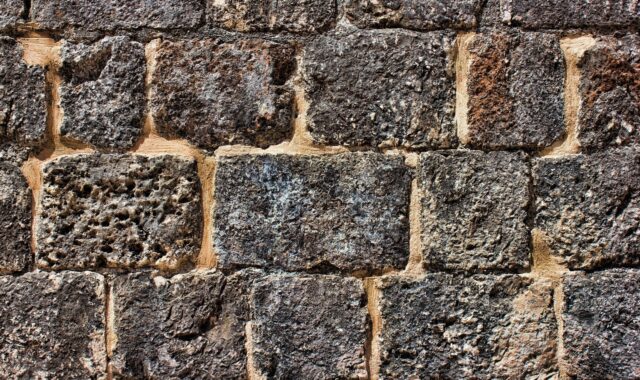
Exposed structural or masonry surfaces can also serve as interior wall finishes when they are left visible. Polished concrete, board-formed concrete, brick, block, stone veneer and restored masonry can add texture and a sense of material authenticity. They are common in adaptive reuse, industrial-style interiors, restaurants and public spaces.
These finishes often need cleaning, sealing, dust control and moisture evaluation. Existing masonry may contain cracks, salts or previous coatings. Concrete can vary in color and bug holes. Much of the value comes from accepting some natural variation, but the project team still needs a finish standard so the final wall does not depend on guesswork. See also: BUILDING MATERIALS.
Comparison table for common wall finishes
| Wall finish type | Where it often works well | Main advantages | Key cautions |
|---|---|---|---|
| Paint and coatings | Bedrooms, offices, living areas, corridors | Cost-effective, easy to refresh, many sheen levels | Shows poor drywall finishing, especially with dark or glossy colors |
| Plaster and skim finishes | Feature walls, premium residential, hospitality spaces | Seamless look, depth, handcrafted texture | Requires skilled installation and careful repair planning |
| Wallpaper and wallcovering | Feature walls, hotel rooms, offices, retail | Pattern, texture, branding and fast visual impact | Needs smooth substrate, compatible adhesive and moisture review |
| Tile, slabs and stone | Bathrooms, kitchens, lobbies, wet zones | Washable, durable and moisture-resistant at the surface | Requires proper substrate, waterproofing and movement joints |
| Wood and veneer panels | Reception areas, offices, restaurants, homes | Warmth, acoustic potential and architectural detailing | Needs code review, movement allowance and finish coordination |
| Laminate, FRP and solid surface panels | Healthcare, schools, service areas, washrooms | High cleanability and impact resistance | Joints, sealants and fire data must match the use condition |
| Exposed masonry or concrete | Adaptive reuse, industrial interiors, restaurants | Texture, authenticity and long-term character | May need sealing, dust control and realistic appearance standards |
Substrate, codes and indoor air factors to check
Drywall finish level and lighting
Many finish failures begin before the decorative material is installed. Smooth paint, thin wallcovering and polished plaster require flatter, more consistent surfaces than heavy texture or thick wallcovering. GA-214-2021 identifies Level 0 through Level 5 finishes for gypsum panel products and links finish selection to final decoration, lighting and sheen. Level 5, which includes a skim coat over the surface, is commonly considered when gloss, dark colors or critical side lighting would otherwise reveal joints and fasteners.
Fire and smoke classification
Interior wall and ceiling finishes in many building types are regulated for surface burning characteristics. ASTM E84-26A describes a comparative test method for surface flame spread and smoke density under controlled conditions. The International Building Code groups many interior finish materials into Class A, Class B or Class C based on flame spread and smoke-developed index values, while the required class depends on occupancy, location and sprinkler status. For commercial, multifamily, hospitality, education and healthcare projects, finish selection should be checked against the adopted local code and the authority having jurisdiction.
Moisture and cleanability
Bathrooms, kitchens, laundry rooms, spas and commercial service areas need more than a decorative surface. The assembly must manage water, vapor, cleaning chemicals and movement. Tile, FRP and solid surface panels can be effective in wet or washable locations, but only when installed over suitable substrates with compatible membranes, adhesives and sealants. Wood, paper wallcovering and some plasters can work in controlled interiors but may be poor choices where repeated wetting is expected.
VOC emissions and indoor air quality
Interior finishes can influence indoor air quality through wet-applied coatings, adhesives, sealants, composite wood products and some wallcoverings. The U.S. Environmental Protection Agency notes that many indoor products, including paints, paint supplies, building materials and furnishings, can be sources of volatile organic compounds. EPA guidance also emphasizes ventilation during painting and states that there are no federally enforceable VOC standards for non-industrial settings. For projects pursuing sustainability documentation, the USGBC LEED v5 Reference Guide for Interior Design and Construction treats paints, coatings, adhesives, sealants and wall materials as product categories that may need VOC emissions evaluation.
Matching finishes to rooms and project goals
For living rooms, bedrooms and private offices, paint, limewash-style coatings, light plaster and selective wallcovering usually provide the best balance of cost, comfort and flexibility. The main decision is the desired level of texture and the quality of drywall finishing required.
For kitchens, bathrooms and laundry areas, tile, waterproof wall panels, washable coatings and sealed plaster systems are more practical. Designers should avoid assuming that a finish is suitable just because it looks waterproof on the face. Seams, penetrations and transitions are usually the weak points.
For corridors, schools, rentals and retail back-of-house spaces, impact resistance and maintenance often matter more than initial appearance. High-build coatings, commercial wallcovering, laminate panels, FRP, corner guards and replaceable panels can reduce visible wear. A finish that can be patched or replaced in sections may be more economical than a delicate premium surface.
For hospitality, restaurants and reception areas, layered finishes often work best: paint in secondary zones, wallcovering or plaster on feature walls, tile or stone at wet and high-touch areas, and wood or acoustic panels where warmth and sound control are important. The specification should define transitions, reveals and protection details so different materials meet cleanly.
A practical checklist before specifying a wall finish
- Define the room conditions. Note moisture, sunlight, cleaning chemicals, impact risk, occupant traffic and ventilation.
- Confirm the substrate. Gypsum board, plaster, concrete, masonry, tile backer and wood framing each need different preparation.
- Set the appearance standard. Decide whether the wall is expected to be perfectly smooth, softly textured, patterned or naturally variable.
- Review lighting early. Strong side light from windows or wall washers can reveal defects that are invisible under normal light.
- Check fire classification. Ask for test data that reflects the finish as installed, including backing, adhesive and thickness where relevant.
- Check emissions documentation. For low-emitting interiors, collect product data for coatings, adhesives, wallcoverings, panels and composite wood components.
- Build a mock-up for visible areas. Mock-ups are especially useful for plaster, dark paint, gloss finishes, wood panels, tile layouts and large-scale wallcovering.
- Plan maintenance. Confirm how the finish will be cleaned, repaired, repainted or replaced after normal wear.
Frequently asked questions
What is the most common interior wall finish?
Paint over gypsum board is the most common finish in many residential and commercial interiors because it is economical, adaptable and easy to renew. However, it is not always the most durable or moisture-resistant option. Wet rooms, high-traffic corridors and premium feature walls may need tile, wallcovering, panels or plaster instead.
Which wall finish is best for wet areas?
Tile, porcelain slabs, solid surface panels and properly detailed waterproof wall panel systems are common choices for wet areas. The visible finish must be paired with the right substrate, waterproofing membrane, adhesive, grout or sealant. Paint and standard wallpaper are usually less suitable where water contact is frequent.
Do wall finishes need fire ratings?
Many commercial and multifamily projects require interior wall finishes to meet code-based fire and smoke classifications. Requirements vary by occupancy, room location, sprinkler status and local code adoption. Product data should match the actual installed assembly rather than only the decorative face material.
Why does the same paint look different on two walls?
Paint appearance changes with substrate smoothness, primer, application method, sheen, color depth and lighting angle. Darker colors and higher-sheen paints make imperfections more visible. If critical lighting is present, the project may need a higher gypsum board finish level or a different finish strategy.
Are textured finishes easier to maintain than smooth finishes?
Not always. Texture can hide small surface imperfections, but deep texture may collect dust and can be difficult to patch. Smooth washable coatings or panels may perform better in spaces that need frequent cleaning. The maintenance plan should be considered before selecting texture for busy interiors.