Bauhaus furniture design and the principles behind modern interiors
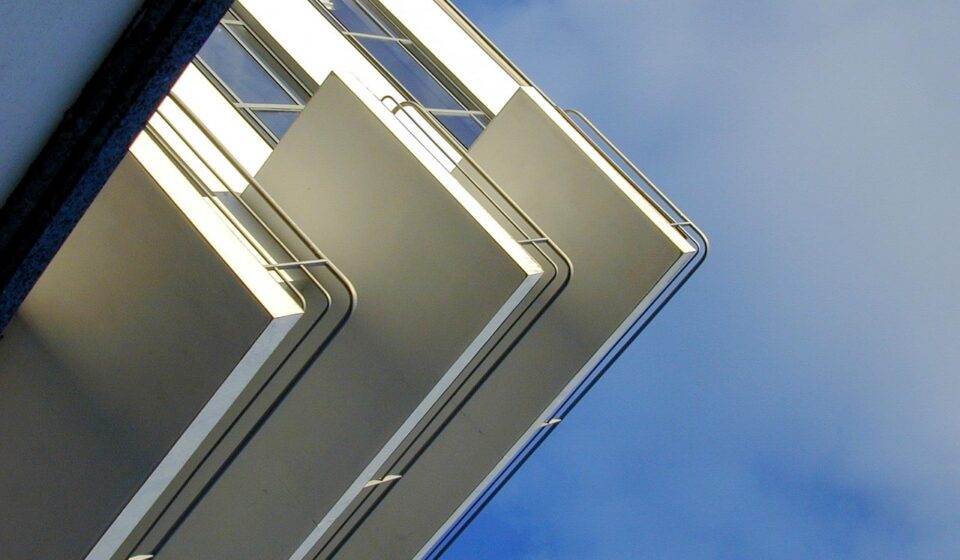
What Bauhaus furniture design means
Bauhaus furniture design treats furniture as useful architecture at human scale. Rather than adding ornament after an object is made, it asks how a chair, table or cabinet can be reduced to clear structure, honest materials and efficient production. The Bauhaus school operated in Germany from 1919 to 1933, and its furniture ideas developed through workshops, prototypes and industrial experimentation. Museum and heritage records from UNESCO, MoMA, the Metropolitan Museum of Art, the V&A, Vitra Design Museum and Bauhaus Kooperation point to the same central lesson: Bauhaus furniture was not created to look minimal for its own sake. It was intended to make modern living more functional, lighter, more affordable and visually coherent.
For readers interested in broader interior trends and historical design context, the furniture design archive is a useful next step. This article focuses on the principles, key pieces and practical limits of Bauhaus furniture design, rather than treating it as a decorative label.
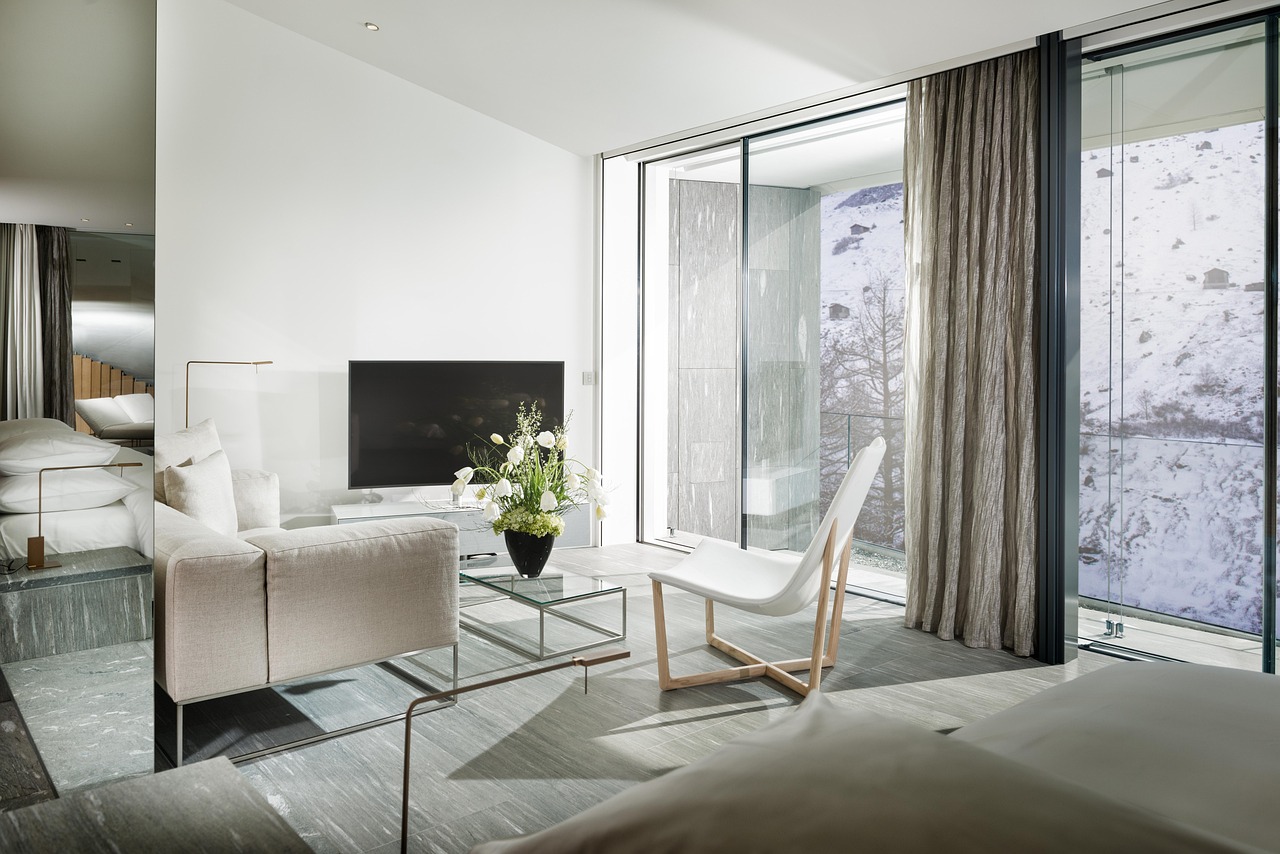
A short timeline of Bauhaus furniture ideas
The furniture associated with the Bauhaus did not appear fully formed in 1919. It changed as the school changed. Walter Gropius founded the Bauhaus in Weimar after World War I, bringing art, craft and architecture into a workshop-based school. Early work often retained a handcrafted and expressive quality. After the move to Dessau in 1925, the school became more closely identified with industrial materials, standardization and the idea that design could support modern housing and mass production.
| Period | Furniture direction | Why it matters |
|---|---|---|
| 1919–1924 | Workshop craft, wood construction and experimental forms | The school tested how art and making could be taught together, instead of separating designer and craftsperson. |
| 1925–1928 | Dessau period, tubular steel, lighter frames and industrial prototypes | Marcel Breuer and others explored furniture that looked less like carved mass and more like engineered structure. |
| Late 1920s | Cantilever chairs, standardized components and closer links to manufacturers | The chair became a technical problem as well as an aesthetic one, especially in the debate around Mart Stam, Breuer and Mies van der Rohe. |
| 1930–1933 | Greater architectural discipline under Mies van der Rohe, followed by closure | The Bauhaus ended as a school in 1933, but its teachers, students and objects continued to shape international modern design. |
This timeline helps avoid a common mistake. Bauhaus furniture was not simply a set of famous chairs. It was a developing method that moved from craft education toward industrial design, while still depending on proportion, material knowledge and hands-on experimentation.
The main principles behind the style
Function before applied decoration
The most repeated description of Bauhaus design is functional, but the word is often used too loosely. Functional did not mean plain in a careless way. It meant that each visible element should have a reason. A steel tube could act as both structure and line. A woven seat could provide support, texture and breathability. A simple tabletop could express the logic of use without decorative carving.
This is why Bauhaus furniture still feels current in modern homes and commercial interiors. Its strongest examples do not depend on seasonal motifs. They use proportion, rhythm and material contrast to create interest. When a chair is reduced to a frame, a seat and a back, small decisions carry more weight: the curve of the tube, the tension of the canvas, the thickness of the cane, the height of the arms and the empty space beneath the seat.
Industrial materials used with discipline
Tubular steel became one of the strongest symbols of Bauhaus furniture design. Marcel Breuer is closely associated with this shift. Museum records often describe how his interest in bicycle handlebars helped lead him toward lightweight, bent metal furniture. The purpose was not simply to use a new material. It was to use a material that could be strong, repeatable and visually light.
Wood, cane, canvas, leather and textiles remained important. The common image of Bauhaus as only chrome and black leather is too narrow. The weaving workshop, strongly associated with Gunta Stölzl, showed that textiles could be technically sophisticated, structurally relevant and visually powerful. In interiors, this combination matters: metal brings precision, while woven and upholstered surfaces bring tactility.
Geometry without stiffness
Bauhaus furniture often uses circles, rectangles, right angles and continuous lines. The best pieces, however, are not stiff diagrams. They work because geometry is balanced with the body. The Wassily chair, the Cesca chair and related tubular designs are memorable partly because the frame appears almost like a drawing in space. The chair is not a solid block. It is an arrangement of lines, planes and voids.
That sense of openness explains why Bauhaus-inspired furniture can work well in smaller rooms. A cantilever chair or open steel-framed armchair usually carries less visual weight than a heavy upholstered piece. The floor remains visible, light passes around the frame, and the room feels less crowded.
Key pieces that explain Bauhaus furniture design
The Wassily chair and the idea of the frame
Marcel Breuer’s Model B3, widely known as the Wassily chair, is one of the most recognizable objects linked to the Bauhaus. Museum dating varies by version and collection record, but the design belongs to the mid-to-late 1920s and is closely tied to Breuer’s Bauhaus period. Its tubular steel frame and taut fabric or leather panels changed how a club chair could be understood. Instead of deep upholstery wrapped around a wooden body, the chair becomes a visible skeleton with suspended surfaces.
The lesson is not that every room needs a Wassily chair. The lesson is that structure can become expression. A frame can be beautiful when its construction is clear, its proportions are controlled and its materials are not disguised.
The Cesca chair and the everyday cantilever
Breuer’s Cesca chair, commonly dated to 1928, brought Bauhaus ideas closer to everyday dining and desk seating. Its tubular steel frame, cane panels and cantilevered form make it lighter in appearance than a conventional four-legged chair. The spring-like effect of the cantilever gives the chair a dynamic quality, while the cane softens the industrial frame.
The Cesca chair also shows why Bauhaus furniture should not be read as cold. Cane has a domestic, handcrafted texture. It ages, casts shadows and connects the object to older chair-making traditions. The innovation lies in the combination: a modern steel structure paired with a familiar woven surface.
Mart Stam, Mies van der Rohe and the cantilever debate
The cantilever chair is often folded into a simple Bauhaus story, but the history is more complex. Vitra Design Museum and other design collections identify Mart Stam as a central figure in the first cantilever chair experiments of the 1920s. Mies van der Rohe also developed influential cantilevered tubular steel chairs. Breuer created some of the most commercially and culturally enduring versions.
This overlap is useful rather than confusing. It shows that Bauhaus furniture design was part of a wider European modernist conversation. Designers were responding to similar questions: How little structure can support the body? Can a chair be made from a continuous line? Can industrial material create comfort as well as efficiency?
How Bauhaus furniture shapes modern interiors today
In contemporary interiors, Bauhaus influence is strongest when it is used as a design logic rather than a costume. A room does not need to copy a 1920s school building to benefit from Bauhaus ideas. It can use fewer, better-defined objects; honest material contrasts; and layouts that respect movement, light and daily use. See also: BUILDING MATERIALS.
- Use one strong frame-based piece. A tubular steel chair, open shelving unit or clean-lined table can establish the design language without overwhelming the room.
- Balance hard and soft materials. Chrome, glass and painted metal usually work better with wool, cane, linen, leather, wood or textured walls.
- Let negative space matter. Bauhaus furniture often depends on what is not filled. Avoid crowding open-frame pieces with too many small accessories.
- Choose proportion over decoration. If the scale is wrong, a simple design will not save the room. Seat height, table width and circulation space matter more than styling labels.
- Avoid the showroom trap. A room filled only with famous modernist icons can feel rigid. Bauhaus pieces often look better when paired with ordinary, well-made objects.
For residential design, the most adaptable Bauhaus lesson is clarity. Every object should earn its place. Storage should reduce visual noise. Seating should support how people actually sit, eat, read and talk. Materials should be chosen for performance as well as appearance.
Common misconceptions about Bauhaus furniture
Misconception one: Bauhaus means black, white and chrome only
Black, white and chrome are common in Bauhaus-inspired interiors, but the school also worked with color, textiles, wood and woven surfaces. The graphic language of Bauhaus may be crisp, yet its workshops were broader than the monochrome stereotype suggests. A room can feel Bauhaus-informed while using warm wood, muted primary colors or patterned textiles, as long as the composition remains disciplined.
Misconception two: Every cantilever chair is Bauhaus
Many later chairs borrow the cantilever form, chrome tubing or cane panels. That does not make every example an original Bauhaus design. Some are licensed designs, some are later interpretations, and some are generic reproductions. For collectors, attribution, manufacturer, dimensions and construction details matter. For homeowners, the more practical question is whether the chair is well made, comfortable and suitable for the room.
Misconception three: Functional design ignores comfort
Bauhaus furniture can look severe in photographs, especially when shown against white walls. In use, however, comfort depends on angle, support, material tension and scale. A cantilever chair can have subtle movement. Cane can flex. Upholstery can soften a hard frame. The design challenge is to make comfort visible through construction rather than hiding it under excess padding.
What to consider before buying Bauhaus-inspired furniture
Bauhaus-inspired furniture is widely available, but quality varies. A low-cost chrome chair may capture the outline of a classic design while missing the details that make the original idea work. Check the welds, tube bends, cane tension, upholstery attachment and finish quality. If a chair rocks unevenly, feels too narrow or has poor edge finishing, its visual similarity to Bauhaus design will not make it successful.
Context also matters. Tubular steel can feel elegant in a bright room but harsh in a cold, echoing space. Cane is breathable and warm, but it needs care and can be vulnerable to heavy misuse. Leather panels can be durable, but they change the visual weight of a chair. A design that looks light in a museum photograph may feel assertive in a small apartment if the proportions are wrong.
For sustainability-minded buyers, the Bauhaus idea of durability is still valuable. A well-made chair that can be repaired, re-caned or reupholstered is often more aligned with Bauhaus thinking than a disposable object that merely imitates the look. The original movement valued production and modernity, but it also valued disciplined problem-solving. That principle remains relevant in a market crowded with fast furniture.
Why Bauhaus furniture design still matters
Bauhaus furniture design matters because it connected aesthetics to use, materials, production and social change. Its famous chairs are not only icons for design history books. They are case studies in how modern furniture can be lighter, clearer and more rational without becoming lifeless. The school lasted only fourteen years, but its ideas spread through museums, manufacturers, architecture schools and everyday interiors.
The most useful way to bring Bauhaus thinking into a current home is not to copy every visual cue. It is to ask Bauhaus questions. Does this object need all of its parts? Is the material doing real work? Does the form support the body and the room? Can simplicity create more freedom rather than less personality? When furniture answers those questions well, it carries the Bauhaus legacy even without a famous name attached.
Frequently asked questions
What are the main features of Bauhaus furniture design?
The main features are functional structure, simple geometry, visible construction, minimal applied ornament, industrial materials such as tubular steel, and careful use of wood, cane, leather, canvas and textiles. The style values clarity and proportion over decoration.
Who are the key Bauhaus furniture designers?
Marcel Breuer is the best-known furniture designer associated with the Bauhaus, especially for tubular steel chairs. Mart Stam and Mies van der Rohe are essential to the cantilever chair story, while Gunta Stölzl and the weaving workshop are important for understanding the textile side of Bauhaus interiors.
Is Bauhaus furniture the same as mid-century modern furniture?
No. Bauhaus furniture predates much of mid-century modern design and helped shape it. Mid-century modern furniture often uses warmer woods, organic curves and postwar manufacturing methods, while Bauhaus design is more closely tied to the 1919–1933 school and European modernist experiments.
How can I use Bauhaus furniture in a home without making it look cold?
Pair open metal frames with warmer materials such as wood, wool, cane, linen or leather. Use fewer statement pieces, keep the layout functional, and add texture through rugs, wall finishes and lighting. The goal is disciplined warmth, not a sterile display.