Bed design ideas that balance comfort, storage, and style
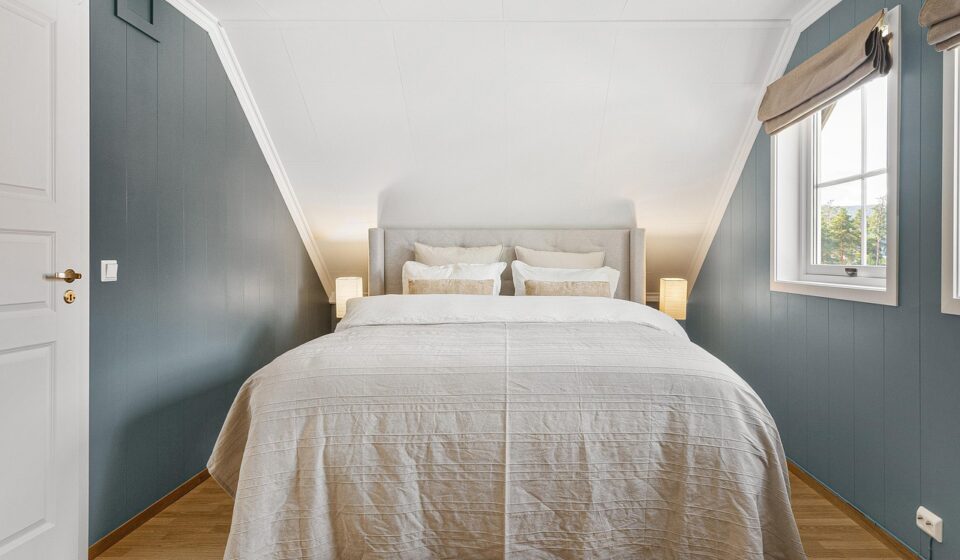
What good bed design needs to solve first
A good bed design is more than a decorative frame around a mattress. It has to fit the room, support the way people sleep, carry the right visual weight, and leave enough space for movement, storage, lighting, and cleaning. In most homes, the best sequence is to choose the bed size first, then decide whether the room needs a statement headboard, hidden storage, a lower profile, or a softer upholstered finish.
Current bedroom design coverage also points toward warmer, more cocooning rooms. Those ideas work best when the bed still performs well in daily use: easy to access, easy to make, and suited to the household. For more ideas across materials, room planning, and residential interiors, see our furniture design coverage.
Start with size, circulation, and the real footprint
The mattress size is the starting point, but it is not the full footprint of the bed. Platform rails, upholstered wings, storage drawers, footboards, and wall-to-wall headboards can all add inches beyond the mattress. Sleep Foundation identifies twin, twin XL, full, queen, king, and California king as the common U.S. mattress sizes, with queen, king, and California king generally large enough for more than one sleeper. (sleepfoundation.org)
| Mattress size | Common U.S. mattress dimension | Bed design implication |
|---|---|---|
| Twin | 38 x 75 inches | Best for compact rooms, children, guest rooms, or daybed-style layouts. |
| Twin XL | 38 x 80 inches | Adds length for taller sleepers while staying narrow. |
| Full | 54 x 75 inches | Works for one sleeper who wants more width, but can feel tight for two adults. |
| Queen | 60 x 80 inches | A common compromise for couples and medium bedrooms. |
| King | 76 x 80 inches | Offers more width but needs stronger room proportion and circulation space. |
| California king | 72 x 84 inches | Useful when length matters more than maximum width. |
A practical planning method is to tape the outside dimensions of the proposed bed frame on the floor before buying. This matters most with storage beds: drawers need clearance to open, and lift-up bases need space above the mattress. A queen mattress may fit a room on paper, while a queen bed with a thick upholstered frame and a bench at the foot can make the same room feel crowded.
Headboards are doing more design work
Recent bedroom trend reporting from Elle Decor, House Beautiful, and Homes & Gardens points in a similar direction: beds are becoming more integrated, softer, and more expressive. Their 2026 bedroom coverage highlights cocooning rooms, upholstered surfaces, lower profiles, wall-to-wall headboards, warmer palettes, and statement headboards as notable directions rather than isolated details. (elledecor.com)
The practical reason is straightforward. A headboard can make a minimal bed frame feel complete. It can also protect the wall, make reading in bed more comfortable, hide uneven wall surfaces, or visually widen a narrow bedroom. A tall headboard draws the eye upward and can make a low bed feel intentional. A wide headboard can align the bed with nightstands and lighting, turning separate pieces into one planned zone.
There are limits. Deep channel tufting, bouclé, velvet, and padded panels add texture, but they also collect dust and may be harder to clean in homes with pets or young children. A strong headboard choice should be judged by more than the photograph: consider how it will age, how easy it is to vacuum, and whether it will still suit the room if the bedding or wall color changes.
Storage beds should be designed around access
Storage is one of the most common reasons to consider a new bed design, but not every storage bed suits every room. Side drawers are convenient when there is generous clearance on both sides. End drawers can work in narrow rooms if there is space at the foot. Lift-up beds store more volume, but they require a user who is comfortable raising the platform and managing the weight of bedding.
For small bedrooms, storage beds can reduce the need for a separate chest, but they should not turn the bed into a bulky box. The most successful designs hide the storage within a clear silhouette. Flush drawer fronts, recessed pulls, rounded edges, and consistent wood grain help the bed read as furniture rather than a container. If the room already has heavy wardrobes or dark flooring, a storage bed on visible legs may feel lighter than a block base that sits directly on the floor.
- Choose side drawers when both sides of the bed have usable clearance.
- Choose foot-end drawers when one side of the bed is close to a wall.
- Choose lift-up storage for seasonal bedding, luggage, or items that are not needed every day.
- Avoid oversized footboards in compact rooms because they interrupt circulation and make bed-making harder.
Materials set the mood and the maintenance level
Wood, metal, upholstery, cane, leather, and engineered panels each send a different design message. Solid wood and quality veneer often suit warm, natural, and long-lasting interiors. Upholstered frames make a bedroom feel softer and quieter, but fabric choice matters. Metal frames can look slim and architectural, although they may feel colder in rooms that already have hard surfaces.
For buyers and designers who care about sourcing, the Forest Stewardship Council describes FSC-certified timber as a way for furniture makers and buyers to identify wood from responsibly managed sources. FSC certification does not automatically prove that a bed is durable or well designed, but it can be a useful signal when comparing wood frames, plywood structures, or brands that publish material information. (fsc.org)
Finish is just as important as material. Pale oak, ash, and light walnut can keep a room calm and flexible. Dark walnut, blackened wood, and deep stained finishes make a bed feel more grounded and formal. Painted frames work well in color-led rooms, but they may show chips on high-contact corners. For upholstered beds, removable covers or performance fabrics can be more practical than delicate decorative textiles, especially in bedrooms used by children, pets, or frequent guests.
Safety and compliance should not be an afterthought
Most adult bed frames are judged by comfort, style, and construction, but bedroom furniture design also sits inside a wider safety conversation. In the United States, the CPSC has issued guidance related to the STURDY Act and clothing storage units, including free-standing bedroom furniture with drawers or hinged doors that meets specified criteria. This is most relevant when a bed design project includes matching dressers, tall storage pieces, or modular bedroom storage, not just a simple bed platform. (cpsc.gov) See also: BUILDING MATERIALS.
For the bed itself, basic safety decisions still matter. Corners should not be unnecessarily sharp in tight rooms. Low frames should not create toe traps around nightstands. Platform slats should match the mattress maker’s support requirements. Heavy headboards should be installed according to the manufacturer’s instructions, particularly if they are wall mounted or oversized. If a bed includes lighting, charging, or motion mechanisms, cable routing and access to outlets should be planned before installation.
Current style direction favors calm, integrated beds
The clearest design direction is not one single style, but a move away from isolated furniture pieces. The bed is increasingly treated as part of a full wall composition, often with integrated nightstands, panels, sconces, ledges, or extended headboards. Editorial trend coverage for 2026 also emphasizes character, layered texture, and soft enclosure rather than plain minimalism alone. (homesandgardens.com)
That does not mean every bedroom needs a dramatic custom installation. The same idea can be applied more simply. A standard upholstered bed can be paired with matching bedside height, warm wall color, low-glare lamps, and layered bedding. A wood platform bed can feel current if it has clean proportions, softened edges, and materials that connect with flooring or trim. A metal bed can work in a modern room when balanced with textiles and warmer surfaces.
The useful takeaway is to design the bed as the center of a system. Consider the wall behind it, the nightstand scale, the lighting height, the rug size, and the storage needs together. A bed chosen in isolation often looks less polished because the surrounding pieces have to compensate for it later.
A simple framework for choosing the right bed design
Before choosing a style, answer five questions. First, what mattress size fits the room after the frame is included? Second, does the room need the bed to provide storage, or would a lighter frame make the space feel better? Third, will the headboard be used for sitting up, or is it mainly visual? Fourth, what material will be easy to maintain for the household? Fifth, does the bed coordinate with the wider bedroom furniture plan?
For a compact apartment, the answer may be a queen storage bed with a low headboard and drawers at the foot. For a larger primary bedroom, a king bed with a wide upholstered headboard and separate nightstands may create better proportion. For a guest room, a simple wood or metal frame may be smarter than a heavy storage base because flexibility matters more than maximum capacity. Good bed design is not about choosing the most elaborate option; it is about choosing the option that solves the room’s real constraints with the least visual friction.
Frequently asked questions
What bed design is best for a small bedroom?
A low-profile bed with simple lines usually works best. If storage is limited, choose drawers or a lift-up base, but make sure there is enough clearance to use the storage comfortably. Avoid oversized footboards, very thick side rails, and bulky headboard wings in narrow rooms.
Are upholstered beds still practical?
Yes, if the fabric suits the household. Upholstered beds add softness and help the bed feel like a design feature, but textured fabrics can hold dust and pet hair. In busy homes, tighter weaves, removable panels, or easy-clean textiles are usually more practical than delicate decorative fabrics.
Should a bed have legs or sit directly on the floor?
Beds on legs look lighter and make cleaning easier. Platform bases that sit close to the floor feel calmer and more grounded, but they can appear heavy in small rooms. The best choice depends on ceiling height, flooring, storage needs, and the visual weight of other furniture.
Is a statement headboard worth it?
A statement headboard is worthwhile when the bed wall needs focus or when the room has few architectural features. It is less useful if the room already has strong wallpaper, built-ins, or a dramatic view. In those cases, a quieter frame may create better balance.